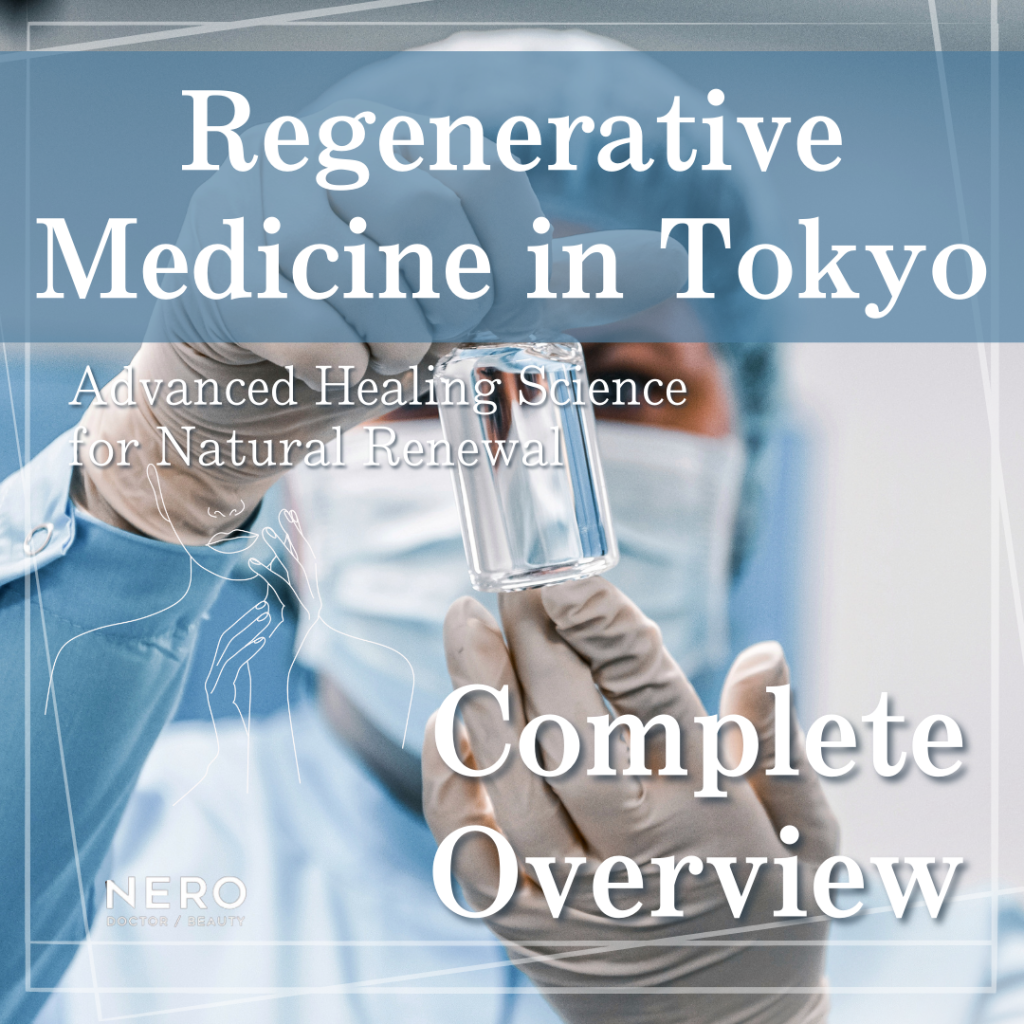
Tokyo represents a distinctive blend of clinical precision, biotech scale-ups, and pragmatic regulatory frameworks.
This guide explains current treatment options, oversight, expected outcomes, and how to choose providers with confidence.
Built on Japan’s leadership in induced pluripotent stem cells (iPS cells), the city’s network of university hospitals, certified clinics, and GMP facilities supports therapies aimed at tissue repair, pain relief, and functional recovery for domestic patients, expats, and international visitors.


What Regenerative Medicine Includes

Offerings range from routine clinic procedures to tightly controlled trials:
platelet-rich plasma (PRP), autologous bone marrow or adipose concentrates, certified mesenchymal stromal cell protocols, tissue engineering for cartilage or corneal repair, and iPS cell-derived constructs in early clinical programs.
Regulatory Landscape in Tokyo
Two pillars guide the field.
The Act on the Safety of Regenerative Medicine (ASRM) requires plan review by certified committees, classifying risk from I to III with mandated consent and monitoring.
The Pharmaceuticals and Medical Devices (PMD) Act governs commercial products, enforcing clinical trials and Good Manufacturing Practice standards.
Always confirm which framework your therapy follows.
Where Care Happens
Care is centered at major institutions such as The University of Tokyo Hospital, Keio University Hospital, and Juntendo University Hospital, along with certified private clinics in sports medicine, dermatology, and pain management.
The Nihonbashi life-science hub connects startups, manufacturers, and academic labs to accelerate translation while preserving quality controls.
Evidence and Before & After Studies
Evidence remains heterogeneous.
PRP demonstrates moderate improvements in pain and function for some knee osteoarthritis cohorts.
Mesenchymal stromal cell outcomes vary across sourcing, dosing, and endpoints.
iPS cell programs have reached first-in-human safety milestones in ophthalmology and cartilage, with functional recovery still under investigation.
Before-and-after observational series can inform feasibility but lack controls; prioritize registered trials, systematic reviews, and validated outcome measures.
Costs, Coverage, and Access
As a general guide, PRP often costs ¥40,000–¥150,000 per session; cell-based procedures may range from ¥300,000 to ¥2,000,000+ depending on cell source, processing, and number of injections.
National Health Insurance rarely covers treatments outside approved products or defined trials.
International visitors should budget for consultation, imaging, translation, and follow-up, and bring records, imaging files, medication lists, and allergy information.
How to Choose a Provider

Use this concise checklist when evaluating options:
- Verify ASRM classification or PMD status; ask for committee approval or product details
- Confirm cell source, processing methods, and lab standards (GMP or equivalent)
- Review consent covering risks, alternatives, and 24/7 contact for complications
- Request aggregate outcomes and de-identified Before & After data with defined timepoints
- Obtain itemized pricing; avoid sweeping promises or high-pressure payment demands
Patient Journey
Expect pre-screening, in-person consultation, diagnostics, and eligibility confirmation, followed by harvesting (blood, marrow, or adipose), processing in clean facilities, image-guided delivery, and structured follow-up at approximately 1, 3, 6, and 12 months using functional scoring.
Future Outlook
Tokyo is advancing off-the-shelf allogeneic cell lines, gene-edited constructs, biofabricated tissues, and real-time registries that measure outcomes at scale—turning laboratory gains into reproducible clinical value.
Choosing the Right Clinic in Japan
Japan is renowned for its high-quality esthetic treatments. If you are seeking Beauty Treatments in Tokyo near you, some popular choices include:
■BIANCA CLINIC
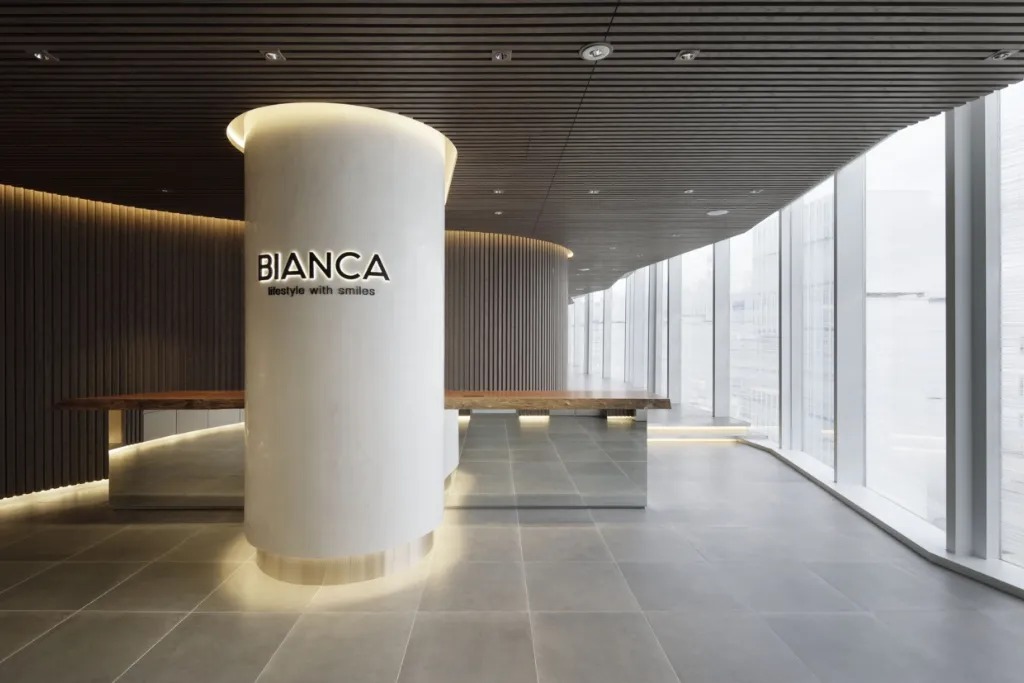
Source:BIANCA CLINIC
BIANCA CLINIC GINZA, a leading Japan beauty clinic, offers exceptional features and benefits for international patients visiting Japan.
Multilingual Support
The official website for international visitors is available in English, Russian, Spanish, and Albanian. In addition, the website for domestic users in Japan also supports Spanish, Chinese, and English, allowing users to access comprehensive information about the clinic and its aesthetic treatments in Japan.
Interpretation Services
Native-level English and Chinese-speaking staff assist with counseling and reception, ensuring smooth communication for those seeking plastic surgery or other cosmetic treatments in Tokyo, Japan.
Reservations
Book 24/7 via the website or through WhatsApp, offering convenience for international patients exploring the best aesthetic treatments in Japan.
Access Information
Conveniently located in Ginza, Tokyo, offering easy access for patients interested in aesthetic treatments in Japan, including:
- Inquiries are also welcome regarding treatments designed to achieve a Japanese look
- Before-and-after results of plastic surgery in Japan
- Insights into plastic surgery pricing in Japan
These services ensure a comfortable and welcoming experience for all international visitors to this premier Japan beauty clinic.
| Address | 12F ONE GINZA, 1-8-19 Ginza, Chuo-ku,Tokyo 104-0061, Japan |
| Phone Number | 050-3196-4834 |
| Business Hours | 10:00–19:00 |
| Holiday | irregular holidays |
| Access | A 4-minute walk from Ginza Station on the Tokyo Metro Ginza Line. A 1-minute walk from Exit 7 of Ginza-itchome Station on the Tokyo Metro Yurakucho Line. A 3-minute walk from Exit 3 of Kyobashi Station on the Tokyo Metro Ginza Line. A 8-minute walk from the Kyobashi Exit of JR Yurakucho Station. |
Conclusion
With disciplined oversight and deep scientific foundations, Regenerative Medicine in Tokyo offers promising options with clear guardrails.
Use this Complete overview to vet providers, weigh evidence beyond Before & After anecdotes, plan costs and logistics, and track outcomes aligned with your goals.
| ・This website provides general knowledge about aesthetic medicine from a neutral perspective as much as possible. Please note that the information is not intended to encourage self-diagnosis. Be sure to check the official website of the clinic and consult each medical institution for details regarding treatment. ・This article is based on information available at the time of writing and publication. Please check the official website for the latest updates. ・If cosmetics or massage-related content is mentioned, it is not within the scope of medical supervision. |