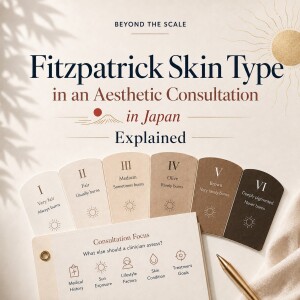
Japan’s aesthetic market is known for its meticulous standards in quality, sterility, and traceability.
If you are comparing Botox brands available in Japan, understanding approvals, formulations, and clinical standards will help you make informed decisions and achieve safe, natural-looking results.
This guide outlines the landscape: what is officially approved, which international labels you might encounter, how they differ, and what to ask at a consultation.
Expectations, pricing, and “Before & After” outcomes ultimately depend on both product selection and the injector’s expertise.


INDEX
Regulatory Landscape and Approved Botox Brands in Japan
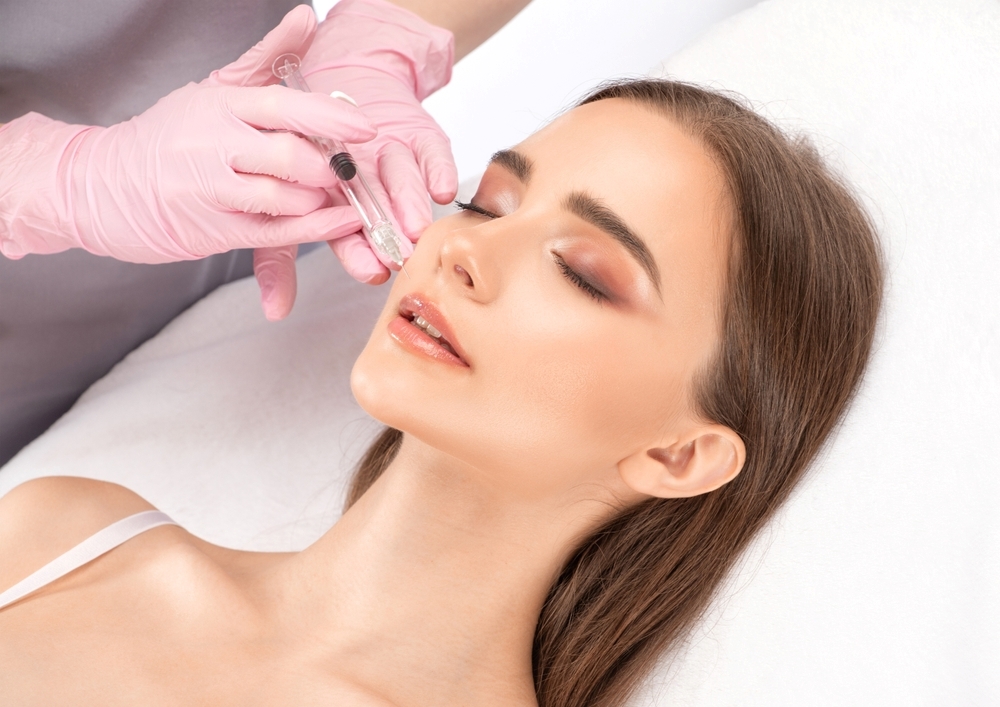
In Japan, the Ministry of Health, Labour and Welfare (MHLW) and the Pharmaceuticals and Medical Devices Agency (PMDA) evaluate botulinum toxin products for safety and efficacy.
While several brands exist globally, their regulatory status in Japan varies significantly.
For cosmetic use, Allergan/AbbVie’s Botox Vista (onabotulinumtoxinA) remains the primary product approved for dynamic facial lines.
Legitimate packaging includes Japanese labeling, and reputable clinics maintain documented cold-chain storage and usage records.
Botox Vista is widely regarded as the reference standard for glabellar lines and crow’s feet under current Japanese approvals.
It is supported by established manufacturing controls, validated logistics, and consistent potency, making it a dependable choice for first-time or risk-averse patients.
Clinicians value its predictability and extensive data.
Unit potency is brand‑specific, so dosing must be tailored by a licensed injector.
Visible “Before & After” changes typically begin within several days, settle by two weeks, and generally last three to four months.
Popular off‑label uses in Japan include masseter contouring and correction of downturned mouth corners; these require advanced technique and a clearly documented informed consent.
Other Botox Brands You May Encounter in Japan

Beyond Botox Vista, some clinics may discuss international alternatives.
Availability, indications, and labeling can differ, so always confirm approval status, sourcing, and documentation before treatment.
Xeomin (incobotulinumtoxinA, Merz)
Xeomin contains a highly purified toxin without complexing proteins.
Internationally, it is valued for this streamlined formulation, which may reduce the risk of antibody formation.
In Japan, access is largely tied to therapeutic indications; cosmetic availability depends on clinic policy and lawful supply channels.
Dysport (abobotulinumtoxinA, Ipsen/Galderma)
Dysport is well known worldwide for its relatively fast onset and broad clinical use.
In Japan, aesthetic availability is limited, and units are not interchangeable with those of other brands.
If offered, ask about PMDA status, conversion rationale, and the clinic’s monitoring protocol.
Korean toxins (Nabota, Botulax, Meditoxin/Neuronox, Coretox)
These labels are common in neighboring markets and can be priced attractively.
In Japan, they are not PMDA-approved for cosmetic use.
If a clinic proposes them via private import, verify cold-chain handling, lot tracking, and clear informed consent regarding unapproved use.
Botulinum toxin type B (rimabotulinumtoxinB)
Brands such as Myobloc/NeuroBloc target therapeutic needs like cervical dystonia or sialorrhea.
They are generally not chosen for wrinkle softening.
If mentioned during an aesthetic consultation, clarify the exact indication and why type B would be preferable.
Key Differences, Onset, Duration, and Cost Considerations

Perceived differences often reflect formulation (such as complexing proteins and excipients), reconstitution volume, and injector technique.
Units are brand-specific and are not directly interchangeable.
Most patients notice softening within 2–5 days, with a peak at around two weeks.
Longevity commonly spans three to four months, varying by area, metabolism, and dose.
Technique and assessment drive natural expression more than brand selection alone.
In terms of pricing, PMDA-approved products generally sit at a premium, while privately imported toxins may be offered at lower cost.
When evaluating value, consider credentials, sourcing transparency, sterility protocols, and reliable follow-up rather than price alone.
A carefully planned treatment may help avoid costly revisions.
How to Choose a Clinic and Product in Japan
Use this practical checklist to protect safety and satisfaction:
- Ask for the exact brand name, manufacturer, and approval status in Japan.
- Request to see the vial at treatment time and verify the expiry and lot.
- Confirm cold‑chain storage and reconstitution standards.
- Review the injector’s “Before & After” gallery for similar concerns and face shapes.
- Discuss dose strategy, expected timeline, and touch‑up policy.
- Ensure written consent, complication management, and follow‑up access.
Be cautious of red flags such as prices far below market norms without transparent sourcing, lack of lot or storage documentation, pressure to proceed without individualized assessment, or limited discussion of risks and aftercare.
Choosing the Right Clinic in Japan
Japan is renowned for its high-quality esthetic treatments. If you are seeking Beauty Treatments in Tokyo near you, some popular choices include:
■BIANCA CLINIC
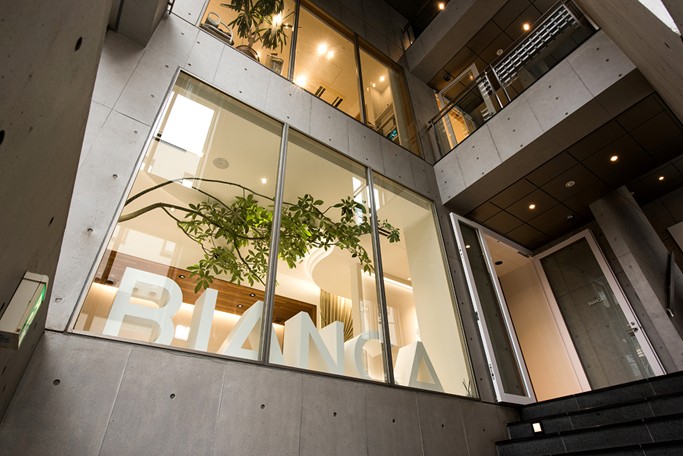
source:BIANCA CLINIC
BIANCA CLINIC OMOTESANDO, a leading Japan beauty clinic, offers exceptional features and benefits for international patients visiting Japan.
Multilingual Support
The official website for international visitors is available in English, Russian, Spanish, and Albanian. In addition, the website for domestic users in Japan also supports Spanish, Chinese, and English, allowing users to access comprehensive information about the clinic and its aesthetic treatments in Japan.
Interpretation Services
Native-level English-speaking staff support consultations and reception, ensuring smooth communication for those considering various aesthetic treatments in Tokyo.
Reservations
Book 24/7 via the website or through WhatsApp, offering convenience for international patients exploring the best aesthetic treatments in Japan.
Access Information
Conveniently located in Omotesando, Tokyo, offering easy access for patients interested in aesthetic treatments in Japan, including:
- Inquiries about treatments aimed at achieving a Japanese look
- Before-and-after results of aesthetic treatments in Japan
- Insights into aesthetic treatment pricing in Japan
These services ensure a comfortable and welcoming experience for all international visitors to this premier Japan beauty clinic.
| Address | Minami-Aoyama 511 Building, 5-11-10 Minami-Aoyama, Minato-ku, Tokyo 104-0061, Japan |
| Phone Number | 050-1807-1593 |
| Business Hours | 10:00–19:00 |
| Holiday | irregular holidays |
| Access | The Tokyo Metro Ginza Line. The Tokyo Metro Hanzomon Line. The Tokyo Metro Chiyoda Line. A 5-minutes walk from Omotesando Station B1 exit |
Conclusion
When comparing Botox brands available in Japan, Botox Vista remains the leading option for approved aesthetic use, while other brands may be available under more limited regulatory pathways.
Ultimately, outcomes depend less on the label and more on injector expertise, verified sourcing, and transparent clinical standards.
Prioritize experience, documentation, and informed counseling to support safe, natural-looking “Before & After” results.
| ・This website provides general knowledge about aesthetic medicine from a neutral perspective as much as possible. Please note that the information is not intended to encourage self-diagnosis. Be sure to check the official website of the clinic and consult each medical institution for details regarding treatment. ・This article is based on information available at the time of writing and publication. Please check the official website for the latest updates. ・If cosmetics or massage-related content is mentioned, it is not within the scope of medical supervision. |