📌 Key Takeaways
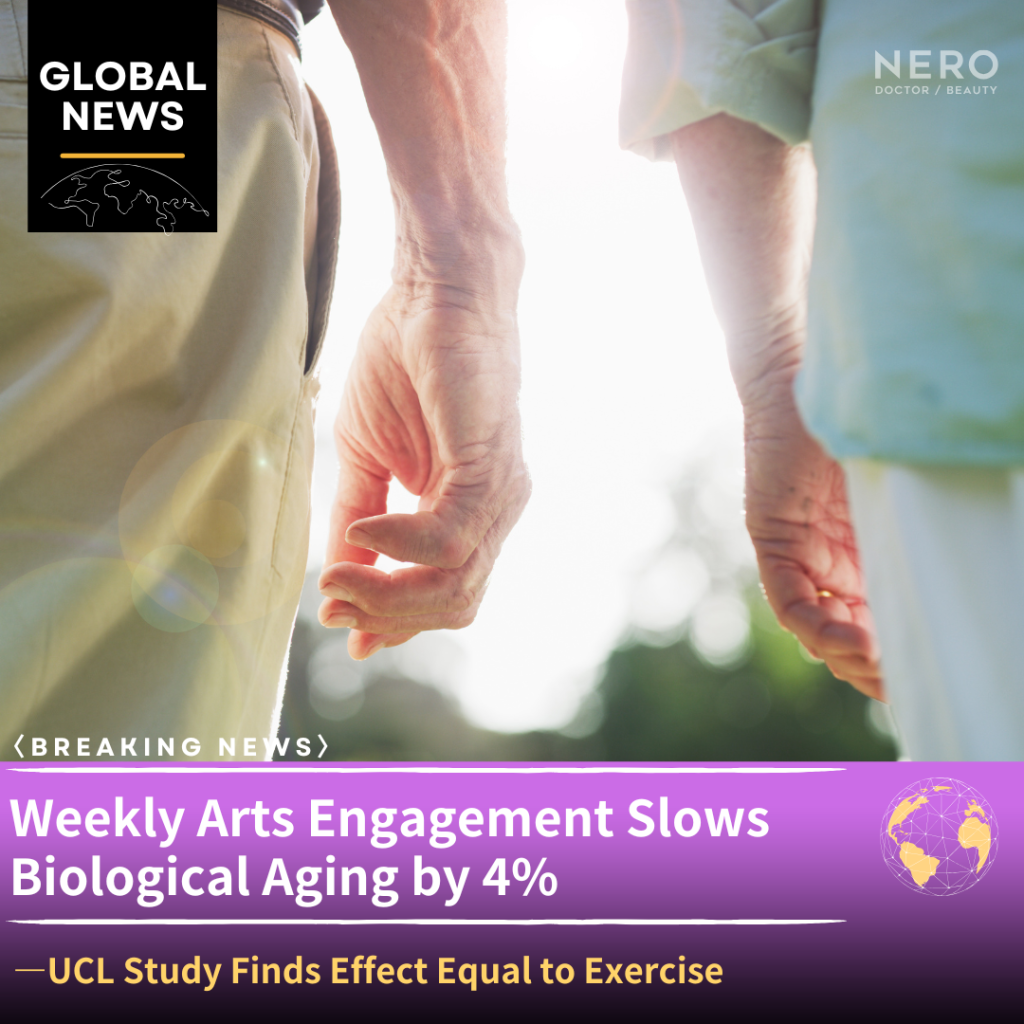
- UCL researchers demonstrated that weekly arts engagement slows biological aging by 4% using DNA data from 3,556 adults (published May 11, 2026, Innovation in Aging)
- The effect is equivalent to weekly exercise and comparable to the aging difference between smokers and non-smokers
- Activities include music listening, reading, museum visits, singing, and painting—no special talent required
- This establishes arts engagement as a medically validated anti-aging intervention alongside diet, exercise, and sleep
“What should I do to slow aging?” For decades, the answer has been: exercise, nutrition, sleep.
On May 11, 2026, that answer expanded.
A new option emerged: engage with the arts.


INDEX
Study Overview—Measuring Aging Speed Through DNA
Humans have two ages: chronological age (years since birth) and biological age (how fast your body is aging internally).
Two 50-year-olds may have biological ages of 40 and 60, respectively. Epigenetic clocks measure biological age by analyzing DNA methylation patterns—chemical modifications to DNA that accumulate with aging. This study used seven different epigenetic clock methods to assess aging pace.
Researchers at University College London (UCL) analyzed blood samples and survey data from 3,556 adults participating in the UK Household Longitudinal Study, a long-term national cohort.
They compared participants’ frequency and type of arts and cultural engagement with their biological aging pace measured through DNA analysis. The results revealed a clear association.
Key Findings—Four Major Discoveries
The “equal to exercise” finding is particularly striking. While numerous studies have shown exercise slows aging, this is the first large-scale evidence that arts engagement produces comparable effects.
The aesthetic medicine field has focused intensely on external interventions—fillers, neurotoxins, lasers, energy devices. But as longevity science advances, attention is shifting toward slowing the aging process itself from within.
What makes the UCL study remarkable is its accessibility. No expensive supplements, no specialized equipment, no medical supervision required. Simply listening to music you love, reading books that engage you, or visiting museums once a week may keep you biologically one year younger.
Combining aesthetic treatments for external rejuvenation with arts engagement for internal aging deceleration may represent the most evidence-based anti-aging strategy available in 2026.
What Activities Count?
“Arts engagement” may sound exclusive or talent-dependent. It’s not. The activities examined in this study are remarkably ordinary:
• Listening to, playing, or performing music
• Reading books or writing poetry
• Visiting museums, galleries, or exhibitions
• Attending theater, concerts, or dance performances
• Painting, pottery, or craft activities
• Visiting cultural heritage sites (historic buildings, monuments)
Researchers noted that “different activities provide different types of stimulation—physical, cognitive, emotional, and social. Combining diverse activities appears most beneficial.”
Connection to Aesthetic Medicine—External and Internal Approaches
This research directly intersects with aesthetic medicine.
Aesthetic treatments address aging from the outside—dermal fillers, neuromodulators, skin boosters, and laser therapies all target visible signs of aging. They preserve or restore youthful appearance.
The UCL study provides evidence for slowing the aging process itself from within. If your biological aging pace is slower at the DNA level, the foundation supporting aesthetic treatment outcomes may be more durable.
Mechanism—How Might Arts Engagement Slow Aging?
The study identified association, not causation. But researchers propose several biological pathways:
Stress reduction: Arts engagement activates parasympathetic nervous system activity, reducing chronic stress—a major aging accelerator.
Cognitive stimulation: Novel experiences and learning promote neuroplasticity and may protect against cognitive decline.
Social connection: Many arts activities involve social interaction, which extensive research links to longevity.
Emotional regulation: Arts provide outlets for emotional expression and processing, potentially reducing inflammation.
Professor Daisy Fancourt, who led the research and chairs UNESCO’s Arts and World Health initiative, stated: “This evidence suggests arts and cultural engagement should be recognized as health-promoting behaviors on par with physical activity.”
Global Media Coverage—CNN, NPR, The Guardian
The study received immediate international attention. CNN, NPR, and The Guardian published coverage within days of publication, signaling recognition of its significance beyond academic circles.
The research adds to growing evidence that lifestyle factors beyond traditional health behaviors—diet, exercise, sleep—substantially influence aging trajectories.
- UCL analyzed DNA from 3,556 adults, demonstrating weekly arts engagement slows biological aging by 4% (published May 11, 2026)
- Effect equals weekly exercise and matches the aging difference between smokers and non-smokers
- Activities include music listening, reading, museum visits, singing, painting—no special skills required
- Combining aesthetic treatments (external) with arts engagement (internal) may represent the most evidence-based anti-aging approach in 2026
Frequently Asked Questions
Sources:
Innovation in Aging, “Engaging with arts and culture linked to slower pace of biological aging,” Daisy Fancourt et al., University College London, published May 11, 2026 / CNN, “Engaging with arts and culture can slow biological aging as much as exercise, study suggests,” May 14, 2026 / NPR, “Study finds engaging with the arts can slow biological aging,” May 12, 2026 / The Guardian, arts and health coverage, May 2026