📌 Key Takeaways
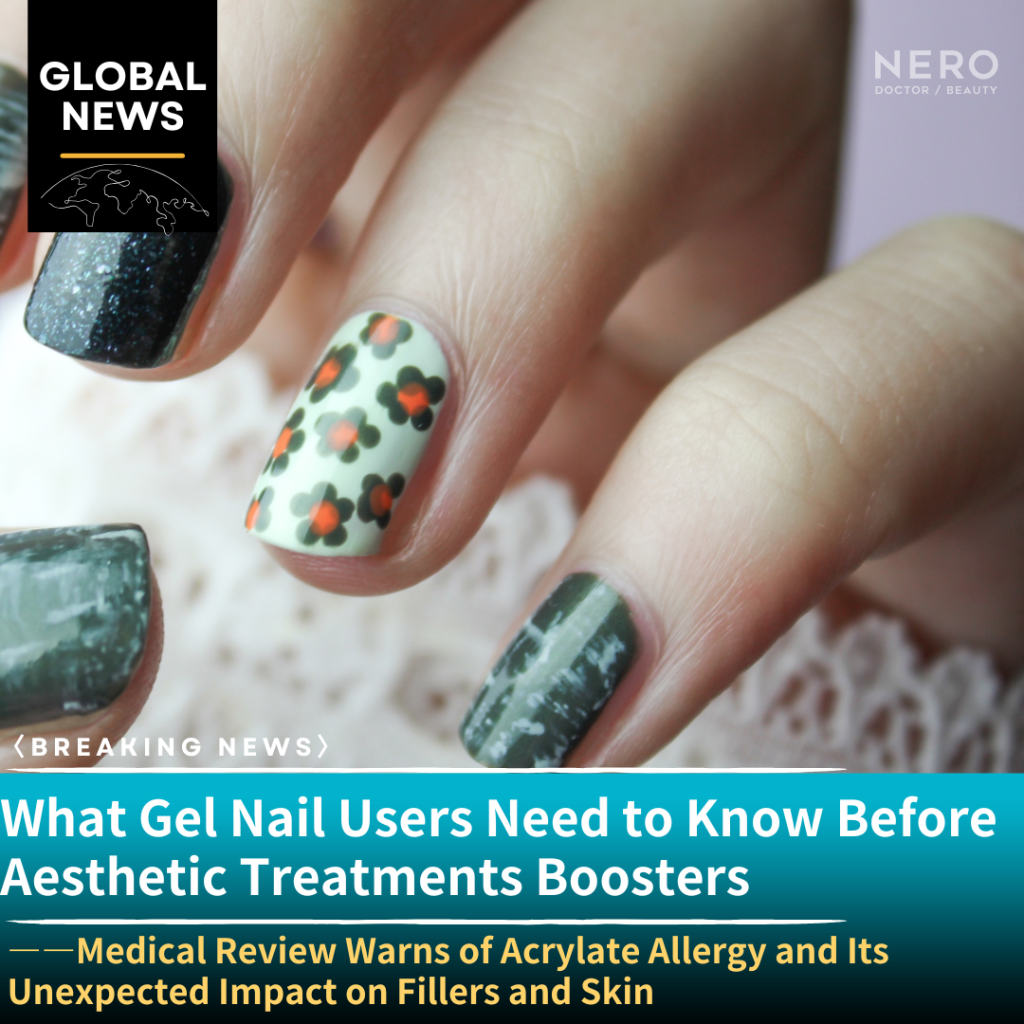
- A medical journal review published May 14–15, 2026 identifies gel and acrylic nails as a leading cause of allergic contact dermatitis and nail disorders
- The culprit: acrylates—chemical compounds used to harden gel polish—which can trigger sensitization through repeated skin exposure
- Emerging concern in aesthetic medicine: acrylate allergy status is becoming a critical pre-treatment screening factor for dermal fillers and skin booster procedures
- Symptoms often appear on the face, eyelids, and neck—not just fingertips—making the nail connection easy to miss
Monthly gel manicures have become routine for millions worldwide. But a growing body of dermatological evidence suggests that this popular beauty habit may have unexpected implications for those seeking aesthetic treatments—particularly injectable procedures like dermal fillers and skin boosters.
Between May 14–15, 2026, multiple medical outlets reported on a comprehensive review published in the journal Dermatology, bringing renewed attention to the intersection of nail cosmetics and systemic allergic responses.


INDEX
- The Chemical at the Center: Understanding Acrylates
- What the Medical Review Revealed
- The Mechanism: Why Fingertip Products Cause Facial Reactions
- The Aesthetic Medicine Connection: Implications for Injectable Treatments
- Clinical Implications and Risk Management
- The Broader Context: Occupational and Public Health Dimensions
- Summary
- Frequently Asked Questions
The Chemical at the Center: Understanding Acrylates
Acrylates are synthetic polymer compounds that form the structural backbone of gel and acrylic nail products. When exposed to UV or LED light, these chemicals undergo photopolymerization—a hardening process that creates the durable finish gel manicures are known for. While effective cosmetically, repeated dermal contact with uncured acrylates can induce type IV hypersensitivity, a delayed allergic response mediated by T-cells. This sensitization process is cumulative and can occur even after years of uneventful use.
What the Medical Review Revealed
The Dermatology review synthesized data from multiple epidemiological and clinical studies, providing the most comprehensive assessment to date of nail service-related adverse reactions.
The Mechanism: Why Fingertip Products Cause Facial Reactions
The phenomenon of distant-site reactions puzzles many patients. The explanation lies in contact transfer—a well-documented dermatological mechanism.
Uncured acrylate residue on fingertips transfers to facial skin through routine touching. Additionally, even after curing, gel nails can continue to release trace amounts of volatile acrylates, particularly when exposed to heat or friction. Over time, this creates multiple sensitization opportunities, especially in areas of thin, permeable skin like the eyelids.
This explains why patients may develop periorbital dermatitis, facial erythema, or neck rashes weeks or months after starting regular gel manicures—a temporal disconnect that often obscures the causal relationship.
The Aesthetic Medicine Connection: Implications for Injectable Treatments
This is where the conversation becomes critical for aesthetic medicine patients.
Dermal fillers (hyaluronic acid and other volumizing injectables) and skin boosters (PDRN, polynucleotides, and mesotherapy formulations) involve introducing substances into the dermis—the same tissue layer where type IV hypersensitivity reactions manifest.
Emerging clinical observations suggest that patients with acrylate sensitization may experience exaggerated inflammatory responses following injectable treatments. While the mechanisms are still being elucidated, hypotheses include:
- Heightened baseline immune activation in sensitized individuals
- Cross-reactivity between acrylate-specific T-cells and components of injectable formulations
- Compromised skin barrier function from chronic low-grade inflammation
Before undergoing dermal filler or skin booster procedures, patients should be prepared to discuss:
- Frequency and duration of gel/acrylic nail use
- Any history of fingertip, facial, or eyelid reactions following nail services
- Previous diagnosis of contact dermatitis or acrylate allergy
- Occupational exposure to nail products
Transparent disclosure enables practitioners to implement appropriate risk mitigation strategies, including patch testing, modified treatment protocols, or alternative product selection.
Clinical Implications and Risk Management
The integration of nail cosmetic history into aesthetic medicine consultations represents an evolving standard of care. Forward-thinking practitioners are beginning to incorporate acrylate exposure assessment into their pre-treatment protocols.
For patients with confirmed or suspected acrylate sensitization, options may include:
- Patch testing to definitively establish allergen status
- Discontinuation of gel nail services for a specified period before treatment
- Selection of filler products with minimal cross-reactive potential
- Enhanced post-treatment monitoring for inflammatory responses
- Prophylactic anti-inflammatory protocols in high-risk cases
The most concerning aspect of this research is the diagnostic invisibility of the problem. Patients suffering from chronic facial dermatitis rarely connect their symptoms to their nail care routine—and many clinicians don’t ask. As aesthetic medicine becomes increasingly sophisticated in its understanding of immune modulation and inflammatory cascades, the failure to screen for common sensitizing exposures like acrylates represents a significant gap in patient safety protocols. The solution is straightforward: normalize the inclusion of cosmetic product history—including nail services—in aesthetic medicine consultations. A single question during intake can prevent complications that might otherwise be attributed to product failure or patient-specific factors.
The Broader Context: Occupational and Public Health Dimensions
While this article focuses on aesthetic medicine patients, it’s worth noting that nail technicians face substantially higher risks. Studies cited in the review indicate sensitization rates among salon workers that far exceed those of clients, raising important occupational health questions about ventilation standards, protective equipment, and product formulation regulations.
From a public health perspective, the widespread adoption of at-home gel systems has democratized access to these products—but also expanded the population at risk. DIY users often lack the training to minimize skin contact with uncured products, potentially accelerating sensitization.
Summary
- A May 2026 medical review identifies acrylates in gel and acrylic nails as a leading cause of allergic contact dermatitis, with symptoms extending beyond fingertips to face, eyelids, and neck
- The diagnostic challenge: facial symptoms often obscure the nail product connection, leading to prolonged undiagnosed cases
- Emerging aesthetic medicine concern: acrylate sensitization may influence inflammatory responses to dermal fillers and skin boosters
- Best practice: Patients should disclose gel nail habits during pre-treatment consultations—this information is clinically relevant, not cosmetic trivia
- The paradigm shift: Nail cosmetic history is becoming a standard component of aesthetic medicine risk assessment
Frequently Asked Questions
Sources: Medical News Bulletin, “Review Finds Manicures Often Linked to Adverse Reactions,” May 14-15, 2026 / Dermatology (original review article), 2026