Acne scarring is one of the most persistent and emotionally significant skin concerns — and one of the most commonly asked about in the context of HydraFacial.
If you’re researching HydraFacial specifically for acne scars in Tokyo, you’re likely already familiar with the basics of the treatment and wondering whether it’s powerful enough to make a meaningful difference.
The honest answer is nuanced: HydraFacial can meaningfully improve certain types of acne-related skin damage, but it is not a standalone solution for all forms of acne scarring.
This guide explains exactly what it can and cannot do, what to expect from treatment, and how to build a more complete approach if your scarring requires it.


INDEX
- Understanding Acne Scarring: Types and Treatment Implications
- What HydraFacial Can Do for Acne Scarring
- What HydraFacial Cannot Do for Acne Scarring
- Safety Considerations for Acne-Prone Skin
- Expected Results and Timeline
- Building a Complete Acne Scar Treatment Plan
- Where to Book HydraFacial in Tokyo
- Frequently Asked Questions
- Final Thoughts
Understanding Acne Scarring: Types and Treatment Implications
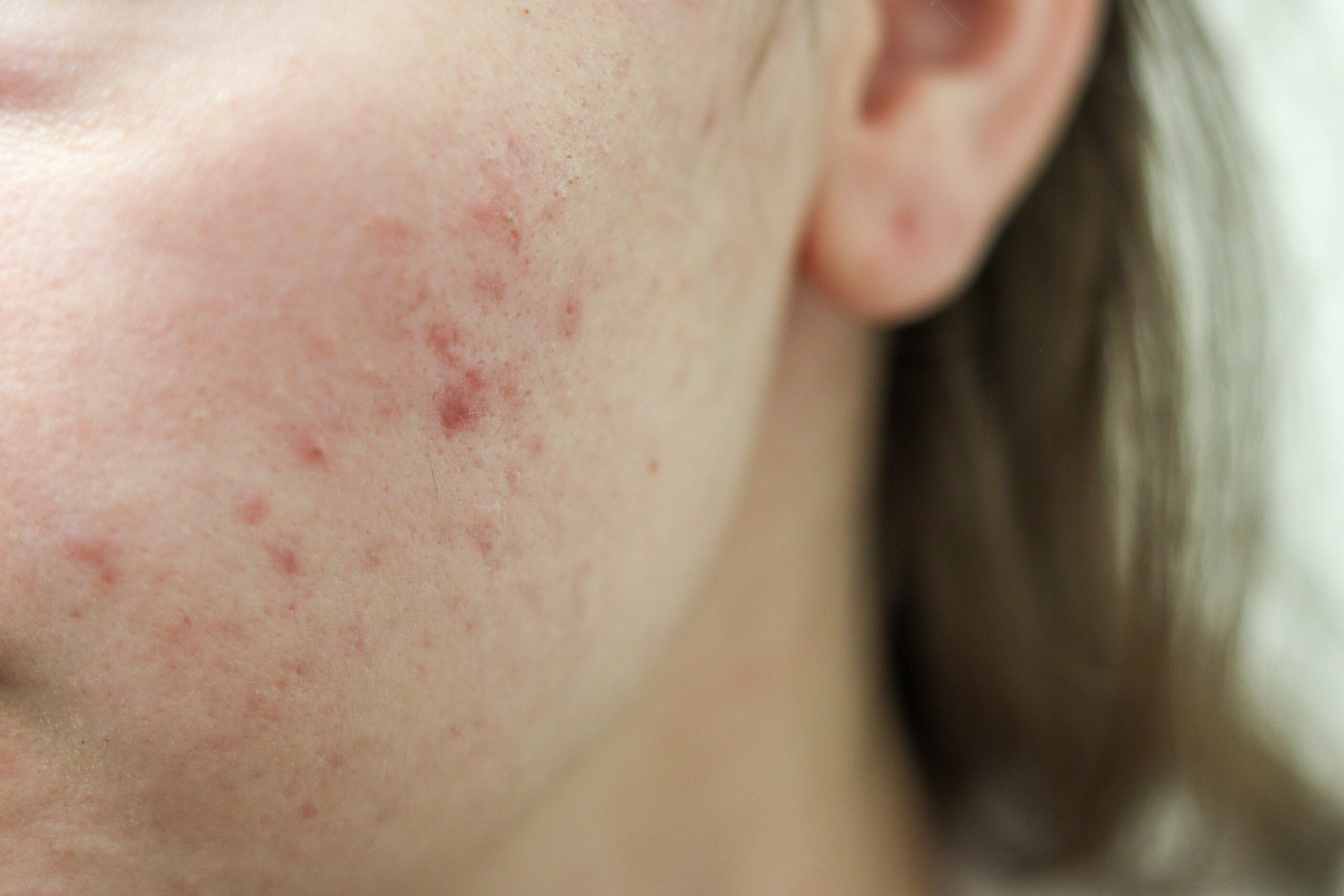
Before assessing any treatment, it helps to understand that “acne scarring” covers several distinct types of skin damage — each of which responds differently to different interventions.
Post-Inflammatory Hyperpigmentation (PIH)
PIH refers to the flat, discoloured marks — pink, red, or brown — left behind after an acne lesion resolves.
These are not true scars in the structural sense; they are a melanin response to inflammation.
PIH tends to fade on its own over months but can be significantly accelerated with appropriate treatment.
Post-Inflammatory Erythema (PIE)
PIE presents as persistent red or purple flat marks caused by damaged capillaries following acne inflammation.
Like PIH, it is not a structural scar but can be stubborn and slow to resolve without intervention.
Atrophic Scars
Atrophic scars are the result of tissue loss during the healing process.
They appear as depressions in the skin and include:
- Ice pick scars — deep, narrow, V-shaped scars that extend into the dermis
- Boxcar scars — broad, U-shaped depressions with defined edges
- Rolling scars — wide depressions with sloping edges that create an undulating skin surface
Atrophic scars represent true structural change within the skin and require more targeted interventions than surface-level treatments alone can provide.
Hypertrophic and Keloid Scars
These are raised scars caused by excess collagen production during healing.
They are less common on the face and require specific management distinct from atrophic scar treatment.
What HydraFacial Can Do for Acne Scarring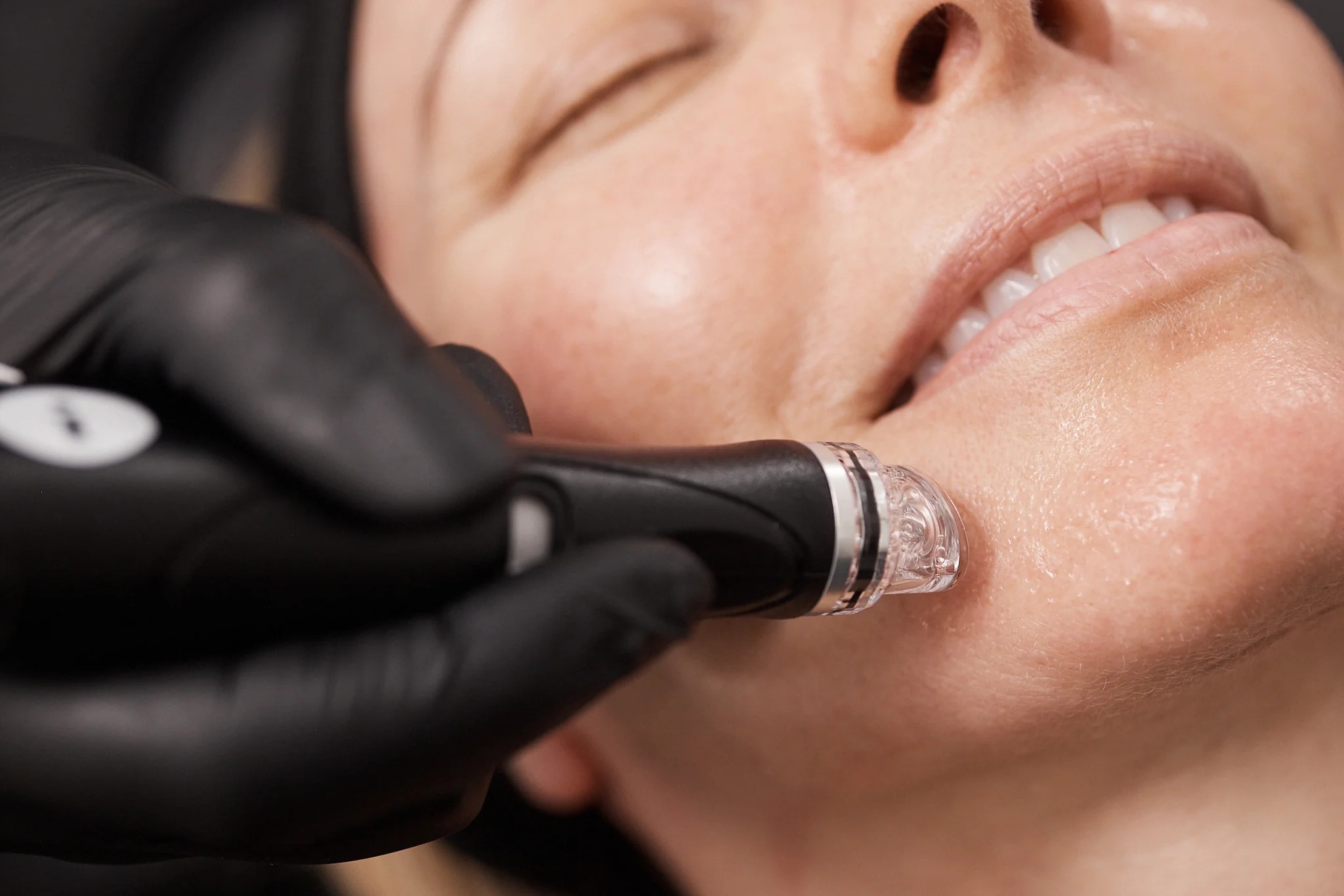
Improving Post-Inflammatory Hyperpigmentation
This is where HydraFacial demonstrates the most consistent benefit for acne-affected skin.
The combination of gentle exfoliation, pore cleansing, and targeted brightening booster serums — which typically contain ingredients such as vitamin C, kojic acid, niacinamide, or tranexamic acid — directly addresses the melanin accumulation responsible for PIH.
Regular HydraFacial sessions accelerate the skin cell turnover that naturally fades PIH, while the brightening boosters work to inhibit further melanin production.
For patients whose primary concern is discoloration rather than textural change, HydraFacial can be a highly effective standalone treatment.
Reducing Post-Inflammatory Erythema
HydraFacial’s calming serum infusions — particularly those containing niacinamide, centella asiatica, or peptides — help reduce the vascular inflammation responsible for PIE.
While more significant PIE may require laser or light-based treatment, mild to moderate redness from post-acne marks can improve meaningfully over a course of HydraFacial sessions.
Improving Skin Texture Around Shallow Scars
For very shallow atrophic scars — particularly mild rolling scars — repeated HydraFacial sessions can produce gradual improvement in the overall surface texture of the skin.
This is not because HydraFacial structurally remodels the scar tissue, but because improving the hydration, cell turnover, and overall health of the surrounding skin can make shallow depressions less visible.
Preventing New Acne and Further Scarring
One of HydraFacial’s most valuable contributions to acne scar management is its role in preventing new scarring from forming.
By thoroughly clearing pore congestion, reducing excess sebum, and delivering anti-inflammatory actives, HydraFacial helps control the active acne that generates new marks — breaking the cycle of ongoing damage.
What HydraFacial Cannot Do for Acne Scarring
Remodel Deep Atrophic Scars
Ice pick, deep boxcar, and significant rolling scars involve structural changes in the dermis that cannot be addressed through surface-level treatment alone.
HydraFacial does not penetrate to the depth required to stimulate the collagen remodelling necessary for meaningful improvement in these types of scars.
Replace More Targeted Scar Treatments
For moderate to significant atrophic scarring, more targeted interventions — RF microneedling, fractional laser resurfacing, subcision, TCA cross, or a combination — are required for meaningful structural improvement.
HydraFacial can play a supportive and complementary role within a broader scar treatment plan, but it should not be positioned as a primary intervention for structural scars.
Safety Considerations for Acne-Prone Skin
Active Acne
HydraFacial can be performed on skin with mild active acne, with appropriate modifications — the practitioner should avoid direct mechanical pressure over active inflamed lesions.
For patients with moderate to severe active acne, managing the active breakout phase before focusing on scar treatment is generally advisable.
Sensitivity Around Acne-Prone Skin
Acne-prone skin is often sensitised — whether from the acne itself, from topical medications such as retinoids or benzoyl peroxide, or from prior aggressive treatments.
Disclose all current skincare and prescription products during your consultation.
The peel step may need to be reduced or modified, and booster selection should prioritise calming and anti-inflammatory actives alongside any brightening ingredients.
Isotretinoin
Patients currently taking or who have recently completed isotretinoin (Accutane / Roaccutane) should inform their practitioner.
Active isotretinoin use is generally a contraindication for exfoliating treatments.
Most guidelines recommend waiting six to twelve months after completing a course before proceeding with treatments involving exfoliation or resurfacing.
Expected Results and Timeline
After a Single Session
Following one HydraFacial session, most patients with acne-prone skin notice:
- A visible reduction in surface congestion and improved skin clarity
- Brighter, more even skin tone as surface dead skin cells are removed
- Reduced redness and inflammation, particularly if calming boosters are used
- Smoother overall skin texture
PIH discolouration will not resolve after a single session, but the skin’s overall appearance — clarity, freshness, hydration — typically improves noticeably.
After a Course of Treatment
Over three to six sessions spaced two to four weeks apart, patients addressing PIH and general acne-related skin damage can expect:
- Meaningful fading of post-inflammatory discolouration, particularly with brightening boosters
- Sustained reduction in active congestion and breakout frequency
- Progressive improvement in overall skin texture and tone
- Reduced visibility of very shallow textural scars
Long-Term Maintenance
For patients with a history of acne, HydraFacial as a monthly maintenance treatment helps sustain the improvements achieved during an initial course and prevents the re-accumulation of congestion that can trigger new breakouts and further pigmentation.
Building a Complete Acne Scar Treatment Plan
For patients with both PIH and structural atrophic scars, combining HydraFacial with more targeted treatments produces more comprehensive results.
A common and effective sequencing approach:
HydraFacial as Skin Preparation
HydraFacial sessions in the weeks before more aggressive scar treatments — such as RF microneedling or fractional laser — can improve the baseline condition of the skin, ensure it is well-hydrated and clear of congestion, and potentially improve treatment outcomes and recovery.
HydraFacial as Recovery Support
In the period following more aggressive scar treatments, HydraFacial with calming and hydrating boosters can support skin recovery, reduce post-treatment redness, and maintain skin health between scar treatment sessions.
Concurrent Skincare Support
Alongside HydraFacial, a targeted homecare routine amplifies results.
Key ingredients for acne scar management include:
- Niacinamide — reduces PIH and supports barrier function
- Vitamin C — brightens and provides antioxidant protection
- Retinoids — accelerate cell turnover and stimulate collagen (avoid immediately before and after HydraFacial sessions)
- SPF 50 — essential for preventing UV-driven darkening of PIH
Where to Book HydraFacial in Tokyo
Ready to experience the benefits for yourself? You can browse clinics and find full treatment details for HydraFacial in Tokyo here:

Frequently Asked Questions
Can HydraFacial make acne scarring worse?
When performed correctly on appropriately assessed skin, HydraFacial should not worsen acne scarring.
The extraction step is non-traumatic, and the simultaneous infusion of calming and hydrating activities supports rather than disrupts the skin.
Performing HydraFacial over severely active inflamed acne without modification carries a small risk of spreading bacteria, which is why the practitioner’s assessment and protocol adjustment matter.
How many HydraFacial sessions do I need for acne scars?
For PIH and general acne-related discoloration, a course of three to six sessions is typically recommended before assessing results.
For structural atrophic scarring, HydraFacial alone is insufficient and should be part of a broader treatment plan.
Can I get HydraFacial if I have active breakouts?
Yes, with appropriate modifications.
A skilled practitioner will avoid direct treatment over active inflamed lesions and will select boosters suited to acne-prone skin.
If acne is severe or widespread, your practitioner may recommend addressing the active breakout phase first.
How soon after HydraFacial can I use my acne skincare products?
Avoid retinoids, benzoyl peroxide, and strong exfoliating acids for 48 hours after HydraFacial to allow the skin to consolidate the treatment benefits without added irritation.
Gentle moisturiser and SPF are appropriate immediately after treatment.
Is HydraFacial or microneedling better for acne scars?
For PIH and surface texture improvement, HydraFacial is a gentler and more accessible option.
For structural atrophic scarring, RF microneedling produces deeper collagen remodelling and more significant textural improvement.
The two treatments address different aspects of acne scarring and are frequently used in combination for comprehensive results.
Final Thoughts
HydraFacial is a genuinely useful treatment for acne-related skin damage — particularly for patients managing post-inflammatory hyperpigmentation, ongoing congestion, and overall skin quality concerns.
Its strengths lie in its consistency, its customisability for acne-prone skin, and its ability to play a supportive role within a broader scar management plan.
For patients with purely surface-level acne damage, it can be a highly effective standalone option.
For those with deeper structural scarring, it works best as one component of a more comprehensive treatment approach — preparing the skin, supporting recovery, and maintaining skin health between more targeted interventions.
Understanding this distinction clearly is the most important step toward building a treatment plan that delivers the results you are looking for.
| ・This website provides general knowledge about aesthetic medicine from a neutral perspective as much as possible. Please note that the information is not intended to encourage self-diagnosis. Be sure to check the official website of the clinic and consult each medical institution for details regarding treatment. ・This article is based on information available at the time of writing and publication. Please check the official website for the latest updates. ・If cosmetics or massage-related content is mentioned, it is not within the scope of medical supervision. |