Lip filler is one of the most popular injectable treatments globally — and one of the most consistently requested by international patients visiting Tokyo.
The lips are also one of the areas where aftercare has the most direct impact on the final result.
Swelling, bruising, and asymmetry are all common in the days following treatment, and understanding what is normal versus what warrants attention makes a significant difference to the recovery experience.
This guide is written specifically for international patients in Tokyo — covering every stage of lip filler aftercare from the first hour post-treatment through to long-term maintenance.


INDEX
Why Lip Filler Aftercare Is Particularly Important
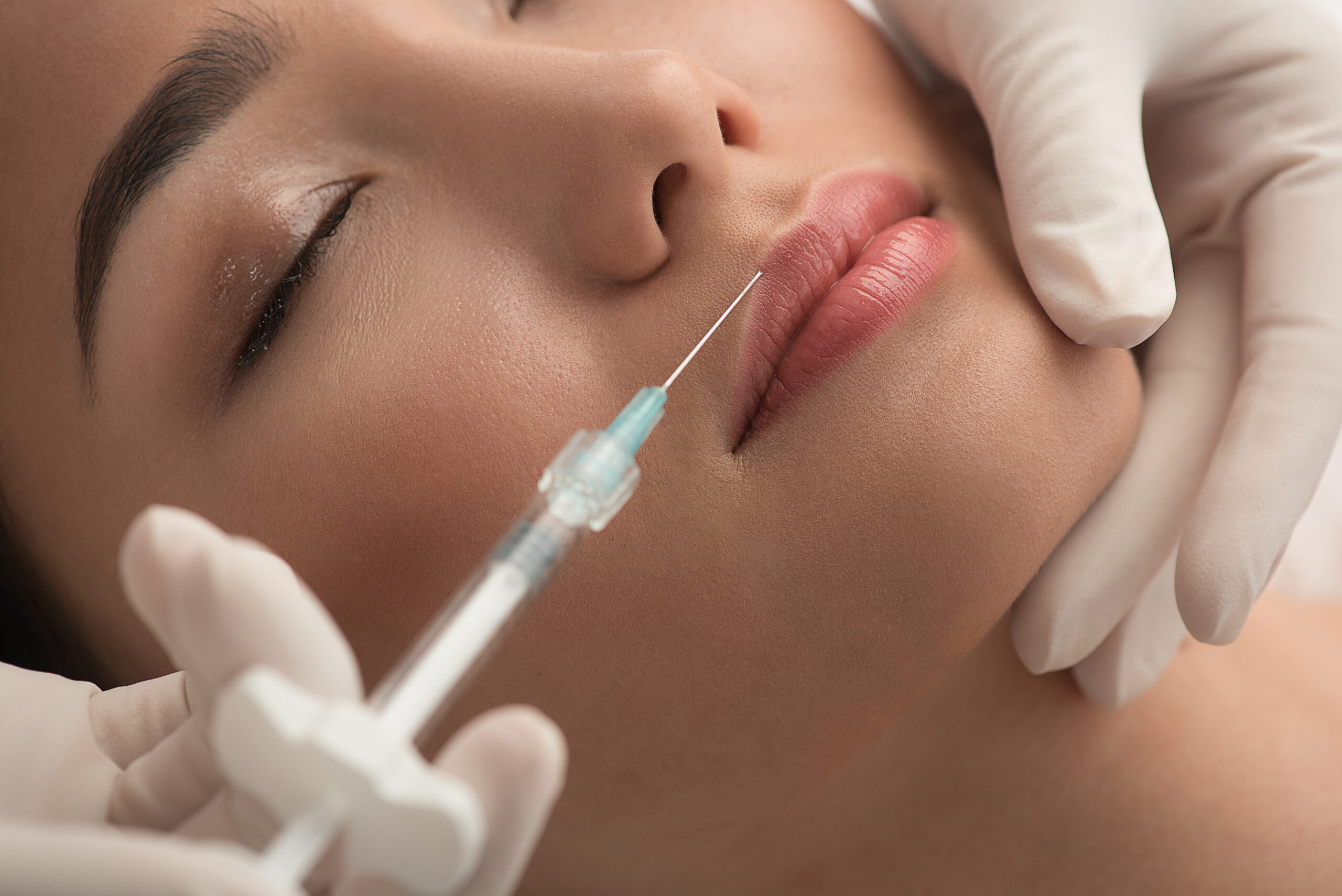
The lips have an exceptionally dense blood supply and a high concentration of nerve endings — which is why they swell and bruise more readily than most other injection sites.
They are also in constant motion: speaking, eating, and facial expression all engage the lip muscles continuously throughout the day.
These factors make the lips both more reactive to injection and more susceptible to the kind of post-treatment interference that can affect results.
Careful aftercare is not optional — it is a direct contributor to the final outcome.
Immediately After Treatment: The First Two Hours
What to Expect
In the first two hours following lip filler injections, you will likely notice:
- Visible swelling, particularly in the upper lip
- Redness and mild sensitivity at injection sites
- Possible small bumps or raised areas along the injection points
- A feeling of tightness or fullness
None of these are causes for concern — they are a normal response to both the injection itself and the hyaluronic acid drawing water into the treated tissue.
Do: Apply a Cold Compress
A cold compress applied gently over the lips — without pressing or rubbing — can help reduce initial swelling and discomfort.
Use a cloth-wrapped ice pack rather than ice directly on the skin, and apply for 10 to 15 minutes at a time.
Do not apply pressure.
Do: Stay Hydrated
Drinking water in the hours following treatment supports the body’s healing response and helps hyaluronic acid perform optimally — as it works by binding water within the tissue.
Avoid: Touching or Pressing the Lips
Do not touch, rub, or press the lips in the hours following treatment.
The filler is still settling into position, and physical pressure can shift the product before it has integrated with the surrounding tissue.
Avoid: Lipstick and Lip Products
Avoid applying any products to the lips — including lipstick, lip balm, lip gloss, or topical medications — for at least two hours after treatment.
Application involves pressure and friction over fresh injection sites.
The First 24 Hours
Avoid: Strenuous Exercise
Avoid vigorous physical activity for a full 24 hours after treatment.
Exercise significantly increases blood flow to the face, which can worsen bruising and swelling and may affect how the filler settles.
Light walking is generally acceptable; gym sessions, running, and any activity that substantially elevates heart rate should be postponed.
Avoid: Alcohol
Alcohol is a vasodilator — it widens blood vessels and increases circulation, which can worsen bruising and inflammation.
Avoid alcohol for at least 24 hours before and after lip filler treatment.
Avoid: Blood-Thinning Supplements
Non-prescribed blood thinners — including ibuprofen, aspirin, fish oil, vitamin E, and high-dose vitamin C — increase the risk of bruising.
Avoid these for 24 hours after treatment.
Do not stop any prescribed medication without consulting your doctor.
Avoid: Heat Exposure
Avoid saunas, steam rooms, hot baths, hot yoga, and prolonged sun exposure for 24 hours.
Heat increases blood flow and can intensify swelling and bruising, as well as potentially affecting filler integration.
Avoid: Dental Procedures
Avoid any dental treatment for two weeks after lip filler.
Dental procedures require the mouth to be held open in a fixed position for extended periods and can apply pressure to the perioral area, disrupting the filler before it has fully settled.
Avoid: Kissing and Significant Lip Pressure
Avoid kissing, using straws, playing wind instruments, or any activity that requires significant puckering or pressure on the lips for at least 24 to 48 hours after treatment.
Do: Sleep on Your Back With Head Elevated
Sleeping face-down or on your side can apply pressure to the lips and worsen swelling overnight.
Sleeping on your back with your head slightly elevated — using an extra pillow — reduces fluid pooling in the face and supports faster resolution of swelling.
Do: Eat Soft Foods
The lips will be sensitive and swollen in the first 24 hours.
Eating soft foods that do not require significant chewing or wide mouth opening is more comfortable and reduces unnecessary movement of the treated area.
Days Two to Seven: The Settling Phase
What Is Normal
The days following lip filler treatment are often described by patients as the most challenging part of the recovery process — not because anything is wrong, but because the lips can look quite different from the final result during this phase.
Normal experiences during this period include:
- Peak swelling on day two or three — swelling typically worsens before it improves, reaching its maximum around 48 to 72 hours after treatment
- Bruising — bruising is common and may extend slightly beyond the lip border. It typically begins to yellow and fade from day three or four
- Asymmetry — the two sides of the lips may swell differently in the days following treatment, creating a temporarily uneven appearance that resolves as swelling subsides
- Lumps or firmness — small firm areas within the lips are normal in the first one to two weeks and represent the filler integrating with the tissue. These typically soften and become undetectable over time
- Dryness or peeling — the skin on and around the lips may feel dry or flake slightly as it heals
What Is Not Normal
Contact your clinic promptly if you notice:
- Significant or worsening pain beyond the first 48 hours
- Blanching (white or pale patches) on or around the lips, which may indicate vascular compromise — this requires immediate medical attention
- Increasing redness, warmth, and swelling after day three that suggests infection
- A cold sore outbreak — hyaluronic acid injections can trigger herpes simplex reactivation in patients with a history of cold sores.Inform your practitioner before treatment if you have this history, and seek antiviral treatment promptly if an outbreak occurs
Continuing Restrictions
During the first week:
- Continue avoiding strenuous exercise until swelling has substantially resolved
- Avoid facial massage, professional facials, or any pressure-based treatment over the lip area
- Avoid extreme heat exposure
- Continue sleeping on your back if possible
Arnica for Bruising
Arnica gel — applied very gently without rubbing — is widely used to support bruise resolution.
It can be applied to bruised areas around (not directly over open injection points) from day two onward.
Two Weeks Post-Treatment: Assessing Your Results
 At two weeks, swelling will have fully resolved and the filler will have settled into its final position.
This is the correct point at which to assess your results — not at day three, when swelling is at its peak.
Follow-Up Appointment
Most reputable clinics schedule a two-week review appointment as standard.
This is the opportunity to assess symmetry, volume distribution, and whether any refinements are needed.
For international patients who may be returning home before two weeks have passed, discuss a follow-up plan with your clinic at the time of treatment.
If You Are Unhappy With the Result
Hyaluronic acid fillers can be dissolved with hyaluronidase — an enzyme that rapidly breaks down HA — if the result is unsatisfactory, or if a complication arises.
This is one of the key safety advantages of HA-based lip fillers.
If you have concerns about your result, raise them with your treating clinic rather than attempting to self-correct.
Long-Term Lip Filler Aftercare
Sun Protection
UV exposure degrades hyaluronic acid and reduces the longevity of filler results.
Apply SPF lip balm or ensure your facial sunscreen covers the lip area daily.
Hydration and Skincare
Keeping the lips well-hydrated with a gentle, fragrance-free lip balm supports skin quality in the perioral area and complements the hydrating effect of the filler itself.
Avoid lip products containing strong retinoids or acids directly over the injection area.
How Long Do Lip Fillers Last?
Lip filler longevity varies significantly between individuals.
In the lips — a high-movement area with rich blood supply — hyaluronic acid is metabolised more quickly than in lower-movement areas such as the cheeks or temples.
Most patients find that lip filler lasts between six and twelve months.
Maintaining consistent treatment intervals, rather than waiting until filler has fully dissolved, generally supports better long-term results.
Avoiding Overfilling Over Time
A common long-term concern with repeated lip filler is gradual overfilling — where successive treatments add volume without sufficient time for prior filler to fully dissolve.
Working with a practitioner who assesses residual filler volume before each treatment, and who advocates for conservative retreatment, is the most important safeguard against this.
Frequently Asked Questions
How long will my lips be swollen after filler?
Swelling peaks at around 48 to 72 hours and typically resolves substantially by day five to seven.
Minor residual swelling can persist for up to two weeks, after which the final result is visible.
Can I wear lipstick after lip filler?
Wait at least 24 hours before applying lipstick.
When you do, apply gently without pressing or rubbing.
Choose products without strong fragrance or active ingredients for the first week.
Can I get lip filler if I have a history of cold sores?
Yes, but you should inform your practitioner before treatment.
Injections in the perioral area can trigger herpes simplex reactivation.
Your practitioner may recommend prophylactic antiviral medication taken before treatment to reduce this risk.
Is it normal for lips to feel lumpy after filler?
Yes. Small firm areas within the lips are common in the first one to two weeks as the filler integrates with the surrounding tissue.
Gentle massage — only if recommended by your practitioner — can help distribute product evenly.
Lumps that persist beyond two weeks should be assessed by your clinic.
Can lip filler be reversed?
Yes. Hyaluronic acid filler can be dissolved at any time using hyaluronidase.
This is administered by injection and works rapidly, typically resolving most of the filler within 24 to 48 hours.
Reversal is available at most clinics that offer HA fillers.
Final Thoughts
Lip filler recovery is manageable and predictable when you know what to expect.
The most important principle is patience — the lips in the first week look nothing like the final result, and drawing conclusions about your treatment during peak swelling is almost always misleading.
Follow the aftercare guidelines consistently, particularly in the first 24 hours, give the product two full weeks to settle before assessing the outcome, and maintain open communication with your clinic throughout.
Done well, lip filler in Tokyo offers natural, beautiful results — and a clear understanding of the recovery process is the foundation for getting there.
| ・This website provides general knowledge about aesthetic medicine from a neutral perspective as much as possible. Please note that the information is not intended to encourage self-diagnosis. Be sure to check the official website of the clinic and consult each medical institution for details regarding treatment. ・This article is based on information available at the time of writing and publication. Please check the official website for the latest updates. ・If cosmetics or massage-related content is mentioned, it is not within the scope of medical supervision. |