Acne is one of the most common skin concerns among international patients in Tokyo — and one of the most variable in how well it is managed across different healthcare settings.
For foreigners navigating the Japanese medical and aesthetic clinic landscape, understanding which treatments are available, how they differ from options at home, and how to find a clinic equipped to treat non-Japanese skin types is an essential first step.
This guide covers the full spectrum of acne treatment available in Tokyo, from prescription medications to clinic-based procedures, with practical guidance on finding the right care as a foreign patient.


INDEX
- Understanding Acne: Why Treatment Needs to Be Targeted
- Acne Treatment Options Available in Tokyo
- Acne in Non-Japanese Skin Types: What to Consider
- Navigating the Japanese Clinic System as a Foreigner
- Acne Treatment Tokyo: English-Friendly Clinics Offering Acne Care
- Frequently Asked Questions
- Final Thoughts
Understanding Acne: Why Treatment Needs to Be Targeted

Acne is not a single condition — it is a spectrum of presentations driven by a combination of factors including sebaceous gland activity, follicular keratinisation, bacterial colonisation (primarily Cutibacterium acnes), and inflammation.
Effective treatment requires identifying which of these factors is dominant in a given patient’s presentation and selecting interventions accordingly.
Types of Acne
- Comedonal acne: Blackheads and whiteheads caused by blocked follicles without significant inflammation
- Inflammatory acne: Red papules and pustules caused by bacterial activity and immune response within the follicle
- Nodular and cystic acne: Deep, painful lesions that carry the highest risk of scarring and require more aggressive systemic treatment
- Hormonal acne: Typically presents in the lower face and jawline, driven by androgen fluctuation — common in adult women
Why Accurate Diagnosis Matters
Treating inflammatory acne with exfoliants alone, or using aggressive procedures on active cystic acne, can worsen rather than improve the condition.
A dermatologist or experienced aesthetic physician assessment before beginning any treatment programme is essential — particularly for patients who have tried multiple treatments without sustained improvement.
Acne Treatment Options Available in Tokyo

Prescription Topical Treatments
Topical medications remain the cornerstone of acne management for mild to moderate presentations.
In Japan, dermatology clinics can prescribe:
- Adapalene (Differin) — a retinoid that normalises follicular keratinisation and reduces comedone formation. Available in Japan by prescription
- Benzoyl peroxide — an antibacterial agent that reduces C. acnes colonisation. Available both over the counter and in combination prescription formulations
- Clindamycin — a topical antibiotic used for inflammatory acne, typically in combination with benzoyl peroxide to reduce the risk of antibiotic resistance
- Tretinoin — a more potent retinoid than adapalene, prescribed for moderate to severe acne and for post-acne skin quality improvement
Oral Medications
For moderate to severe acne, or cases resistant to topical treatment alone, oral medications are frequently indicated:
- Oral antibiotics — doxycycline and minocycline are commonly prescribed for inflammatory acne in Japan. Used in courses to reduce bacterial load and inflammation
- Low-dose isotretinoin (Roaccutane / Accutane) — the most effective systemic treatment for severe, cystic, or treatment-resistant acne. Available in Japan through dermatology clinics, typically requiring regular liver function monitoring and strict contraception for female patients of childbearing age
- Spironolactone — an anti-androgen used for hormonal acne in women. Availability varies between clinics; patients seeking this should confirm prescribing capability during the consultation
Chemical Peels
Chemical peels are widely available at Tokyo aesthetic clinics and dermatology practices.
For acne-prone skin, the most commonly used agents include:
- Salicylic acid peels — oil-soluble, penetrates follicles to clear sebum and reduce comedone formation. Well tolerated by most skin types
- Glycolic acid peels — exfoliates the skin surface and promotes cell turnover. More appropriate for comedonal and post-inflammatory pigmentation than for active inflammatory acne
- Mandelic acid peels — gentler than glycolic acid, with additional antibacterial properties. Suitable for sensitive or darker skin types
Peels are typically performed in a series of four to six sessions and are frequently combined with prescription topicals for comprehensive acne management.
Laser and Light-Based Treatments
Tokyo clinics offer a range of laser and light treatments with established efficacy for acne:
- IPL (Intense Pulsed Light) — targets both the vascular component of acne inflammation and post-inflammatory redness. Commonly used as part of an acne management programme
- Blue light therapy — uses specific wavelengths to target and reduce C. acnes colonisation in the follicle. A well-tolerated, non-invasive option often used in combination with other treatments
- LED light therapy — blue wavelengths for antibacterial effect, red wavelengths for anti-inflammatory support. Frequently used as an adjunct to other treatments or for maintenance
- Nd:YAG laser — targets sebaceous glands to reduce oil production and inflammation, with additional benefit for post-acne redness
HydraFacial with Acne Boosters
HydraFacial with clarifying or salicylic acid booster serums is widely available in Tokyo and offers a non-invasive approach to managing congestion and mild inflammatory acne.
It is most effective as a maintenance and skin health treatment rather than as a standalone intervention for significant active acne.
Extraction and Manual Treatments
Professional extraction of comedones and milia — performed by a trained aesthetician or physician — can be a valuable component of acne management, particularly for patients with predominantly comedonal acne.
In Japan, this is offered at both dermatology practices and aesthetic clinics, though technique quality varies.
Isotretinoin (Roaccutane)
For patients with severe nodular or cystic acne, or those who have not responded to multiple courses of other treatments, isotretinoin remains the most effective intervention available.
In Japan, it is prescribed through dermatology clinics and requires ongoing monitoring.
Patients already on isotretinoin in their home country should bring documentation and relevant bloodwork to support their Japanese consultation.
Acne in Non-Japanese Skin Types: What to Consider
Post-Inflammatory Hyperpigmentation Risk
Patients with Fitzpatrick skin types III–VI — more common among Middle Eastern, South Asian, Southeast Asian, and African heritage patients — carry a higher risk of post-inflammatory hyperpigmentation (PIH) following acne lesions.
This affects both treatment selection and the approach to more aggressive procedures such as chemical peels or laser.
When consulting a clinic, confirm that the practitioner has experience treating your skin type and understands the additional considerations around PIH risk.
Protocol adjustments — gentler peel concentrations, appropriate laser parameters, and a focus on barrier protection — are important for these patients.
Hormonal Acne in Adult Women
Adult female hormonal acne — concentrated in the lower face and jawline and correlating with the menstrual cycle — is a prevalent presentation among Western patients that may be less routinely encountered in some Japanese clinics.
Confirming that the clinic has experience with this presentation and is comfortable prescribing anti-androgen therapy where appropriate is worthwhile.
Diet and Environmental Triggers
Environmental factors — changes in water mineral content, dietary shifts, stress, humidity, and climate — can all influence acne.
International patients who notice their skin changing after arriving in Japan should raise this in their consultation, as environmental triggers can inform a more targeted treatment approach.
Dermatology vs Aesthetic Clinic
For active acne — particularly inflammatory, nodular, or cystic presentations — a board-certified dermatologist is the most appropriate first point of contact.
Dermatologists can prescribe the full range of systemic treatments, including isotretinoin, and are equipped to make accurate diagnoses.
Aesthetic clinics are appropriate for procedural treatments (laser, chemical peels, HydraFacial) once the active acne is being managed medically, or for mild presentations where prescription medication is not required.
Some clinics in Tokyo offer both dermatology and aesthetic services, which can be convenient for international patients seeking a comprehensive approach in a single setting.
English Language Support
Describing acne history accurately — including what treatments you have tried, how your skin has responded, what your current skincare routine includes, and what your goals are — requires clear communication.
Prioritise clinics with English-speaking physicians or staff, and prepare a brief written summary of your skin history to bring to the consultation.
Bringing Existing Prescriptions
If you are currently using prescription acne medications from your home country, bring the original packaging or a letter from your prescribing physician.
This helps the Japanese doctor understand your current regimen and make appropriate continuation or modification decisions.
Acne Treatment Tokyo: English-Friendly Clinics Offering Acne Care
Dealing with acne while living in or visiting Japan can be challenging when you’re not sure where to find English-language care.
Below are three Tokyo clinics that offer acne and acne-scar treatments, along with the practical details you’ll need to plan a visit.
AZABU SKIN CLINIC

Source:AZABU SKIN CLINIC
A Women-Led Dermatology Clinic Near Hiroo Station
Azabu Skin Clinic is directed by Dr. Chinari Kawashima and is located a short walk from Hiroo Station on the Tokyo Metro Hibiya Line.
A Range of Options From Peeling to Laser
Depending on acne type and severity, the clinic combines topical or oral medication with treatments such as BHA (salicylic acid) peeling, Photofacial, PDT, and laser-based acne treatments.
Back and décolletage acne courses are also offered.
English Support
The clinic provides an English-language website and a free e-mail consultation form.
How to Book
Appointments can be requested via the online consultation form or by phone.
AZABU SKIN CLINIC
Acne Treatment
| Address | 6F Precious#18 Building, 4-14-6 Minami-Azabu, Minato-ku, Tokyo |
| Phone Number | 0120-890-992 |
| Business Hours | 10:00 AM – 7:00 PM (Wed 11:00 AM – 8:00 PM) |
| Holiday | Closed Mondays & Tuesdays |
| Access | 6-minute walk from Hiroo Station (Tokyo Metro Hibiya Line, Exit 1) |
BIANCA CLINIC
Source:BIANCA CLINIC
Wide range of cosmetic care in the heart of Tokyo
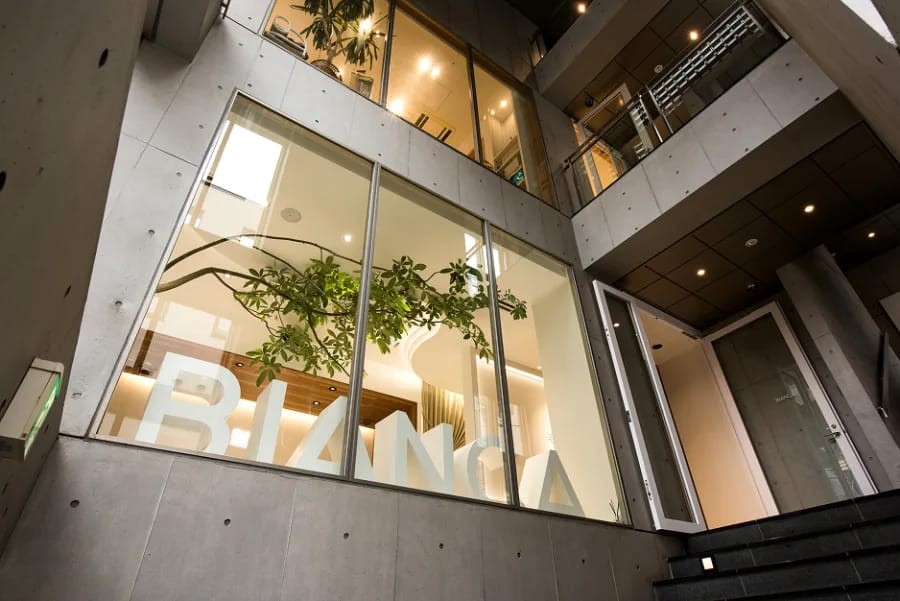
BIANCA CLINIC welcomes patients from overseas and provides a wide range of cosmetic healthcare in Tokyo.
Online consultations for first-time patients are available, and interpretation and counseling are offered free of charge.
Tailored Options for Acne and Acne Scars
The acne menu includes Trifill PRO (a device-assisted subcision treatment combined with injection), subcision, TCA Cross, and a range of chemical peels.
The clinic notes that an appropriate approach depends on scar depth, skin type, and individual goals, and is determined through consultation.
English Support
Free interpretation is offered, along with WhatsApp chat support for international patients.
How to Book
Reservations can be made through the clinic’s online booking form or via WhatsApp.
| Address | Ginza: 12F ONE GINZA, 1-8-19 Ginza, Chuo-ku, Tokyo BIANCA Cosmetic Surgery & Medical Spa (Omotesando): Minami-Aoyama 511 Building, 5-11-10 Minami-Aoyama, Minato-ku, Tokyo |
| Phone Number | Ginza: +81-50-3196-4834 BIANCA Cosmetic Surgery & Medical Spa (Omotesando): +81-50-1807-1593 |
| Business Hours | 10:00 AM –7:00 PM |
| Holiday | Irregular |
| Access | Ginza: A 4-minute walk from Ginza Station on the Tokyo Metro Ginza Line. A 1-minute walk from Exit 7 of Ginza-itchome Station on the Tokyo Metro Yurakucho Line. A 3-minute walk from Exit 3 of Kyobashi Station on the Tokyo Metro Ginza Line. An 8-minute walk from the Kyobashi Exit of JR Yurakucho Station. BIANCA Cosmetic Surgery & Medical Spa (Omotesando): A 5-minute walk from Omotesando Station, Exit B1 |
HADA NO CLINIC

Source:HADA NO CLINIC
A Clinic Built Around International Treatment Guidelines
Hada no Clinic states that its acne treatment approach follows American Academy of Dermatology guidelines and emphasizes systemic treatment alongside topical care.
It has locations in Koenji and Kojimachi.
Addressing Acne From the Inside Out
The clinic offers oral treatments — such as isotretinoin or hormone therapy — to address acne’s internal factors, with external treatments like laser or peeling recommended as needed.
English Support
English-speaking doctors are available.
The clinic notes that phone support in English is limited and recommends using its English-language online booking form for a smoother booking process.
How to Book
Bookings can be made via the English online reservation form, or through the clinic’s LINE-based booking system.
| Address | Koenji: 4F Anfini Building, 4-6-7 Koenji-Minami, Suginami-ku, Tokyo Kojimachi:B1F Chichibuya Building, 3-7-4 Kojimachi, Chiyoda-ku, Tokyo |
| Phone Number | Koenji: 03-5913-7435 Kojimachi:03-6261-7433 |
| Business Hours | Koenji: Mon–Sat: 10:30 AM–1:30 PM / 3:30 PM–6:30 PM Kojimachi:Weekdays 11:00–14:00 / 16:00–19:00 Sat & Sun 10:00–13:00 / 15:00–18:00 |
| Holiday | Koenji: Closed on public holidays Kojimachi:Closed on public holidays |
| Access | Koenji: 4-minute walk from Koenji Station (JR Chuo Line) Kojimachi:3-minute walk from Exit 1 of Kojimachi Station (Tokyo Metro Yurakucho Line) 3-minutes from Hanzomon Station |
Frequently Asked Questions
Can I get isotretinoin (Roaccutane) in Japan as a foreigner?
Yes. Isotretinoin is available in Japan through dermatology clinics.
As a foreign patient, you will need to undergo a standard consultation and baseline bloodwork, and you will be subject to the same monitoring requirements as Japanese patients.
Bring any relevant documentation from your home country prescriber to support your consultation.
Is acne treatment covered by Japan’s national health insurance?
Dermatology consultations and prescription medications for acne may be covered under Japan’s national health insurance (NHI) if you are enrolled.
International patients on short-term visas are not NHI-enrolled and will pay out of pocket.
Aesthetic clinic procedures — laser, peels, HydraFacial — are not covered by NHI regardless of insurance status.
How long will acne treatment take to show results?
This depends significantly on the treatment and the severity of the acne.
Topical retinoids typically show meaningful improvement over eight to twelve weeks.
Oral antibiotics may produce noticeable change within four to six weeks.
Isotretinoin typically requires four to six months for full effect.
Clinic-based procedures such as chemical peels and laser show cumulative improvement over a series of sessions.
Can I continue my home skincare routine while being treated in Tokyo?
In most cases, yes — but discuss your existing routine with your Japanese clinician before continuing, particularly if you are beginning new prescription treatments.
Certain active ingredients can interact adversely with prescription acne medications or increase sensitivity around clinical procedures.
What should I avoid doing before my first acne consultation in Tokyo?
Avoid starting any new skincare products or treatments in the week before your consultation, as changes to your skin can make assessment more difficult.
Arrive for your consultation without makeup if possible.
Bring a list of all current medications and supplements, and any previous acne treatment history you have.
Final Thoughts
Tokyo offers a comprehensive range of acne treatment options for international patients — from evidence-based prescription therapies to a full suite of clinic-based procedures.
The key to effective treatment lies in accurate diagnosis, appropriate treatment selection for your specific acne presentation and skin type, and a clinic that communicates clearly and adjusts protocols with your skin in mind.
For foreigners managing acne in Tokyo, finding a clinic with English language support, experience with diverse skin types, and access to both medical prescriptions and procedural treatments provides the most complete and responsive care.
With the right clinical partnership, effective acne management in Tokyo is entirely achievable — regardless of how long you are staying.