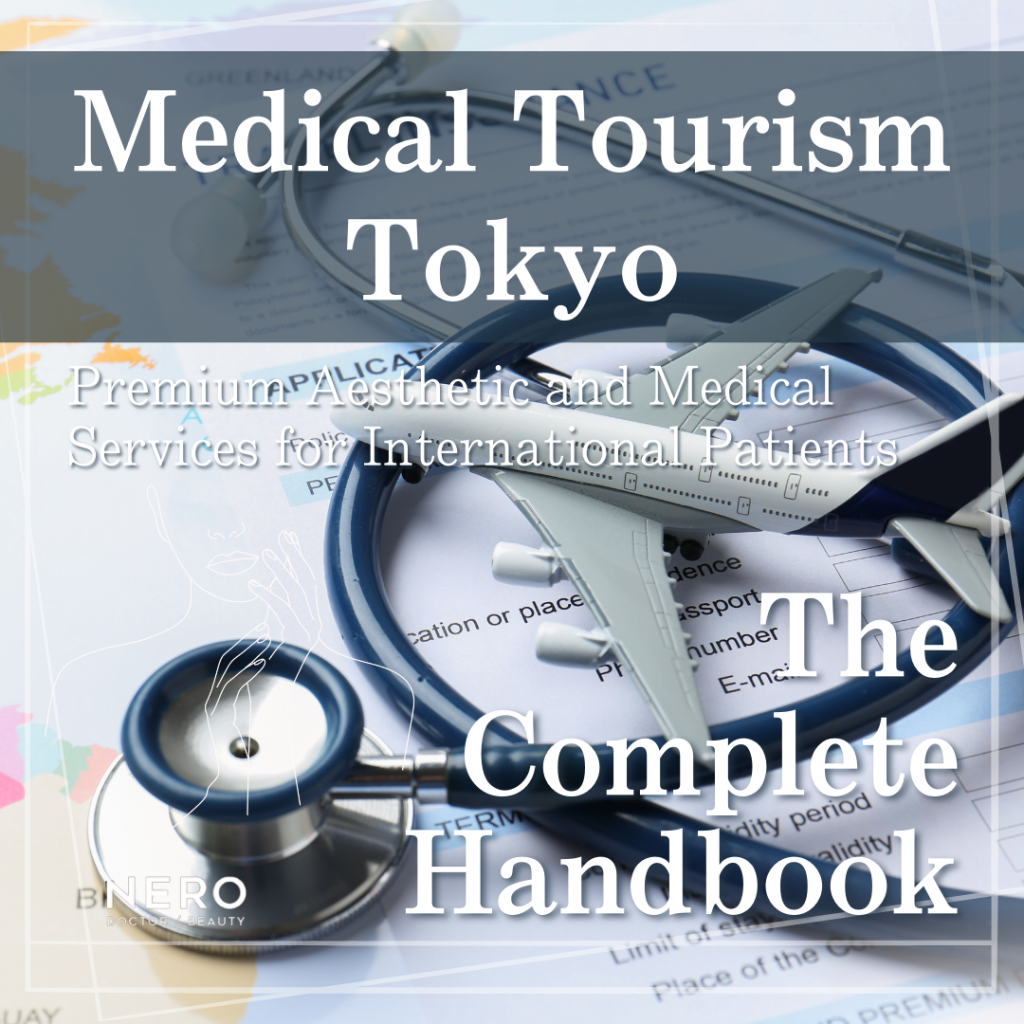
Tokyo blends cutting-edge medicine with first-rate hospitality, making it a prime destination for treatments, diagnostics, and wellness programs.
This Complete Handbook for Medical Tourism in Tokyo offers a clear, practical pathway from your first inquiry to your safe return home, allowing you to focus on your care rather than the logistics.
This guide distills the essentials—how to choose providers, estimate budgets, prepare documents, navigate language needs, and coordinate aftercare once you leave Japan.


Why Tokyo for Medical Tourism
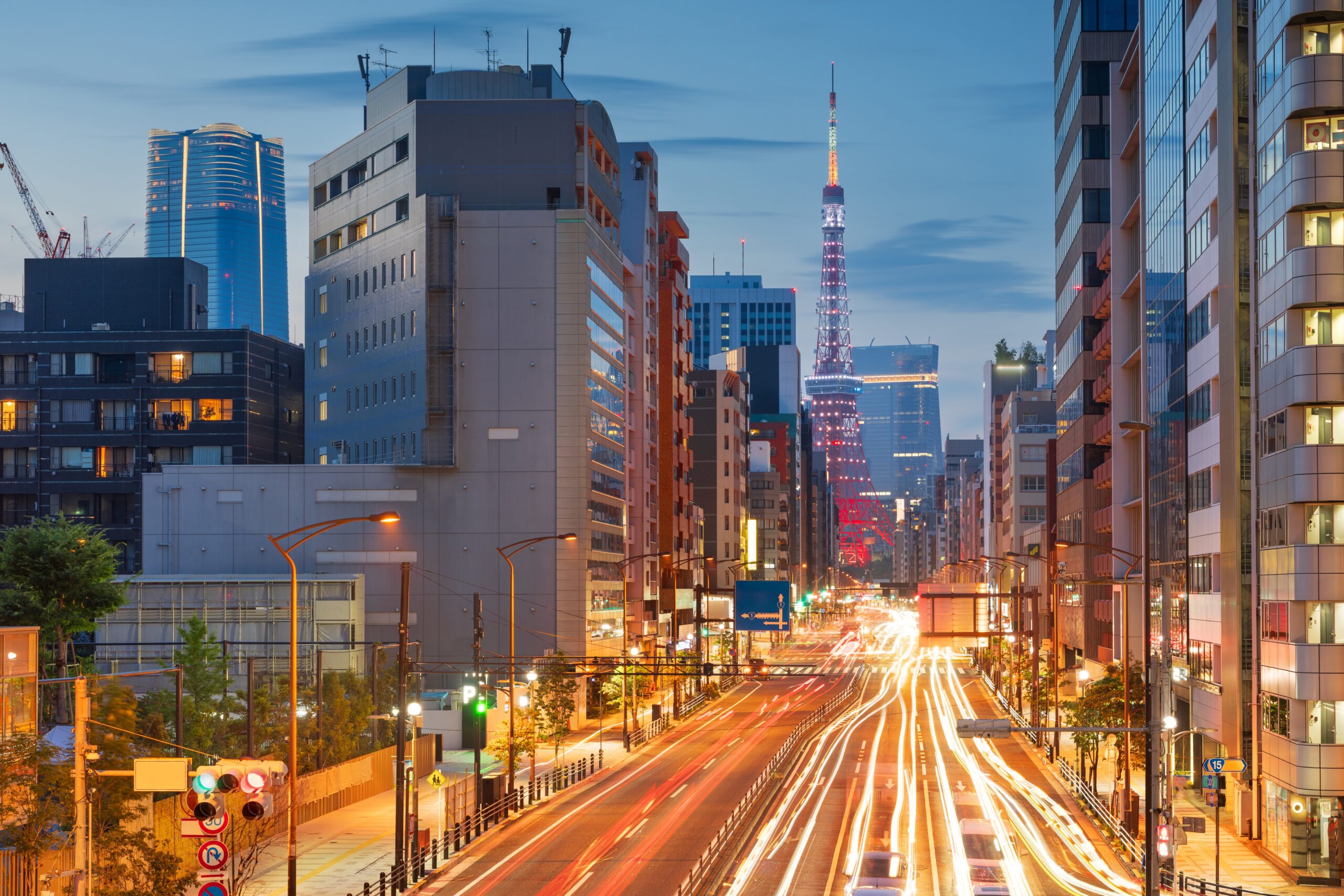
Tokyo offers numerous world-class hospitals and specialist clinics, supported by strict regulation and a cultural emphasis on precision and punctuality.
Many leading facilities are accredited by the Japan Medical Service Accreditation for International Patients (JMIP) or the Joint Commission International (JCI).
International patient service desks typically coordinate interpreters, billing, and transport from the airport.
Infection rates are low, and safety protocols are rigorously enforced.
Top Specialties and Typical Price Ranges
Prices vary by facility and complexity.
Figures below are indicative only and exclude travel and lodging costs.
Always request a personalized quote and a detailed treatment plan with risks and alternatives.
- Comprehensive health check-ups: ¥60,000–¥200,000 (about $400–$1,400), often completed in one day
- Cardiology diagnostics (e.g., coronary angiography): ¥250,000–¥500,000, with prompt reporting
- Orthopedic procedures (e.g., ACL reconstruction): ¥900,000–¥1,600,000, including rehabilitation when applicable
- Oncology (proton therapy): ¥2.5–¥4.5 million at specialized centers, with multidisciplinary review
- Aesthetic surgery (e.g., rhinoplasty): ¥400,000–¥900,000 — review authenticated Before & After results
Choosing the Right Hospital or Clinic
- Accreditation: Look for JMIP and, where applicable, JCI.Confirm surgeon credentials and board membership.
- Quality indicators: Ask about complication and infection rates, reoperations, and anesthesia safety protocols.
- Communication: Ensure access to certified medical interpreters and bilingual discharge summaries.
- Transparency: Request itemized estimates, deposit and refund terms, and a written aftercare plan.
- Evidence: Review peer-reviewed publications and documented Before & After results.
Visas, Insurance, and Documents
Many travelers can enter Japan on short-term stays, but longer courses of treatment may require a dedicated medical stay visa supported by a hospital letter.
You should purchase travel insurance that covers medical care, complications, and itinerary changes.
Bring medical records, imaging files, a medication list, a summary of known allergies, and summaries of past procedures in English.
If required, confirm import limits for prescription medications and obtain a personal medication import certificate.
Be prepared with multiple payment methods; some hospitals require deposits prior to admission.
Language and Interpreting
Request interpreter support for consultations, consent, and discharge.
Ask for bilingual prescriptions and follow-up instructions.
Use translation apps only as a backup for casual daily conversations.
Sample Timeline
- 2–4 weeks before travel: Remote consultation, preliminary quote, and pre-arrival labs if requested
- Arrival day: Check in to accommodation near the facility; confirm appointments and transport
- Pre-op day: In-person evaluation, labs, imaging, anesthesia review, and final consent
- Procedure day: Treatment performed; monitored recovery
- Recovery days: Dressing changes, physiotherapy, and progress assessment until cleared to fly
- Departure and follow-up: Bilingual summary and schedule for remote check-ins
Travel and Logistics
- Airports: Haneda is closer to central Tokyo; Narita offers more international routes
- Where to stay: Chiyoda, Bunkyo, Shinjuku, and Minato offer convenient access to major hospitals
- Connectivity: Arrange an eSIM or pocket Wi-Fi; many clinics provide secure online portals
- Payments: International cards are widely accepted, but confirm currency policies, taxes, and facility fees in advance
Emergencies: Dial 119 for ambulance/fire and 110 for police
Safety, Ethics, and Consent
Ensure informed consent with clear explanations of risks, benefits, and alternatives.
Academic hospitals often encourage patients to seek second opinions.
Confirm how your records are handled, stored, and shared, and request encrypted transfer to your home provider.
Aftercare and Follow-up
Before departure, confirm who to contact, response times, and how to share photos or test results securely.
Arrange virtual visits and identify a local clinician at home for labs or suture removal.
Ensure that any fitness-to-fly guidance aligns with your airline’s policies and insurance requirements.
Conclusion
Tokyo delivers precision care, efficient logistics, and respectful service.
With the steps in this handbook—smart vetting, realistic budgeting, clear communication, and structured aftercare—you can navigate medical tourism in Tokyo with confidence and return home focused on recovery and long-term health.
| ・This website provides general knowledge about aesthetic medicine from a neutral perspective as much as possible. Please note that the information is not intended to encourage self-diagnosis. Be sure to check the official website of the clinic and consult each medical institution for details regarding treatment. ・This article is based on information available at the time of writing and publication. Please check the official website for the latest updates. ・If cosmetics or massage-related content is mentioned, it is not within the scope of medical supervision. |