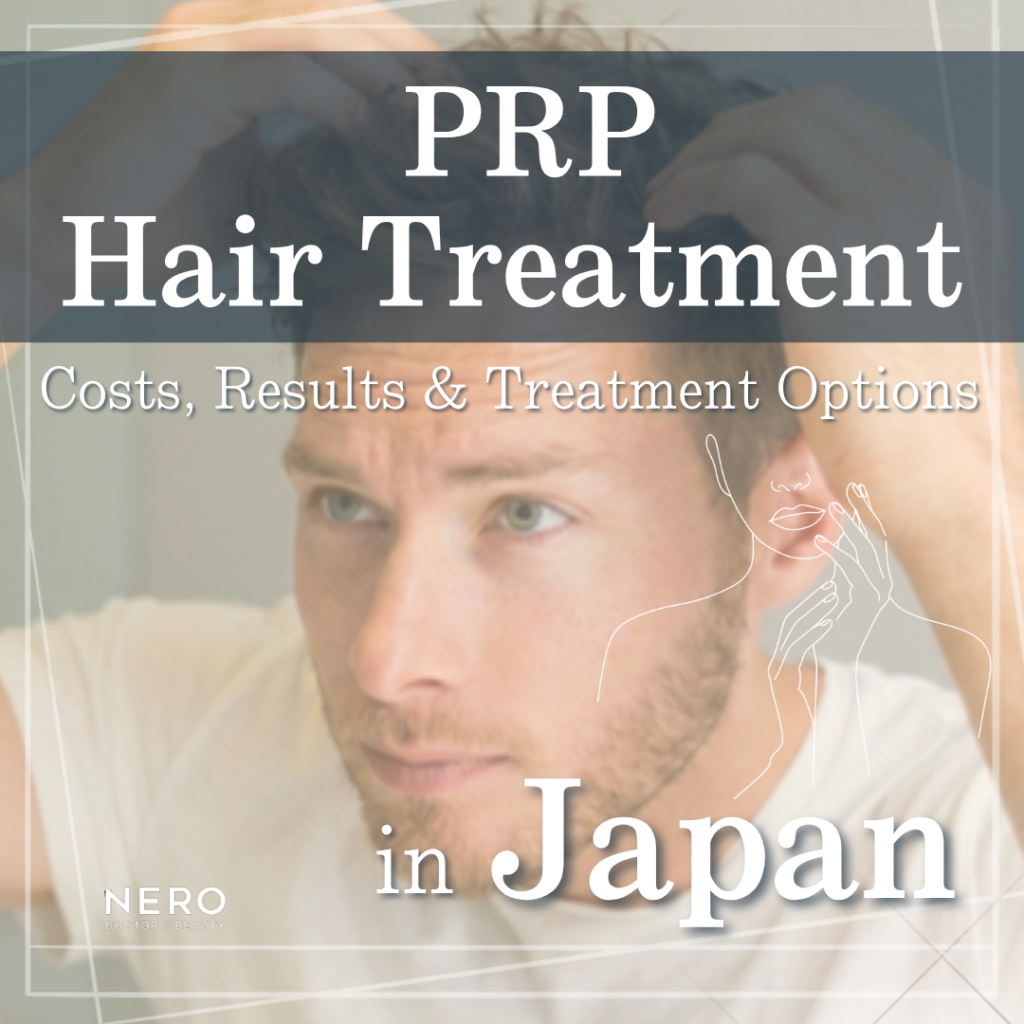
Hair loss is one of the most universally experienced aesthetic concerns — and one of the most emotionally significant. For international patients living in or visiting Japan, PRP hair treatment offers a clinically supported, non-surgical approach to slowing hair thinning and stimulating regrowth.
But navigating the options, finding the right clinic, and understanding what to realistically expect requires a clear guide.
This article covers everything foreigners need to know about PRP hair treatment in Japan — from how it works and what it costs, to how to choose a clinic and what results to expect.


What Is PRP Hair Treatment?

PRP stands for Platelet-Rich Plasma — a concentration of growth factors derived from the patient’s own blood. When injected into the scalp, these growth factors stimulate dormant hair follicles, promote blood supply to the follicular units, and extend the active growth phase of the hair cycle.
The treatment is autologous, meaning it uses only the patient’s own biological material. There are no synthetic drugs or foreign substances involved, which makes it one of the most biocompatible options in hair restoration medicine.
How PRP for Hair Is Prepared
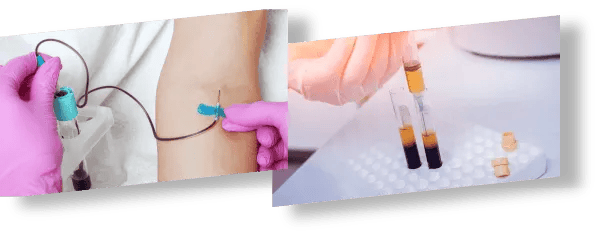
A small volume of blood — typically 20 to 60ml — is drawn from the patient and placed in a centrifuge. The centrifuge spins the blood at high speed, separating it into its components: red blood cells, platelet-poor plasma, and platelet-rich plasma.
The PRP layer, which contains a concentration of platelets and growth factors several times higher than normal blood, is then extracted and prepared for injection.
How It Is Administered
The PRP is injected directly into the scalp at the level of the hair follicles, typically using a fine needle or microneedling device. Injections are distributed across the thinning or affected areas, with the density and pattern tailored to the patient’s hair loss pattern and goals.
Sessions are generally completed within 60 to 90 minutes, including preparation time.
What PRP Does for Hair
PRP hair treatment works by:
- Stimulating dormant or miniaturised hair follicles back into an active growth phase
- Increasing blood supply to follicular units, improving the nutrient environment for hair growth
- Prolonging the anagen (growth) phase of the hair cycle
- Reducing scalp inflammation, which is a contributing factor in many forms of hair loss
It does not create new follicles where none exist. For this reason, it is most effective when hair follicles are still present but underperforming — making early intervention critical.
Who Is PRP Hair Treatment Suitable For?
Conditions PRP Can Address
PRP is most widely used and most evidence-supported for:
- Androgenetic alopecia (male and female pattern hair loss) — the most common form of hair loss, caused by the sensitivity of follicles to dihydrotestosterone (DHT)
- Alopecia areata — an autoimmune condition causing patchy hair loss
- Telogen effluvium — diffuse hair shedding triggered by stress, illness, hormonal changes, or nutritional deficiency
- General hair thinning — reduced hair density without a specific diagnosed cause
Who Is Not a Good Candidate
PRP may not be appropriate for patients with:
- Severe or complete baldness in the treatment area, where follicles are no longer present
- Active scalp infections or inflammatory conditions
- Blood disorders or clotting abnormalities
- Certain medications, including blood thinners
- A history of keloid scarring
A thorough consultation and, where appropriate, a trichological assessment will determine candidacy.
PRP Hair Treatment in Japan: What to Know as a Foreigner
Availability
PRP hair treatment is available at a range of clinic types in Japan — including dedicated hair loss clinics, dermatology practices, and general aesthetic clinics. The quality of equipment, preparation protocols, and practitioner experience varies considerably between these settings.
Dedicated hair clinics and dermatology-based practices are generally preferable for hair loss concerns, as they are more likely to offer a diagnostic assessment alongside treatment — which is important for identifying the underlying cause of hair loss before beginning any intervention.
Language Barriers
Hair loss consultations require detailed medical history taking — including information about when shedding began, family history, medications, hormonal factors, and previous treatments.
This level of nuance is difficult to communicate accurately without strong English support. Prioritise clinics with English-speaking staff or reliable interpretation services.
Diagnostic Assessment
Many international patients arrive at hair loss clinics without a formal diagnosis of their hair loss type. A reputable clinic in Japan should offer — or refer for — a trichological or dermatological assessment before recommending a treatment plan.
Treating hair loss without understanding its cause risks an inappropriate protocol and suboptimal results.
PRP Hair Treatment Cost in Japan
Estimated Pricing
| Treatment | Estimated Price per Session (JPY) |
| PRP scalp injection (single session) | ¥30,000 – ¥80,000 |
| PRP + microneedling (combined) | ¥50,000 – ¥100,000 |
| Course packages (3–6 sessions) | ¥100,000 – ¥350,000 |
Prices are approximate and vary by clinic, protocol, and volume of PRP used. Always confirm current pricing directly with the clinic.
What Affects the Cost?
- Volume of PRP used — some clinics offer enhanced protocols using a higher volume of PRP or multiple centrifuge cycles to increase growth factor concentration
- Combination treatments — PRP administered alongside microneedling or low-level laser therapy (LLLT) increases the overall session cost but may improve outcomes
- Clinic type and location — specialist hair clinics and premium dermatology practices typically charge more than general aesthetic clinics
- Number of sessions in a course — package pricing generally offers a lower per-session cost than individual bookings
What Results Can You Expect?
Realistic Expectations
PRP hair treatment is not a cure for hair loss, and it does not produce the density restoration of a hair transplant. What it can do — when appropriately indicated and correctly administered — is meaningfully slow further loss, improve hair thickness and quality, and stimulate regrowth in areas with dormant but viable follicles.
Results are gradual and cumulative. Patients should not expect dramatic improvement after a single session.
Timeline
- Months 1–3: Reduced shedding is often the first sign of response — a subtle but significant early indicator
- Months 3–6: New hair growth may become visible, particularly in areas of diffuse thinning
- Months 6–12: The most significant improvements in density and hair quality typically become apparent
Factors That Influence Results
- Stage of hair loss — earlier intervention consistently produces better outcomes; advanced loss with follicular death does not respond to PRP
- Underlying cause — androgenetic alopecia and telogen effluvium tend to respond better than scarring alopecias
- Number of sessions completed — a full course of three to six sessions produces more sustained results than one or two
- Adjunct treatments — combining PRP with topical minoxidil, finasteride (where appropriate), or LLLT can enhance and prolong outcomes
- Individual biology — platelet concentration and growth factor content vary between individuals and influence the potency of the PRP produced
How Many Sessions Are Needed?
Most protocols recommend:
- Initial course: Three to four sessions spaced four to six weeks apart
- Maintenance: One to two sessions per year to sustain results
Some patients — particularly those with more significant hair loss or slower initial response — may benefit from a more intensive initial course of four to six sessions.
Combining PRP with Other Hair Treatments
PRP is often used as part of a broader hair restoration plan rather than in isolation. Common and clinically supported combinations include:
PRP + Minoxidil
Topical minoxidil and PRP work through complementary mechanisms — minoxidil extends the anagen phase and increases follicular blood supply, while PRP delivers growth factors directly to the follicular environment.
The combination is one of the most widely recommended approaches for androgenetic alopecia.
PRP + Low-Level Laser Therapy (LLLT)
LLLT stimulates mitochondrial activity within hair follicle cells, improving cellular energy and follicular function.
Combined with the growth factor stimulus of PRP, this approach is used in both clinic settings and as a home maintenance protocol.
PRP + Hair Transplant
PRP is increasingly used alongside and following hair transplant procedures to improve graft survival and accelerate recovery.
For patients who have already undergone a transplant or are planning one, PRP can play a supportive role in the broader treatment plan.
Selected Clinics for PRP Hair Treatment in Japan
Choosing a clinic for PRP Hair Treatment involves more than comparing prices.
Treatment philosophy, physician expertise, and support for international patients can also influence the overall experience. Below are several clinics in Japan that offer PRP Hair Treatment for overseas visitors.
Four Seasons Dermatology Clinic
PRP Hair Treatment as Part of a Personalized Hair Restoration Plan
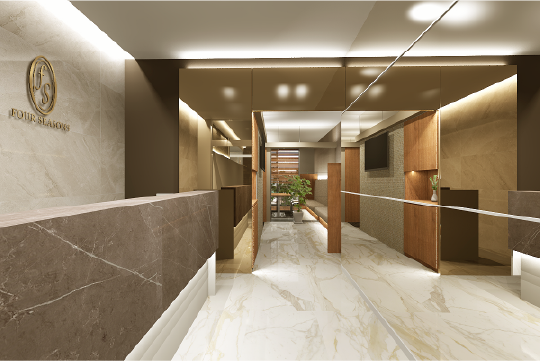
At Four Seasons Dermatology Clinic, PRP Hair Treatment is offered as one of several options for patients concerned about hair thinning. Rather than taking a one-treatment-fits-all approach, physicians evaluate each patient’s scalp condition and treatment goals before recommending an appropriate plan.
Depending on the consultation, PRP may be performed on its own or considered alongside other hair restoration therapies. This individualized approach allows treatment to be tailored to different stages and patterns of hair loss.
English-Friendly Services and Convenient Tokyo Access
Four Seasons Cosmetic Dermatology Clinic welcomes international patients through its English-language website. The clinic is located in Tokyo Takeshiba, just a short walk from Takeshiba Station and within easy reach of Hamamatsucho Station.
Its location also provides convenient access from Haneda Airport, making it a practical option for visitors planning treatment during their stay in Tokyo. In addition to PRP Hair Treatment, the clinic specializes in regenerative medicine and offers a range of aesthetic dermatology services.
How to Make a Reservation
Patients visiting Japan can contact the clinic through whichever method is most convenient for them, including an English inquiry form, telephone, or LINE. This flexibility may be particularly helpful when arranging treatment before arrival.
Four Seasons Dermatology Clinic
PRP Hair Treatment
How to Make a Reservation
| Address | Atre Takeshiba Tower Building 3F, 1-10-30 Kaigan, Minato-ku, Tokyo |
| Phone Number | +81-3-6803-4908 |
| Business Hours | 10:00-20:00 |
| Closed | December 31 – January 2 |
| Access | Hamamatsucho Station (JR/Monorail) North Exit 8-minute walkDaimon Station (Toei Oedo Line/Toei Asakusa Line) Exit B1 7-minute walkTakeshiba Station (Yurikamome) 3-minute walk |
Pruge Regen Clinic
Source:Pruge Regen Clinic
A Clinic Focused on Regenerative Hair Treatments
Pruge Regen Clinic specializes in regenerative medicine, with PRP-based hair restoration among its core treatment options. Rather than positioning PRP as a standalone procedure, the clinic incorporates it into individualized treatment plans designed around each patient’s scalp condition and pattern of hair loss.
Its proprietary p-Scalp program combines regenerative techniques with a personalized treatment strategy, reflecting the clinic’s dedicated focus on hair restoration.
Medical Interpretation Support for International Patients
Located just a 3-minute walk from JR Shinagawa Station, Pruge Regen Clinic is easily accessible for both domestic and international patients. The clinic is also conveniently reached from Haneda Airport in about 25 minutes by Keikyu Line, making it a practical option for visitors arriving in Tokyo.
To support patients who do not speak Japanese, the clinic offers video and telephone medical interpretation services, helping facilitate communication throughout the consultation process. Unlike general aesthetic clinics, Pruge Regen Clinic focuses exclusively on regenerative medicine, including PRP-based hair restoration.
How to Make a Reservation
Details about medical interpretation services and appointment requests are available through the clinic’s website.
International patients who require language assistance are encouraged to arrange interpretation support in advance when scheduling their consultation.
Pruge Regen Clinic
Medical Interpretation Services
How to Make a Reservation
| Address | 4F Dai-2 Akiyama Building, 2-4-18 Konan, Minato-ku, Tokyo |
| Phone Number | +81-50-1780-1178 |
| Business Hours | 10:00-19:00 |
| Closed | Wednesdays |
| Access | 3-minute walk from Konan Exit of JR Shinagawa Station |
BIANCA Cosmetic Surgery & Medical Spa
The BIANCA Method for Personalized PRP Hair Treatment
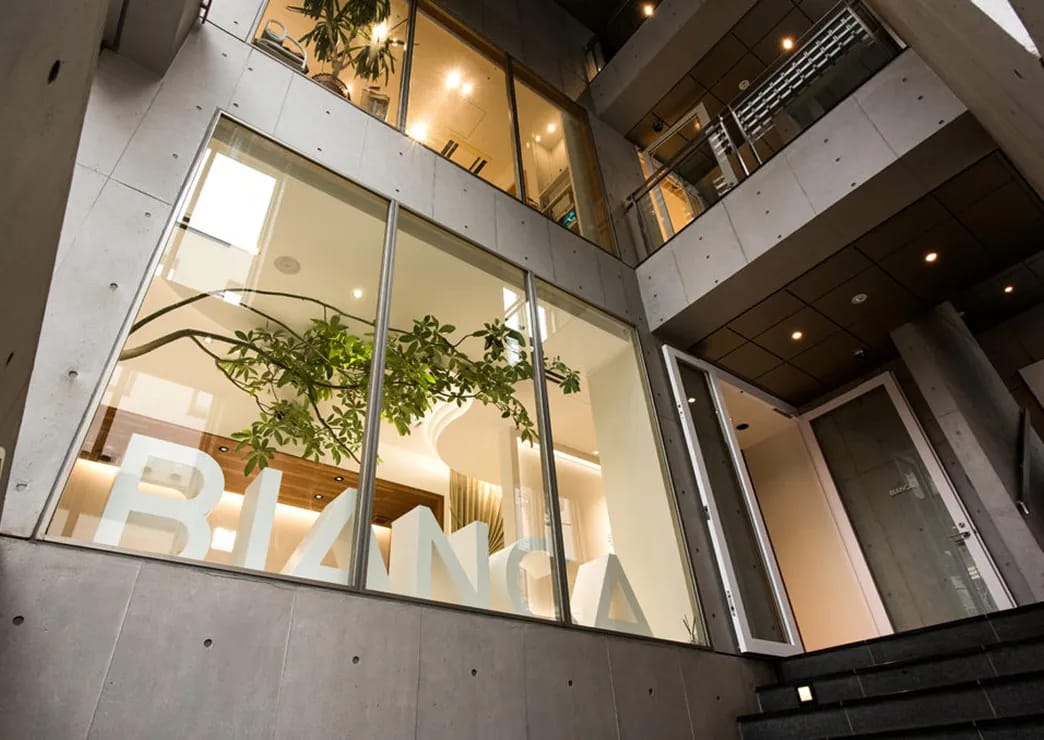
At BIANCA Cosmetic Surgery & Medical Spa, PRP Hair Treatment is performed as part of the clinic’s personalized “BIANCA Method.” Rather than following a standard protocol, physicians assess each patient’s hair condition, scalp health, and treatment goals before creating an individualized plan.
By using the patient’s own platelet-rich plasma, the treatment is designed to support the scalp’s natural regenerative processes. Consultations focus on helping patients understand whether PRP is suitable for their concerns and how it may fit into a broader hair restoration strategy.
English Support and Access
BIANCA welcomes international patients through its English-language website. The clinic operates two locations in Tokyo: BIANCA Cosmetic Surgery & Medical Spa in Omotesando and BIANCA CLINIC Ginza in Ginza.
PRP Hair Treatment, along with other injectable regenerative treatments, is available at the Omotesando clinic. Both locations provide English-language support, while the Ginza clinic also offers assistance in Chinese.
How to Make a Reservation
Information about PRP Hair Treatment, appointment requests, and international patient services is available on the clinic’s English website.
Patients planning their visit to Japan can contact the clinic in advance to discuss consultation schedules and treatment planning.
BIANCA CLINIC
PRP Treatments
How to Make a Reservation
| Address | Minami-Aoyama 511 Building, 5-11-10 Minami-Aoyama, Minato-ku, Tokyo |
| Phone Number | +81-50-1807-1593 |
| Business Hours | 10:00-19:00 |
| Closed | irregular holidays |
| Access | The Tokyo Metro Ginza Line. The Tokyo Metro Hanzomon Line. The Tokyo Metro Chiyoda Line. A 5-minute walk from Omotesando Station B1 exit |
Frequently Asked Questions
Is PRP hair treatment painful?
The scalp injections involved in PRP treatment can cause discomfort, particularly across areas with high nerve density. Most clinics apply topical anaesthetic before treatment, and some offer nerve block injections for more sensitive patients.
The procedure is generally well tolerated with appropriate pain management.
How long do PRP hair results last?
Results from a completed PRP course typically last six to twelve months before maintenance is required. Without maintenance sessions, the hair loss process will naturally continue.
Most patients incorporate one to two PRP sessions per year as part of an ongoing hair health strategy.
Can women get PRP hair treatment?
Yes. PRP hair treatment is equally applicable to female pattern hair loss and other forms of hair thinning in women.
Female androgenetic alopecia — which typically presents as diffuse thinning across the crown rather than a receding hairline — responds well to PRP, particularly when combined with appropriate medical management.
Is PRP hair treatment safe?
Yes. Because PRP is derived from the patient’s own blood, the risk of allergic reaction or adverse immune response is minimal.
Side effects are typically limited to temporary scalp tenderness, mild swelling, or bruising at injection sites, all of which resolve within a few days.
Can I get PRP hair treatment during a short visit to Japan?
Yes, though the nature of PRP as a multi-session treatment means a single visit may not allow for a complete course. Some international patients begin a course during a visit and continue with maintenance sessions on subsequent trips, or coordinate with a home-country practitioner to continue treatment between visits.
Discussing your timeline during the consultation will help your practitioner design a practical plan.
Final Thoughts
PRP hair treatment represents one of the most scientifically grounded non-surgical approaches to hair loss management currently available — and it is accessible to international patients in Japan across a range of clinic settings.
The key to a good outcome lies in early intervention, accurate diagnosis of the underlying cause, a full treatment course, and realistic expectations about the gradual nature of results.
For foreigners navigating hair loss in Japan, the most important first step is finding a clinic with genuine experience in hair restoration, the diagnostic infrastructure to assess your specific situation, and the English-language capability to communicate clearly throughout the process.
| ・This website provides general knowledge about aesthetic medicine from a neutral perspective as much as possible. Please note that the information is not intended to encourage self-diagnosis. Be sure to check the official website of the clinic and consult each medical institution for details regarding treatment. ・This article is based on information available at the time of writing and publication. Please check the official website for the latest updates. ・If cosmetics or massage-related content is mentioned, it is not within the scope of medical supervision. |