📌 Key Takeaways
FDA issued warning letters to 30 companies marketing compounded GLP-1 drugs
Marketing claims suggesting equivalence to FDA-approved medications were flagged
Increased regulatory scrutiny is emerging around telehealth-driven weight-loss markets
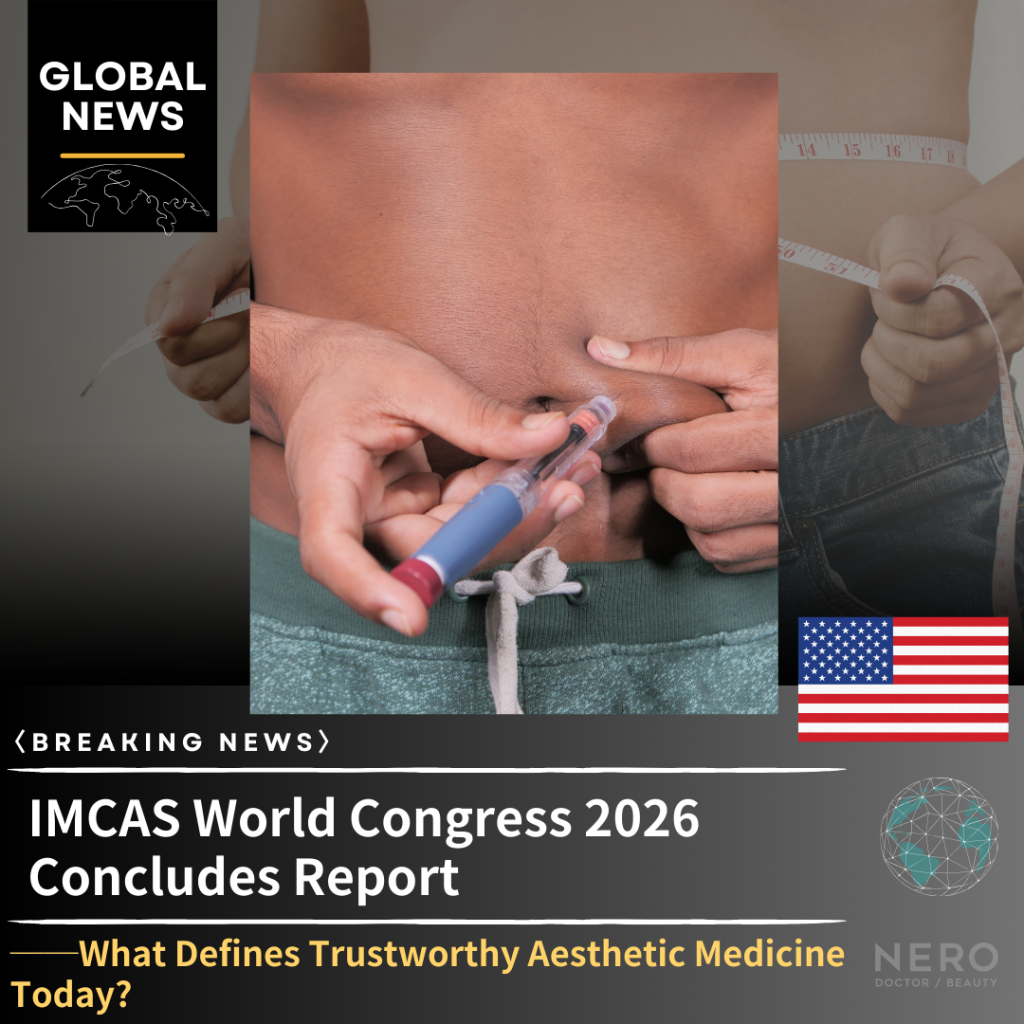
The U.S. Food and Drug Administration (FDA) announced on March 3, 2026, that it had issued warning letters to 30 telehealth companies regarding the marketing of compounded GLP-1 medications.
The agency cited concerns about:
-
Marketing claims implying equivalence with FDA-approved drugs
-
Branding practices that obscure the source of the compounded products
While GLP-1 drugs have rapidly expanded as obesity treatments, they have also become a central part of online healthcare and direct-to-consumer (D2C) pharmaceutical marketing.
The FDA’s action appears to be part of a broader regulatory response to the rapid growth of the medical weight-loss market.


INDEX
FACT CHECK | What Happened
On March 3, 2026, the FDA announced that it had sent warning letters to 30 telehealth companies marketing compounded GLP-1 medications.
According to the agency, the letters addressed two primary concerns.
1. Marketing that implied equivalence with FDA-approved drugs
Some companies used promotional language suggesting that compounded GLP-1 drugs had:
-
the same ingredients, or
-
similar effectiveness
as FDA-approved medications.
The FDA emphasized that:
Compounded drugs are not FDA-approved medications.
Therefore, they are not evaluated by the agency for safety, effectiveness, or quality prior to marketing.
2. Obscuring the source of compounded medications
The FDA also identified cases where companies:
-
marketed products under their own brand names
-
did not clearly identify the compounding pharmacy
Such practices could make it appear as though the telehealth company itself produced the medication.
ISSUE | Why GLP-1 Is Drawing Regulatory Attention
GLP-1 receptor agonists were originally developed as diabetes treatments, but have recently seen explosive growth as obesity and weight-loss medications.
In the United States, a new model has emerged:
Telehealth consultation
→ Online prescription
→ Home delivery of medication
This ecosystem has created a rapidly expanding digital healthcare market.
However, the speed of growth has also raised concerns around:
-
exaggerated marketing claims
-
lack of transparency in drug sourcing
-
confusion between compounded drugs and approved medications
INDUSTRY IMPACT | Implications for Aesthetic Medicine
Although GLP-1 drugs are primarily prescribed for diabetes and obesity, they are increasingly intersecting with aesthetic and medical weight-loss practices.
In recent years, GLP-1 medications have been used in contexts such as:
-
medical weight-loss programs
-
body-contouring treatment plans
-
metabolic health management
As a result, the FDA’s warnings may have broader implications for:
-
medical advertising transparency
-
regulation of D2C healthcare platforms
-
accountability within online medical services
The development highlights how the GLP-1 market is beginning to intersect with aesthetic medicine and digital health platforms.
EDITOR’S POINT | GLP-1 and the Platformization of Healthcare
The FDA’s action is not simply about misleading advertisements.
It reflects a deeper structural shift in healthcare.
As consultations, prescriptions, pharmaceutical distribution, and marketing increasingly move online, the boundaries between medical practice and consumer marketing become less clear.
The GLP-1 market now sits at the intersection of:
-
medicine
-
aesthetic health
-
platform-driven healthcare businesses
The FDA’s recent warnings may represent an early regulatory response to this emerging healthcare ecosystem.
Summary
-
FDA issued warning letters to 30 companies marketing compounded GLP-1 drugs
-
Marketing suggesting equivalence with FDA-approved drugs was flagged
-
Scrutiny of telehealth-driven D2C pharmaceutical marketing is increasing
-
The GLP-1 market is beginning to intersect with aesthetic medicine and digital healthcare
Sources
American Med Spa Association
U.S. Food and Drug Administration
NERO’s Mission
NERO reports on global developments in aesthetic medicine
through the lens of structure, ethics, and long-term consequence.
Rather than amplifying surface-level trends,
we examine how medical practices are regulated, commercialised, and normalised —
and what is reshaped when innovation moves faster than existing frameworks.
As aesthetic medicine expands beyond traditional clinical boundaries,
NERO focuses on the grey zones where definitions blur, responsibilities shift,
and medical decision-making becomes increasingly complex.
In an era of accelerating innovation,
NERO remains committed to transparency, critical scrutiny,
and responsible reporting —
so readers can understand not only what is new,
but what deserves closer examination before it becomes standard practice.