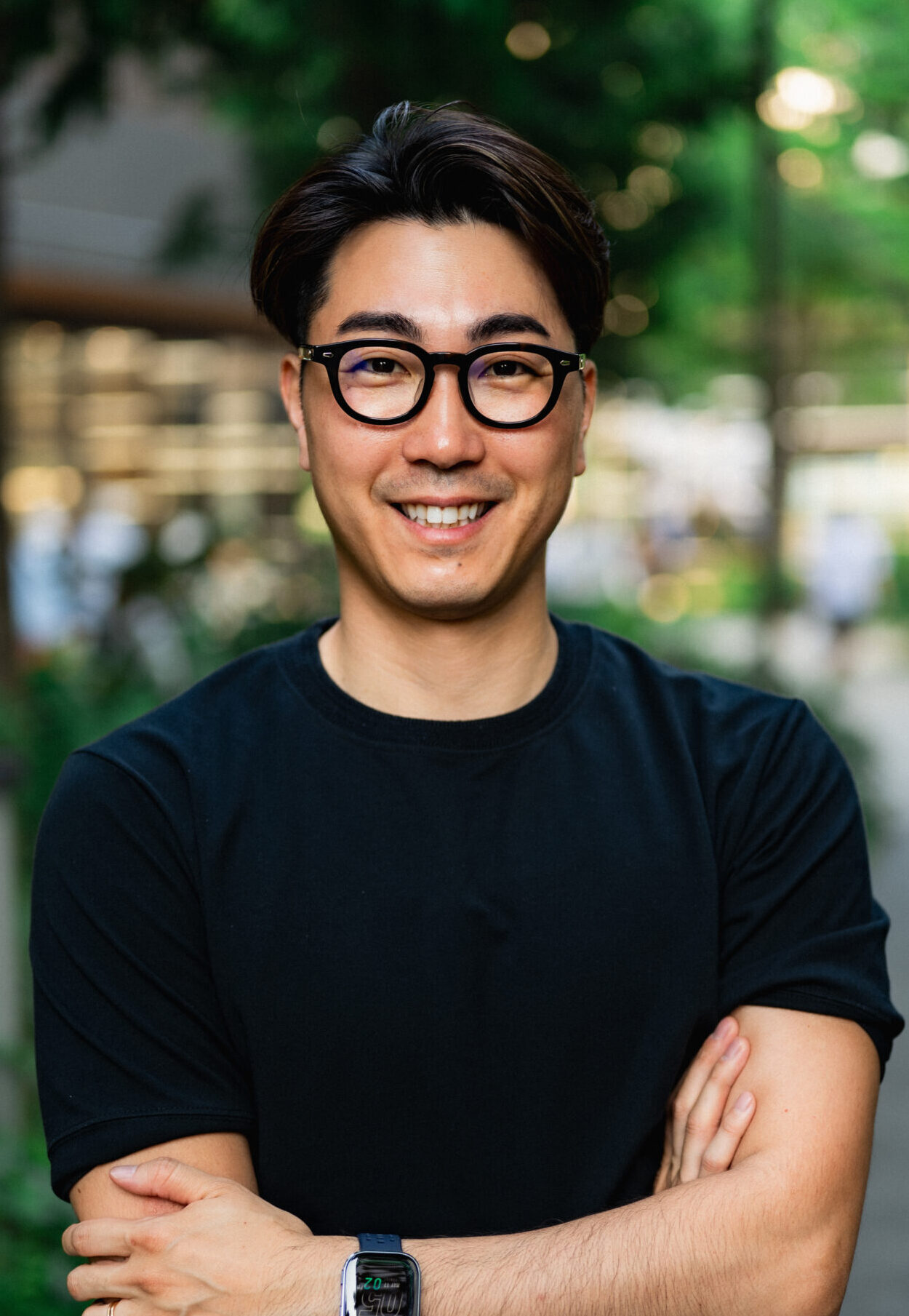
CEO / Editor-in-Chief of NERO
Kenichi Adachi
【Profile】
My journey began with a major turning point at age 19, when a severe illness left me unable to walk for nearly a year. Navigating this profound health crisis inside a university hospital sparked a lifelong desire to dedicate my life to healthcare and helping others. Driven by this firsthand experience, I committed myself to rigorous study, successfully obtaining my Japanese nursing license and working in the acute care setting within the High Care Unit (HCU) at a premier university hospital.
While working on the frontlines of critical care, I confronted systemic challenges regarding nursing autonomy in Japan. Driven by a desire to transform the profession, I moved to the United States alone. I graduated with a Bachelor of Science in Nursing (BSN) in Los Angeles and successfully secured my U.S. Registered Nurse (RN) license. It was there that I discovered "Lifestyle Medicine" and was deeply inspired by the public's proactive commitment to wellness—a revelation that fundamentally reshaped my view of healthcare.
Upon returning to Japan, I spent five years expanding preventative and regenerative medicine initiatives nationwide, designing operational systems and training healthcare professionals in functional medicine and nutritional therapy. Witnessing Japan's gap in health literacy and the barriers to private healthcare, I realized that true systemic change required business innovation.
This realization led me to pursue an MBA from the GLOBIS University Graduate School of Management. Today, leveraging my unique background, I founded RADIEN Inc. and launched NERO—a medical media platform dedicated to beauty and health. My mission is to build a society where everyone has the tools and literacy to autonomously cultivate their own health and well-being.
【Career】
* 2009 – Staff Nurse, HCU (High Care Unit), The Jikei University Kashiwa Hospital
* 2013 – Gained diverse clinical experience across multiple hospitals in the Kanto region through a flexible, independent approach to nursing
* 2014 – Relocated to the Philippines for two years of intensive, immersive English language studies
* 2017 – Graduated from Angeles College, USA (Earned BSN / Obtained U.S. RN License)
* 2019 – Joined a healthcare support enterprise specializing in functional medicine and molecular nutrition upon returning to Japan
* 2020 – Prepared for the Family Nurse Practitioner (FNP) graduate program at Hawaii Pacific University (pivoted to domestic operations due to global pandemic restrictions)
* 2024 – Graduated with an MBA from GLOBIS University Graduate School of Management; Founded RADIEN Inc. and launched "NERO"