Dermatology in Japan blends rigorous medical standards with a beauty-focused culture.
If you’re unfamiliar with how it works, this guide explains how to access care, what treatments to expect, and how to evaluate results realistically.
It covers insurance basics, appointments, diagnostics, therapies, pricing, and smart ways to choose a clinic and interpret Before & After photos.


INDEX
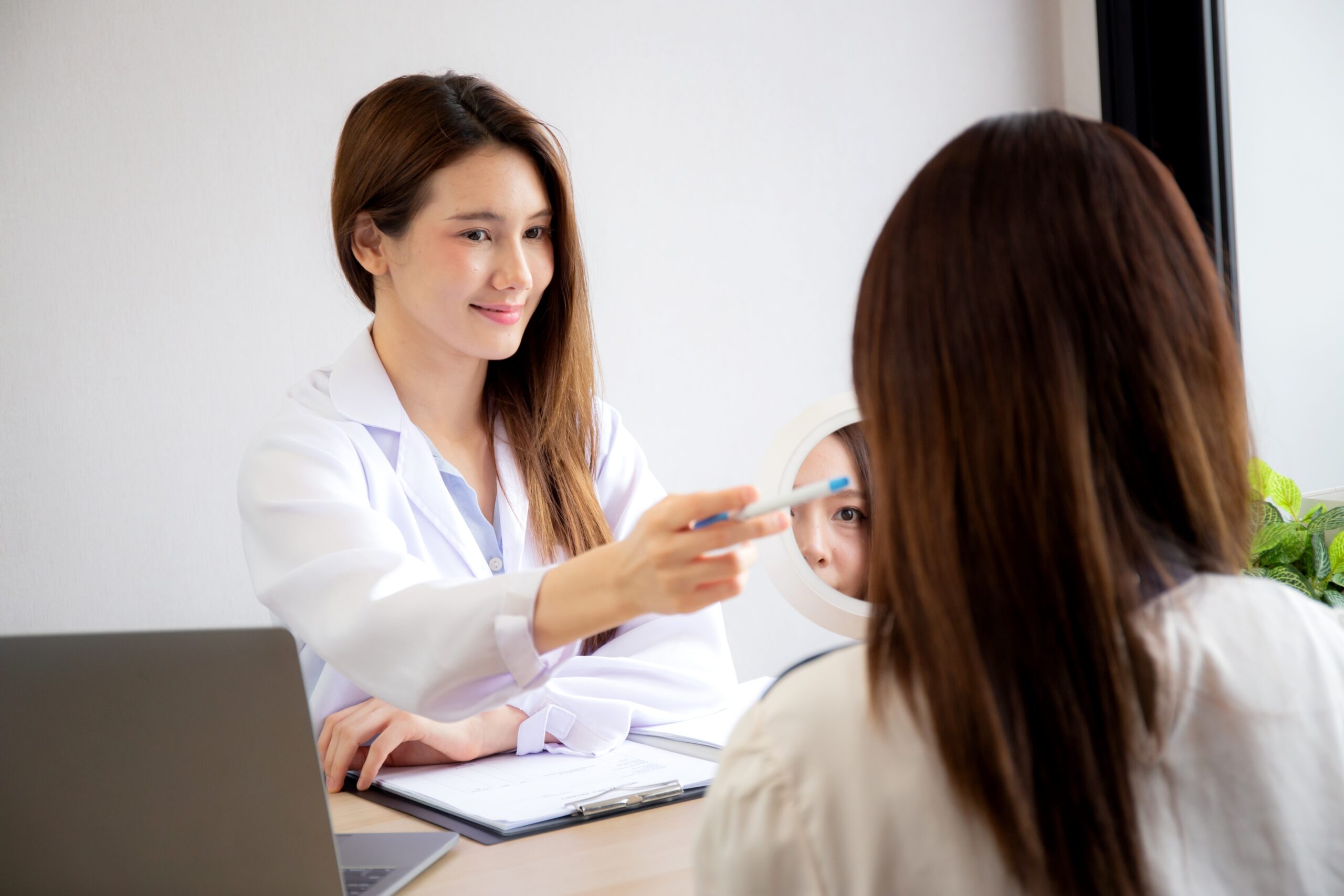
How the System Works
Most residents are enrolled in National Health Insurance (NHI) or Employees’ Health Insurance.
Neighborhood dermatology clinics often accept walk-ins, while large hospitals usually prefer a referral letter and may charge an additional first-visit fee.
Bring your insurance card, ID, a list of medications, and clear smartphone photos of flare-ups.
In major cities like Tokyo, Osaka, and Fukuoka, English-speaking staff are increasingly available.
A typical visit includes:
- Registration and medical history
- Examination with dermoscopy and any necessary tests
- A treatment plan covering prescriptions or procedures, skincare guidance, and follow-up timing
Common Conditions and Seasonal Patterns
Japan’s humid summers promote acne, folliculitis, fungal infections, and heat rash.
Dry winters often worsen atopic dermatitis, hand eczema, and xerosis.
Pigmentation concerns—including melasma and lentigines—are common across skin types.
Sun protection is a cultural norm: lightweight SPF 50+, UV umbrellas, hats, and sleeves.
J-beauty skincare emphasizes gentle, lightly-scented or fragrance-free products.
Treatment & Costs: Technology, Procedures, and Insurance
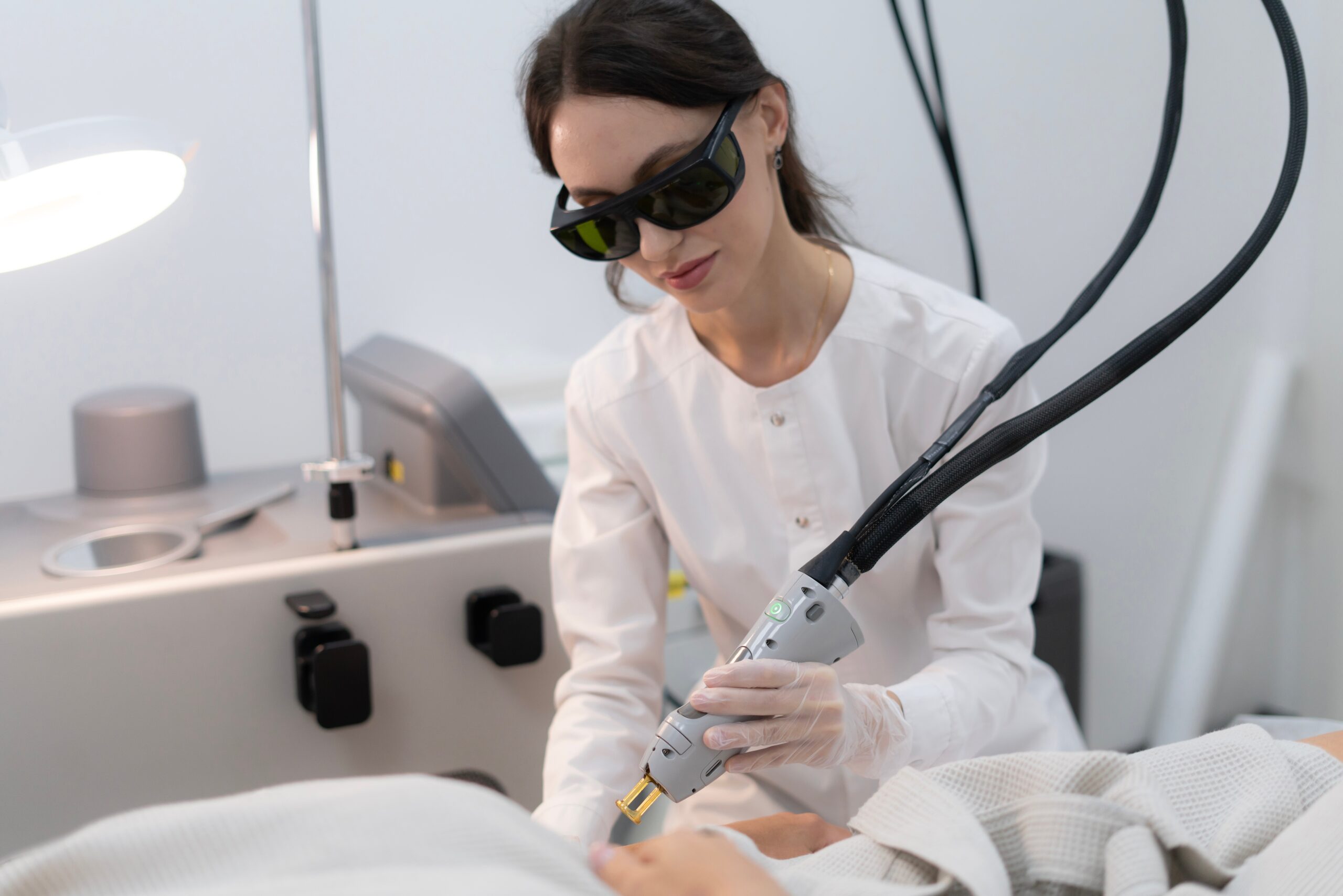
Diagnostics and Technology
Clinicians routinely use dermoscopy, Wood’s lamp, KOH prep, cultures, and biopsies when needed.
Phototherapy options—narrow-band UVB, excimer lasers—are widely available.
Many clinics also offer comprehensive laser suites, including picosecond, Nd:YAG, CO₂, vascular devices, and IPL.
Teledermatology is expanding for renewals and follow-up care.
Common Treatments
Treatment options in Japan generally follow international guidelines, with some variations in prescribing practices and availability.
Prescription and Systemic Therapies
Retinoids, benzoyl peroxide, azelaic acid, topical antibiotics, topical steroids with step-down protocols, calcineurin inhibitors; oral antihistamines, antibiotics, antifungals, isotretinoin; and biologics or JAK inhibitors prescribed by specialists.
Procedures and Aesthetic Care
Cryotherapy, chemical peels, microneedling, and targeted laser treatments.
Expect counseling on pigmentation risks, downtime, and maintenance schedules.
Costs and Insurance Tips
With NHI, patients usually pay a 30% co-pay for medically necessary visits and tests.
Typical insured fees include:
- First consultation: ¥1,000–¥2,000
- Patch testing: ¥1,000–¥3,000
- Phototherapy: ¥500–¥1,500
Cosmetic procedures such as lasers and peels are private-pay, typically ¥10,000–¥40,000+ per session.
Request a written estimate and expected session count before beginning any aesthetic treatment.
Patient Guide: Choosing the Right Clinic & Interpreting Results
Choosing a Clinic
Look for:
- A board-certified dermatologist
- Transparent pricing and multilingual support
- Clear printed instructions and follow-up schedules
- Evidence-based care (dermoscopy, patch testing) with a structured treatment plan
Red Flags
- Guaranteed outcomes or overly dramatic images without proper context
- Hard selling of large cosmetic bundles
- No discussion of risks, contraindications, aftercare, or maintenance
- Reading Before & After Photos Critically
Reading Before & After Photos Critically
- Consistent lighting and camera angles, with bare skin shown without makeup or filters
- Clear timeframes and disclosure of typical—not exceptional—results
- Realistic depiction of overall improvement patterns, not just isolated best results
Conclusion
When approached thoughtfully, dermatology in Japan offers precise diagnosis, modern technology, and measured aesthetics.
Use your insurance wisely, track symptoms with consistent photos, choose transparent clinics, and evaluate Before & After images carefully to align your care with both medical and beauty goals.
| ・This website provides general knowledge about aesthetic medicine from a neutral perspective as much as possible. Please note that the information is not intended to encourage self-diagnosis. Be sure to check the official website of the clinic and consult each medical institution for details regarding treatment. ・This article is based on information available at the time of writing and publication. Please check the official website for the latest updates. ・If cosmetics or massage-related content is mentioned, it is not within the scope of medical supervision. |