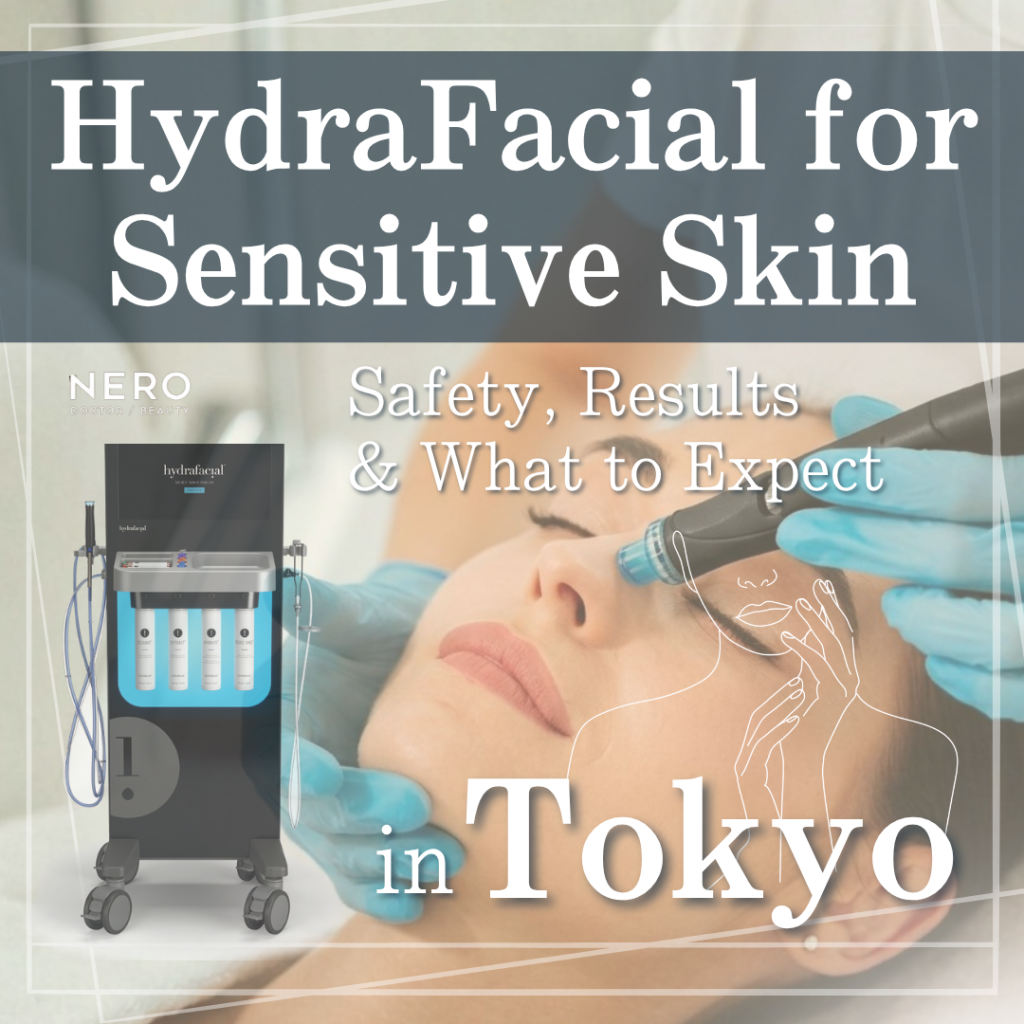
Sensitive skin requires a different level of care — and if you’re considering a HydraFacial in Tokyo, you may be wondering whether the treatment is appropriate for your skin type. The short answer is yes, but the longer answer is more nuanced, and understanding the details will help you get the most from your experience.
This guide is written specifically for international patients with sensitive skin who are considering HydraFacial in Tokyo — covering safety, what to expect, and how to choose the right clinic.


Is HydraFacial Safe for Sensitive Skin?

HydraFacial is widely regarded as one of the most skin-inclusive aesthetic treatments available. Unlike more aggressive procedures such as chemical peels or laser resurfacing, HydraFacial uses a gentler, multi-step approach that can be customized to suit individual skin sensitivities.
That said, not all HydraFacial protocols are identical, and the experience of the practitioner and the quality of the consultation matter significantly — particularly for sensitive skin types.
Why HydraFacial Tends to Work Well for Sensitive Skin
Several characteristics of HydraFacial make it well-suited to reactive or easily irritated skin:
- Controlled exfoliation — the treatment avoids the harsh mechanical scrubbing that can trigger inflammation in sensitive skin
- Adjustable intensity — the acid peel step uses a mild glycolic and salicylic acid blend, and the concentration can be reduced or skipped entirely based on skin tolerance
- Simultaneous hydration — unlike treatments that strip the skin barrier, HydraFacial infuses moisture and antioxidants throughout the process, supporting rather than compromising the skin’s protective layer
- No heat or trauma — HydraFacial does not use lasers, radiofrequency, or any form of thermal energy, eliminating a common trigger for sensitive skin reactions
When to Exercise Caution
HydraFacial is not recommended during an active flare of conditions such as rosacea, eczema, or contact dermatitis. If your skin is currently inflamed, broken, or highly reactive, it is advisable to wait until the skin has calmed before proceeding. Always disclose your full skin history during your pre-treatment consultation.
Understanding Sensitive Skin in an Aesthetic Context
Sensitive skin is not a single condition — it is an umbrella term that covers a range of presentations, including:
- Reactive skin — skin that flushes, stings, or reddens easily in response to products, temperature changes, or environmental factors
- Skin barrier dysfunction — a compromised outer skin layer that allows irritants to penetrate more easily
- Diagnosed conditions — rosacea, perioral dermatitis, seborrheic dermatitis, or mild eczema
- Post-procedure sensitivity — skin that has been sensitized by previous aggressive treatments
Each of these requires a slightly different approach within the HydraFacial protocol. A skilled practitioner will assess your skin type carefully before making any protocol adjustments.
What to Expect During a HydraFacial if You Have Sensitive Skin

The Consultation
Before treatment begins, your practitioner should conduct a thorough skin assessment. Be prepared to share:
- Your skin type and any diagnosed skin conditions
- Products currently in your skincare routine
- Any previous reactions to aesthetic treatments or topical ingredients
- Current medications, including retinoids or prescription topicals
This information allows the practitioner to adjust the protocol appropriately — including modifying the peel step, selecting gentler booster serums, and applying additional calming agents if needed.
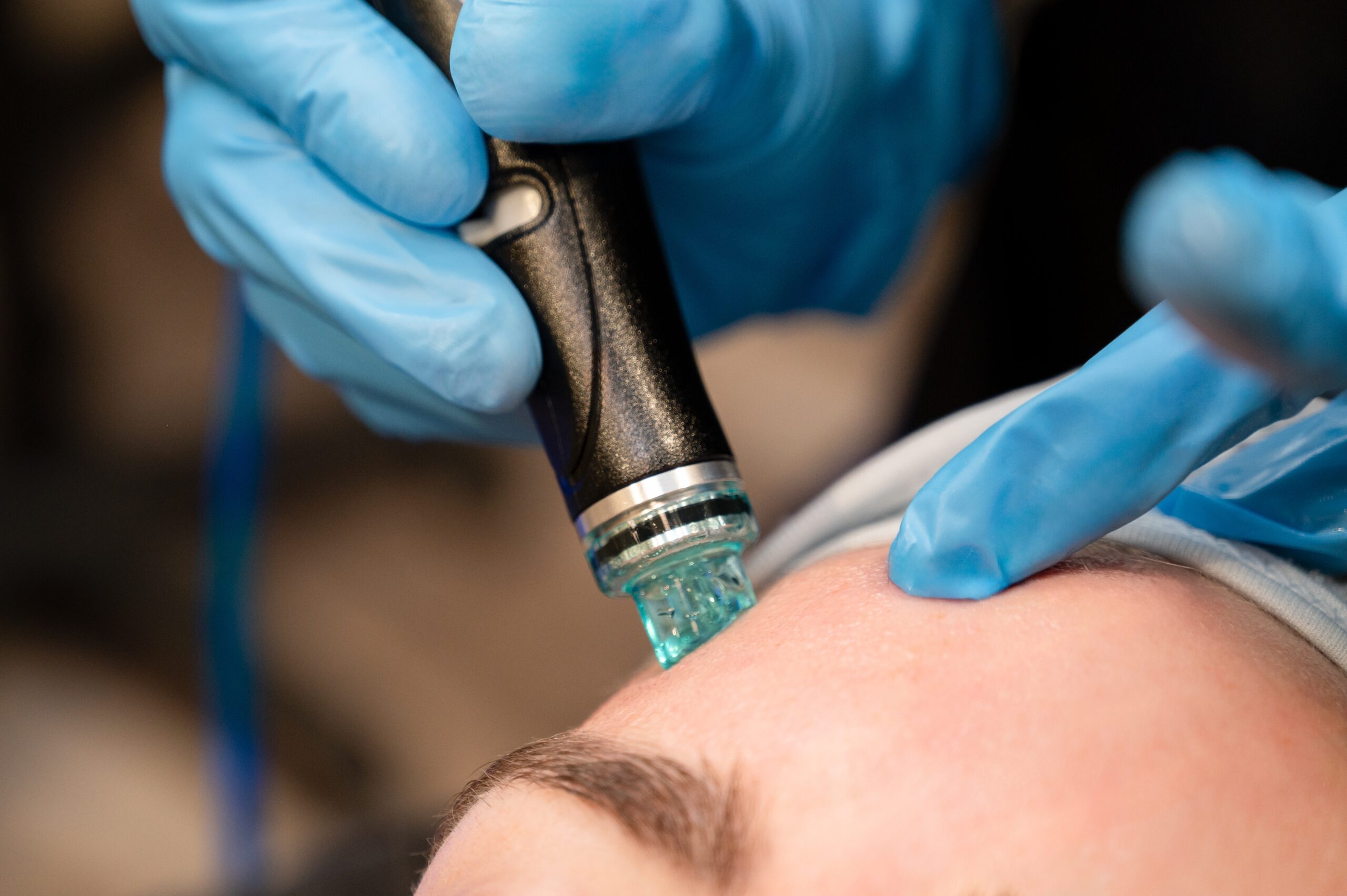
During the Treatment
For sensitive skin, you can generally expect:
- A lighter touch during the exfoliation phase
- A reduced-strength or skipped acid peel
- Selection of calming, barrier-supportive serums rather than active-heavy boosters
- Closer monitoring of skin response throughout the session
The treatment itself should not be painful. You may experience a mild tingling sensation during the peel phase, but significant discomfort is not normal and should be communicated to your practitioner immediately.
Immediately After Treatment
Some degree of temporary redness or flushing is common after HydraFacial, including in non-sensitive skin types. For those with sensitive skin, this may be slightly more pronounced but typically subsides within a few hours.
You may notice:
- Mild redness or warmth in the skin for two to four hours post-treatment
- Slight tightness as the skin adjusts
- A visible improvement in hydration and brightness even on the day of treatment
In the Days Following Treatment
Sensitive skin may require a simplified skincare routine for the first 48 to 72 hours after HydraFacial. Your clinic should provide specific aftercare guidance, but general recommendations include:
- Avoiding active ingredients such as retinoids, AHAs, and BHAs for at least 48 hours
- Using a gentle, fragrance-free moisturizer
- Applying broad-spectrum SPF daily
- Avoiding heat exposure — saunas, hot showers, and steam rooms — for 24 to 48 hours
Choosing the Right Clinic in Tokyo for Sensitive Skin
For international patients with sensitive skin, clinic selection is particularly important. A few key considerations:
Practitioner Experience with Sensitive Skin
Ask directly whether the practitioner has experience treating sensitive or reactive skin types. Request examples of how they adjust the HydraFacial protocol for patients with skin sensitivities.
English Communication
Clear communication is especially critical for sensitive skin patients, where accurate disclosure of your skin history directly affects the safety and outcome of your treatment. Confirm that the clinic has English-speaking staff or reliable interpreter support before booking.
Willingness to Customize
A reputable clinic will not apply a one-size-fits-all protocol to every patient. If a clinic is unwilling to discuss protocol adjustments for your specific skin concerns, consider it a warning sign.
Post-Treatment Support
Find out how the clinic handles post-treatment concerns.
Having a point of contact — ideally English-speaking — in the days following your treatment provides important reassurance, particularly if you experience any unexpected skin reactions.
Where to Get HydraFacial for Sensitive Skin in Tokyo
Looking for clinics in Tokyo that offer HydraFacial? You can find detailed treatment information and clinic options for HydraFacial in Tokyo to help you compare and make an informed decision in the article blow.
Frequently Asked Questions
Can I get HydraFacial if I have rosacea?
HydraFacial can be appropriate for rosacea-prone skin when the protocol is adjusted accordingly — typically omitting or reducing the acid peel step and focusing on calming, barrier-supportive serums.
However, it should not be performed during an active rosacea flare. Always disclose your condition during the consultation.
Will HydraFacial make my sensitive skin worse?
When performed correctly and with an appropriate protocol adjustment, HydraFacial should not worsen sensitive skin. In fact, many patients with sensitive skin report improved barrier function and reduced reactivity over a course of treatments.
The key is ensuring your practitioner is aware of your skin concerns before treatment begins.
How soon can I see results?
Most patients notice improved hydration and brightness immediately after their session. For sensitive skin types, these improvements can feel particularly significant, as the treatment supports rather than disrupts the skin barrier.
How many sessions do I need?
For sensitive skin, starting with a single session and assessing your skin’s response before committing to a course is a sensible approach.
Many patients go on to complete two to three sessions spaced four to six weeks apart for more sustained improvement.
What should I tell my practitioner before the treatment?
Share your full skin history — including any diagnosed conditions, current medications, recent treatments, and product sensitivities. The more context your practitioner has, the better they can tailor the protocol to your skin.
Final Thoughts
HydraFacial is one of the few aesthetic treatments genuinely well-suited to sensitive skin — but the experience depends heavily on the skill of the practitioner and the quality of the consultation.
For international patients in Tokyo, finding a clinic that takes the time to understand your skin, communicates clearly in English, and is willing to customize the protocol is the most important step you can take.
| ・This website provides general knowledge about aesthetic medicine from a neutral perspective as much as possible. Please note that the information is not intended to encourage self-diagnosis. Be sure to check the official website of the clinic and consult each medical institution for details regarding treatment. ・This article is based on information available at the time of writing and publication. Please check the official website for the latest updates. ・If cosmetics or massage-related content is mentioned, it is not within the scope of medical supervision. |