Hair loss affects patients across every demographic — and for international patients living in or visiting Japan, finding appropriate, English-friendly clinical care can feel like an additional barrier on top of an already frustrating condition.
The good news is that Japan offers a comprehensive range of hair loss treatments, including some that are earlier to market here than in other countries.
The challenge is knowing where to look and how to navigate a system that primarily serves Japanese speakers.
This guide covers the full landscape of hair loss treatment available in Japan — every major option, how each works, what it costs, and how to find the right clinic as a foreign patient.


Understanding Hair Loss: Types and Causes

Effective treatment begins with accurate diagnosis.
Hair loss is not a single condition — it encompasses a wide range of presentations with different underlying mechanisms, and treatment that works for one type may be ineffective or even counterproductive for another.
Androgenetic Alopecia (Male and Female Pattern Hair Loss)
The most common form of hair loss globally, androgenetic alopecia is driven by genetic sensitivity of hair follicles to dihydrotestosterone (DHT).
In men, it typically presents as a receding hairline and thinning at the crown.
In women, it presents as diffuse thinning across the top of the scalp, often with preservation of the frontal hairline.
Alopecia Areata
An autoimmune condition in which the immune system attacks hair follicles, causing patchy hair loss that can occur anywhere on the scalp or body.
It can progress to total scalp hair loss (alopecia totalis) or complete body hair loss (alopecia universalis) in more severe cases.
Telogen Effluvium
Diffuse shedding triggered by a physiological stressor — including illness, surgery, significant weight loss, hormonal changes (including postpartum), nutritional deficiency, or severe psychological stress.
Hair loss typically begins two to three months after the triggering event and resolves once the underlying cause is addressed.
Traction Alopecia
Hair loss caused by repeated tension on the hair follicles from tight hairstyles.
Reversible in early stages; can become permanent if the traction continues long-term and follicular scarring occurs.
Scarring Alopecias
A group of conditions in which inflammation destroys hair follicles and replaces them with scar tissue.
Because the follicles are permanently destroyed, early diagnosis and aggressive management are critical.
This group requires specialist dermatological assessment.
Hair Loss Treatment Options in Japan
Minoxidil
Minoxidil is the most widely available hair loss treatment in Japan and is accessible both over the counter and in prescription-strength formulations through clinics.
It works by prolonging the anagen (growth) phase of the hair cycle and improving blood flow to the follicular unit.
Available as:
- Topical solution or foam (2% and 5%) — applied once or twice daily to the scalp
- Oral minoxidil — a low-dose oral formulation increasingly prescribed by Japanese
hair loss clinics for patients who find topical application inconvenient or who achieve stronger results systemically
Minoxidil is appropriate for both male and female pattern hair loss.
Results require consistent daily use — discontinuation leads to shedding of hair gained during treatment.
Finasteride and Dutasteride
Finasteride (1mg daily) and dutasteride (0.5mg daily) are oral 5-alpha reductase inhibitors that reduce DHT levels, slowing or halting androgenetic alopecia progression and promoting regrowth in many patients.
Both are available in Japan through specialist hair loss clinics and dermatology practices.
Japan was notably one of the earlier markets to approve dutasteride specifically for androgenetic alopecia, and its use is well-established here.
Important considerations:
- For use in biological males only for hair loss indication
- Associated with sexual side effects in a minority of patients
- Not appropriate for women of childbearing potential due to teratogenic risk
- Require ongoing use — discontinuation leads to return of hair loss
PRP (Platelet-Rich Plasma) Hair Treatment
PRP hair treatment involves processing the patient’s own blood to concentrate platelets and growth factors, which are then injected directly into the scalp to stimulate dormant follicles and extend the growth phase of the hair cycle.
PRP is one of the more well-supported non-pharmacological interventions for androgenetic alopecia and telogen effluvium.
It is widely available at specialist hair clinics and aesthetic practices across Tokyo.
A typical course involves three to four sessions spaced four to six weeks apart, followed by maintenance sessions every six to twelve months.
Low-Level Laser Therapy (LLLT)
LLLT uses specific wavelengths of red or near-infrared light to stimulate mitochondrial activity within hair follicle cells, improving cellular energy and follicular function.
It is available both as an in-clinic treatment and as a home device (laser caps and combs).
LLLT is most effective as a complement to other treatments — including minoxidil and finasteride — rather than as a standalone intervention.
It is well tolerated, painless, and suitable for most patients, including those who cannot use pharmaceutical treatments.
Mesotherapy and Hair Boosters
Mesotherapy for hair loss involves injecting a cocktail of vitamins, minerals, amino acids, and growth factors directly into the scalp to improve the follicular environment and stimulate growth.
It is widely offered at Japanese aesthetic clinics and is particularly popular as an adjunct to PRP or as a standalone treatment for patients with milder concerns.
Stem Cell and Exosome Treatments
Emerging treatments using stem cell-derived growth factors or exosomes — extracellular vesicles that carry signalling molecules between cells — are becoming increasingly available at specialist hair clinics in Japan.
These represent the frontier of regenerative hair medicine and show promising results in early clinical data, though long-term evidence is still accumulating.
Hair Transplant Surgery
Hair transplant surgery permanently relocates hair follicles from donor areas (typically the back and sides of the scalp) to thinning or bald areas.
The two primary techniques available in Japan are:
- FUE (Follicular Unit Extraction) — individual follicles are extracted one by one using a micro-punch, leaving no linear scar. The most widely performed technique at specialist hair transplant clinics in Japan
- FUT (Follicular Unit Transplantation) — a strip of scalp is removed from the donor area and follicles are dissected from it. Allows for larger graft numbers in a single session but leaves a linear donor scar
Hair transplant surgery produces permanent results in the transplanted area and is the only treatment that physically restores hair density where significant loss has already occurred.
It requires a stable donor supply and is most appropriate for patients with established, rather than actively progressing, hair loss.
Medications for Alopecia Areata
Management of alopecia areata differs from androgenetic alopecia and requires specialist dermatological input.
Treatment options available in Japan include:
- Topical corticosteroids — first-line treatment for mild to moderate patchy alopecia areata
- Intralesional corticosteroid injections — more effective for localised patches, administered by a dermatologist
- JAK inhibitors (baricitinib, ritlecitinib) — a newer class of oral medications with significant efficacy in severe alopecia areata. Availability in Japan is evolving; specialist centres are the most reliable source
Hair Loss Treatment Costs in Japan
Estimated Pricing
| Treatment | Estimated Cost (JPY) |
| Minoxidil (topical, monthly) | ¥2,000 – ¥8,000 |
| Oral minoxidil (monthly) | ¥3,000 – ¥10,000 |
| Finasteride (monthly) | ¥3,000 – ¥8,000 |
| Dutasteride (monthly) | ¥5,000 – ¥12,000 |
| PRP (per session) | ¥30,000 – ¥80,000 |
| Mesotherapy (per session) | ¥15,000 – ¥50,000 |
| LLLT (in-clinic, per session) | ¥5,000 – ¥20,000 |
| Hair transplant (per graft) | ¥300 – ¥800 |
| Hair transplant (full procedure) | ¥500,000 – ¥2,500,000+ |
Prices are approximate and vary by clinic, product brand, and individual treatment plan.
Always confirm current pricing directly with the clinic.
Building an Effective Hair Loss Treatment Plan

The Importance of Early Intervention
Hair follicles that have miniaturised significantly — or been dormant for an extended period — are considerably harder to revive than those in earlier stages of thinning.
Seeking treatment early, even if hair loss seems mild, preserves more options and generally produces better long-term outcomes.
Combining Treatments
The most effective hair loss management plans typically combine treatments that work through complementary mechanisms:
- Finasteride or dutasteride to halt progression
- Minoxidil to stimulate regrowth and extend the growth phase
- PRP to provide growth factor stimulus to the follicular environment
- LLLT for additional cellular energy support
- Hair transplant once hair loss has stabilised, to restore density in areas of significant thinning
No single treatment addresses all aspects of hair loss — combining approaches produces more comprehensive and durable results.
Maintenance
Hair loss is a chronic, progressive condition for most patients.
Treatment plans need to be sustained over the long term to maintain results.
Patients who discontinue treatment — even after achieving significant improvement — will typically experience a return of loss within months.
What Foreigners Need to Know About Hair Loss Treatment in Japan

Language and Communication
Hair loss consultations require detailed history-taking — when loss began, family history, associated health changes, medications, and previous treatments.
This level of nuance requires clear communication.
Prioritise clinics with English-speaking physicians or reliable interpreter support, and prepare a written summary of your hair loss history and any previous treatments to bring to the consultation.
Continuing Existing Treatment
If you are already using finasteride, dutasteride, or minoxidil prescribed in your home country, a Japanese doctor can typically continue your prescription after a consultation.
Bring your existing medication packaging and any relevant documentation from your home prescriber to support a smooth handover.
Hair Transplant Tourism
Japan has attracted international patients for hair transplant surgery — particularly from other Asian markets — due to the combination of clinical quality, FUE technique expertise, and competitive pricing relative to some Western markets.
International patients considering hair transplant surgery should plan for a minimum two-week stay to allow for the procedure and initial recovery period.
NHI Coverage
Treatments for androgenetic alopecia are not covered by Japan’s national health insurance system.
Some treatments for alopecia areata may be partially covered through dermatology — long-term residents enrolled in NHI should confirm coverage at the time of consultation.
Hair Loss Treatment Japan: English-Friendly Tokyo Clinics for Thinning Hair
From stem-cell scalp therapy to oral and topical medication, Tokyo clinics offer a range of approaches for both men and women. Here’s what three clinics say about their own hair-loss care.
BIANCA CLINIC
Source:BIANCA CLINIC
A Clinic Designed for International Patients
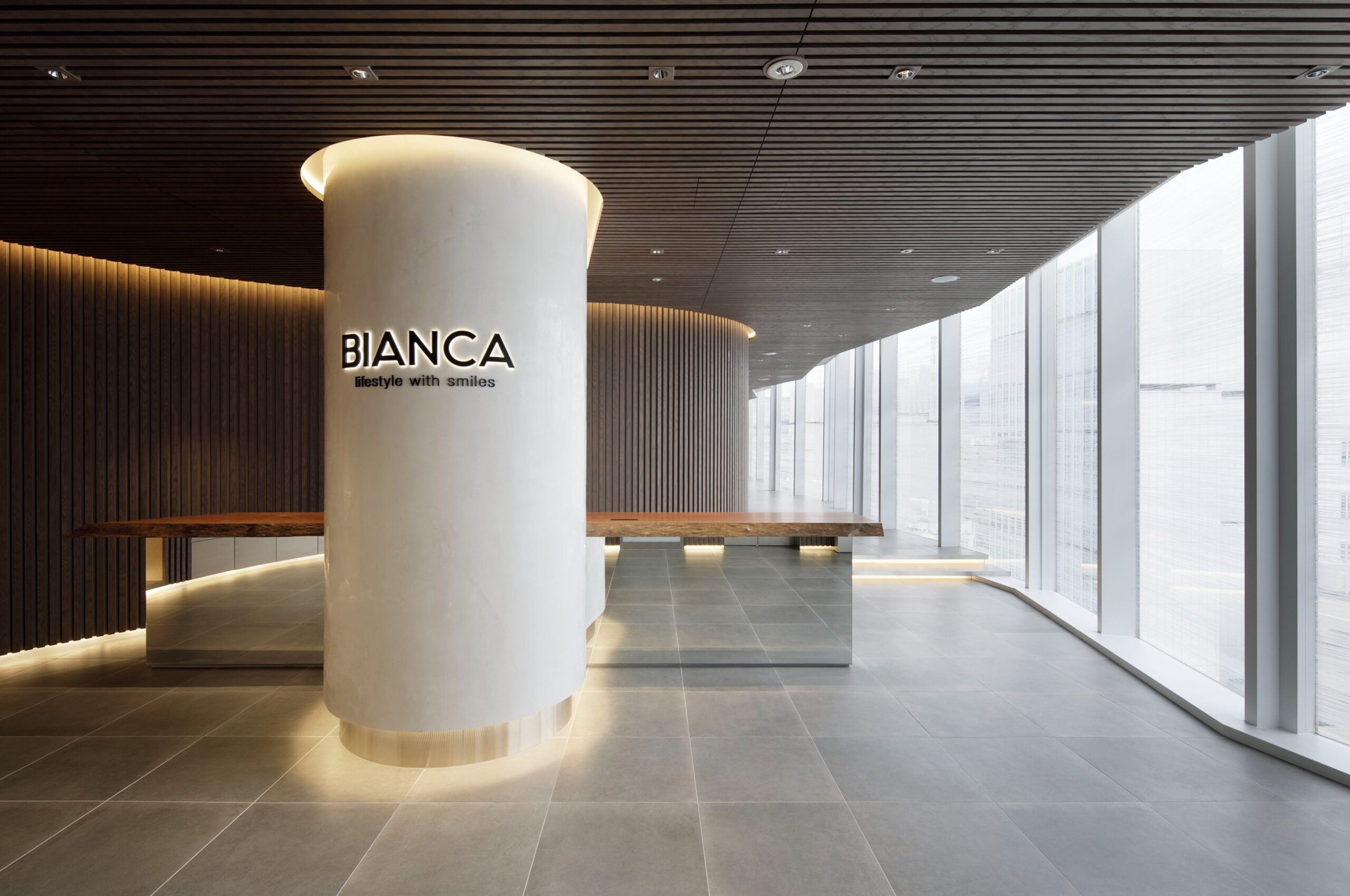
Located in central Tokyo, BIANCA CLINIC welcomes overseas visitors with multilingual staff members who guide patients through each step of treatment, helping ensure clear communication throughout the visit.
Individualized Care From Stem-Cell Therapy to Scalp Cooling
The clinic’s BIANCA METHODS approach addresses concerns such as pattern hair loss, postpartum shedding, and stress-related hair loss. Options include scalp injections using a cytokine-rich stem-cell supernatant, and TargetCool CO2 cryotherapy, which the clinic states is intended to help support scalp circulation.
English Support
Free interpretation is offered, and international patients can also reach the clinic via WhatsApp at any time; messages are answered during clinic hours.
How to Book
Reservations can be made via the online booking form or WhatsApp.
BIANCA CLINIC
hair loss treatment
| Address | Ginza: 12F ONE GINZA, 1-8-19 Ginza, Chuo-ku, Tokyo BIANCA Cosmetic Surgery & Medical Spa (Omotesando): Minami-Aoyama 511 Building, 5-11-10 Minami-Aoyama, Minato-ku, Tokyo |
| Phone Number | Ginza: +81-50-3196-4834 BIANCA Cosmetic Surgery & Medical Spa (Omotesando): +81-50-1807-1593 |
| Business Hours | 10:00 AM –7:00 PM |
| Holiday | Irregular |
| Access | Ginza: A 4-minute walk from Ginza Station on the Tokyo Metro Ginza Line. A 1-minute walk from Exit 7 of Ginza-itchome Station on the Tokyo Metro Yurakucho Line. A 3-minute walk from Exit 3 of Kyobashi Station on the Tokyo Metro Ginza Line. An 8-minute walk from the Kyobashi Exit of JR Yurakucho Station. BIANCA Cosmetic Surgery & Medical Spa (Omotesando): A 5-minute walk from Omotesando Station, Exit B1 |
AZABU SKIN CLINIC
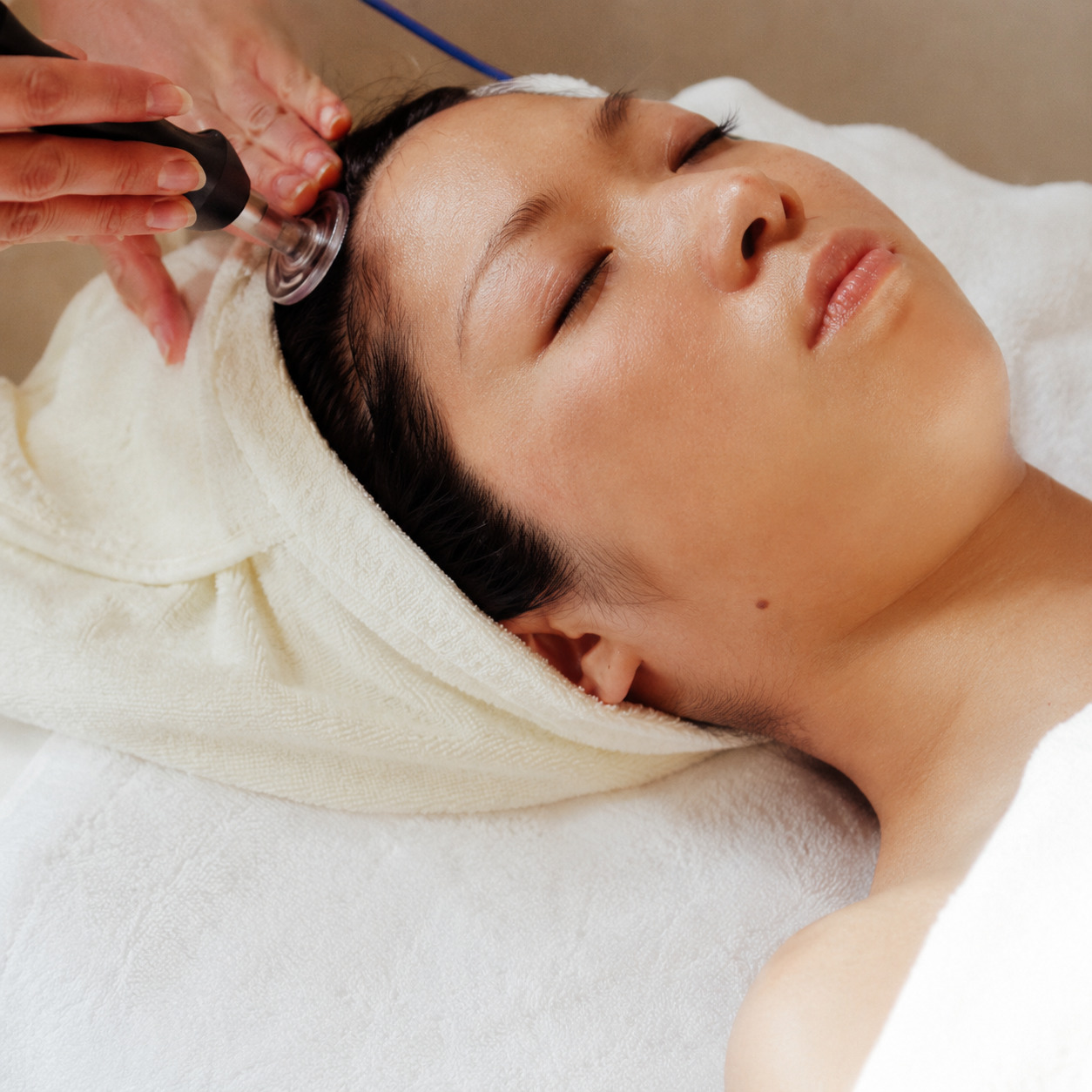
A Long-Established Dermatology Clinic Near Hiroo Station
Azabu Skin Clinic has been directed by Dr. Chiaki Kawashima since 2002, and the clinic states it was founded in part to support foreign residents seeking medical care in English.
AGA Care From Oral Medication to PRP
Treatment options may include approved oral and topical medications, as well as therapies such as PRP (platelet-rich plasma).
Specific treatment options, including off-label therapies, are determined after a detailed consultation regarding suitability and potential risks.
English Support
An English-language website and a free e-mail consultation form are available.
How to Book
Book via the online consultation form or by phone.
AZABU SKIN CLINIC
hair loss treatment
| Address | 6F Precious#18 Building, 4-14-6 Minami-Azabu, Minato-ku, Tokyo |
| Phone Number | 0120-890-992 |
| Business Hours | 10:00 AM – 7:00 PM (Wed 11:00 AM – 8:00 PM) |
| Holiday | Closed Mondays & Tuesdays |
| Access | 6-minute walk from Hiro-o Station (Tokyo Metro Hibiya Line, Exit 1) |
ELM CLINIC
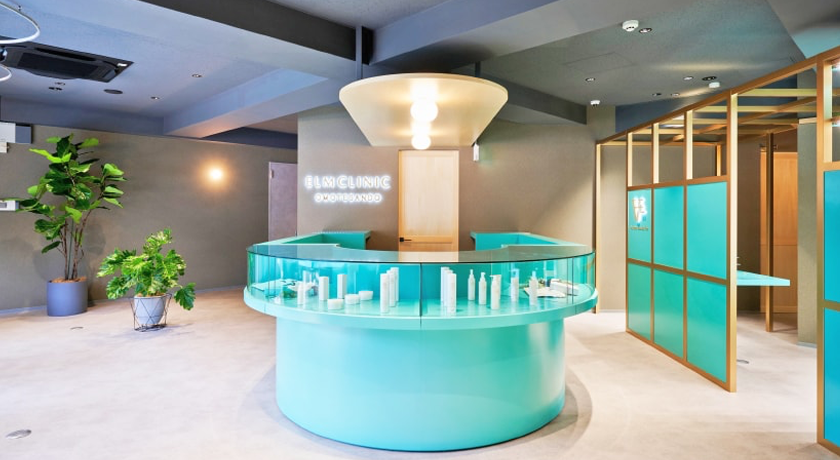
source: Elm Clinic
A Nationwide Cosmetic Dermatology Chain Offering Hair Loss Treatment at Select Locations
Elm Clinic offers hair loss treatment at seven locations nationwide — Omotesando, Kyoto, Osaka, Hiroshima, Okayama, Fukuoka, and Kumamoto — and consultations begin with a roughly 30-minute session covering lifestyle, diet, and medical history before any treatment is decided.
The clinic notes that the specific options available can vary by location.
Oral and Topical Options for Hair Loss
Options include oral medications such as Zagaro (dutasteride), Propecia (finasteride), and oral Minoxidil (used off-label in some cases), as well as topical treatments such as Velartis and Pantostin; availability varies by branch.
English Support
The site offers machine-translated English pages; the clinic notes its staff do not speak foreign languages and recommends contacting it through the website’s contact form or LINE for smoother communication.
How to Book
Use the English-language contact form or LINE to arrange a visit.
ELM CLINIC
hair loss treatment
| Address | ELM CLINIC (Omotesando-in) 2F, 5-8-1 Minami-Aoyama, Minato-ku, Tokyo |
| Phone Number | 03-5962-6095 |
| Business Hours | 9:30 AM–6:30 PM |
| Holiday | Irregular holidays *Business hours and holidays vary by branch, so please confirm the details for your preferred location before booking. |
| Access | 2-minute walk from Omotesando Station (Tokyo Metro), Exit B1/B3 |
Frequently Asked Questions
Which hair loss treatment is most effective?
For androgenetic alopecia, the combination of finasteride (or dutasteride) and minoxidil has the strongest evidence base for halting progression and stimulating regrowth.
For patients with significant established loss, hair transplant surgery is the only treatment that restores density permanently.
The most appropriate treatment depends on the type, severity, and stage of hair loss — accurate diagnosis is the essential first step.
Can women use the same hair loss treatments as men?
Some treatments are shared — minoxidil is effective for both male and female pattern hair loss.
Others differ significantly: finasteride and dutasteride are not recommended for women of childbearing potential.
Female hair loss also frequently involves hormonal factors that benefit from different management approaches, including anti-androgen therapy.
A consultation with a practitioner experienced in female hair loss is important for appropriate treatment selection.
How long does it take to see results?
This varies considerably by treatment.
Minoxidil and finasteride typically require three to six months of consistent use before meaningful improvement is visible.
PRP results develop over two to three months following each session.
Hair transplant results require twelve to eighteen months to fully mature as transplanted follicles grow through their natural cycle.
Is hair loss treatment in Japan different from other countries?
The core treatments — minoxidil, finasteride, dutasteride, PRP, LLLT, and hair transplant surgery — are consistent globally.
Japan was an early adopter of dutasteride for androgenetic alopecia and has a strong aesthetic medicine sector with broad access to PRP and mesotherapy.
The primary difference for foreign patients is navigating language barriers and understanding the Japanese prescription and clinic system.
Can I start hair loss treatment in Japan and continue at home?
Yes. For oral medications — finasteride, dutasteride, minoxidil — starting in Japan and continuing with a home-country prescription is straightforward.
Bring documentation of your Japanese prescription to support the transfer.
For clinic-based treatments such as PRP, maintaining a consistent schedule in Japan or establishing a comparable programme at home is advisable.
Final Thoughts
Japan offers one of the most comprehensive hair loss treatment environments in Asia — combining strong pharmaceutical options, well-established regenerative treatments such as PRP, and high-quality hair transplant surgery.
For international patients, the main practical challenges are language access and identifying clinics with experience treating the diversity of hair loss presentations seen in non-Japanese patient populations.
Starting early, seeking accurate diagnosis, and committing to a long-term treatment plan are the principles that produce the best outcomes — regardless of which specific treatments are involved.
With the right clinical partnership in Tokyo, effective hair loss management is well within reach for foreign patients at every stage of loss.