NMN has become one of the most talked-about compounds in the longevity and wellness space — and Japan sits at the centre of that conversation.
As one of the earliest markets to embrace NMN commercially, Japan offers both oral supplements and intravenous drip therapies through a growing number of clinics catering to health-conscious residents and international visitors alike.
But the enthusiasm surrounding NMN often outpaces the evidence.
This guide compares oral NMN supplements with clinic-administered drip therapy, explains what the current science does and does not support, and covers what international patients in Japan should understand before spending money on either.


INDEX
What Is NMN?

NMN (nicotinamide mononucleotide) is a molecule that serves as a direct precursor to NAD+ (nicotinamide adenine dinucleotide) — a coenzyme found in every cell of the body and essential for energy metabolism, DNA repair, and cellular signalling.
NAD+ levels decline naturally with age, and this decline has been associated in laboratory research with various aspects of cellular ageing.
The theory underpinning NMN supplementation is straightforward: by supplying the body with a precursor to NAD+, it may be possible to raise NAD+ levels and support the cellular functions that depend on it.
The Distinction Between Theory and Proof
It is important to be clear from the outset: the theory behind NMN is biologically plausible and supported by considerable animal research.
However, robust, long-term human evidence demonstrating meaningful anti-ageing or longevity benefits remains limited.
Much of the marketing around NMN significantly overstates what has been proven in humans.
This distinction matters when evaluating both oral supplements and drip therapy — and when assessing the claims made by clinics offering these treatments.
Oral NMN Supplements
How They Work
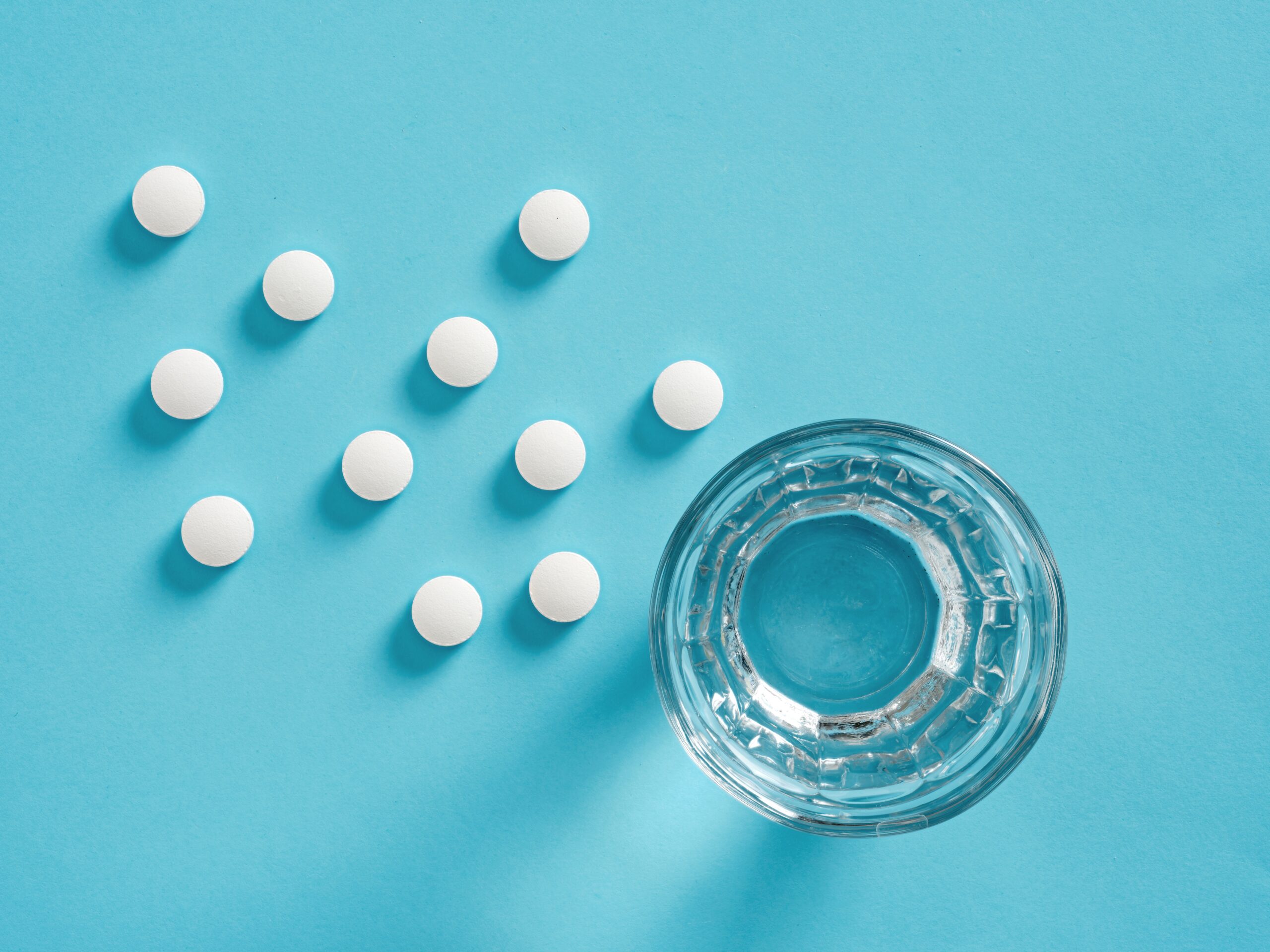
Oral NMN is taken as a capsule, tablet, or powder.
Once ingested, it must survive digestion, be absorbed through the gut, and be transported to cells where it can be converted to NAD+.
Doses in commercial products typically range from 125mg to 1,000mg per day.
NMN Supplements in Japan
Japan has a well-developed NMN supplement market, with products available across a wide range of purity levels and price points.
Japanese manufacturers were among the earliest to bring high-purity NMN to market, and “made in Japan” NMN carries a reputation for quality control that many international buyers specifically seek out.
However, supplement quality varies considerably.
Purity, actual NMN content versus labelled content, and manufacturing standards differ between products.
For patients purchasing NMN supplements in Japan, third-party tested products from reputable manufacturers are worth the premium over unverified budget options.
What the Science Says About Oral NMN
Human trials of oral NMN, while still limited, have produced some encouraging findings:
- Several studies have demonstrated that oral NMN does raise blood NAD+ levels, confirming absorption and conversion
- Some small trials have reported improvements in specific measures such as muscle insulin sensitivity, physical performance in older adults, and aspects of metabolic health
- The compound has a good safety profile in the doses studied, with no significant adverse effects reported in short-term trials
What remains unproven is whether these measurable biochemical changes translate into meaningful longevity benefits, disease prevention, or the broad “anti-ageing” effects often claimed in marketing.
Advantages of Oral Supplements
- Convenient and non-invasive — taken at home daily
- Significantly lower cost than drip therapy
- Consistent daily dosing supports stable NAD+ elevation over time
- No clinic visit required
Limitations of Oral Supplements
- Absorption is subject to the digestive process, which may reduce the proportion reaching cells
- Requires consistent long-term use for any sustained effect
- Quality and actual content vary between products
NMN and NAD+ Drip Therapy
How It Works
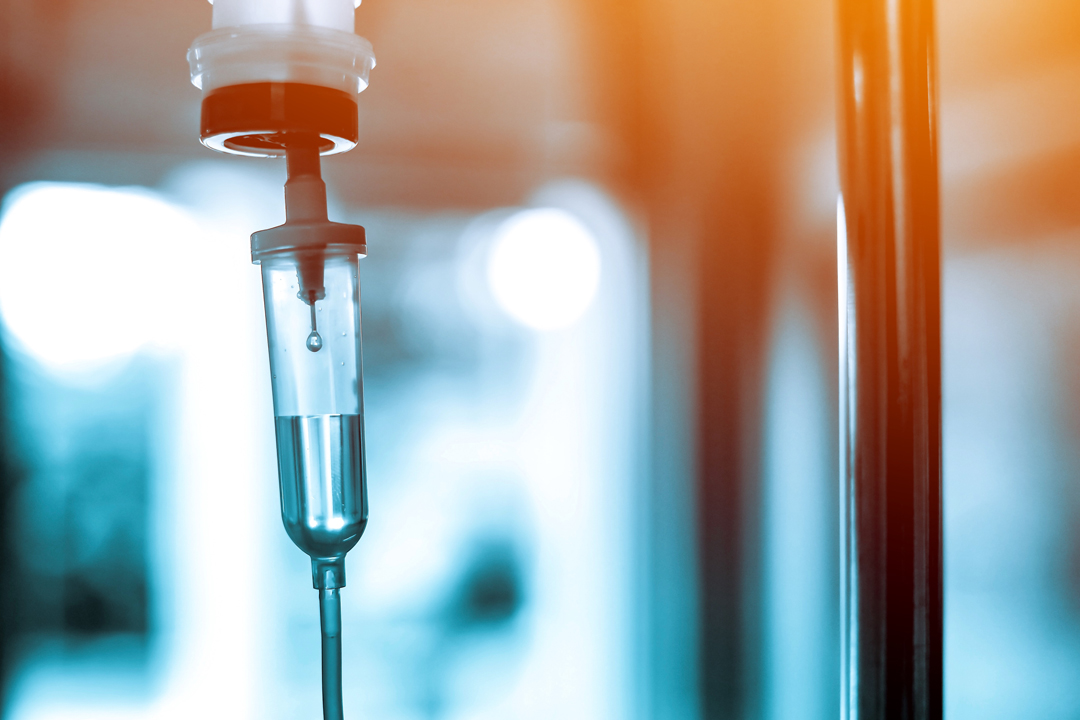
Intravenous drip therapy delivers NMN or NAD+ directly into the bloodstream, bypassing the digestive system entirely.
Clinics typically offer either NMN drips or NAD+ drips (delivering the coenzyme itself rather than its precursor), sometimes combined with vitamins, minerals, or antioxidants.
A single drip session usually takes between 30 minutes and several hours, depending on the dose and formulation.
Higher NAD+ doses are administered slowly, as rapid infusion can cause uncomfortable side effects including flushing, nausea, and chest tightness.
Drip Therapy in Japan
NMN and NAD+ drip therapy is offered at a growing number of aesthetic clinics, longevity clinics, and wellness-focused practices across Tokyo and other major cities.
It is frequently marketed as a premium wellness experience, positioned alongside other IV therapies such as vitamin drips and glutathione infusions.
What the Science Says About Drip Therapy
The evidence base for IV NMN and NAD+ therapy is considerably thinner than for oral supplementation:
- IV delivery does bypass digestive absorption, achieving higher immediate blood levels than oral dosing
- However, whether cells can effectively take up NAD+ delivered intravenously — given that NAD+ is a large molecule that does not easily cross cell membranes — remains scientifically contested
- There is limited rigorous clinical trial evidence demonstrating that IV NMN or NAD+ produces superior outcomes to oral supplementation
- Much of the support for drip therapy is anecdotal, based on subjective reports of improved energy and wellbeing rather than controlled data
Advantages of Drip Therapy
- Bypasses digestive absorption, achieving higher immediate blood concentrations
- Administered under clinical supervision
- Some patients report a subjective sense of improved energy or wellbeing following sessions
- Can be combined with other beneficial IV nutrients
Limitations of Drip Therapy
- Substantially more expensive than oral supplements
- Requires clinic visits for each session
- Invasive — involves IV cannulation
- Weaker scientific evidence for superiority over oral dosing
- Higher-dose NAD+ infusions can cause uncomfortable side effects during administration
Oral Supplements vs Drip Therapy: A Direct Comparison
| Factor | Oral NMN | NMN / NAD+ Drip |
| Delivery | Digestive absorption | Direct to bloodstream |
| Convenience | High — taken at home | Requires clinic visit |
| Cost | Lower (monthly supply) | Higher (per session) |
| Blood NAD+ elevation | Gradual, sustained with daily use | Higher immediate spike |
| Evidence base | Limited but growing | Thinner, largely anecdotal |
| Invasiveness | None | IV cannulation |
| Best suited for | Consistent long-term support | Patients seeking a supervised premium option |
Which Should You Choose?
For most people, oral NMN supplementation represents the more evidence-supported and cost-effective approach — particularly given that the primary demonstrated benefit (raising blood NAD+ levels) is achievable orally.
Consistent daily oral dosing provides sustained NAD+ support at a fraction of the cost of drip therapy.
Drip therapy may appeal to patients who prefer clinical supervision, want the higher immediate blood concentrations that IV delivery achieves, or value the combined-nutrient wellness experience that many clinics offer.
However, patients considering drip therapy should do so with realistic expectations and an understanding that the evidence for its superiority over oral dosing is not well established.
Cost of NMN Treatments in Japan
Estimated Pricing
| Treatment | Estimated Cost (JPY) |
| Oral NMN supplement (monthly, quality product) | ¥8,000 – ¥30,000 |
| NMN drip (single session) | ¥20,000 – ¥60,000 |
| NAD+ drip (single session) | ¥30,000 – ¥100,000 |
| Drip therapy course package | ¥150,000 – ¥500,000+ |
Prices are approximate and vary significantly by product quality, dose, clinic, and formulation. Always confirm current pricing directly with the clinic or retailer.
What Foreigners Should Know About NMN Treatments in Japan
NMN Is a Wellness Treatment, Not a Medical One
NMN supplements and drips are marketed as wellness and healthy-ageing products rather than approved medical treatments for any specific condition.
They are not covered by Japan’s national health insurance, and claims about disease prevention or treatment should be viewed critically.
Approach NMN as a wellness choice made with informed, realistic expectations — not as a proven medical intervention.
Evaluating Clinic Claims
Some clinics make ambitious claims about the anti-ageing and longevity benefits of their NMN treatments.
A reputable clinic will present NMN honestly — acknowledging both the biological rationale and the current limits of human evidence.
Be cautious of any clinic that promises dramatic or guaranteed anti-ageing results, as these claims are not supported by the current science.
Quality and Sourcing
For oral supplements, product quality matters significantly.
Look for products from established Japanese manufacturers with third-party purity testing.
For drip therapy, ask the clinic about the source and grade of the NMN or NAD+ they use.
English Language Support
For a treatment involving discussion of your health goals, medical history, and realistic expectation-setting, English-language support is valuable.
Confirm this before booking, particularly for drip therapy where a proper pre-treatment consultation should take place.
Consult Your Doctor First
If you have any underlying health conditions or take regular medications, consult a physician before beginning NMN supplementation or drip therapy — particularly IV therapy.
While NMN has a good safety profile in studies, IV administration carries the general risks associated with any intravenous procedure.
Selected Clinics for NMN Treatments in Japan
Clinics offering NMN infusion therapy in Japan differ not only in the treatments they provide but also in how they approach longevity and preventive care.
Below are several clinics that offer English-language support, making them easier to access for international patients considering NMN therapy in Japan.
BIANCA Cosmetic Surgery & Medical Spa(OMOTESANDO)

Clinic Highlights
BIANCA CLINIC takes a comprehensive approach to healthy aging by combining aesthetic medicine with longevity-focused care.
This section highlights the Omotesando clinic, where NAD+ Infusion Therapy is offered alongside personalized consultations.
Treatment plans are tailored to each individual’s health goals, lifestyle, and overall condition, with a focus on supporting long-term wellness from the inside out.
NAD+ Infusion Therapy
BIANCA CLINIC offers NAD+ Infusion Therapy as part of its longevity medicine program.
NAD+ is a naturally occurring coenzyme involved in cellular energy production that declines with age.
Thanks to advances in research, NAD+ can now be delivered directly rather than through its precursor, NMN.
During the consultation, physicians evaluate each patient’s concerns and may also discuss complementary longevity-focused approaches, including peptide therapy, nutritional support, or hormone evaluation.
With expertise in aesthetic internal medicine and anti-aging medicine, the team creates personalized treatment plans tailored to each patient’s needs.
English Support
International patients are welcomed through the clinic’s English website.
NAD+ infusion therapy is available at BIANCA Cosmetic Surgery & Medical Spa in Omotesando, where physician-led consultations and longevity-focused intravenous therapies are provided.
Patients can review treatment information in English before arranging a consultation.
How to Book
Consultations can be arranged through the English website and online inquiry form.
Patients traveling to Japan may wish to contact the clinic before their visit to discuss appointment availability and the most appropriate treatment plan.
BIANCA CLINIC Official Website
How to Make a Reservation at BIANCA CLINIC
| Address | 2F,Minami-Aoyama 511 Building, 5-11-10 Minami- Aoyama, Minato-ku, Tokyo 107-0062, Japan |
| Phone Number | +81-50-1807-1593 |
| Business Hours | 10:00-19:00 |
| Holiday | irregular holidays |
| Access | The Tokyo Metro Ginza Line. The Tokyo Metro Hanzomon Line. The Tokyo Metro Chiyoda Line. A 5-minute walk from Omotesando Station B1 exit |
RAKAN CLINIC TOKYO AZABUDAI
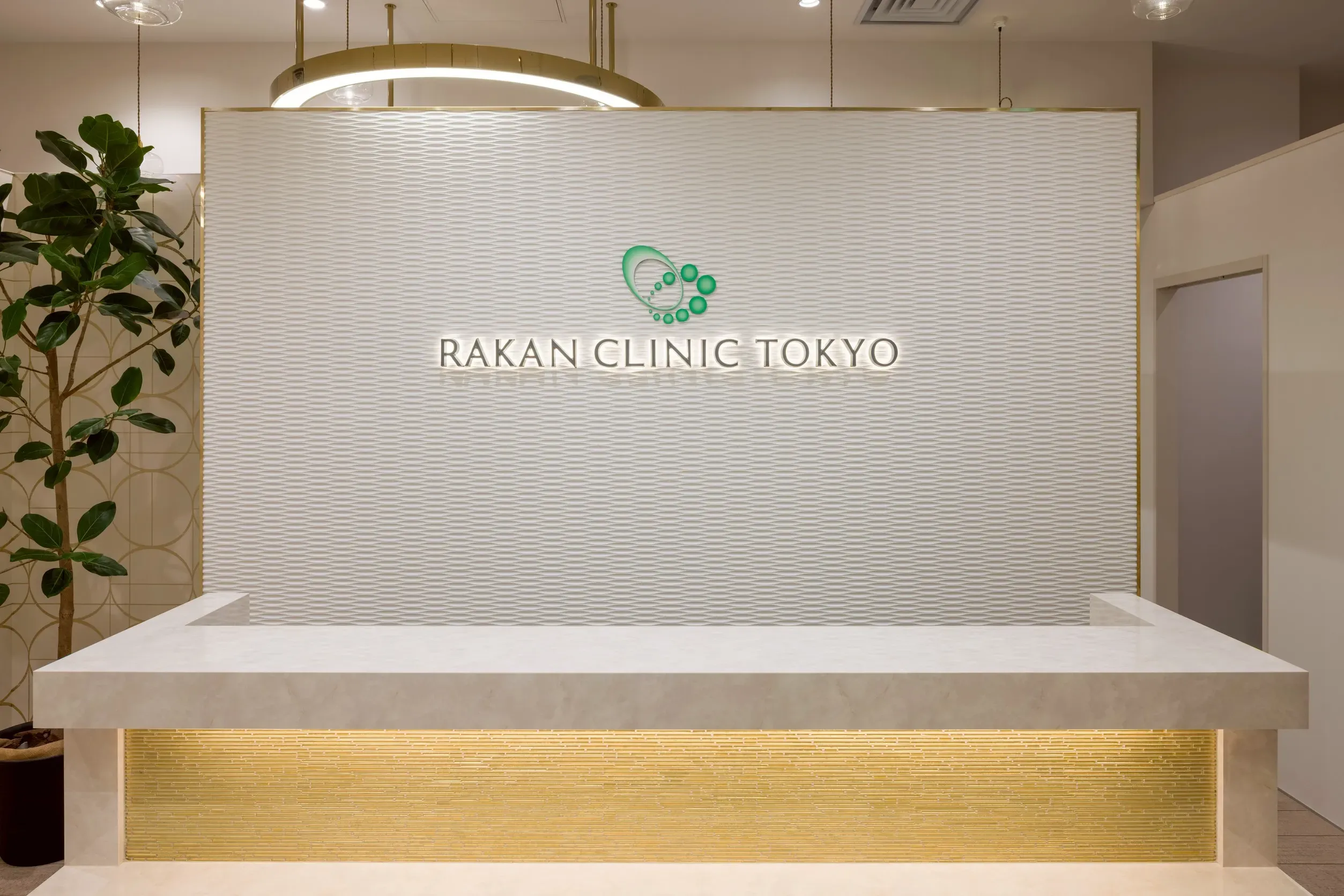
Source:RAKAN CLINIC TOKYO AZABUDAI
Clinic Highlights
RAKAN CLINIC TOKYO AZABUDAI specializes in regenerative medicine and longevity-oriented care.
The medical team includes physicians with expertise in regenerative medicine and healthy aging, allowing patients to discuss treatment options from both preventive and restorative perspectives.
This approach may be of interest to those looking beyond cosmetic treatments alone.
NAD+ Therapy and Longevity Care
The clinic offers NAD+ infusion therapy as part of its longevity program.
Treatment begins with a physician consultation to review each patient’s health status, lifestyle, and goals before recommendations are made.
In addition to NAD+ therapy, the clinic provides regenerative medicine and other advanced medical services, allowing patients to explore broader longevity strategies alongside NAD+ therapy.
English Support
RAKAN CLINIC provides an English-language website and online reservation system for international patients.
Located in Tokyo’s Azabudai area, the clinic is designed to support overseas visitors seeking consultation and longevity-focused medical care in Japan.
How to Book
Appointments can be requested through the clinic’s English online reservation page.
Patients planning to visit from overseas may find it helpful to arrange a consultation before traveling to discuss treatment options and scheduling.
RAKAN CLINIC TOKYO AZABUDAI Official Website
NAD+ Therapy
| Address | 4F, Azabudai Hills Tower Plaza, 1-3-1 Azabudai, Minato-ku, Tokyo 106-0041, Japan |
| Phone Number | +81-3-6277-6112 |
| Business Hours | 10:00-19:00 |
| Holiday | Closed Sundays & Holidays |
| Access | A short walk from Roppongi, Kamiyacho, and Azabu-juban stations. Within Azabudai Hills |
Tokyo Ginza Wellness & Aging Clinic
Clinic Highlights
Preventive medicine and healthy aging form the foundation of care at Tokyo Ginza Wellness & Aging Clinic.
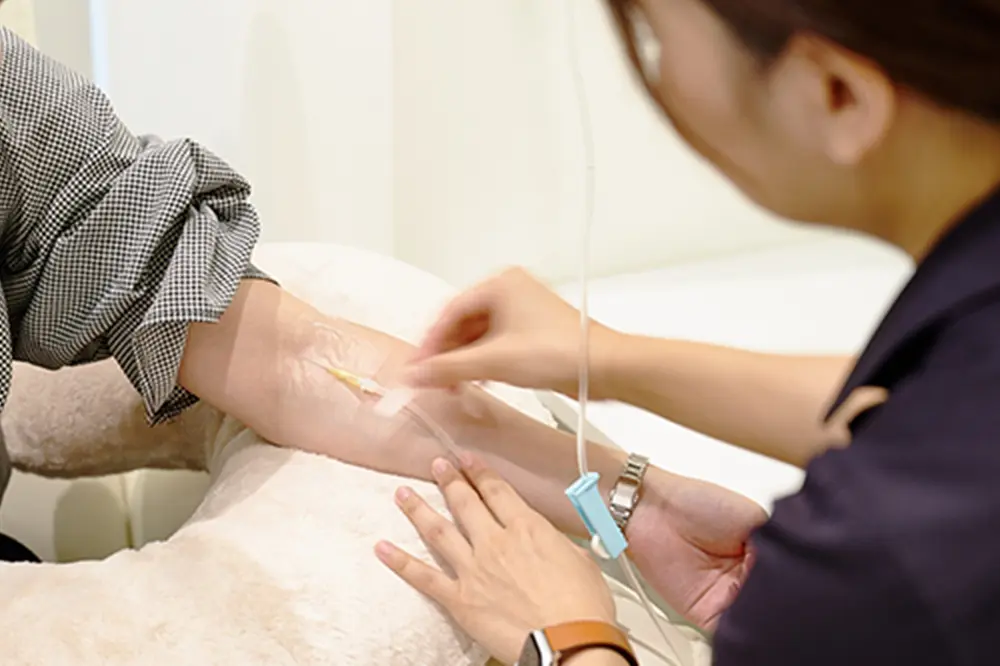
NMN therapy is offered as part of the clinic’s comprehensive wellness program.
NMN Therapy Using Japanese-Made β-NMN
The clinic provides NMN infusion therapy using Japanese-manufactured β-NMN, a form of NMN produced through a process designed to closely resemble the compound naturally found in the body.
Before treatment begins, physicians explain the therapy and recommend an appropriate plan tailored to the individual’s needs, lifestyle, and personal goals.
A consultation helps determine whether NMN therapy is an appropriate option.
English Support
English-language information is available through the clinic’s website, and online reservations are available in English.
Located in Tokyo’s Ginza district, the clinic is easy to reach for visitors who plan to combine medical appointments with sightseeing or shopping during their stay.
How to Book
Reservations can be completed through the clinic’s English online booking system.
Patients visiting Japan from overseas are encouraged to schedule appointments in advance to secure their preferred consultation date.
Tokyo Ginza Wellness & Aging Clinic Official Website
NMN Therapy
| Address | 2F, Prairie Ginza Building 1-14-4 Ginza, Chuo-ku, Tokyo, Japan |
| Phone Number | +81-3- 6263-2034 |
| Business Hours | 10:00-18:00 |
| Holiday | Closed Sundays |
| Access | Tokyo Metro Yurakucho Line: Ginza-itchome Station, Exit 10 (2-minute walk) Toei Asakusa Line: Takaracho Station, Exit A3 (2-minute walk) |
Frequently Asked Questions
Does NMN actually work?
NMN has been shown in human studies to raise blood NAD+ levels, and some small trials have reported specific metabolic and physical performance benefits.
However, robust evidence that NMN produces meaningful anti-ageing or longevity effects in humans remains limited.
It is best approached as a promising but not-yet-proven wellness compound.
Is NMN legal in Japan?
Yes. NMN is legally sold as a supplement in Japan, and Japan has one of the most developed NMN markets globally.
Drip therapy is offered legally through clinics.
NMN is regulated as a food/supplement rather than a pharmaceutical.
Is drip therapy better than taking supplements?
Not necessarily. While IV delivery achieves higher immediate blood concentrations by bypassing digestion, there is limited rigorous evidence that this translates into superior outcomes compared with consistent oral dosing.
Oral supplementation is more cost-effective and has a somewhat stronger evidence base.
Drip therapy may appeal to those seeking clinical supervision or the combined-nutrient experience, but the science does not clearly establish its superiority.
Are there any side effects?
Oral NMN has a good safety profile in studies, with few reported adverse effects at typical doses.
NAD+ drips, particularly at higher doses, can cause temporary flushing, nausea, chest tightness, and discomfort during administration if infused too quickly.
IV administration also carries the general risks of any intravenous procedure.
Can I buy NMN supplements to take home from Japan?
Yes. NMN supplements are widely available in Japan and are a popular purchase for international visitors.
Check the import regulations of your home country, as the legal status of NMN as a supplement varies between countries — it is not permitted for sale as a supplement in all markets.
Final Thoughts
NMN sits at an interesting intersection of genuine scientific promise and considerable marketing hype.
The underlying biology is real, the safety profile appears good, and Japan offers excellent access to both quality oral supplements and clinic-based drip therapy.
What remains unresolved is how meaningful the benefits are in humans over the long term.
For most patients, quality oral NMN supplementation is the more evidence-aligned and cost-effective starting point.
Drip therapy is a reasonable choice for those who value clinical supervision and are comfortable with the higher cost and thinner evidence base.
In either case, the most important thing is to approach NMN with realistic expectations, choose reputable products and clinics, and treat it as one component of a broader healthy-ageing approach — not a proven fountain of youth.
| ・This website provides general knowledge about aesthetic medicine from a neutral perspective as much as possible. Please note that the information is not intended to encourage self-diagnosis. Be sure to check the official website of the clinic and consult each medical institution for details regarding treatment. ・This article is based on information available at the time of writing and publication. Please check the official website for the latest updates. ・If cosmetics or massage-related content is mentioned, it is not within the scope of medical supervision. |