Tokyo is one of the best cities in the world to get botox — if you know how to navigate it.
The concentration of experienced cosmetic practitioners, the consistent availability of MHLW-approved Allergan Botox Vista, the pricing (40–60% below equivalent US and UK clinics), and the cultural orientation toward precise, natural-looking results all make a strong case.
The challenge, for foreigners, is that the system was built for Japanese patients: consultations default to Japanese, consent forms are in Japanese, and front-desk staff who speak English do not guarantee that the physician conducting your treatment does.
This guide is the practical starting point for any foreigner considering botox in Tokyo for the first time.
It covers what you actually need to know before booking: how the Japanese botox market is structured, what brands are available and what their regulatory status means, how to decode pricing, how to identify genuinely English-capable clinics, what your appointment will look like, and which specific treatments Tokyo does especially well.


INDEX
- Why Tokyo for Botox?
- The Japanese Botox Market: What You Need to Understand
- What Does “English-Speaking” Actually Mean at a Tokyo Clinic?
- Botox Treatment Areas in Tokyo: What’s Available and What It Costs
- What to Know Before Your First Appointment
- How Long Does Botox Last in Tokyo?
- Red Flags to Know Before You Book
- Frequently Asked Questions
- Clinics in Tokyo for Botox (English Support)
- Conclusion
Why Tokyo for Botox?
Cost
The most immediate draw.
Allergan Botox Vista — the same product as used at premium clinics in New York, London, or Sydney — costs approximately ¥726–¥1,000 per unit at reputable Tokyo clinics.
In the US, Allergan Botox runs $15–$25 per unit at comparable practices.
On a per-unit basis, Tokyo is 40–60% less expensive, and the gap is real: the product is identical, manufactured to the same standard.
For foreigners whose home-country clinics charge $500–$800 for a standard forehead and glabella session, the same treatment at a premium Tokyo clinic can run ¥30,000–¥60,000 all-in — a meaningful difference, particularly for patients who maintain botox several times per year.
Experience with Asian facial anatomy
Japan’s cosmetic practitioners treat Asian faces daily, at high volume, with a deep understanding of the aesthetic outcomes East and Southeast Asian patients seek.
For treatments like jaw slimming, where technique must account for masseteric hypertrophy common in Asian skeletal structures, or for dosing decisions that balance natural movement preservation with wrinkle reduction, practitioners who have done this thousands of times on the relevant facial anatomy simply produce better-calibrated results.
Cultural alignment with natural-looking results
Japanese aesthetic medicine prizes subtlety.
The dominant preference among Japanese patients — and the ethos most Tokyo clinics have built their practice around — is for results that are undetectable: enhancement that looks like a better version of you, not an augmented one.
For foreigners seeking exactly this, Tokyo’s cultural default is the right environment.
The Japanese Botox Market: What You Need to Understand
MHLW approval and why it matters
Japan’s Ministry of Health, Labour and Welfare (MHLW) is the national drug regulatory authority.
For cosmetic injectables, MHLW approval means the product has undergone a formal Japanese regulatory review: safety data, manufacturing quality, and clinical evidence have been assessed and approved for use.
As of 2026, Allergan Botox Vista is the only botulinum toxin product with MHLW approval for cosmetic facial use in Japan.
This is the same formulation sold globally as Allergan Botox, rebranded “Vista” for the Japanese market.
Many clinics — particularly budget-oriented chains — also use non-MHLW-approved botulinum toxins, primarily South Korean brands:
| Brand | Manufacturer | MHLW Approval | Approximate Price Positioning |
| Botox Vista | Allergan (AbbVie) | ✓ Approved | Premium |
| Dysport | Galderma | Not approved (cosmetic) | Mid-range |
| Nabota | Daewoong (South Korea) | Not approved | Budget |
| Coretox | Medytox (South Korea) | Not approved | Budget |
| Xeomin / Bocouture | Merz (Germany) | Not approved | Mid-range |
Non-approved does not mean dangerous.
Korean botulinum toxin brands are used widely across Asia and are clinically effective.
But they have not been through Japan’s regulatory review for the cosmetic indication, and the quality consistency across supply chains is less uniformly assured than for an MHLW-approved product with a documented Japanese distribution network.
For a first-time patient in a foreign country, MHLW-approved Allergan Botox Vista is the lower-risk default.
Per-unit vs. per-area pricing
Tokyo clinics use two primary pricing models, and confusing them is a common source of sticker shock:
Per-unit pricing charges you for exactly the number of units injected.
This is the most transparent model: if you receive 20 units at ¥1,000/unit, you pay ¥20,000 for the material.
The catch is that most clinics add a separate treatment fee (gijutsuryo) on top — ranging from ¥2,000 at budget clinics to ¥24,200 at premium ones.
Per-area pricing charges a flat rate for treating one “area” (forehead, glabella, crow’s feet, etc.) regardless of how many units are used.
This is simpler to understand upfront but can obscure how much product you actually receive — a flat area price does not tell you whether you are getting 10 units or 25.
When comparing clinics, always ask: “How many units are included in your area price, and what is the per-unit cost for additional units?”
The treatment fee
Virtually every Tokyo clinic charges a treatment fee (also called an administration fee or technical fee) separately from the product cost.
This fee covers the physician’s time and the clinical overhead of the session.
| Clinic Tier | Typical Treatment Fee Per Session |
| Budget chains (TCB, SBC) | ¥2,000–¥5,000 |
| Mid-range clinics | ¥5,000–¥15,000 |
| Premium English clinics | ¥15,000–¥24,200 |
The treatment fee at premium clinics looks significant — and it is — but it reflects the quality of the physician, the time allocated per patient, and in most cases the English-language support infrastructure.
At BIANCA Clinic, for example, the treatment fee is ¥24,200 per session, applied regardless of how many units are administered.
Budget this into your total cost from the beginning.
What Does “English-Speaking” Actually Mean at a Tokyo Clinic?

This distinction will determine the quality of your consultation — and your safety.
“English-speaking” ranges widely:
Full English service: The physician conducts the entire consultation in English.
Staff can handle booking, consent forms, and billing in English.
Written materials are available in English.
This exists at a small number of clinics in Tokyo.
English-capable physician, Japanese-default front desk:
The doctor speaks functional medical English; administrative interactions happen in Japanese or with a translation app.
This is more common and workable with some preparation.
English website, Japanese clinic:
The clinic has invested in an English-language website — sometimes translated by machine — but walk in and nobody conducts a medical consultation in English.
More common than it should be.
How to test before you book:
Email the clinic in English explaining your interest and asking a specific question (e.g., “Will the physician be able to discuss my treatment goals in English?”).
The response — its speed, quality, and specificity — tells you more than any website claim.
Botox Treatment Areas in Tokyo: What’s Available and What It Costs
Tokyo clinics offer the full range of botulinum toxin treatments.
Prices below are all-in estimates (product + treatment fee) at reputable English-supporting clinics using Allergan Botox Vista:
| Treatment Area | What It Addresses | Typical Units | All-In Cost (Tokyo) |
| Forehead lines | Horizontal lines when raising brows | 10–20 units | ¥20,000–¥45,000 |
| Glabella (“11 lines”) | Vertical frown lines between brows | 15–25 units | ¥25,000–¥50,000 |
| Crow’s feet | Lines at outer eye corners | 8–15 units/side | ¥20,000–¥45,000 |
| Forehead + glabella + crow’s feet | Upper face “trio” — most common combination | 40–60 units | ¥50,000–¥100,000 |
| Brow lift | Subtle elevation of outer brow | 2–4 units | ¥10,000–¥25,000 |
| Bunny lines | Diagonal nose-bridge lines | 4–8 units | ¥15,000–¥30,000 |
| Lip flip | Upper lip eversion, subtle definition | 2–6 units | ¥10,000–¥30,000 |
| Jaw slimming (masseter) | Lower face narrowing, V-line | 40–80 units | ¥45,000–¥90,000 |
| Chin dimpling | Cobblestone chin texture | 4–8 units | ¥15,000–¥30,000 |
| Neck bands (platysma) | Vertical neck cords | 15–30 units | ¥25,000–¥55,000 |
| Hyperhidrosis (underarm) | Excessive sweating | 40–100 units | ¥30,000–¥80,000 |
| Gummy smile | Reduces gum exposure when smiling | 4–8 units | ¥15,000–¥30,000 |
For first-time patients, the most common starting point is the upper face trio (forehead, glabella, and crow’s feet).
This combination addresses the highest-demand areas, is well-understood by any experienced practitioner, and gives you a clear baseline for assessing how your face responds to treatment before adding further areas.
What to Know Before Your First Appointment
Book in advance
Tokyo’s cosmetic clinic system is appointment-based.
Walk-in availability is rare except at a handful of larger chains.
For English-speaking clinics — where specific physicians or time slots with language support may be limited — book at least one to two weeks ahead for a non-urgent first appointment.
Email in English to confirm availability and language support before booking online.
Prepare a written brief
Before your appointment, write a short summary in English of: the areas you want treated, any prior botox history (when, where, how many units, how you responded), current medications (including supplements), and any allergies.
A reputable clinic will ask for this information; having it written clearly reduces the risk of anything being lost in translation during consultation.
What happens at consultation
The physician will examine your face at rest and in motion, asking you to raise your eyebrows, frown, squint, and smile.
This dynamic assessment establishes where the overactive muscles are and how they move.
For first-time patients, the practitioner should also explain the expected result, onset timeline, duration, and what happens as the effect wears off.
If this explanation does not happen — or happens so quickly you cannot follow it — ask for it to be slowed down or written.
Consent forms
Consent forms at Japanese clinics are typically in Japanese.
At English-supporting clinics, English versions should be available.
If the clinic cannot provide an English consent form, ask them to verbally walk through each item before signing.
The injection itself
A standard botox session — forehead, glabella, crow’s feet — takes 10–20 minutes once you are in the treatment room.
Topical numbing cream is available on request but not universally applied; many patients tolerate botox injections well without it.
You will feel brief pinches at each injection point.
The needle used is very fine.
Onset and timeline
Botox results do not appear immediately.
The muscle-relaxing effect builds over 5–7 days, and the full result is assessable at two weeks.
Do not judge the outcome before then.
For jaw slimming (masseter) botox, where the mechanism is muscle atrophy over time, visible changes take 4–6 weeks to begin and peak at 6–8 weeks.
Post-treatment: what to avoid
For 24 hours after injection: avoid rubbing or massaging the treated area; avoid strenuous exercise; avoid saunas, steam rooms, and extreme heat; avoid lying face-down.
These precautions reduce the risk of the toxin diffusing beyond the target site.
Scheduling around travel
If you are visiting Tokyo specifically for botox, allow at least 7–10 days before any important event or flight you are planning around the result.
Flying within 24–48 hours of botox is generally safe but cabin pressure and dehydration can cause minor additional swelling; building in a buffer is sensible.
How Long Does Botox Last in Tokyo?
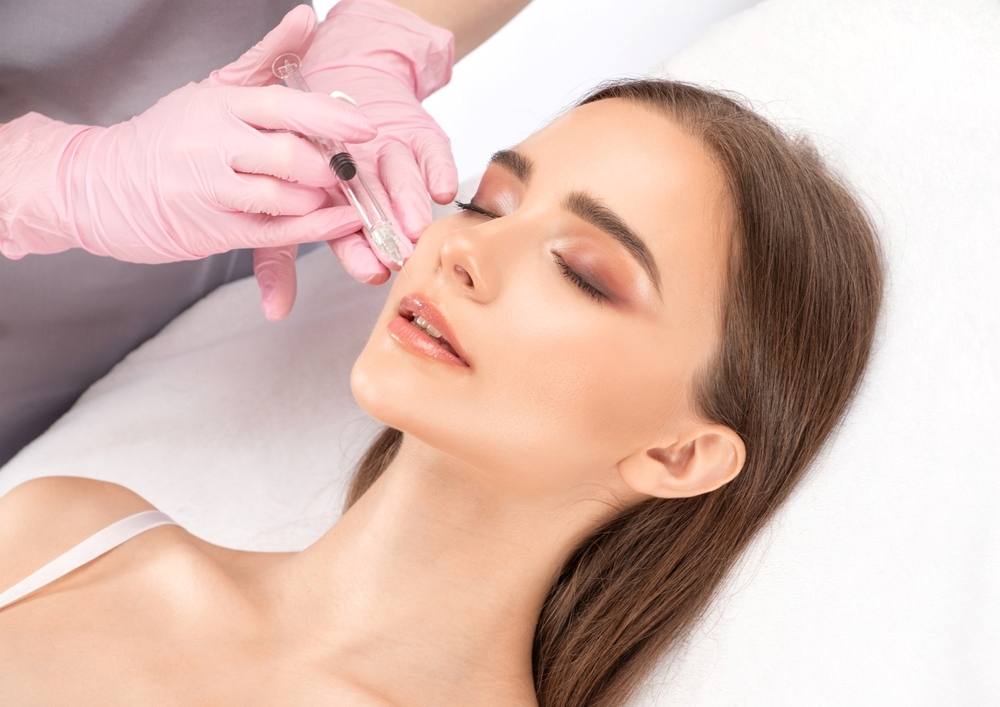
The botulinum toxin itself — and therefore the duration of results — does not change based on where you receive the injection.
What affects duration is the treatment area, the dose, and individual metabolism:
| Area | Typical Duration |
| Forehead, glabella, crow’s feet | 3–4 months |
| Jaw slimming (masseter) | 4–6 months (first session); 6–9 months (repeat sessions) |
| Lip flip | 2–3 months |
| Baby botox (reduced dose) | 2–3 months |
| Hyperhidrosis (underarm) | 4–9 months |
For most facial areas, maintenance every 3–4 months sustains results continuously.
Some patients extend intervals as the muscle weakens with repeated treatment; others maintain a consistent schedule indefinitely.
Red Flags to Know Before You Book
Unusually low prices for Allergan Botox
If a clinic advertises Allergan Botox Vista at ¥300–¥500 per unit, that is below the plausible procurement cost.
Either the unit count is very low, the product is not what is advertised, or additional fees will appear that make the total comparable to standard pricing.
Transparent per-unit pricing from reputable clinics runs ¥600–¥1,800/unit for Allergan.
No itemized price breakdown
A clinic that cannot or will not provide a written breakdown of product cost and treatment fee before your session is not meeting a basic standard of transparency.
No hyaluronidase stocked on-site
This applies primarily to filler, not botox — but if a clinic offering both cannot confirm they stock hyaluronidase (the antidote for filler complications), that is a signal about their safety preparedness generally.
Pressure to add more areas or units at the consultation
An experienced practitioner recommends what your face needs.
Systematic upselling at consultation is a red flag in any country.
No physician conducting the injection
In Japan, botulinum toxin injections must be performed by a licensed physician — not a nurse or aesthetician as may be the case in some other markets.
Confirm that the physician is administering the injection, not just supervising.
Frequently Asked Questions
Is botox cheaper in Tokyo than in the US or UK?
Yes, meaningfully so.
Allergan Botox Vista at reputable Tokyo clinics costs approximately ¥726–¥1,000 per unit plus a treatment fee — roughly 40–60% below equivalent clinics in New York or London when calculated on a per-unit basis.
A standard upper-face trio (forehead, glabella, crow’s feet) that might cost $600–$900 in the US typically runs ¥50,000–¥80,000 (~$330–$535) all-in at a premium Tokyo clinic.
Do I need to speak Japanese to get botox in Tokyo?
Not if you choose your clinic carefully.
A small number of clinics in Tokyo — concentrated in Ginza, Omotesando, Hiroo, and Azabu — offer genuine English-language consultation with the physician.
Confirm English support by email before booking, and prepare a written brief of your goals and medical history in English to bring to the appointment.
Which botox brand should I ask for in Tokyo?
Allergan Botox Vista is the MHLW-approved standard and the safest choice for a first-time patient in Japan.
It is the same product used globally under the Allergan Botox brand and has a documented Japanese regulatory and distribution track record.
Korean brands (Nabota, Coretox) are cheaper and widely used but are not MHLW-approved; they may be appropriate for experienced patients who have used them before and prefer the cost saving.
Can I get botox in Tokyo as a tourist?
Yes.
Cosmetic botox does not require Japanese residency or health insurance — it is a self-pay procedure available to anyone who presents at a clinic.
Bring your passport for ID.
Some clinics require a LINE account or Japanese phone number for booking; email-based booking is the most foreigner-friendly option.
How do I know if the result I want is realistic?
The best starting point is a realistic expectation of what botox can and cannot do: it relaxes muscles, which reduces dynamic wrinkles (lines caused by movement).
It cannot address static lines (wrinkles visible at rest with no movement), loss of volume, or skin laxity — those require filler, skin resurfacing, or lifting treatments.
A physician who examines your face and gives you an honest assessment of what will and will not change is one you can trust.
Clinics in Tokyo for Botox (English Support)
Known for its shopping, dining, and easy access, the Ginza area is also home to several clinics that welcome international patients. Below are three English-friendly clinics that offer Botox treatments and are conveniently located for visitors exploring Tokyo.
BIANCA Cosmetic Surgery & Medical Spa (Omotesando)
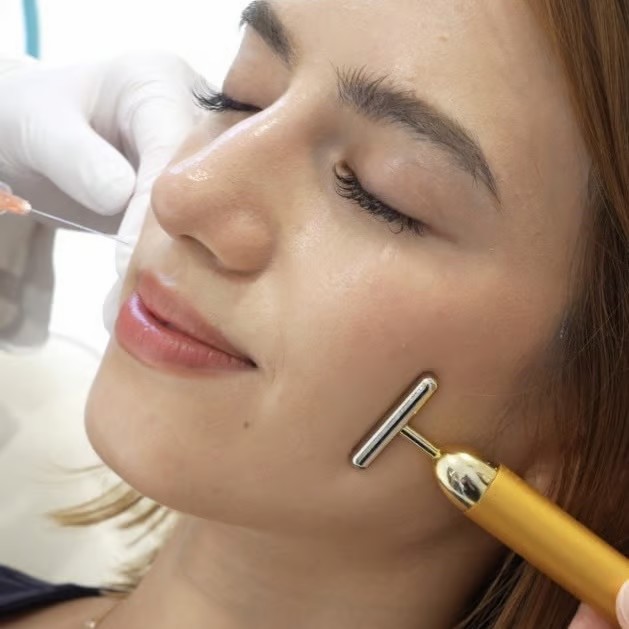
source:BIANCA CLINIC
The BIANCA Method for Customized Botox Treatments
At BIANCA CLINIC, Botox treatments are guided by the clinic’s “BIANCA Method,” which focuses on creating natural-looking results through individualized treatment planning. Instead of a one-size-fits-all approach, dosage and injection sites are tailored to the treatment area, facial muscle movement, and the patient’s goals.
Several botulinum toxin products, including Allergan’s BOTOX Vista®, are available. During consultations, patients can discuss their concerns and explore suitable treatment options before making a decision.
English Support and Access
BIANCA CLINIC welcomes international patients and provides information through its English-language website. The clinic operates two locations in central Tokyo, Omotesando and Ginza. English support is available at both locations. Botox treatments for overseas visitors are primarily provided at the Omotesando clinic. Each location provides access to a variety of aesthetic procedures beyond Botox treatments.
How to Make a Reservation
Appointments can be arranged through the English website and online inquiry form. Patients visiting Tokyo from overseas are encouraged to contact the clinic in advance regarding consultation schedules and treatment plans.
BIANCA CLINIC Official Website
| Address | 【BIANCA Cosmetic Surgery & Medical Spa (Omotesando)】 Minami-Aoyama 511 Building, 5-11-10 Minami-Aoyama, Minato-ku, Tokyo 【BIANCA CLINIC GINZA】 12F ONE GINZA, 1-8-19 Ginza, Chuo-ku,Tokyo 104-0061, Japan |
| Phone Number | 050-1807-1593 |
| Business Hours | 10:00–19:00 |
| Holiday | irregular holidays |
| Access | 【BIANCA Cosmetic Surgery & Medical Spa (Omotesando)】 The Tokyo Metro Ginza Line. The Tokyo Metro Hanzomon Line. The Tokyo Metro Chiyoda Line. A 5-minutes walk from Omotesando Station B1 exit 【BIANCA CLINIC GINZA】 A 4-minute walk from Ginza Station on the Tokyo Metro Ginza Line. A 1-minute walk from Exit 7 of Ginza-itchome Station on the Tokyo Metro Yurakucho Line. A 3-minute walk from Exit 3 of Kyobashi Station on the Tokyo Metro Ginza Line. A 8-minute walk from the Kyobashi Exit of JR Yurakucho Station. |
Yoshiki Ginza Clinic
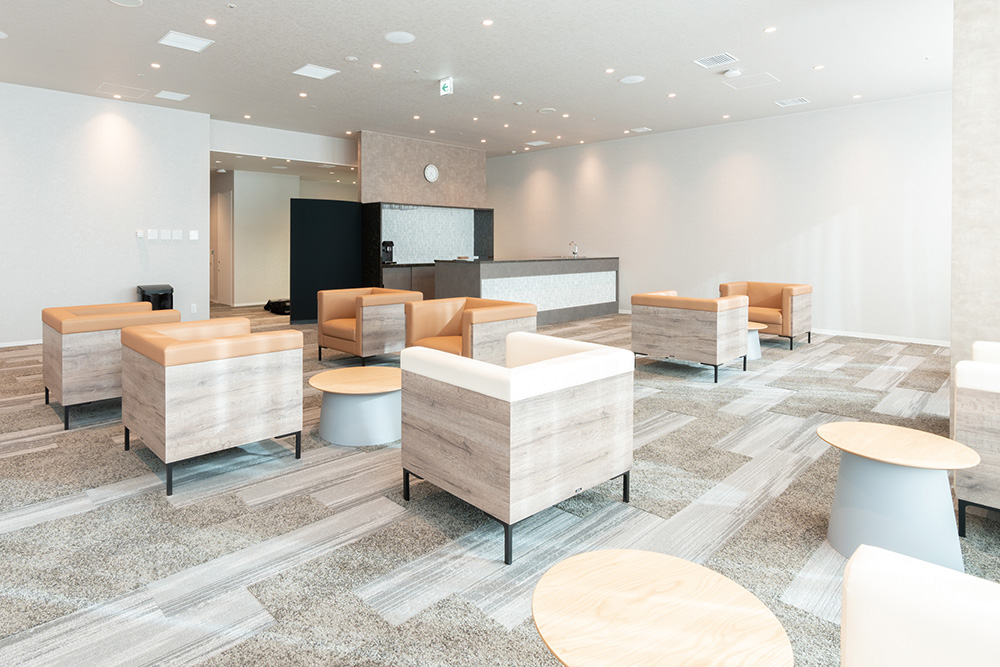
source:Yoshiki Ginza Clinic
Conservative Botox Approach with Follow-Up Care
Yoshiki Ginza Clinic takes a gradual approach to Botox treatment, often starting with smaller amounts and assessing the results over time. If additional correction is needed, touch-up injections are available free of charge within two weeks after treatment.
This approach allows patients to make adjustments while avoiding overly dramatic changes. Consultations are tailored to individual concerns, and several botulinum toxin products are available depending on the treatment area and patient preferences.
Multilingual Support and Central Ginza Location
Located in Tokyo’s Ginza district, Yoshiki Ginza Clinic provides aesthetic treatments for both domestic and international patients. Dr. Nobuko Yoshiki is particularly experienced in communicating with English-speaking patients. In addition, the clinic offers support in Chinese, Korean, and French, creating an environment that may feel more accessible for visitors from overseas. A variety of dermatology and anti-aging treatments are also available.
How to Make a Reservation
Information on Botox treatments and appointment requests is available through the clinic’s website. Patients who are new to Botox may wish to contact the clinic in advance to discuss their goals and any questions they have before treatment.
Yoshiki Ginza Clinic Official Website
| Address | Ginza Chuo-dori MM Building 4th–8th floors (Reception: 6th floor), 8-9-1 Ginza, Chuo-ku, Tokyo |
| Phone Number | 03-6280-6880 |
| Business Hours | 10:00 – 12:30, 14:00 – 19:00 |
| Holiday | irregular holidays |
| Access | Tokyo Metro Ginza Line, Hibiya Line, Marunouchi Line – Ginza Station, Exit A3: 5-minute walk JR Yamanote Line – Shimbashi Station, Ginza Exit: 5-minute walk |
Matsurika Clinic Ginza
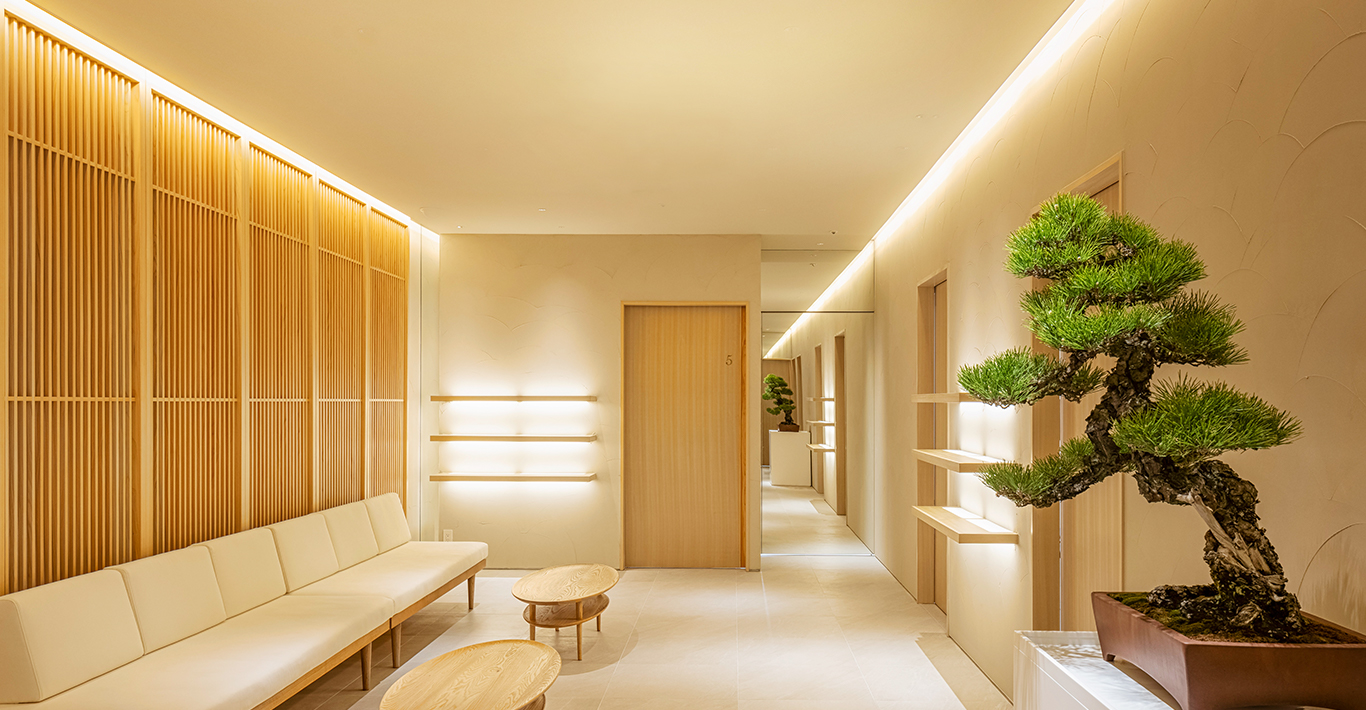
source:Matsurika Clinic Ginza
Certified Injectors and Versatile Botox Treatments
Matsurika Clinic Ginza offers Botox treatments for a wide range of areas, including the face, shoulders, underarms, palms, and calves. The clinic uses Allergan products and is staffed by physicians who hold certifications such as Allergan Prescription Certified Doctor and Botox Vista®/Juvederm VST.
Consultations are tailored to each patient’s concerns, with treatment plans designed according to the area being treated and the desired outcome. This broad range of applications makes Botox an option for both cosmetic and functional concerns.
English Support and Ginza Location
Located in Tokyo’s Ginza district, Matsurika Clinic Ginza provides English-language support for international patients. In addition to Botox treatments, the clinic offers fillers, skin procedures, and other aesthetic services. Its central location and multilingual environment may make it a convenient choice for visitors seeking treatment while staying in Tokyo.
How to Make a Reservation
Information on Botox treatments and appointment requests is available through the clinic’s English website. Patients considering treatment for different areas of the body may find it helpful to contact the clinic in advance to discuss their concerns and learn about available options.
Matsurika Clinic Ginza Official Website
Botox Treatments
| Address | Maniera Ginza Building 10th floor, 2-10-8 Ginza, Chuo-ku, Tokyo |
| Phone Number | 03-6278-7073 |
| Business Hours | 10:00 – 19:00 |
| Closed | Sunday |
| Access | 4 minutes walk from Exit A13 of Ginza Station on the Subway Ginza Line/Hibiya Line 2 minutes walk from Exit A11 of Ginza-itchome Station on the Yurakucho Subway Line 3 minutes walk from Exit A2 of Higashi Ginza Station on the Hibiya Subway Line |
Conclusion
For foreign patients approaching botox in Tokyo for the first time, the most important investments are in choosing the right clinic and going in well-informed.
The city offers genuinely excellent cosmetic medicine — experienced practitioners, high-quality products at competitive prices, and a cultural aesthetic that aligns well with natural-looking outcomes — but the system is not built around foreign patients by default.
Language verification, price transparency, and a clear written brief of your goals are the practical differentiators between a confident first experience and a frustrating one.
| ・This website provides general knowledge about aesthetic medicine from a neutral perspective as much as possible. Please note that the information is not intended to encourage self-diagnosis. Be sure to check the official website of the clinic and consult each medical institution for details regarding treatment. ・This article is based on information available at the time of writing and publication. Please check the official website for the latest updates. ・If cosmetics or massage-related content is mentioned, it is not within the scope of medical supervision. |