If you’ve been researching non-surgical lifting treatments and keep coming back to Ultherapy, you’re in good company. Ultherapy is one of the most recognised brand names in aesthetic medicine globally — and for good reason. It is the only non-invasive device cleared by the FDA specifically for lifting the skin of the face, neck, and décolletage.
For international patients considering Ultherapy in Tokyo, this guide covers what the treatment is, what it costs, and how it compares to the other lifting options available.


What Is Ultherapy?

Ultherapy is a non-invasive ultrasound device that delivers focused energy to the deep structural layers of the skin — the same layers a surgeon addresses during a facelift. It uses micro-focused ultrasound with visualisation (MFU-V), meaning the practitioner can see the tissue layers being targeted in real time before delivering energy.
This precision is one of the defining characteristics of Ultherapy. The energy bypasses the surface of the skin entirely and is deposited at three precise depths: 1.5mm, 3mm, and 4.5mm — targeting the dermis and the SMAS (superficial musculo-aponeurotic system), the fibromuscular layer that surgical facelifts directly manipulate.
How It Works
When ultrasound energy is focused at these depths, it creates small thermal injury points — called coagulation points — within the tissue. These points trigger the body’s natural wound-healing response, stimulating the production of new collagen and elastin over the weeks and months following treatment.
The result is a gradual but genuine lifting and tightening effect that develops from within, rather than a surface-level improvement.
What Ultherapy Treats
Ultherapy is most commonly used for:
- Lifting and tightening lax skin along the brow, jawline, and neck
- Reducing the appearance of jowls and softening the transition between the face and neck
- Improving skin laxity on the décolletage
- Overall facial lifting for patients who want non-surgical improvement in facial contour
It is FDA-cleared specifically for brow lifting — a distinction no other non-invasive device currently holds.
Ultherapy Cost in Tokyo
Pricing for Ultherapy in Tokyo varies depending on the clinic, the number of lines (transducer passes) used, and the areas being treated.
Estimated Price Range
| Treatment Area | Estimated Price Range (JPY) |
| Full face and neck | ¥150,000 – ¥350,000 |
| Face only | ¥100,000 – ¥250,000 |
| Neck only | ¥80,000 – ¥150,000 |
| Décolletage | ¥60,000 – ¥120,000 |
| Targeted area (brow, jawline) | ¥50,000 – ¥100,000 |
Prices are approximate and subject to change. Always confirm current pricing directly with the clinic.
What Affects the Price?
Several factors influence the total cost of Ultherapy in Tokyo:
- Number of lines — Ultherapy pricing is often structured around the number of transducer passes applied. More lines mean broader coverage and generally stronger results, but also higher cost
- Areas treated — a full face and neck treatment involves significantly more lines than a single targeted area
- Clinic tier and location — premium clinics in central Tokyo districts typically charge more
- Practitioner experience — clinics with highly experienced Ultherapy practitioners may price accordingly
- Package deals — some clinics offer discounted rates for combining areas or booking multiple sessions
What to Expect: Before, During, and After
Before Treatment
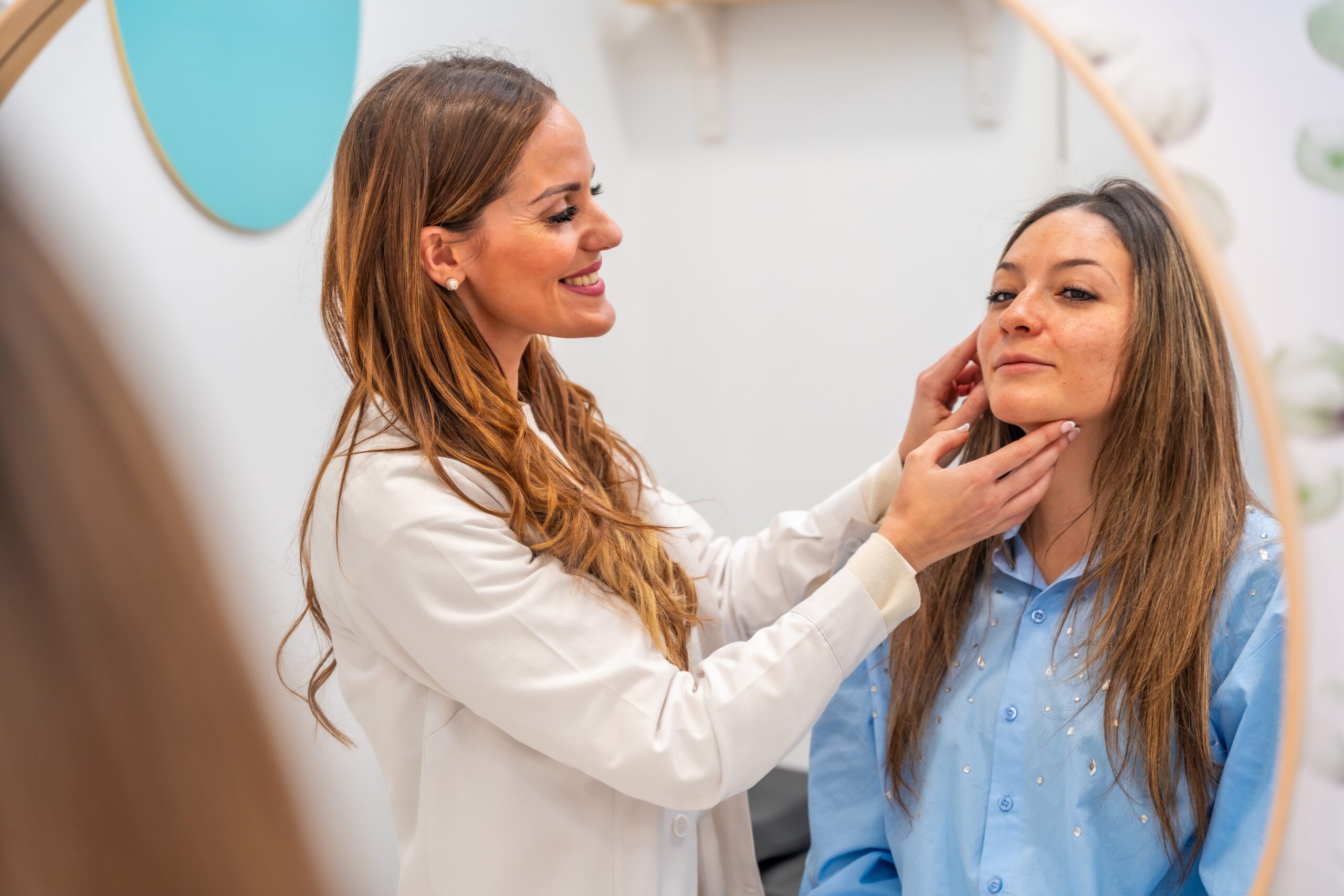
A thorough consultation should precede any Ultherapy session. Your practitioner will assess your skin laxity, discuss your lifting goals, and determine the appropriate treatment depth and coverage area.
Be prepared to share your medical history, any previous aesthetic treatments, and whether you have any implanted devices such as pacemakers or metal implants, which may be contraindications.
During Treatment
Ultherapy sessions typically last between 60 and 120 minutes depending on the areas being treated. Topical anaesthetic cream is commonly applied beforehand, and some clinics also offer oral pain relief or nerve blocks for patients with lower pain tolerance.
The sensation during treatment is often described as a deep, prickling warmth — particularly noticeable at the 4.5mm depth where the SMAS layer is targeted.
Discomfort varies significantly between patients and treatment areas, with the bony areas of the face (such as along the mandible) typically being the most sensitive.
After Treatment
There is minimal downtime associated with Ultherapy. Most patients experience:
- Mild redness and swelling for a few hours post-treatment
- Occasional tenderness or a deep ache in the treated areas for a few days
- Rare temporary nerve sensitivity, particularly along the jawline
Most patients resume normal activities on the same day or the day following treatment.
Results Timeline
Ultherapy results develop gradually over a period of two to six months as new collagen forms and the lifting effect becomes increasingly visible.
Unlike some treatments where results are immediate, the timeline of Ultherapy requires patience — but the improvements, when they come, reflect genuine structural change within the tissue.
How Long Do Ultherapy Results Last?
Results from Ultherapy typically last between one and two years, though individual variation is significant. Factors that influence longevity include:
- Age at time of treatment — younger patients with more resilient collagen production tend to sustain results longer
- Degree of laxity — patients with mild to moderate laxity generally see better outcomes than those with significant skin excess
- Skincare and sun protection — consistent SPF use and a collagen-supportive skincare routine help preserve results
- Lifestyle factors — smoking, poor nutrition, and chronic stress accelerate collagen breakdown
Most practitioners recommend a maintenance session every twelve to eighteen months to sustain results over time.
How Ultherapy Compares to Other Lifting Treatments in Tokyo
Ultherapy vs HIFU (High-Intensity Focused Ultrasound)
This is the most common point of confusion. Ultherapy is a HIFU device — it uses high-intensity focused ultrasound. However, not all HIFU devices are Ultherapy.
Ultherapy is distinguished by:
- Real-time visualisation — the practitioner can view the tissue layers being targeted before delivering energy, enabling more precise treatment
- FDA clearance for lifting — a regulatory distinction that reflects its clinical evidence base
- Standardised global protocol — results are more predictable across practitioners and clinics
Generic HIFU devices, while often significantly cheaper, vary widely in quality, clinical evidence, and consistency of results. Some deliver comparable outcomes; others do not. Without the visualisation component, treatment precision depends entirely on practitioner technique.
Ultherapy vs Thread Lift
Thread lifts and Ultherapy address skin laxity through fundamentally different mechanisms and are suited to different patient profiles.
| Ultherapy | Thread Lift | |
| Mechanism | Stimulates collagen via focused ultrasound | Physical repositioning of tissue using absorbable sutures |
| Immediacy of results | Gradual (2–6 months) | Immediate, with improvement as threads dissolve |
| Downtime | Minimal | Mild to moderate (bruising, swelling, tenderness) |
| Duration | 1–2 years | 1–2 years |
| Best suited for | Mild to moderate laxity, collagen stimulation | Moderate laxity with need for immediate lift |
| Risks | Rare nerve sensitivity, bruising | Dimpling, thread visibility, asymmetry if not placed correctly |
For patients who want immediate visible improvement, a thread lift may be preferable. For those willing to wait for gradual results without physical intervention in the tissue, Ultherapy is a strong option.
Ultherapy vs Surgical Facelift
Ultherapy is not a facelift substitute. For patients with significant tissue laxity or excess skin, surgical intervention will typically produce superior and longer-lasting results. However, for those in earlier stages of skin ageing, Ultherapy can meaningfully delay the point at which surgery becomes the only effective option — and it is increasingly used as a maintenance treatment in post-surgical patients to extend the results of a facelift.
Ultherapy vs Radiofrequency Treatments (e.g., Thermage, Morpheus8)
Both ultrasound and radiofrequency treatments stimulate collagen and tighten skin, but they work at different tissue depths and with different mechanisms.
- Ultherapy targets deeper tissue (including the SMAS) with precision, making it more effective for structural lifting
- Thermage and Morpheus8 work primarily within the dermis and subdermal fat, producing excellent skin tightening and texture improvement but with less structural lifting capability
For patients focused on overall skin quality improvement, RF treatments are a strong option. For those with lifting as a primary goal, Ultherapy’s ability to target the SMAS layer gives it a meaningful advantage.
Selected Clinics Offering Ultherapy in Tokyo
For international travelers and Tokyo residents who want English-language support, here is an overview of three clinics offering Ultherapy or comparable ultrasound-based HIFU lifting treatments, along with their language support and booking process.
BIANCA CLINIC
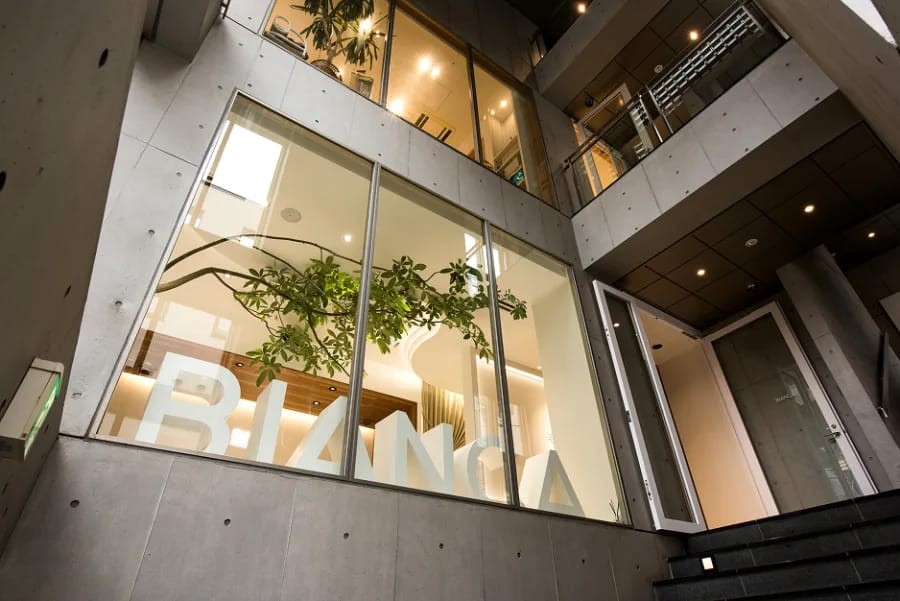
Source:BIANCA CLINIC
A Wellness-Focused Clinic Spanning Surgery to Regenerative Care
BIANCA CLINIC combines cosmetic surgery, dermatology, internal medicine, and regenerative treatments across its Omotesando and Ginza locations, and has provided care to patients from many countries.
HIFU Lifting with the ULTRAcel Zi Device
Note: BIANCA’s treatment is a HIFU procedure using the ULTRAcel Zi device, not the Ultherapy-brand device. It delivers focused ultrasound to the skin’s deeper layers, including the SMAS layer, and is expected to provide a lifting effect for sagging cheeks, double chin, and fine lines. Session length varies by treatment area.
English Support
The clinic offers English-language online booking, a 24-hour WhatsApp chat line, and consultations.
How to Book
Reservations can be made through the official online booking page or via WhatsApp.
| Address | Ginza: 12F ONE GINZA, 1-8-19 Ginza, Chuo-ku, Tokyo
BIANCA Cosmetic Surgery & Medical Spa (Omotesando): Minami-Aoyama 511 Building, 5-11-10 Minami-Aoyama, Minato-ku, Tokyo |
| Phone Number | Ginza: +81-50-3196-4834
BIANCA Cosmetic Surgery & Medical Spa (Omotesando): +81-50-1807-1593 |
| Business Hours | 10:00 AM –7:00 PM |
| Holiday | Irregular |
| Access | Ginza: A 4-minute walk from Ginza Station on the Tokyo Metro Ginza Line. A 1-minute walk from Exit 7 of Ginza-itchome Station on the Tokyo Metro Yurakucho Line. A 3-minute walk from Exit 3 of Kyobashi Station on the Tokyo Metro Ginza Line. An 8-minute walk from the Kyobashi Exit of JR Yurakucho Station. BIANCA Cosmetic Surgery & Medical Spa (Omotesando): A 5-minute walk from Omotesando Station, Exit B1 |
Plaza Plastic Surgery
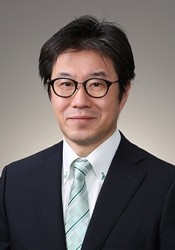
Source:Plaza Plastic Surgery
A US Board-Certified Plastic Surgeon’s Clinic in Hiroo
Plaza Plastic Surgery is led by Dr. Robert Kure, a US board-certified plastic surgeon trained at UCLA, and has operated in the Hiroo area of Tokyo since 2007.
FDA-Cleared Ultherapy for Non-Surgical Lifting
The clinic offers Ultherapy, an FDA-cleared, non-surgical ultrasound treatment designed to tighten the face, neck, brow, and décolletage area. The treatment is generally associated with minimal downtime, although this may vary depending on the individual.
English Support
Dr. Kure is fluent in English, and the clinic prepares itemized invoices and documentation for overseas insurance claims.
How to Book
Appointments can be requested by phone or through the clinic’s online consultation request page.
Plaza Plastic Surgery
Ultherapy treatment
| Address | 5-5-1 Hiroo, 4F, Shibuya-ku, Tokyo |
| Phone Number | 03-5475-2345 |
| Business Hours | Mon, Tue, Thu, Fri, Sat: 9:30 AM – 6:00 PM |
| Holiday | Wednesdays, Sundays, public holidays |
| Access | 1 min walk from Hiroo Station (Hibiya Line) |
Matsurika Clinic Ginza
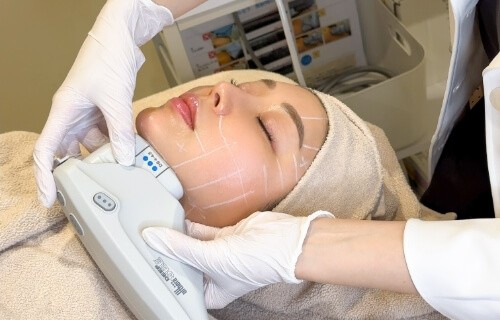
Source:Matsurika Clinic Ginza
A Private, Female-Doctor-Led Skin Clinic in Ginza
Matsurika Clinic Ginza is a cosmetic dermatology clinic in central Ginza, offering treatment in fully private rooms. Each room is equipped with a vanity table and doctor’s cosmetics, allowing patients to relax comfortably from pre-treatment preparation through post-treatment touch-ups.
Ulthera HIFU for Sagging and Fine Lines
The clinic’s Ulthera treatment uses FDA-approved high-intensity focused ultrasound to target the fat layer and SMAS layer beneath the skin, addressing concerns such as nasolabial lines, jawline sagging, and chin contour. A session generally takes about 30 minutes to an hour.
English Support
The clinic publishes a full English website with treatment details and pricing.
How to Book
Booking is available through the official online reservation system or via the clinic’s LINE account.
Matsurika Clinic Ginza
Ulthera Prime/Ulthera treatment
| Address | Maniera Ginza Building 10F, 2-10-8 Ginza, Chuo-ku, Tokyo |
| Phone Number | +81-3-6278-7073 |
| Business Hours | 10:00 AM – 7:00 PM |
Frequently Asked Questions
Is Ultherapy painful?
Pain tolerance varies widely between patients, but Ultherapy is generally considered one of the more uncomfortable non-invasive treatments due to the depth of energy delivery. Most clinics offer topical anaesthetic as standard, and some provide additional pain management options. Discussing pain management before your session is advisable.
How many Ultherapy sessions do I need?
Most patients begin with a single session and assess results over the following three to six months. Some patients — particularly those with more significant laxity — may benefit from a second session approximately six months after the first. Annual or biannual maintenance sessions are common.
Am I a good candidate for Ultherapy?
Ultherapy is most effective for patients with mild to moderate skin laxity who are not yet candidates for surgery. It is not well-suited for patients with very significant tissue excess or very thin skin with minimal collagen reserves. A thorough consultation with an experienced practitioner will determine your candidacy.
Is Ultherapy safe for all skin tones?
Yes. Because Ultherapy uses ultrasound energy rather than light or laser, it is not affected by skin pigmentation and is safe across all Fitzpatrick skin types.
Can Ultherapy be combined with other treatments?
Yes. Ultherapy is frequently combined with injectables such as botulinum toxin and fillers, as well as skin quality treatments such as Profhilo or Morpheus8, as part of a comprehensive facial rejuvenation plan. Your practitioner can advise on appropriate sequencing.
Final Thoughts
Ultherapy occupies a distinctive position in the non-surgical lifting landscape — the only device with FDA clearance for lifting, the only one with real-time tissue visualisation, and one of the few that genuinely targets the structural layer of the face. For patients in Tokyo seeking a credible, evidence-based lifting option without surgery, it merits serious consideration.
As with any premium aesthetic treatment, results depend significantly on patient selection, practitioner experience, and realistic expectations. Consulting with a clinic that takes the time to assess your candidacy honestly is the most important step toward a successful outcome.
| ・This website provides general knowledge about aesthetic medicine from a neutral perspective as much as possible. Please note that the information is not intended to encourage self-diagnosis. Be sure to check the official website of the clinic and consult each medical institution for details regarding treatment. ・This article is based on information available at the time of writing and publication. Please check the official website for the latest updates. ・If cosmetics or massage-related content is mentioned, it is not within the scope of medical supervision. |