Tokyo offers world-class healthcare, but language gaps can turn even a routine skin concern into a stressful experience.
If you are looking for an English-speaking dermatologist Tokyo that both residents and visitors can trust, this guide explains how to identify reliable clinics, what services to expect, typical costs, and how to prepare for a smooth, confident appointment.
This guide covers medical treatments (eczema, acne, mole checks) and cosmetic procedures (including laser therapy and other aesthetic treatments) in central Tokyo areas like Shinjuku, Shibuya, and Minato, plus online options for busy schedules.


Where to Find an English-Speaking Dermatologist in Tokyo
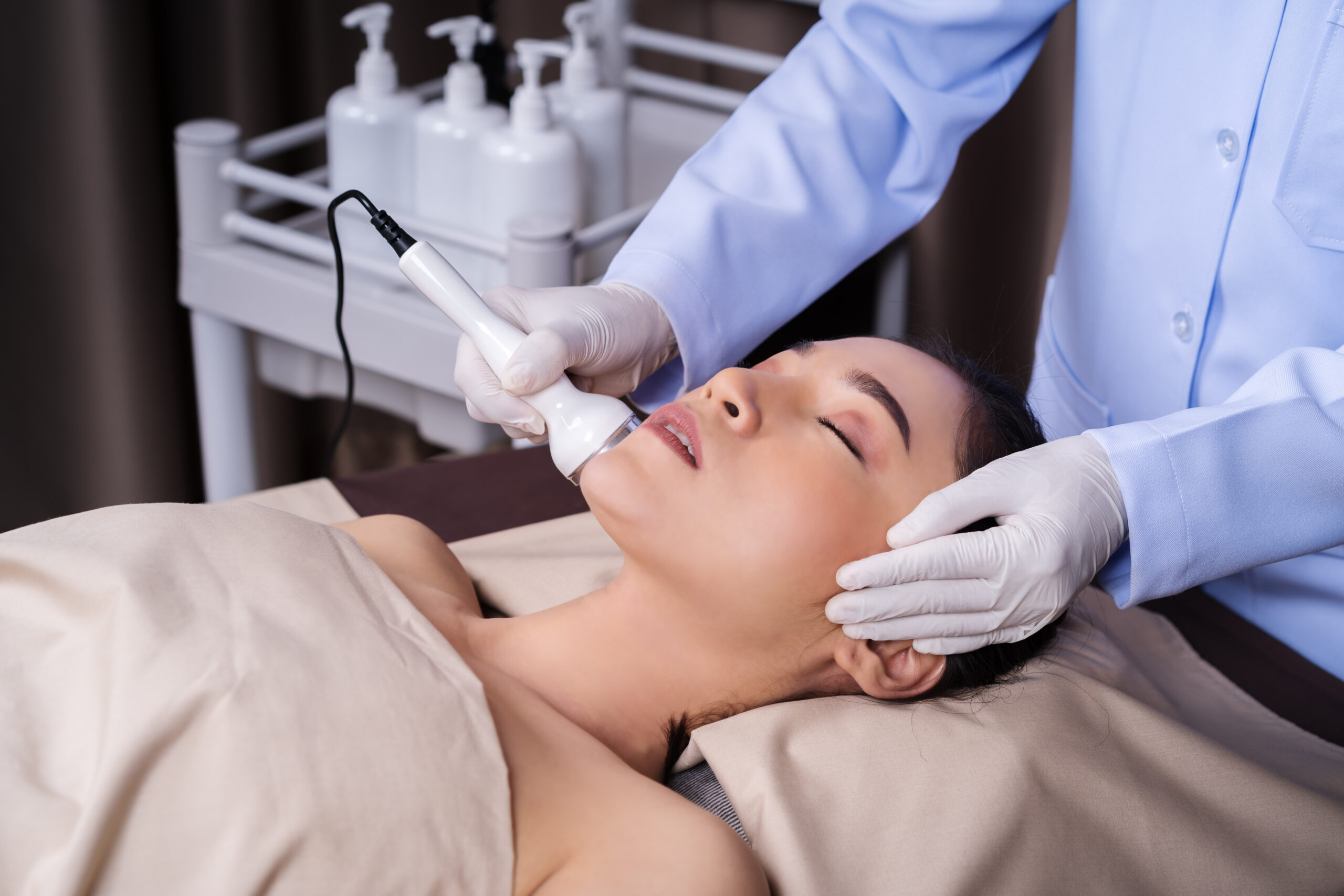
Begin with reputable sources and always verify language support before booking:
- International clinics in Minato (Roppongi, Hiroo) and Shibuya that offer multilingual staff and online booking
- University hospitals offering international patient services and coordinated referrals
- Insurance provider directories listing in-network dermatologists and their language capabilities
- Embassy and consulate medical lists curated for expatriates and travelers
- Expat forums and professional groups sharing recent, first-hand experiences
- Teledermatology platforms with English interfaces for initial consultation and follow-up
When searching online, use targeted queries such as English-speaking dermatologist Tokyo and read recent reviews for insights on communication, professionalism, and bedside manner.
Services You Can Expect
English-speaking dermatology clinics in Tokyo typically treat both medical and cosmetic concerns.
Medical treatments:acne, rosacea, eczema, psoriasis, hives, contact allergies (including patch testing), fungal and bacterial infections, hair loss, nail disorders, mole checks, dermatoscopy, biopsies, and cryotherapy.
Cosmetic procedures: laser treatments, chemical peels, microneedling, botulinum toxin, fillers, and scar management.
Ask about potential risks, downtime, and aftercare.
Request to see before-and-after photos to set realistic expectations.
Costs and Insurance Basics
Prices vary by clinic and treatment complexity.
Under Japan’s National Health Insurance, many medical services are partially covered, with patients typically paying 30% of the total cost.
Without insurance, private rates apply.
Approximate ranges include:
- Initial consultation: 1,500–4,000 JPY with insurance; 6,000–15,000 JPY self-pay
- Procedures (insured): cryotherapy 1,000–3,000 JPY per lesion; biopsies with pathology 5,000–20,000 JPY
- Cosmetic procedures (not covered by insurance): lasers and injectables generally 10,000–40,000+ JPY per session
Confirm fees in advance, request an itemized receipt, and obtain a medical report if you plan to submit claims to private insurance.
Booking and Communication Tips
- Confirm which days English-language consultations are available
- Prepare a clear symptom timeline, known triggers, and past treatments that worked or failed
- Bring a list of medications and allergies, as well as photos of flare-ups or progress
- Clarify payment methods, refund policies, and prescription procedures
- Ask for written instructions and follow-up schedules to avoid misunderstandings
What to Expect During the Visit
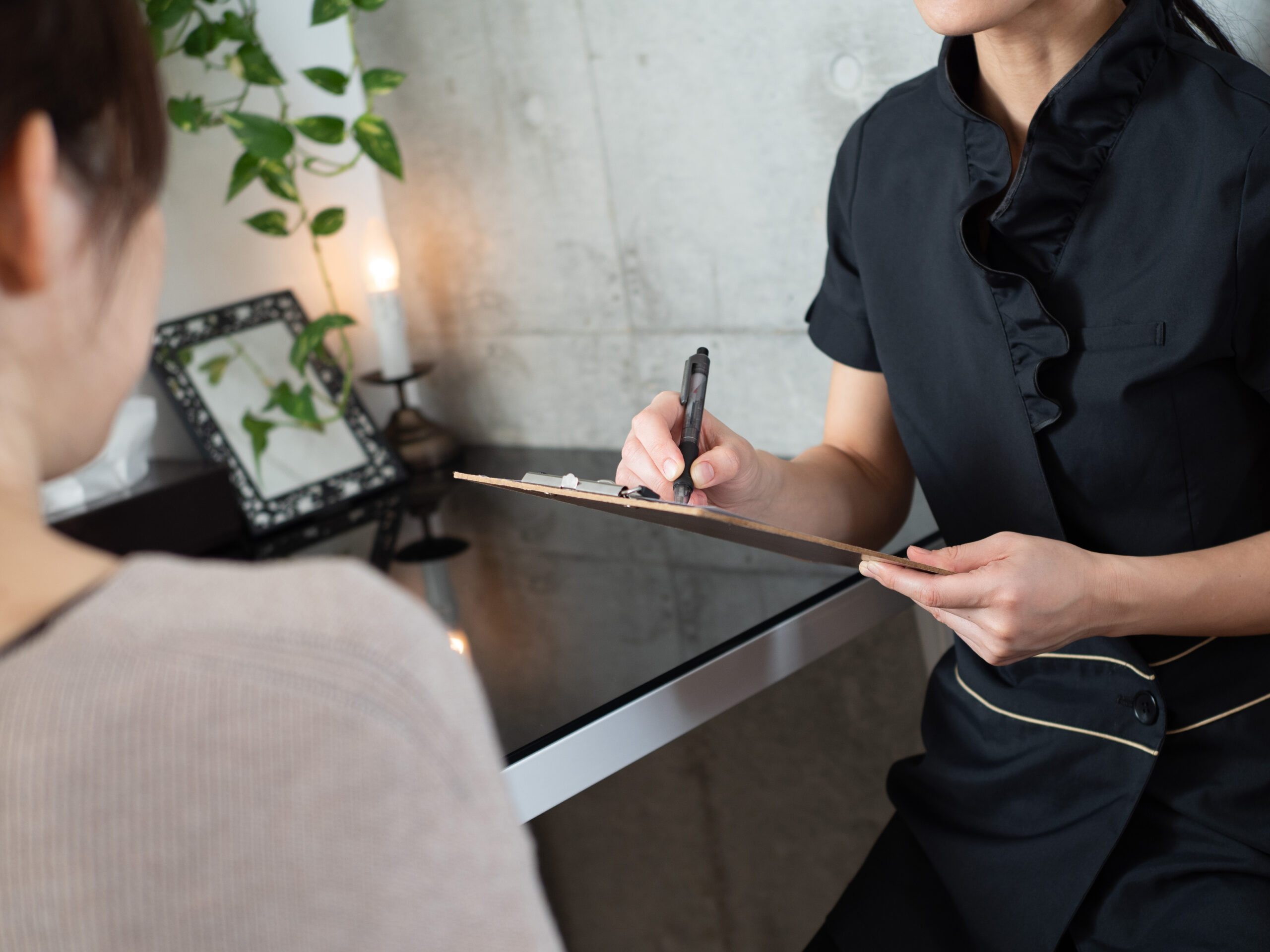
You will go through a focused medical history review, an examination under bright light or dermatoscopy, and any other tests that may be needed after you check in and fill out a short intake form.
Your dermatologist will talk to you about possible diagnoses, go over treatment options with their risks and benefits, and give you a plan that includes medication, procedures, skin care, and follow-up.
A lot of clinics now have secure online portals where you can get your results and check in from afar.
How to Evaluate Quality
Credentials to Look For
- Board certification in dermatology and evidence of ongoing training
- International education or conference participation indicating up-to-date practice
- Clear English consent forms and written aftercare guidance
- Transparent fee structures and predictable follow-up schedules
Red Flags
- Hard selling of cosmetic packages before proper assessment
- Vague pricing, cash-only policies without receipts, or reluctance to share records
- No explanation of risks, alternatives, or realistic timelines for improvement
Urgent Situations
Some skin issues need immediate attention.
Go to the emergency department or call 119 (Japan’s emergency number) if you experience:
- A rash that’s spreading fast, especially with a fever
- Severe blistering or pain
- Swelling in your face or tongue
- Trouble breathing
- Signs of a serious infection
If it’s after hours and you’re not sure what to do, Tokyo has medical hotlines you can call.
Check your local ward’s website for the number, and ask if they have English support before explaining your situation.
Conclusion
Finding a good English-speaking dermatologist in Tokyo doesn’t have to be stressful.
Begin with sources you can trust, make sure they offer services in English, and ask about prices up front.
Bring pictures of your skin problem and a list of what you’ve already tried.
You now have the tools to find quality care without the language barrier getting in the way whether it’s a quick mole check or ongoing treatment for a chronic condition.
| ・This website provides general knowledge about aesthetic medicine from a neutral perspective as much as possible. Please note that the information is not intended to encourage self-diagnosis. Be sure to check the official website of the clinic and consult each medical institution for details regarding treatment. ・This article is based on information available at the time of writing and publication. Please check the official website for the latest updates. ・If cosmetics or massage-related content is mentioned, it is not within the scope of medical supervision. |