
A NERO DOCUMENTARY
The Unstained
Path
The Story of Kenichi Adachi, Editor-in-Chief of NERO
PROLOGUE
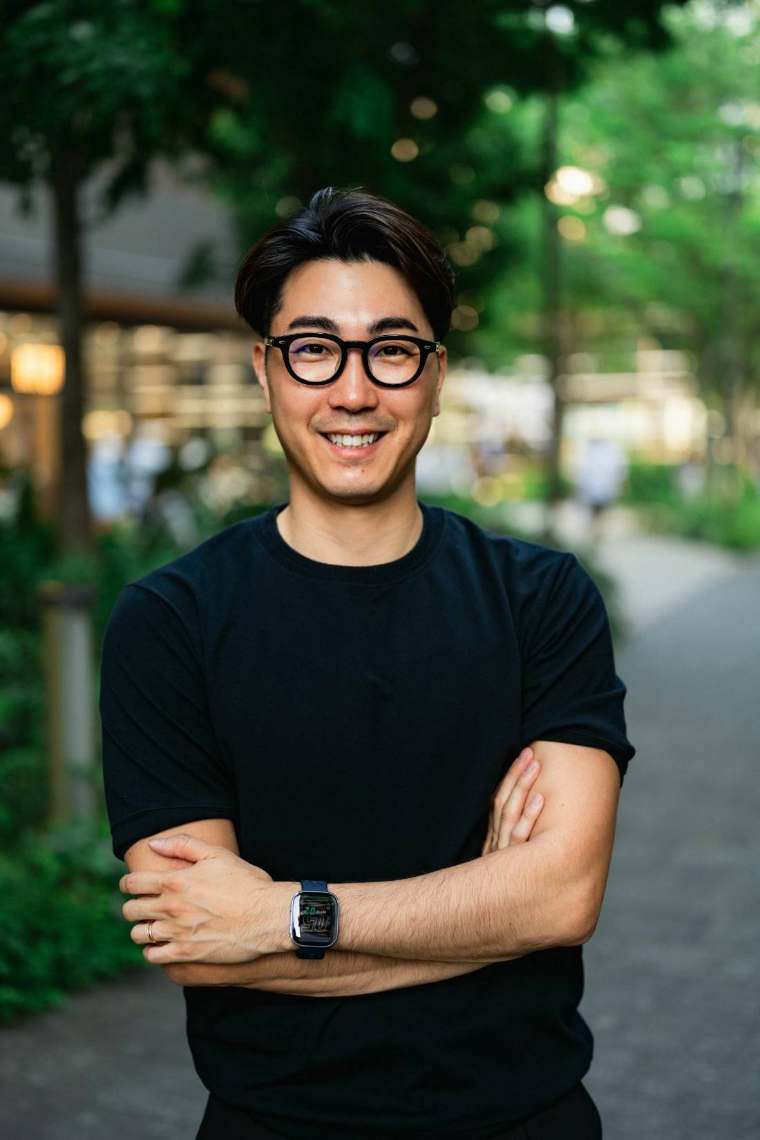
A chronic skin condition he had lived with since the age of three turned on him at nineteen. The skin across his body became raw, as if burned, then thick and hard. By morning, the skin he had scratched open in his sleep was glued to his shirt with blood and fluid. He could barely walk. For a year, he shut himself in his room, away from other people’s eyes.
At the bottom of that pain, he found a conviction that would lead him to nursing, across the ocean, and eventually to a life’s work: information that connects health and beauty. This is the story, so far, of Kenichi Adachi (42 at the time of this 2026 interview), the man behind NERO, a media outlet built to stay unstained by anything.
CONTENTS
Contents
- 01Beauty is living as yourselfOn Beauty
- 02A serious illness at 19, and a turning pointThe Turning Point — Age 19
- 03From social care to nursing: starting overLearning Again
- 04Prevention and self-care, seen in AmericaPrevention — America
- 05Building an information infrastructure for beauty and healthThe Infrastructure of Information
- 06Accepting people as they are, a gaze inherited from his grandmotherThe Way of Listening
- 07A life in balance: family, nature, and humorA Life in Tune
- 08Toward a world where people are glad the information existedFor a Better Choice
- 09Living to connect health and societyA Life That Connects
01
ON BEAUTY
Beauty is
living as yourself
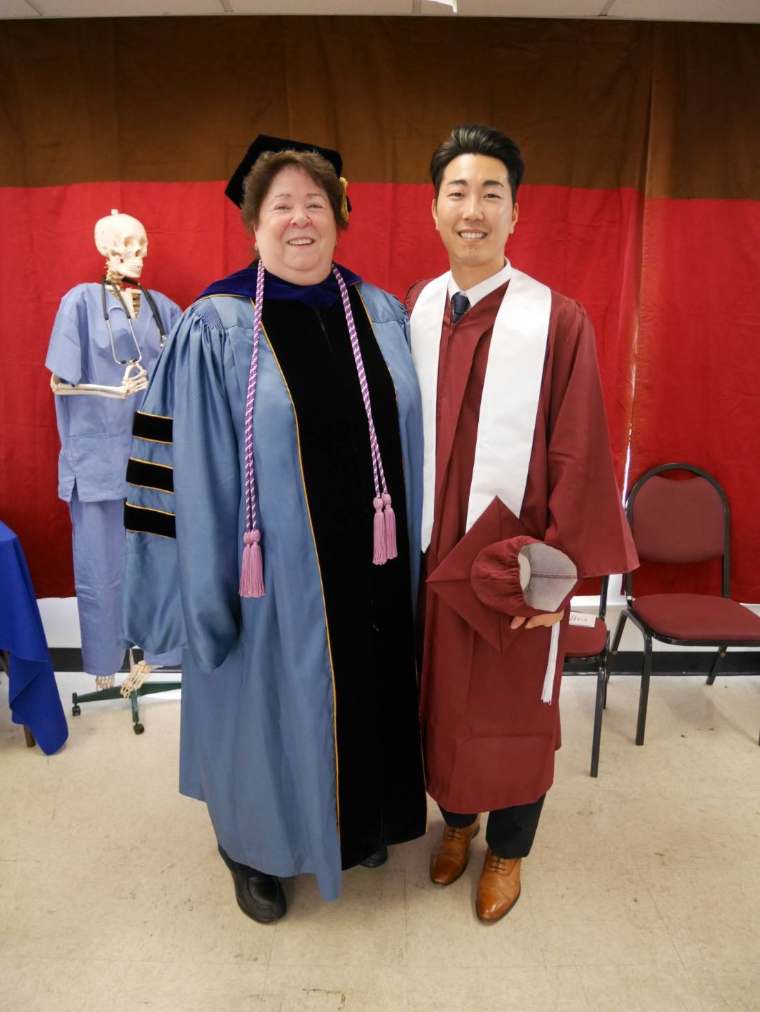
“Beauty is something that lifts you up, but more than that, I think it is a way of living. It isn’t just about looking beautiful. It’s about whether you can be yourself. In the end, I think that is what holds up a person’s beauty.”
“These days, a lot of people struggle with the question of who they really are. Beauty can be a tool for making up for insecurities about appearance. But there are countless people who shine without any of that.”
“So to me, beauty is one of the things that supports how a person lives. Ultimately, it comes down to being able to be yourself. That, I believe, is what it truly means.”
Ultimately, it’s about
being yourself.
02
THE TURNING POINT — AGE 19
A serious illness at 19,
and a turning point
The event that changed everything
“When I was 19, something happened that turned my life upside down. I’d had a chronic condition since I was three. Until then, it only flared up a little in winter. At 19, it suddenly got much worse. Symptoms spread to everything below my neck, in every season.”
“When it was bad, my T-shirt would stick to my skin. I scratched my whole body in my sleep and woke up every morning with bloody hands. The fluid dried and glued my shirt to me, and every time I peeled it off, my skin came with it. It came off like a burn, and my whole body was covered in thick, hard skin. My legs hurt so much I couldn’t walk properly. For a year, I barely left the house.”
Too proud to ask for help
“I had failed every high school entrance exam, and the only place I could go was a part-time evening school. I paid my own tuition. It felt like my parents had pushed me away. Part of me was putting on a brave face, and I couldn’t say ‘help me’ to anyone. I couldn’t go out anywhere, and for a year I more or less shut myself in. At the gas station where I worked part-time, my skin was in such bad shape that I couldn’t run, and people kept telling me, ‘Your legs look bad.’”
Wherever you walk, something gets dirty.
—But you seem down. Are you okay?
Only his grandmother never gave up on him
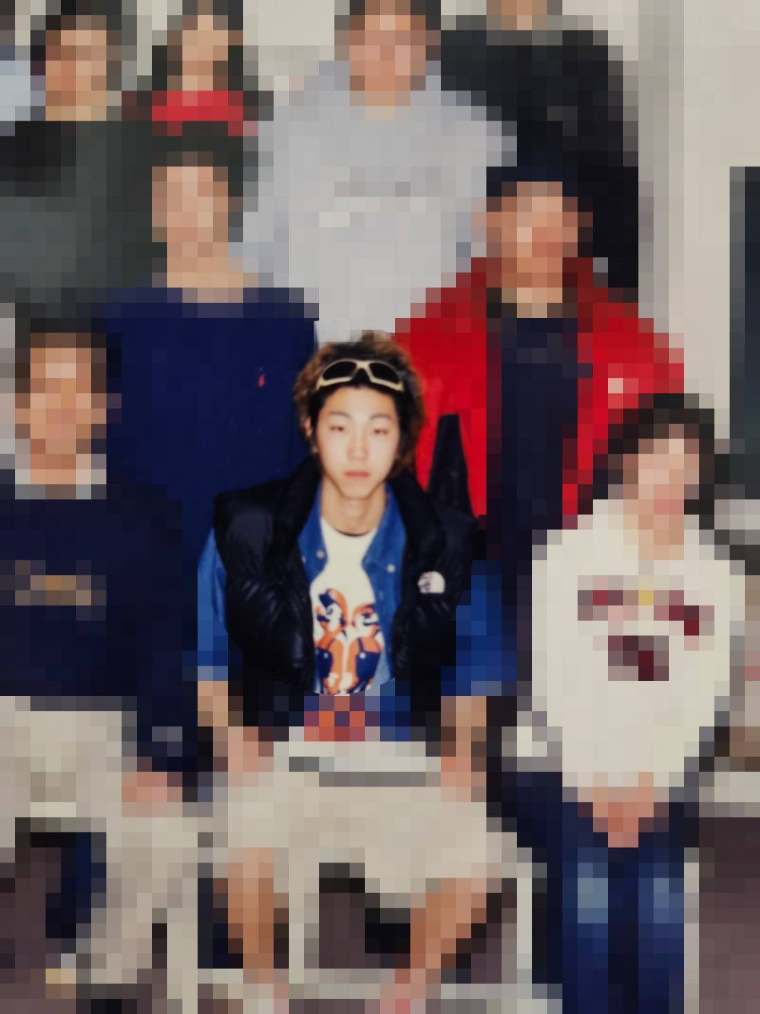
“My skin was falling off all over, like a zombie’s. I hated the white flakes dropping out of my trousers with every step, so even in summer I wore tights with socks on top so nothing would fall out. Then one day my grandmother, who I barely spoke to at home, said, ‘You seem a little down lately.’ Those words went straight through me, and for the first time I was able to admit what I was going through.”
“When she heard, my grandmother scolded my mother right in front of me: ‘Your own child is suffering like this. Why haven’t you said anything to him?’ Watching her stand up for me, I also felt I had done something unfair to my mother.”
In the waiting room, an honest talk with his mother
“The school nurse had once told me about a well-known dermatology professor at a respected university hospital nearby. The moment I saw my grandmother scolding my mother, that came back to me, and I said, ‘I want to go there.’ I was seen the very next week. When I undressed for the exam, my mother was speechless. The doctor said, ‘You put up with this for a whole year? That must have hurt.’ I was admitted on the spot.”
“In the waiting room, my mother and I talked honestly for the first time. At 19, at such a sensitive age, I hadn’t been able to date or go out. But I remember saying out loud, for the first time, that maybe not being able to do those things had actually protected me.”
Whatever your shape, however you look,
being able to act as yourself
may be the most beautiful thing of all.
The bright, strong man in the next bed
“The patient in the next bed was even worse off than me. His symptoms reached his face, and the skin all over his body had become thick and hard. But in front of the friends who came to visit, he was incredibly cheerful: ‘Don’t worry, I’ve always had this.’ How could he be so bright in that condition? I had convinced myself I was ugly and should be ashamed, and to me he seemed so strong. That became one of the clues to who I wanted to be at my core.”
Afraid of the night, and then recovery
“I knew I would scratch myself raw in my sleep, so I was afraid to sleep at all. I wore cotton gloves, covered them with plastic, and tied rubber gloves at my wrists, but I’d pull everything off in my sleep. When I asked the doctor, he said humans are less able to endure itching than pain. That made sense to me.”
“That doctor believed the condition could be controlled if steroids were used correctly. He adjusted the strength to the severity and was thorough about creating an environment where the itching wouldn’t start. After bathing, you seal the damp skin with oil so the moisture can’t escape. With that kind of careful, detailed care, the symptoms that had tormented me settled down in two weeks.”
* This is a personal experience and does not guarantee any treatment outcome. Treatment should be decided with a qualified physician.
“My doctor told me, ‘Study your own illness yourself.’ That stayed with me. If I had been through this much pain, maybe I could give something back to others in return. I wanted to live for other people. That is where my road to nursing began.”
03
LEARNING AGAIN
From social care to nursing:
starting over
At 20, back in class alongside junior high students
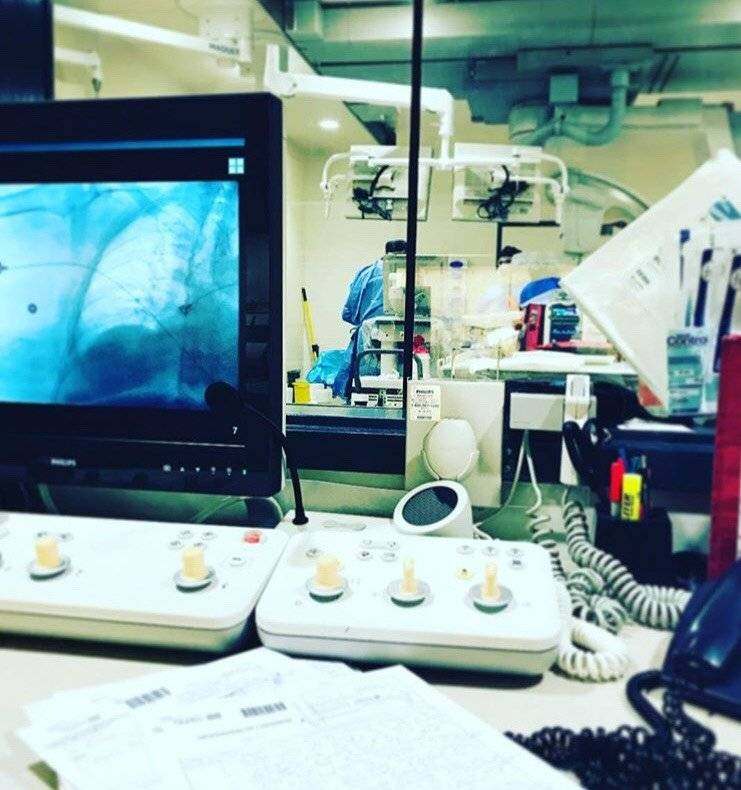
“Before I became a nurse, I worked in social care. I didn’t have a basic education, so at 20 I started going to cram school alongside junior high students. First I went to a junior college for social care and worked as a care aide. But the feeling kept growing that if I learned more, I might be able to help more people.”
“The girlfriend I’d been with for about seven years was a nurse, and I looked up to her. The way she worked for other people was so cool. Becoming a doctor might be out of reach, but if I went back to basics, starting with factoring equations, maybe I could become a nurse. That was the challenge I took on at 20.”
I had no education,
but I wanted to do something for others.
How many people are suffering
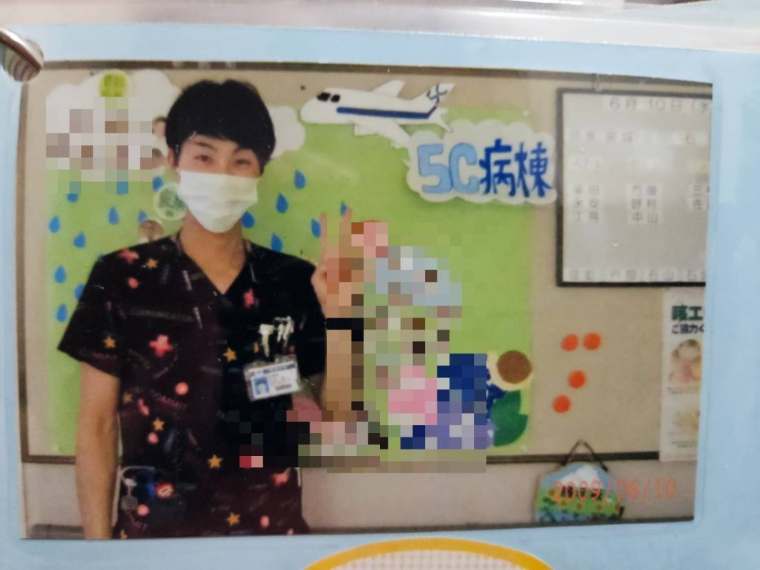
“Passing the national licensing exam was hard enough, but when I started working, my first thought was: there are this many sick people? Step outside and everyone looks healthy, yet inside the hospital there are so many people truly suffering. The wards were always in a state of commotion.”
In a workplace wearing people down
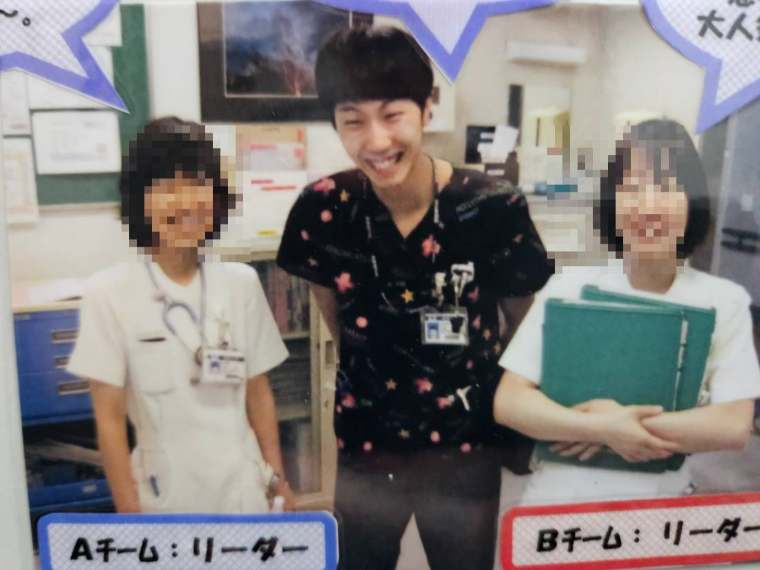
“I got told off almost every day. I struggled with the relationships at work too, and there were countless nights I wanted to quit. But at some point I realized: maybe the problem wasn’t the people. Maybe it was the system.”
“The senior nurses who were hard on me often turned out to be really good people once we had lunch together. Nobody started out unkind. Inside an outdated system, people wear down and slowly lose their capacity for patience. I always felt something was wrong with that.”
Nursing is meant to be a freer, cooler profession, one that opens up possibilities.
Doubts about nursing in Japan, and a move abroad
“When I looked at the rest of the world, the picture was completely different. In Japan, what nurses may do is tightly defined. In some other countries, nurses can suture, prescribe some medications, and even diagnose. There were systems that let nurses reach their full potential.”
“The turning point came around my third year at a university hospital, when I met a nurse who was working internationally. Listening to her, I felt that what had been smoldering inside me finally had a name. I wanted to make nursing in Japan even a little better. To do that, I first had to go and see the world outside.”
“In my late twenties, I decided to take on the world outside Japan. I spent two years in the Philippines immersing myself in English, and then went on to a university in the United States.”
04
PREVENTION — AMERICA
Prevention and self-care,
seen in America
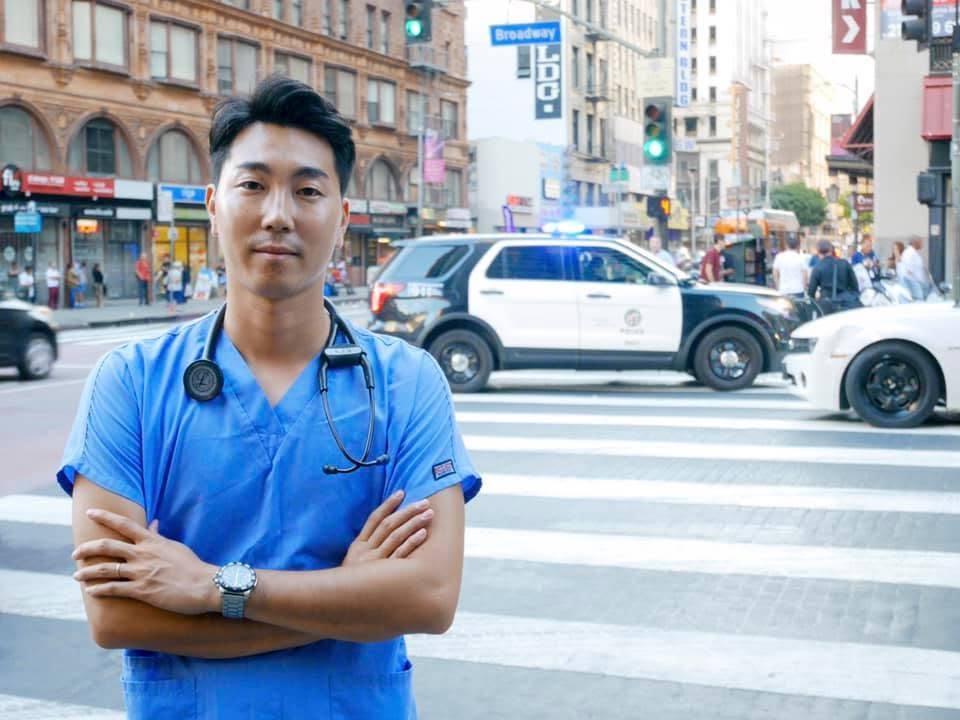
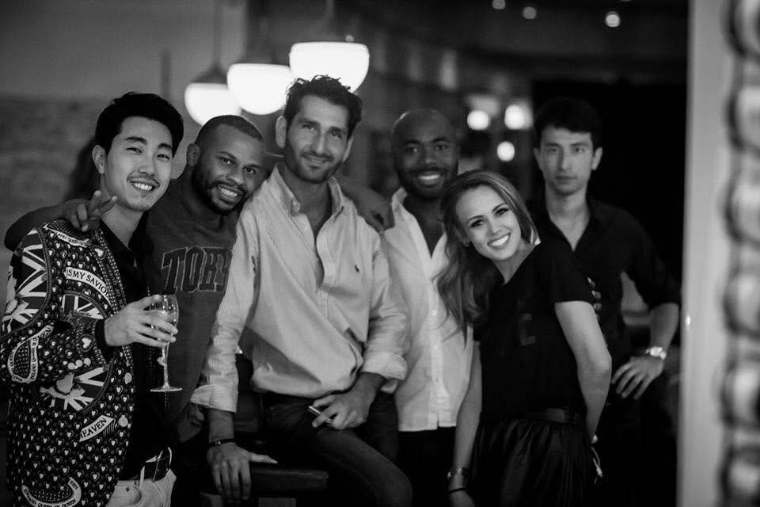
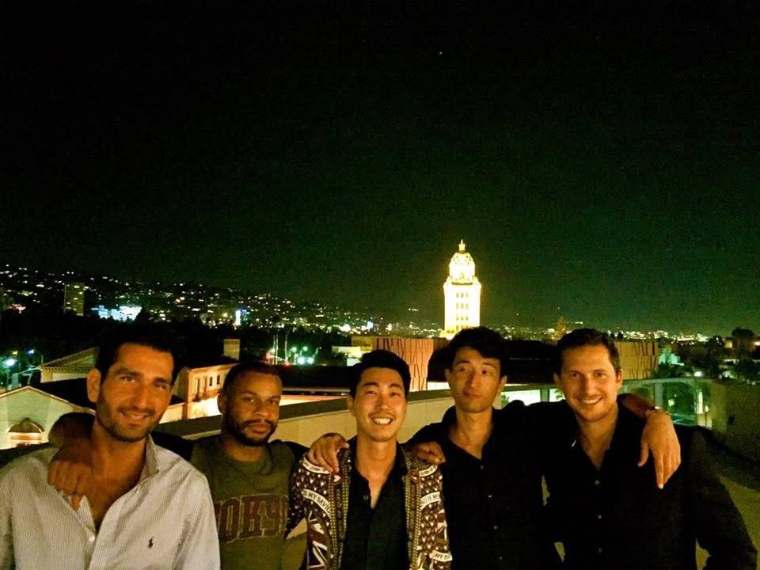
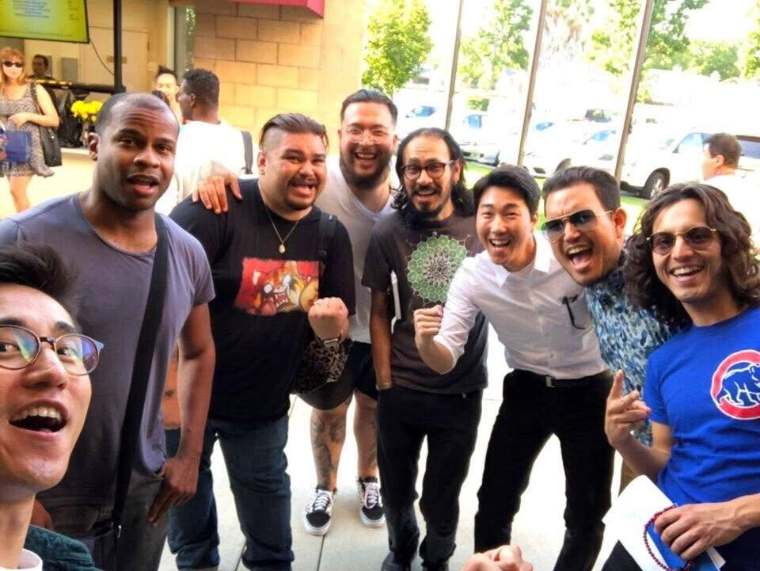
Friends met across many cultures — Los Angeles
Your health is your own responsibility
“What surprised me most in America was the culture: without universal health insurance, you have to protect your own health. Drugstores were overflowing with supplements, and there was a huge range of over-the-counter medicines. That was a real shock to me.”
Discovering work on staying well
“While looking for work there, I met a friend who was focused on how to build a body that doesn’t get sick. I had never been physically strong, so the idea of prevention and self-care hit me hard. Build a career in nursing, or move toward keeping people from getting sick in the first place? The two interests grew side by side.”
“And so, after returning to Japan, the job I chose was at a company working on exactly that: how to prevent illness.”
05
THE INFRASTRUCTURE OF INFORMATION
Building an information infrastructure
for beauty and health
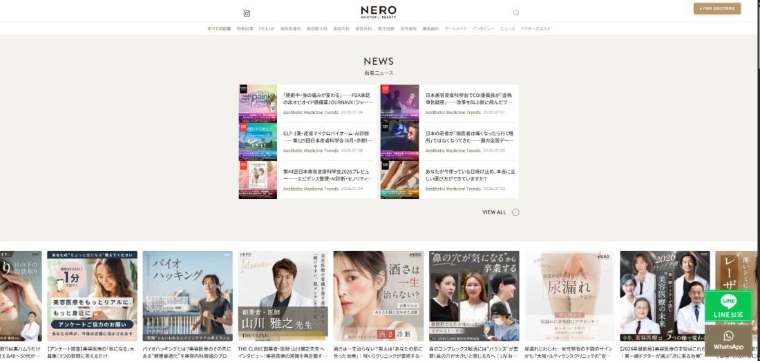
“In my work after coming home, one thing stood out: the patients and users who were struggling the most only reached the information they needed after searching again and again. It isn’t like seeing a local doctor for a cold. People with problems that just won’t go away would tell me, ‘I searched and searched, and happened to find this.’ The distance between people and the information they need is far too long.”
“On the other side, doctors struggle to communicate their treatment philosophy and beliefs. It only travels through referrals and word of mouth. I started to think: what if there were an information infrastructure connecting the two?”
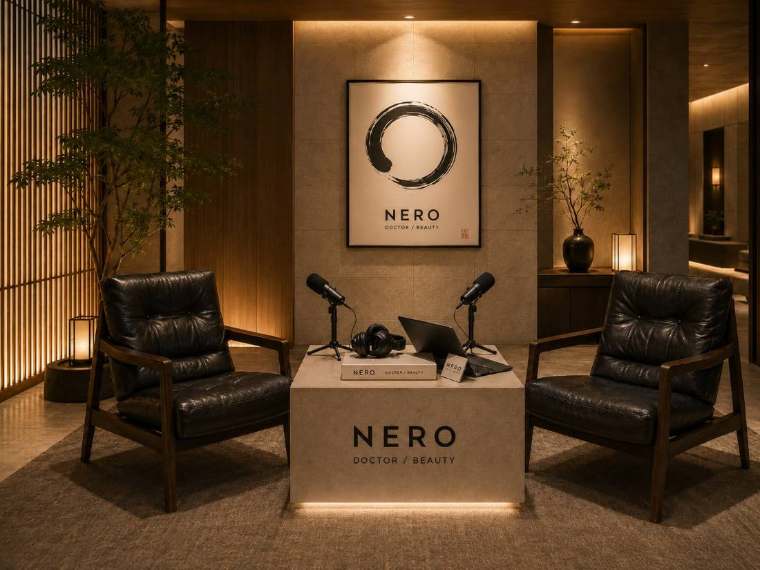
The people who struggle most
are the ones who can’t reach the information.
Health and beauty are remarkably close
“The more I worked, the more I felt how close health and beauty are. Beauty doesn’t just lift you up. It makes you want to maintain that state. If someone tells you a habit will hurt your skin, you want to avoid it, whether it’s about sleep or food. I think that is a remarkable power. Beauty, and by extension health: I had a vague sense that I wanted to build the infrastructure that connects them.”
Connecting doctors’ convictions with users’ problems
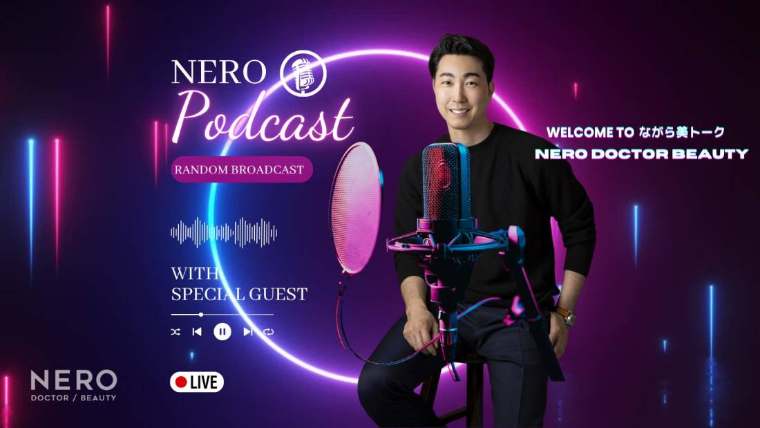
“I truly enjoy the work I do now. I get to understand the convictions a doctor brings to treatment. And there are user problems that only become visible online. When you read the intent behind a search query, you start to see the story the person is carrying. How do we raise not just awareness but literacy? Or, even if literacy doesn’t rise, how do we build a world where people can find the right information in the shortest path? That is the challenge we face today.”
Beauty as part of everyday life
“Beauty covers a wide range, from cosmetic surgery to dermatology, gynecology, dentistry, and even inner well-being. The idea of longevity, extending healthy lifespan, is spreading too. Beauty is no longer only about changing your appearance or having surgery. I feel we are entering an era where it becomes part of how we live.”
06
THE WAY OF LISTENING
Accepting people as they are,
a gaze inherited from his grandmother
Knowing what matters to the other person
“First, get to know the other person well. What matters to them, what they most want from you, what they want you to understand. I care about that a lot. Not a binary of good and bad, but first properly accepting the person as they are. Doctors, patients, members of the public: everyone is equal. That doesn’t change, at work or in private.”
“Because I have always valued being able to be myself, I want others to be themselves too. I think that attitude is what makes me a good listener. I suppose I’ve simply always liked people.”
First, accept the person
exactly as they are.
Beyond society’s walls, treating people like family
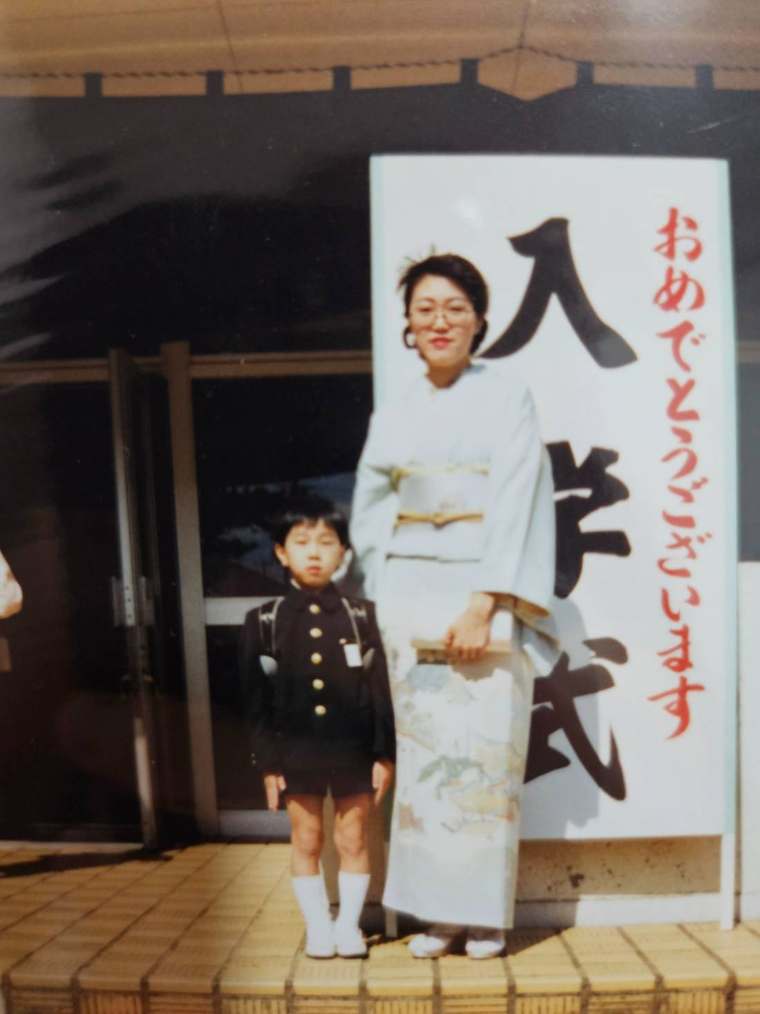
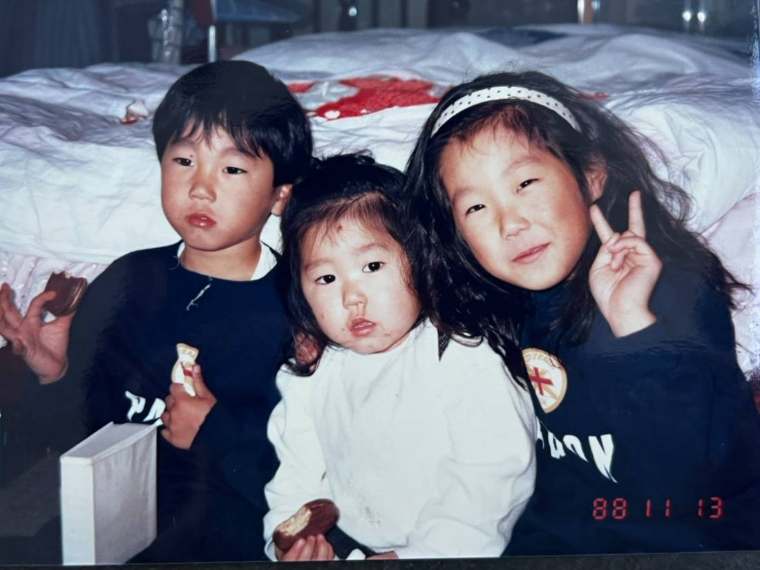
“When I was a child, my grandmother had a very strong sense of social responsibility. People who had a hard time finding a place in society, because of disabilities or other circumstances, she actively welcomed: ‘Come live and work with us.’ Before I knew it, there was a live-in ‘big sister’ at our house, cleaning with all her heart.”
“People without family ties, or facing all kinds of social barriers, my grandmother took in as family, and from within that circle she tried to send them back out into society. So from a young age I grew up closely connected with people outside my family. Being attentive to others doesn’t really stress me out.”
Choosing information, tuning yourself
“When you are the one publishing, an enormous amount of information comes your way. You feel your knowledge growing, and above all you become able to choose. Without deciding that only this is good and that is bad, you find what feels right to you and hold onto it. Judging whether something suits you or not is how I keep myself in balance.”
07
A LIFE IN TUNE
A life in balance:
family, nature, and humor
Mental well-being, and a body that moves
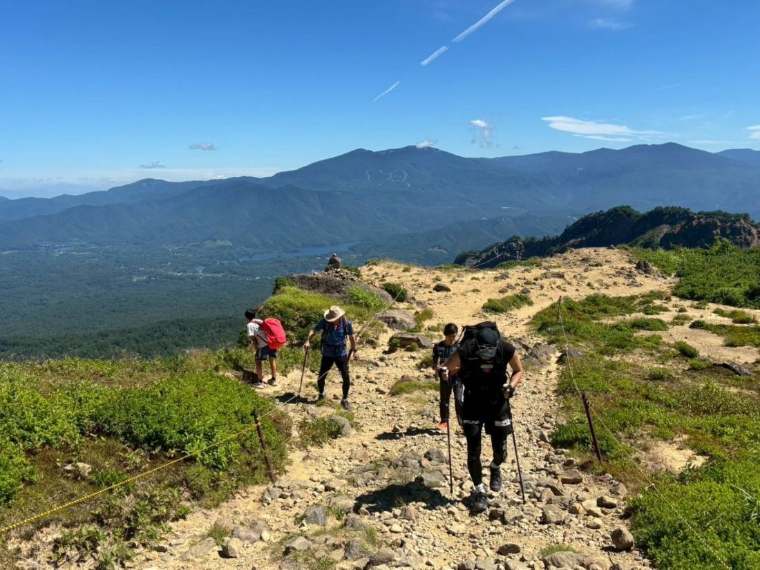
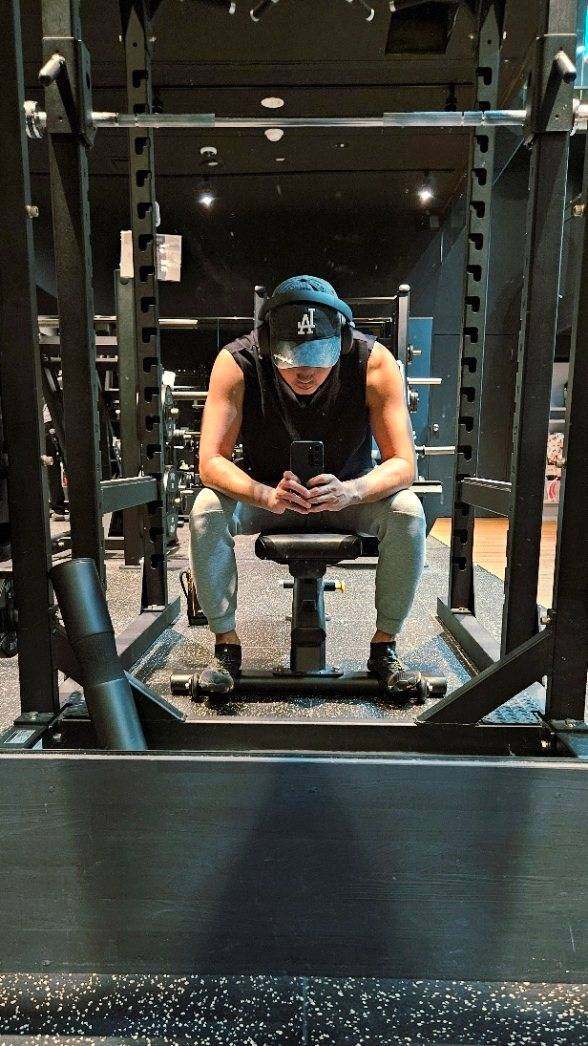
“I value mental health and a sense of richness in life. In the morning I run or walk, feeling the green, the wind, the seasons. After 40 the body starts to decline, so without some load it won’t improve. I try to keep a body that can move, in a way that lets me stay myself.”
Raising your gut, like keeping a pet
“I try not to eat within three hours of going to bed. Protein, fiber, and above all my gut environment. I think of it as raising the bacteria in my gut, almost like keeping a pet. When they’re in a bad mood, I get irritable; when they’re doing well, I feel fantastic. But overthinking it becomes stressful in itself, so I want an eating style built around what feels right for me.”
Not overplaying the role. New paths, with family
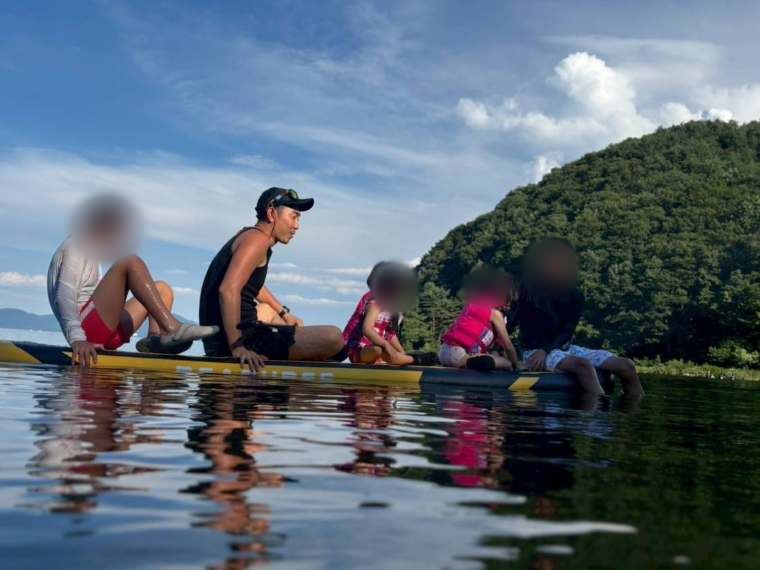
At work, there’s no escaping the pressure to present and to perform. But if that spills into private life, I stop being myself. So when I’m off, time with my family matters enormously. I love new things; even on a walk, I pick a different route. As a couple and as a family, we go somewhere new every week and discover things from different angles. Spending as little money as possible, out in nature: that’s my theme.
Being in nature, enjoying my family.
That’s my biggest hobby right now.
Off duty, always joking
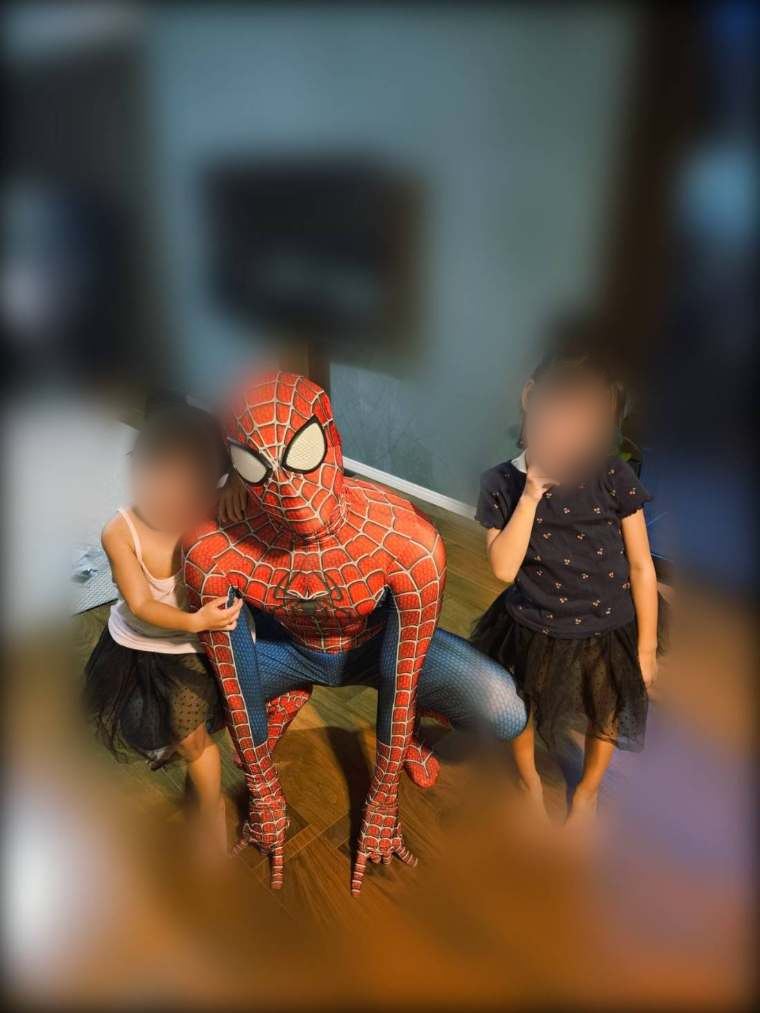
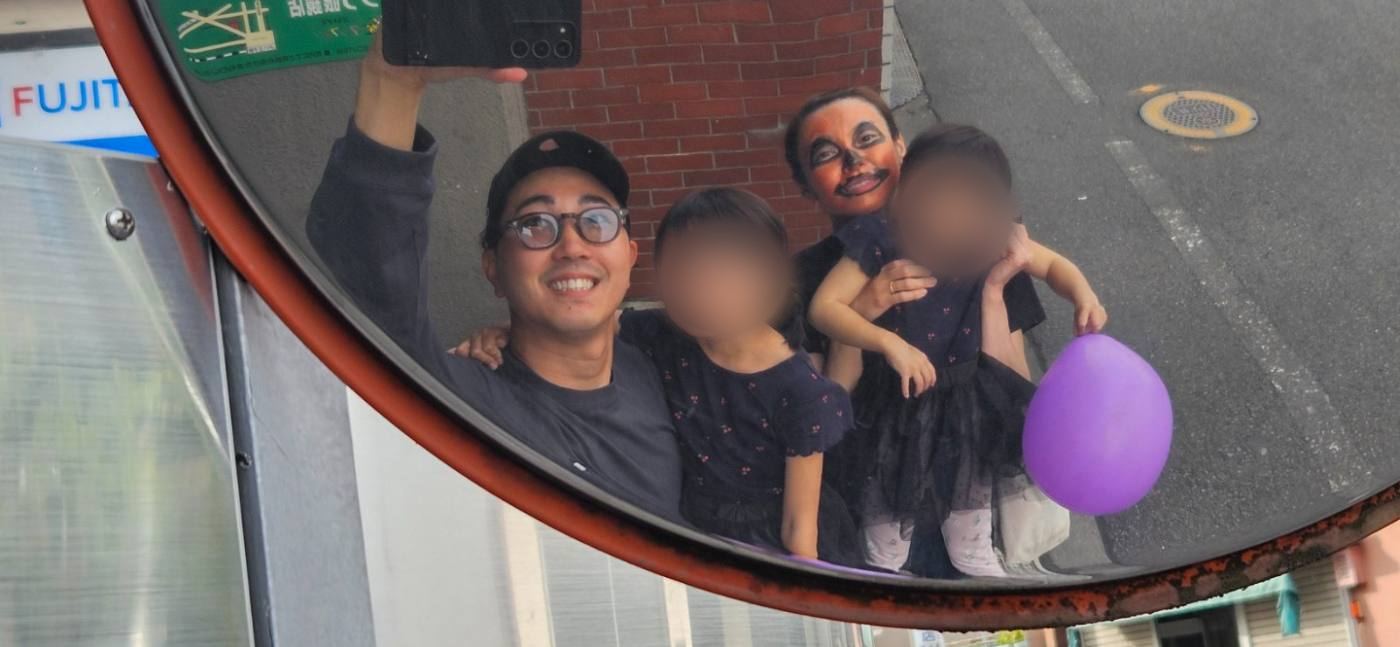
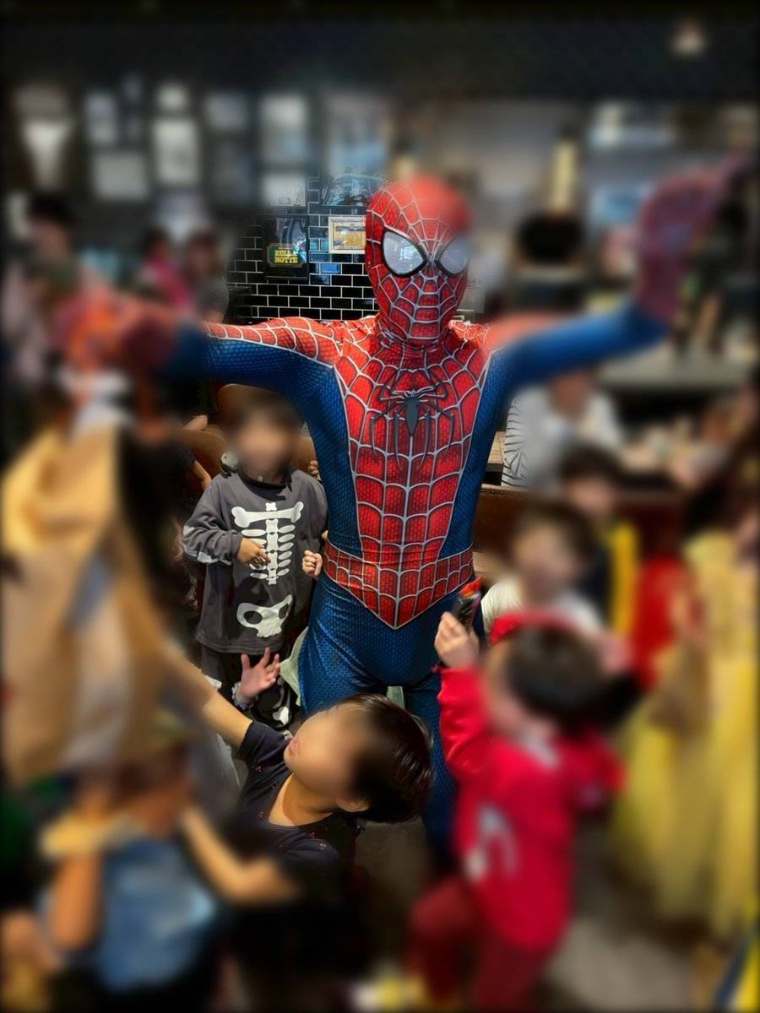
“Off duty, I’m joking all the time. I do push-ups with the kids on my back, or they use me as a jungle gym. My wife and I joke constantly too; people say I don’t seem like myself when I’m buttoned-up. My daughter is playful and does the most unexpected things. I went to a parents’ event in a full Spider-Man suit, and my wife walked around town with her face painted as a pumpkin. That’s the kind of family we are.”
08
FOR A BETTER CHOICE
Toward a world where people are glad
the information existed

Always asking how you want to be
“Living as yourself, I think, means continuing to ask your own heart honest questions. If you only do what you want to do, you won’t be able to do more, and people won’t ask more of you. But how do I want to be? Continuing to ask that is, I think, the starting point of being myself.”
“I want people to feel glad
that this information existed.”
A world where people can choose good information
“I want people to think, ‘This information helped me. I made a good choice.’ And if that helps them express who they are even a little, that’s enough. Happiness is different for everyone. Going forward, I want to raise literacy around the idea that health and beauty aren’t superficial; they enrich life itself, in body and mind.”
“The people with the most urgent concerns need information fastest, so they should be the ones who benefit most. At the same time, it reaches the doctors who want to reach the patients they can truly help. Through in-depth information, we want people to feel reassured first. That is our deepest wish.”
09
A LIFE THAT CONNECTS
Living to connect
health and society
The real work begins in my fifties
“I’ve been helped by so many people, and I’ve been through hard times. Because of that, I want to be someone who contributes more to society. As of this 2026 interview, I’m 42. After my twenties, thirties, and forties, I believe the real work starts in my fifties. Ten years from now, I want to be able to contribute even more than I do today. And not through my strength alone, but by borrowing the strength of many people, I hope to build a world where we achieve things together.”
A man of words, but at heart
“What kind of person am I? To be frank, I don’t think I’m especially skillful. But I’ve always been good at conveying things through words, and my family has told me, ‘You can move people with words.’ Still, at my core, I just want to be useful to people.”
Kenichi = Health First
“My name, Kenichi, can be read as ‘health first.’ The cycle of living and dying can’t continue without health. So, simply put, my purpose is to connect my own health with the health of society, and to be of use through that. It’s no exaggeration to say that’s what I live for. Living only for yourself is dull. Only when I feel I’ve helped someone do I feel I’m truly living as myself. That, I think, is the meaning of my life.”
Connecting my own health
with the health of the world.
EPILOGUE — THE NAME
NERO
Unstained by anything
NERO means “black” in Italian. Because we deal in information, we want to stay neutral and fair. Black cannot be dyed by any other color. So that we are never colored by anything, we put that intention into the name.
PROFILE
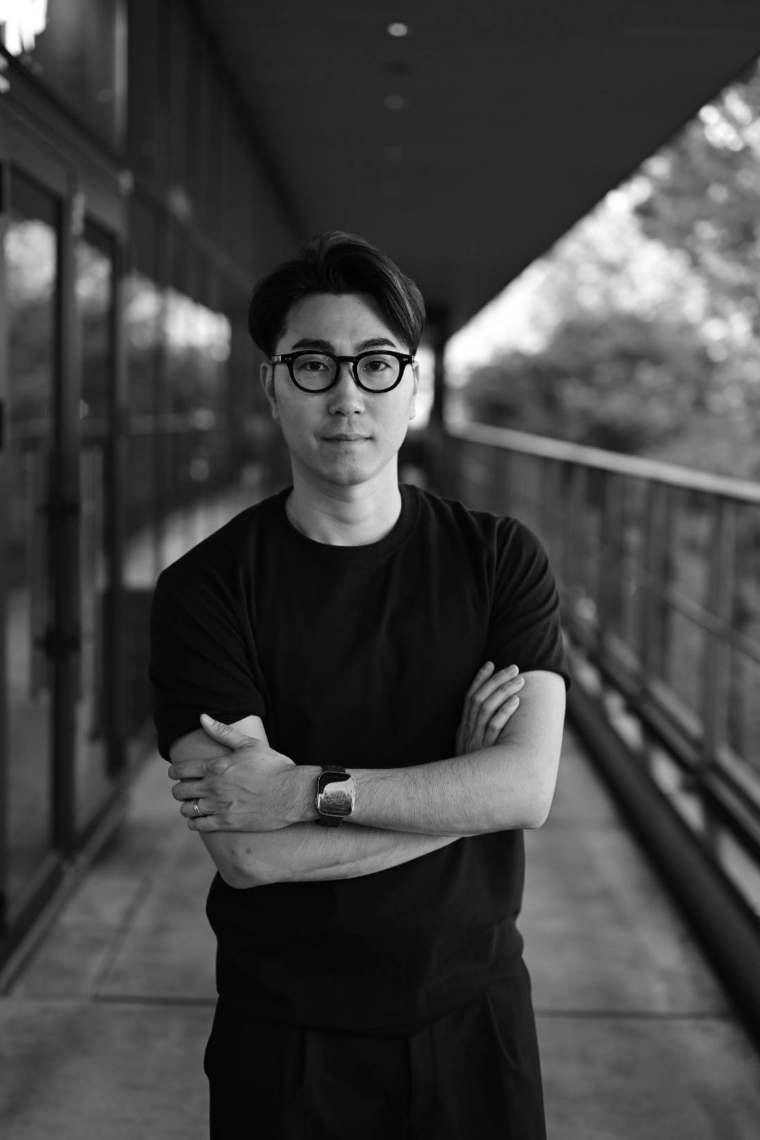
Kenichi Adachi
Representative Director of RADIEN Inc. / Editor-in-Chief of NERO, an aesthetic medicine media outlet. RN (Japan & US), BSN, MBA.
Background and articles →About the company →Instagram →日本語 →
The Unstained Path — Interview / 9 chapters (interviewed 2026)