Japan’s cosmetic philosophy favors subtle curves and minimal visible scarring.
For those wondering what the most popular Japanese breast augmentation techniques are, the answer centers on methods that look natural and age well.
Below is a concise guide to the leading options, who they are best suited to, and how to set realistic Before & After expectations.


What Are the Most Popular Japanese Breast Augmentation Techniques?

Four approaches dominate in Japan: endoscopic transaxillary silicone implants, pocket strategies such as dual-plane or subfascial placement, hybrid implant-plus-fat augmentation, and autologous fat transfer.
Some surgeons also use inframammary fold incisions for greater precision and control.
Endoscopic transaxillary implants (armpit incision)
Endoscopic transaxillary augmentation places a cohesive silicone implant through a discreet incision in the armpit.
A camera provides a magnified view of the surgical field, enabling precise pocket creation without leaving scars on the breast mound.
- Strengths: inconspicuous incision placement, suitable for keloid-prone skin, preserves nipple aesthetics
- Considerations: requires significant surgical experience; revisions are more complex; arm movement must be restricted in the early recovery period
Dual-plane and subfascial pocket techniques
To achieve a natural upper-pole slope, Japanese surgeons frequently use dual-plane placement (upper portion under the muscle, lower portion under the gland) or subfascial pockets.
Both approaches soften implant edges and reduce an artificial or “stuck-on” appearance.
- Best for: slender frames seeking natural softness and smooth contour transitions
- Factors to discuss: tissue thickness, physical activity level, and cleavage goals
Inframammary fold and periareolar incisions
Inframammary fold incisions are increasingly preferred for the surgical control they offer in both primary and revision procedures, as well as easier access for future adjustments.
Periareolar incisions are less commonly used in Japan due to typically smaller areola size and concerns around ductal tissue.
Implant choices trending in Japan
Implant-based approaches remain the most commonly selected option in Japan, particularly for patients seeking predictable volume and long-term shape stability.
The most commonly selected implants are small to moderate in volume (typically 150–275 cc), smooth-shell cohesive gel, in round or ergonomic profiles.
Anatomical implants are less frequently used with transaxillary access due to the risk of rotation. Microtextured shells are used with caution given global concerns around BIA-ALCL.
Hybrid breast augmentation (implant + fat grafting)
Hybrid augmentation combines a compact implant with targeted fat grafting to the upper pole, inner breast, or implant edges.
This combination delivers projection with a soft, natural texture — well aligned with Japan’s “natural first” aesthetic.
- Strengths: improved edge camouflage, refined symmetry, reduced rippling in lean patients
- Considerations: longer operating time; partial fat resorption is expected; occasional touch-up sessions may be needed
Autologous fat transfer, including cell-assisted lipotransfer
Fat-only augmentation harvests fat via liposuction, purifies it, and reinjects it in small parcels throughout the breast.
Select clinics enrich grafts with adipose-derived components — known as cell-assisted lipotransfer — under Japan-specific protocols.
- Strengths: no implanted device, highly natural look and feel, with the added benefit of body contouring at donor sites
- Considerations: modest volume gain per session; variable graft retention; possible calcifications on imaging; multiple sessions may be required
Non-surgical fillers: a diminishing option
Temporary fillers attracted interest in the past, but many clinics have moved away from them due to risks of migration, irregular texture, and the ongoing cost of repeat treatments.
They offer far less predictability than implants or fat transfer.
Safety, Planning, and Realistic Before & After Expectations

Choose a board-certified plastic surgeon with membership in a recognized body such as JSAPS or JSPRS. Request 3D surgical planning and review detailed Before & After galleries.
Discuss relevant risks — including capsular contracture, changes in sensation, infection, and BIA-ALCL — as well as realistic recovery timelines: approximately 1–2 weeks of social downtime for implant-based procedures, less for fat-only sessions, and 3–6 months for results to fully settle.
Choosing the Right Clinic in Japan
Japan is renowned for its high-quality esthetic treatments. If you are seeking Beauty Treatments in Tokyo near you, some popular choices include:
■BIANCA CLINIC
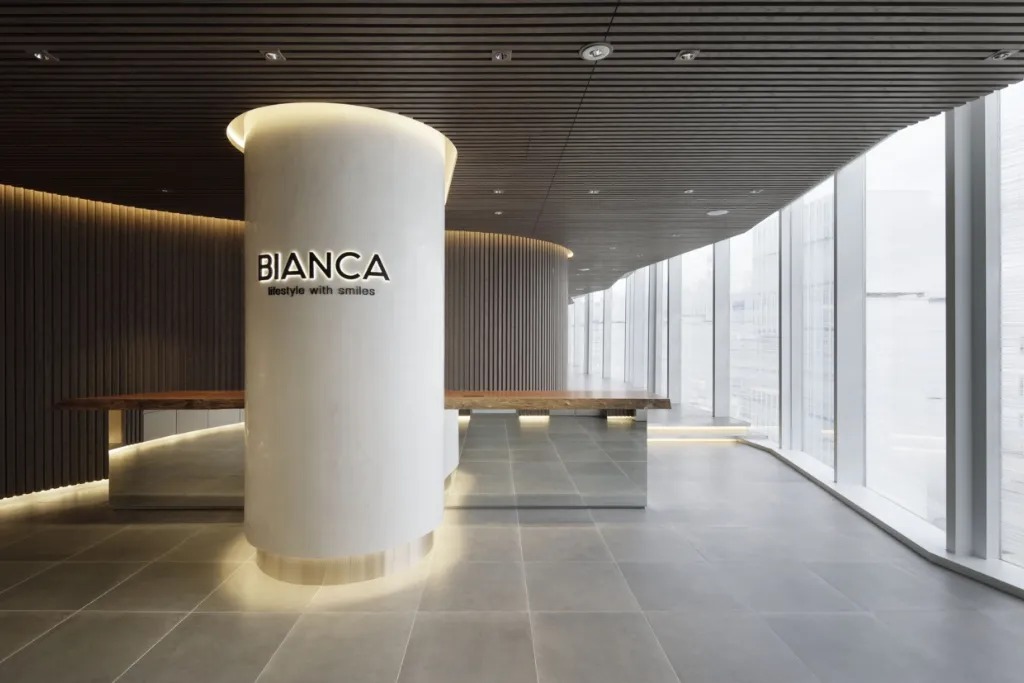
Source:BIANCA CLINIC
BIANCA CLINIC GINZA, a leading Japan beauty clinic, offers exceptional features and benefits for international patients visiting Japan.
Multilingual Support
The official website for international visitors is available in English, Russian, Spanish, and Albanian. In addition, the website for domestic users in Japan also supports Spanish, Chinese, and English, allowing users to access comprehensive information about the clinic and its aesthetic treatments in Japan.
Interpretation Services
Native-level English and Chinese-speaking staff assist with counseling and reception, ensuring smooth communication for those seeking plastic surgery or other cosmetic treatments in Tokyo, Japan.
Reservations
Book 24/7 via the website or through WhatsApp, offering convenience for international patients exploring the best aesthetic treatments in Japan.
Access Information
Conveniently located in Ginza, Tokyo, offering easy access for patients interested in aesthetic treatments in Japan, including:
- Inquiries are also welcome regarding treatments designed to achieve a Japanese look
- Before-and-after results of plastic surgery in Japan
- Insights into plastic surgery pricing in Japan
These services ensure a comfortable and welcoming experience for all international visitors to this premier Japan beauty clinic.
| Address | 12F ONE GINZA, 1-8-19 Ginza, Chuo-ku,Tokyo 104-0061, Japan |
| Phone Number | 050-3196-4834 |
| Business Hours | 10:00–19:00 |
| Holiday | irregular holidays |
| Access | A 4-minute walk from Ginza Station on the Tokyo Metro Ginza Line. A 1-minute walk from Exit 7 of Ginza-itchome Station on the Tokyo Metro Yurakucho Line. A 3-minute walk from Exit 3 of Kyobashi Station on the Tokyo Metro Ginza Line. A 8-minute walk from the Kyobashi Exit of JR Yurakucho Station. |
Conclusion
To summarize: the most popular Japanese breast augmentation techniques are endoscopic transaxillary implants, dual-plane or subfascial pocket placement, hybrid implant-and-fat strategies, and refined autologous fat transfer.
With careful planning and clearly defined Before & After goals, these approaches deliver the subtle, harmonious outcomes that characterize Japan’s aesthetic ideals.
| ・This website provides general knowledge about aesthetic medicine from a neutral perspective as much as possible. Please note that the information is not intended to encourage self-diagnosis. Be sure to check the official website of the clinic and consult each medical institution for details regarding treatment. ・This article is based on information available at the time of writing and publication. Please check the official website for the latest updates. ・If cosmetics or massage-related content is mentioned, it is not within the scope of medical supervision. |