Tokyo blends art and medicine while maintaining an artisanal sensibility.
It has also become one of the world’s top destinations for rhinoplasty.
This Complete Rhinoplasty Guide: Tokyo Edition covers what discerning patients must know if they wish to achieve a balanced, breathable, and naturally refined result: choosing a surgeon, techniques, costs, and recovery time.
This guide provides key questions to ask before and after surgery, along with practical logistics for various situations.
It does not substitute for an in-person consultation with a board-certified specialist.


Why Tokyo for Rhinoplasty
Tokyo’s leading plastic surgeons blend conservative, tissue-preserving methods with precise aesthetic judgment.
Many provide high-resolution Before & After galleries, 3D imaging, and meticulous sterilization systems, reflecting Japan’s culture of precision, safety, and craftsmanship.
Choosing the Right Surgeon and Clinic
Prioritize surgeons who perform rhinoplasty frequently and can clearly explain the rationale behind each technique and its trade-offs.
Review a Before & After portfolio that matches your nose type, skin thickness, and ethnic background.
Ask about annual surgical volume and revision rates.
Favor transparent pricing, English-language support, and anesthesia delivered by qualified professionals.
Avoid rushed consultations, hard sales tactics, and vague answers regarding complications.
Techniques and Aesthetic Goals
Structural vs. Refined Approaches
Open rhinoplasty allows more extensive reshaping of the nose, whereas closed rhinoplasty allows for more limited modification.
These may include dorsal reduction or augmentation, various suture techniques for tip definition, and cartilage grafts.
Cartilage is used from the nasal septum, from the ear, or from the rib.
For many Asian patients, augmentation with integrated structural support helps maintain their natural identity while enhancing profile and proportion.
Functional Health
Form and function must advance together.
Addressing a deviated septum, weak nasal valves, or turbinate hypertrophy can significantly improve airflow and long-term stability.
Ask how each planned adjustment affects both breathing and appearance.
Consultation and Planning

You should bring reference photos to illustrate your aesthetic goals.
Discuss realistic limits based on skin thickness and healing biology.
If you currently have nasal fillers, have them dissolved well in advance.
Discuss incision locations, graft options, scar healing, and swelling management.
Schedule follow-up appointments.
Agree on objective, standardized outcome measures—for example, standardized photographs for aesthetics and breathing tests for function.
Anesthesia, Safety, and Facilities
Depending on the complexity of your case, rhinoplasty may involve general anesthesia or local anesthesia with sedation.
Confirm facility accreditation, monitoring standards, and emergency readiness.
Ensure that anesthesia is administered by a qualified anesthesiologist or nurse anesthetist.
Verify pain and nausea control plans and request consent documents in English.
Recovery Timeline
Healing is gradual; schedule early follow-up in Tokyo before flying home.
Days 1–3: Peak swelling; maintain head elevation, use cold compresses, and follow a low-salt diet.
Days 5–7: Splints and sutures removed; nose appears refined but still swollen; saline sprays help.
Weeks 2–4: Resume light exercise; avoid resting glasses on the nasal bridge; use diligent sun protection.
Months 3–12: Residual edema—especially at the tip—settles; final definition appears gradually.
Risks and How to Reduce Them
Potential complications include bleeding, infection, asymmetry, prolonged swelling, scarring, and breathing difficulties.
Lower these risks by avoiding nicotine, pausing blood-thinning supplements as advised, and following pre- and post-operative instructions precisely.
Ask about your surgeon’s revision policy, timing, and support if expectations are not met after full healing.
Costs and Payment in Tokyo
Fees vary based on complexity, grafting needs, surgeon experience, anesthesia, and operating room time.
Expect a transparent quote that itemizes:
- Surgeon’s fee
- Operating room and nursing support
- Anesthesia
- Implants or cartilage processing
- Medications
- Follow-up appointments
Most clinics accept international credit cards or bank transfers.
Confirm deposit policies, cancellation terms, and consumption tax.
Cultural and Practical Tips
- Punctuality is valued—arrive early for imaging and paperwork.
- Privacy is respected; discreet scheduling is common.
- Request English support or a medical interpreter if needed.
- Mask-wearing helps conceal early swelling in public.
Allow 10–14 days in Tokyo for early check-ins; arrange remote follow-ups afterward.
Before & After Evaluation
When reviewing Before & After photos, check for consistent lighting, identical angles, and documented timelines.
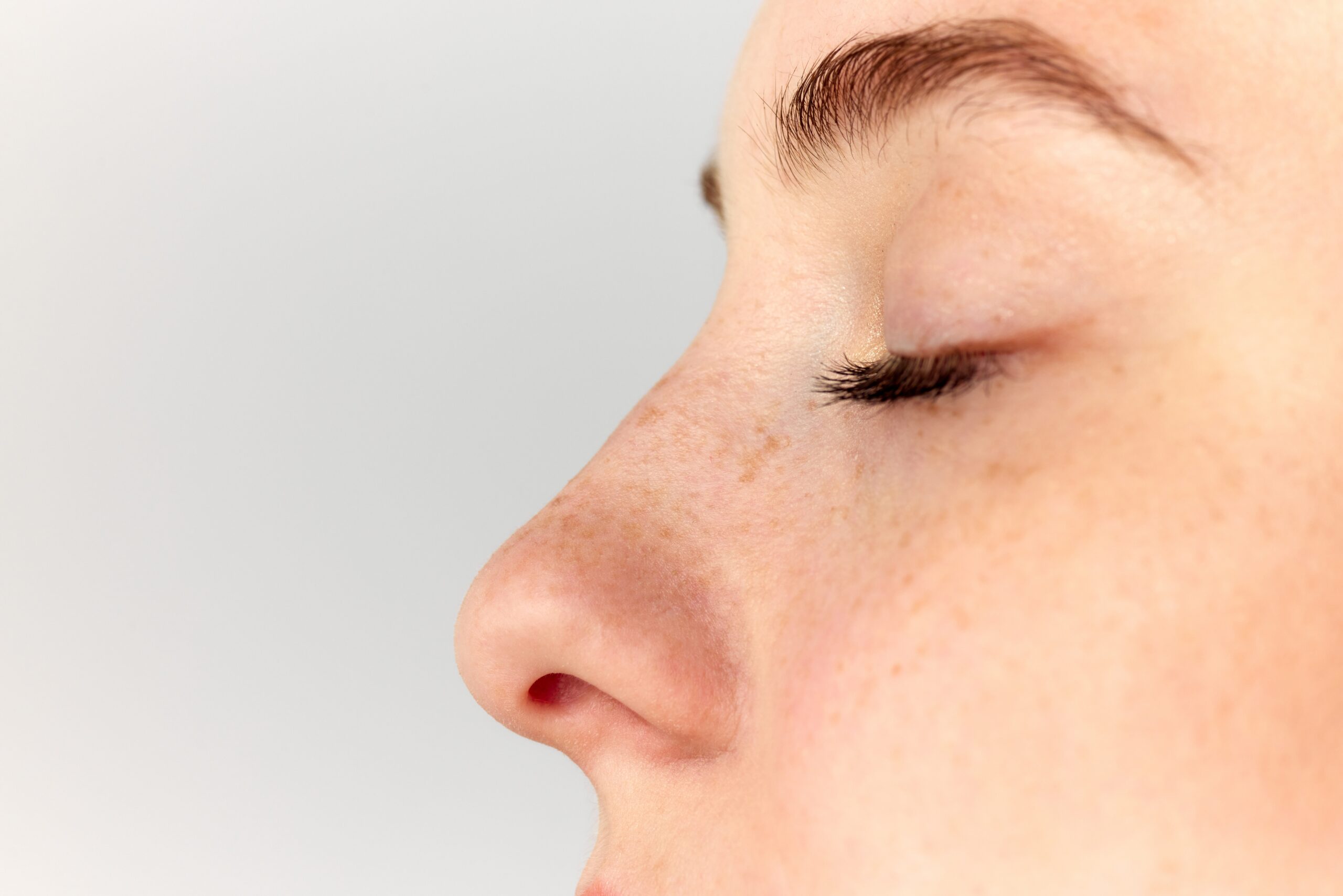
Evaluate dorsal contour, tip projection and rotation, alar width, and harmony with the lips and chin.
Functional success should also be evident—look for signs of improved airflow as well as aesthetic refinement.
Conclusion
Tokyo offers a rare blend of technical rigor and aesthetic subtlety.
Use this Complete Rhinoplasty Guide: Tokyo Edition to shortlist surgeons, assess safety and planning, and evaluate Before & After results with a critical eye.
With thoughtful preparation—and respect for both form and function—you can achieve a rhinoplasty result that feels authentically your own.
Checklist:
- Shortlist three surgeons aligned with your goals
- Confirm credentials, anesthesia team, and facility standards
- Agree on a detailed plan, realistic timeline, and measurable success criteria
| ・This website provides general knowledge about aesthetic medicine from a neutral perspective as much as possible. Please note that the information is not intended to encourage self-diagnosis. Be sure to check the official website of the clinic and consult each medical institution for details regarding treatment. ・This article is based on information available at the time of writing and publication. Please check the official website for the latest updates. ・If cosmetics or massage-related content is mentioned, it is not within the scope of medical supervision. |