Are there clinics in Japan offering minimally invasive rhinoplasty options? Yes — major aesthetic hubs such as Tokyo, Osaka, Nagoya, Fukuoka, and Sapporo are home to clinics that specialize in subtle, natural-looking results with shorter recovery times.
This guide clarifies what “minimally invasive” actually means, outlines the methods available, explains who is best suited to each, and walks you through how to evaluate clinics using safety-first criteria and transparent Before & After galleries.


INDEX
Minimally Invasive Rhinoplasty in Japan

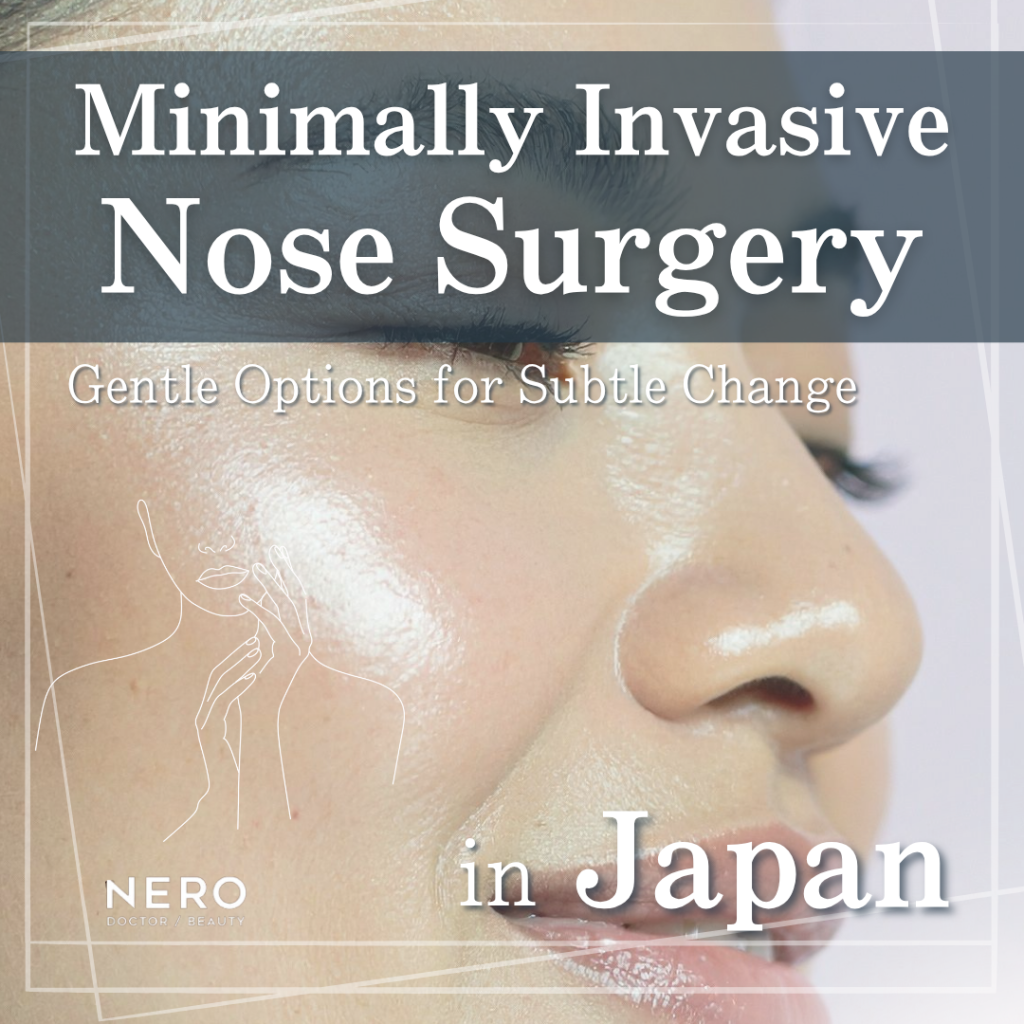
Minimally invasive rhinoplasty focuses on achieving natural refinement with the least possible trauma.
In Japan, this often includes techniques such as internal (endonasal) approaches that avoid external incisions, the use of advanced instruments to reduce bruising, and treatment plans designed to shorten recovery time.
In many cases, patients can return to daily activities within days rather than weeks, making these options appealing for those seeking subtle improvements with minimal downtime.
Non-surgical: Hyaluronic acid filler (liquid rhinoplasty)
For contour smoothing and modest bridge or tip enhancement, hyaluronic acid fillers are widely used in Japan. Results are immediate and typically last 6–18 months, with minimal downtime, though mild swelling may persist for 24–72 hours.
Important safety considerations: fillers cannot reliably reduce the size of a larger nose or correct breathing issues, and rare vascular complications are possible.
Look for clinics that use cannulas where appropriate, offer ultrasound-guided injections, and keep hyaluronidase on hand for rapid reversal.
Thread rhinoplasty
PDO or PLLA threads can lift the tip or add definition to the bridge through small entry points.
Improvements are subtle and generally last 6–12 months. Downtime is brief, though threads can occasionally migrate or become palpable beneath the skin. This option is best suited to patients seeking a light lift rather than structural change.
Closed (endonasal) rhinoplasty
Performed entirely through incisions inside the nostrils, closed rhinoplasty can address modest hump reduction, minor tip refinement, and certain functional concerns — with less post-operative swelling and no visible columellar scar.
It requires a surgeon experienced in limited-field techniques and is most appropriate for targeted adjustments rather than comprehensive structural revision.
Ultrasonic (piezo) bone contouring
Some clinics in Japan use piezoelectric instruments to reshape the nasal bones with precision while minimizing soft tissue disruption.
Patients often experience less bruising and a faster recovery. This technique can be combined with closed approaches when anatomy allows.
Preservation and hybrid approaches
Preservation rhinoplasty maintains key structural support to preserve the nose’s natural lines while reducing a dorsal hump.
Hybrid plans may combine filler, limited cartilage work, and gentle bone contouring to achieve balanced outcomes with minimal disruption.
Who is a good candidate?
Minimally invasive rhinoplasty is best suited for patients seeking refinement rather than dramatic change. Ideal candidates include those looking to smooth a small hump, subtly enhance projection, or refine the nasal tip.
Patients requiring significant structural correction or functional improvement may be better suited for more comprehensive surgical procedures.
Typical costs and downtime in Japan
Costs vary depending on the procedure and the surgeon’s experience.
As a general guide, fillers range from ¥50,000 to ¥120,000 per session, threads from ¥80,000 to ¥250,000, and closed rhinoplasty from ¥600,000 to ¥1,300,000 or more.
Non-surgical treatments typically involve little to no downtime (0–3 days), while surgical approaches usually require around 7–10 days for visible swelling to subside.
How to Choose a Clinic in Japan
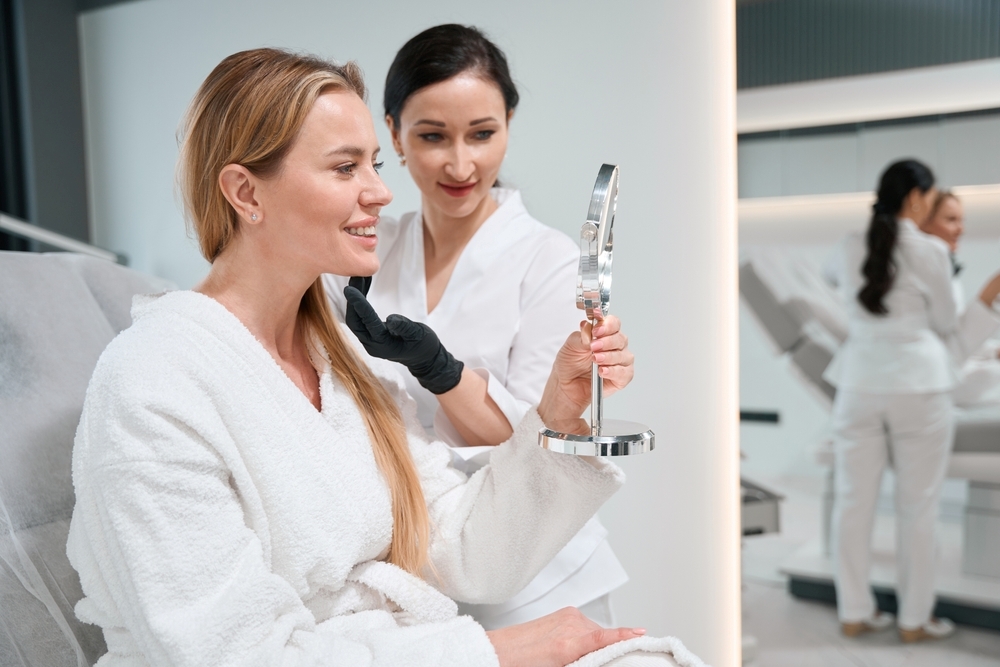
Choosing the right clinic in Japan is essential for achieving safe and natural-looking results. In addition to understanding available techniques, patients should carefully evaluate each clinic based on the following criteria.
- Verify credentials: prioritize board-certified plastic surgeons with memberships in bodies such as JSAPS or the Japanese Society of Plastic and Reconstructive Surgery
- Review Before & After galleries: look for unedited images of patients with anatomy and goals similar to your own
- Ask about safety protocols: confirm hyaluronidase availability, ultrasound-guided filler capability, sterile operating procedures, and emergency response plans
- Check available technology: piezo instruments, fine rasps, and 3D simulation for surgical planning
- Clarify anesthesia options: local with sedation versus general anesthesia, and how post-operative discomfort is managed
- Review aftercare and revision policies in writing, including the schedule for follow-up appointments in the first year
Key Questions to Ask at Consultation
A thorough consultation is essential before choosing any procedure. Patients are encouraged to ask key questions, including which approach best suits their anatomy, what results can be expected at different stages of recovery, what risks are involved, and how complications are managed.
It is also important to confirm the surgeon’s experience and review Before & After cases similar to your own goals.
Are There Clinics in Japan Offering Minimally Invasive Rhinoplasty Options?
Japan offers a wide range of rhinoplasty options, including minimally invasive approaches such as non-surgical treatments (e.g., injectable procedures) as well as techniques designed to reduce downtime and physical burden.
Below are five clinics in Japan that provide rhinoplasty procedures, including options that may be considered relatively less invasive depending on the treatment.
BIANCA CLINIC
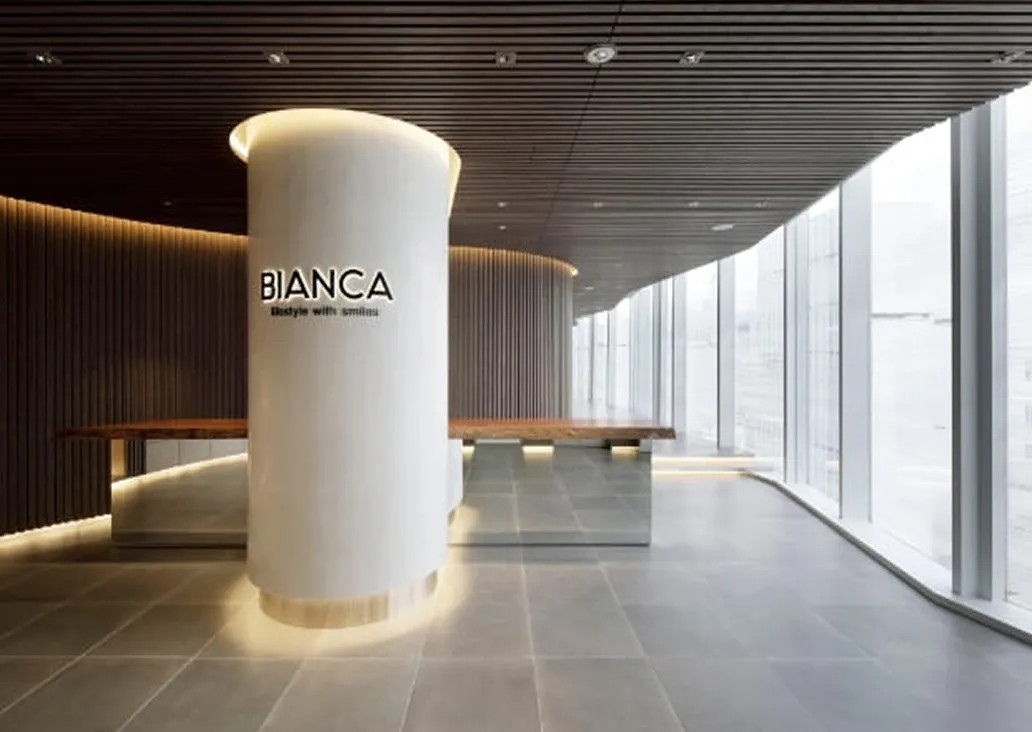
source:BIANCA CLINIC
Non-Surgical and Surgical Approaches for Natural Refinement
BIANCA CLINIC provides both surgical rhinoplasty and non-surgical treatments such as injectable procedures.
These options are presented as ways to refine the nasal shape with consideration for facial balance, and non-surgical approaches may appeal to patients seeking less invasive adjustments with shorter recovery time.
Multilingual Support
The official website is available in multiple languages, including English, Chinese, and Spanish.
It provides detailed explanations of a wide range of treatments, from skin rejuvenation to advanced plastic surgery, allowing international patients to fully understand procedures before visiting Japan.
International Patient Services
To ensure a smooth experience, the clinic offers support from staff who can communicate in English and Chinese.
They assist with consultation and reception, helping international patients navigate treatment options and reducing language barriers when undergoing aesthetic procedures in Japan.
Reservations
Appointments can be made via the official website, enabling international patients to schedule consultations in advance.
Access Information
Clinics are located in Ginza and Omotesando, two of Tokyo’s most accessible and well-known areas.Surgical procedures are performed at the Ginza clinic.
Key Points
- Artistic approach to rhinoplasty focused on facial balance
- Multilingual support including English, Chinese
- Assistance from multilingual staff during consultations
| Address | 【BIANCA CLINIC GINZA】 12F ONE GINZA, 1-8-19 Ginza, Chuo-ku, Tokyo 104-0061, Japan 【BIANCA CLINIC OMOTESANDO】 Minami-Aoyama 511 Building, 5-11-10 Minami- Aoyama, Minato-ku, Tokyo 104-0061, Japan |
| Phone Number | 050-3196-4834 |
| Business Hours | 10:00–19:00 |
| Closed | irregular holidays |
| Access | 【BIANCA CLINIC GINZA】 A 4-minute walk from Ginza Station on the Tokyo Metro Ginza Line. A 1-minute walk from Exit 7 of Ginza-itchome Station on the Tokyo Metro Yurakucho Line. A 3-minute walk from Exit 3 of Kyobashi Station on the Tokyo Metro Ginza Line. A 8-minute walk from the Kyobashi Exit of JR Yurakucho Station. 【BIANCA CLINIC OMOTESANDO】 The Tokyo Metro Ginza Line. The Tokyo Metro Hanzomon Line. The Tokyo Metro Chiyoda Line. A 5-minutes walk from Omotesando Station B1 exit |
KAI CLINIC
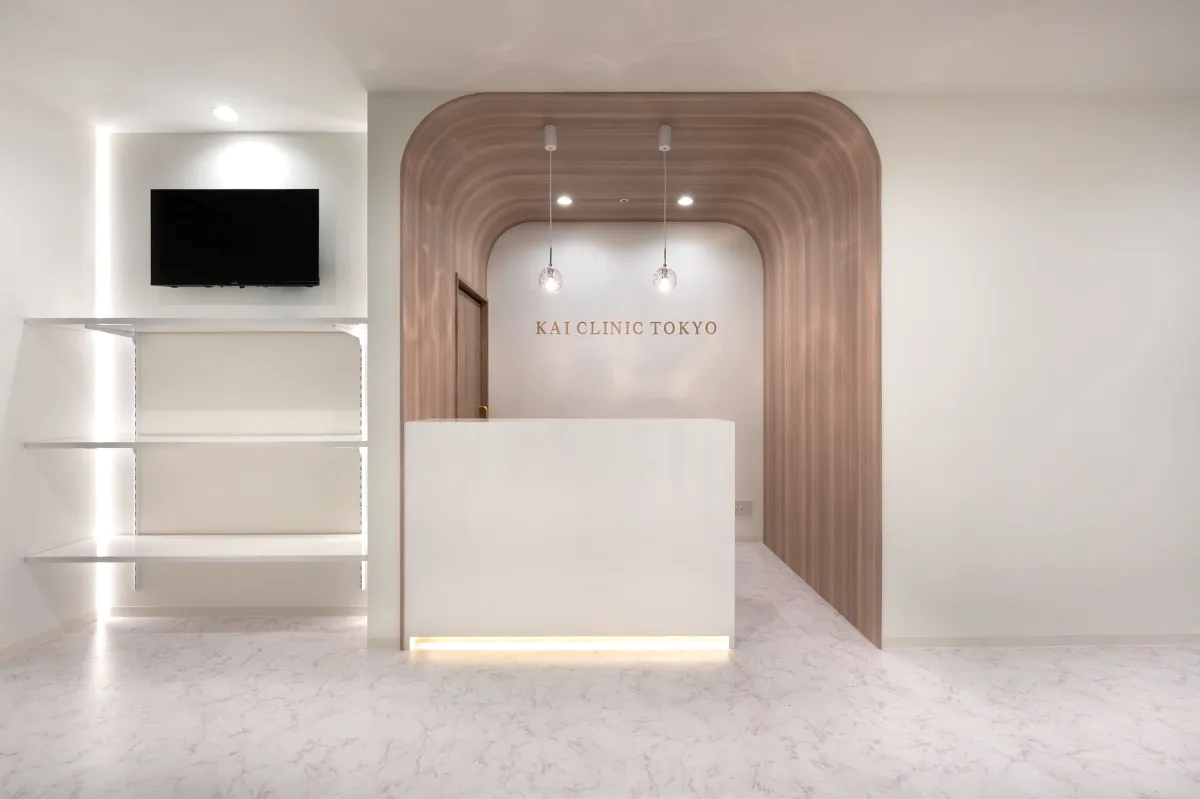
source:KAI CLINIC
Personalized Treatment Planning Including Minimally Invasive Considerations
KAI CLINIC offers rhinoplasty procedures tailored to individual facial structure.
Depending on the patient’s goals, treatment plans may include approaches that prioritize reduced invasiveness while maintaining overall facial harmony.
Multilingual Support
The clinic provides information through its website, including details of rhinoplasty procedures, allowing international patients to review treatment options.
International Patient Services
Procedure details, including surgical approaches and expected outcomes, are explained online, helping international patients understand rhinoplasty options before consultation.
Reservations
Online booking is available through the official website.
Access Information
Located in the Yaesu area of Tokyo, just a 5-minute walk from Tokyo Station, the clinic offers convenient access for both domestic and international patients.
Key Points
- Focus on personalized rhinoplasty design
- Online access to detailed procedure information
- Suitable for patients seeking tailored consultation
| Address | VORT Tokyo Yaesu Maxim 3F 1-3-18 Yaesu, Chuo-ku, Tokyo |
| Phone Number | 0120-570-777 |
| Business Hours | 10:00~19:00 |
| Open | Monday to Sunday |
| Access | Tokyo Station (Yaesu Exit) Mitsukoshimae Statio Nihombashi Station |
Primo Azabujuban Clinic
source:Primo Azabujuban Clinic
Multiple Rhinoplasty Techniques Including Less Invasive Options
Primo Azabujuban Clinic introduces a wide range of rhinoplasty procedures on its website.
These include techniques tailored to nasal anatomy, and in some cases, options that may be considered less invasive compared to full surgical interventions, depending on the treatment plan.
Multilingual Support
The clinic operates a dedicated English website that explains procedures in detail, including rhinoplasty methods, risks, and expected outcomes.
This allows international patients to review medical information thoroughly before consultation.
International Patient Services
The clinic provides structured explanations of procedures and treatment plans in English, helping international patients understand surgical options, recovery expectations, and treatment flow prior to visiting.
Reservations
Appointments can be booked through the official English website, enabling advance planning for overseas patients.
Access Information
Located in Azabujuban, a central Tokyo district with convenient transportation access.
Key Points
- Detailed rhinoplasty procedure explanations
- English-based medical information available
- Clear pre-treatment understanding for overseas patients
| Address | Joule A Bldg., B1F, 1-10-10, Azabujuban, Minato-ku, Tokyo |
| Phone Number | 0120-062-069 |
| Business Hours | 10:00 – 19:00 |
| Open | All year round |
| Access | Azabu-juban station(Toei Oedo Line and Tokyo Metro Namboku Line) |
JIYUGAOKA CLINIC
source:JIYUGAOKA CLINIC
Autologous Cartilage Rhinoplasty for Natural Results
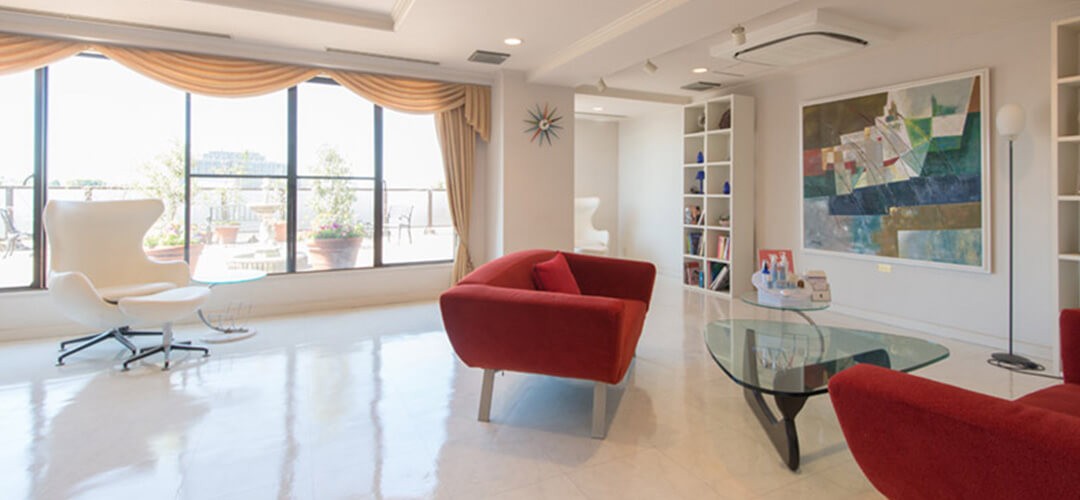
JIYUGAOKA CLINIC offers rhinoplasty using autologous tissue, particularly ear cartilage, rather than synthetic implants.
Their diced cartilage transplant method (Nakakita-style rhinoplasty) is designed to achieve smooth contours and a natural-looking outcome.
Multilingual Support
The clinic provides an English-language website where international patients can review treatment options, including nasal procedures and other cosmetic services.
International Patient Services
Information on procedures is organized in English, allowing overseas patients to understand treatment details, indications, and expected results before consultation.
Reservations
Appointments can be arranged through the official website.
Access Information
Located in Jiyugaoka, a well-known and accessible area in Tokyo.
Key Points
- Emphasis on natural rhinoplasty outcomes
- English-accessible treatment information
- Clear presentation of procedures for overseas patients
| Address | Park Villa 2F, 3-12-10 Yakumo, Meguro-ku, Tokyo |
| Phone Number | 0800-808-8200 |
| Business Hours | 10:00 to 19:00 |
| Holiday | Open year-round |
| Access | A short walk from Jiyugaoka Station (Tokyu Toyoko Line / Tokyu Oimachi Line) |
AKAI MEDICAL CLINIC
source:AKAI MEDICAL CLINIC
Medical-Based Nasal Treatments Including Non-Surgical Options
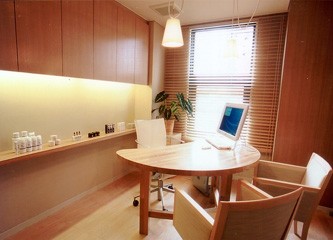
AKAI MEDICAL CLINIC provides information on nasal treatments, including both surgical rhinoplasty and non-surgical options listed on its official site.
Non-surgical approaches may offer alternatives for patients looking for procedures without incisions.
Multilingual Support
The clinic offers a comprehensive English website that outlines treatment categories, including nasal procedures, enabling international patients to review options in advance.
International Patient Services
Treatment details, including indications and procedural approaches, are explained in English.
This allows foreign patients to understand available nasal treatments and make informed decisions before consultation.
Reservations
Appointments can be made via the official website.
Access Information
Located in Omotesando (Tokyo) and Yokohama, the clinic offers convenient access for both domestic and international patients.
Key Points
- Provides information on both surgical and non-surgical nasal treatments
- English-accessible explanations of procedures
- Suitable for patients seeking detailed pre-visit information
| Address | 【Omotesando】 5-7-3 Jingumae, Shibuya-ku, Tokyo, Japan 【Yokohama】 4F Quadrafolia, 5-14 Kinkocho, Kanagawa-ku, Yokohama, Kanagawa, Japan |
| Phone Number | Omotesando】03-5771-4114 【Yokohama】045-620-5745 |
| Business Hours | 【Omotesando】11:00 – 20:00 【Yokohama】11:00 – 19:00 from Tuesday to Friday10:00 – 17:00 on Saturdays and national holidays |
| Holiday | 【Omotesando】open all year round 【Yokohama】Mondays and Sundays |
| Access | 【Omotesando】 A3 Exit of Omotesando Station 【Yokohama】JR Yokohama Station North-East Exit A |
Conclusion
So, are there clinics in Japan offering minimally invasive rhinoplasty options?
Absolutely. From liquid and thread techniques to closed and ultrasonic approaches, patients have access to nuanced, lower-downtime solutions — as long as they choose a qualified surgeon, review authentic Before & After evidence, and place safety first.
Consider consulting at two or three reputable clinics, compare treatment plans and recovery timelines, and select the approach that delivers the most natural improvement with the least disruption to your daily life.
Comparing multiple professional opinions helps ensure both safety and optimal aesthetic outcomes.
| ・This website provides general knowledge about aesthetic medicine from a neutral perspective as much as possible. Please note that the information is not intended to encourage self-diagnosis. Be sure to check the official website of the clinic and consult each medical institution for details regarding treatment. ・This article is based on information available at the time of writing and publication. Please check the official website for the latest updates. ・If cosmetics or massage-related content is mentioned, it is not within the scope of medical supervision. |