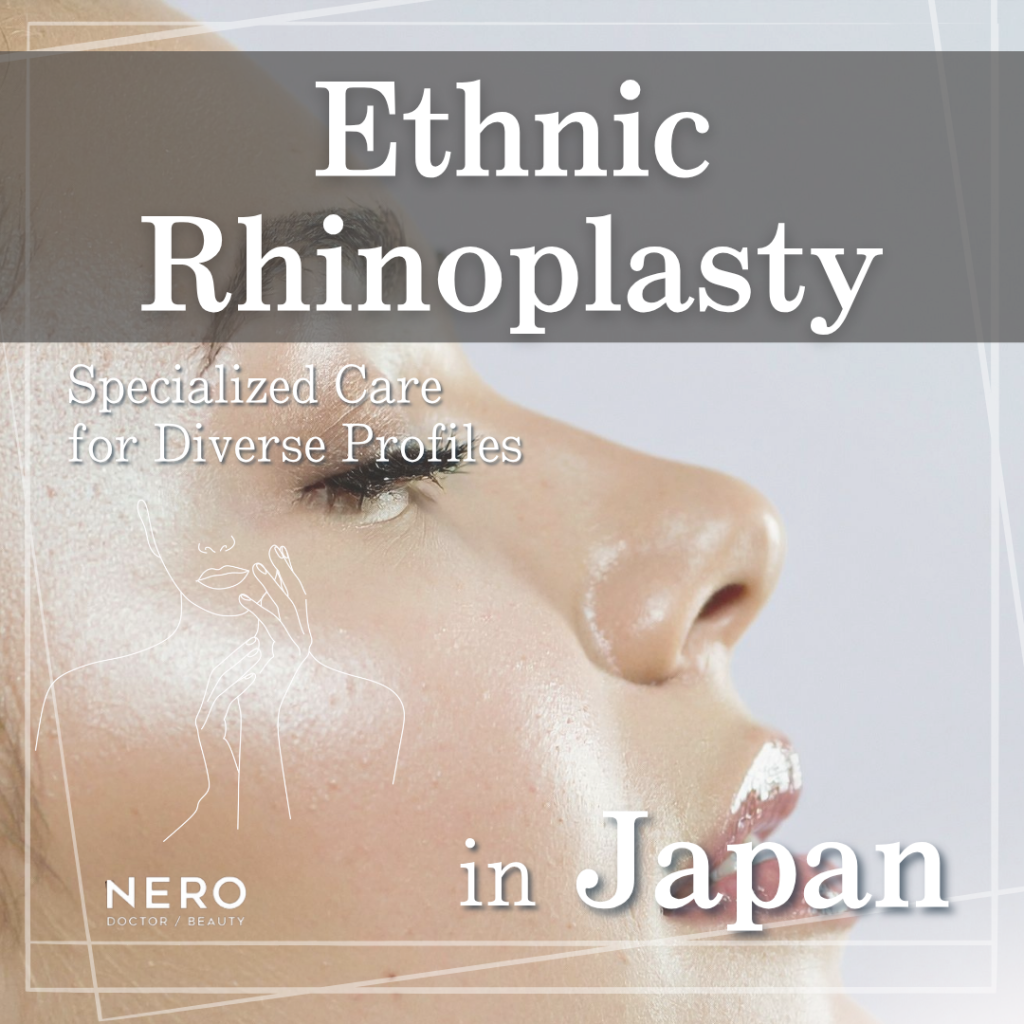
Ethnic rhinoplasty requires a specific set of skills that goes beyond standard nose surgery.
For patients with East Asian, South Asian, Middle Eastern, or other non-Caucasian facial features, the goal is not to Westernize the nose but to refine and harmonize it within the context of your natural facial structure.
Japan has a growing number of skilled surgeons who understand this distinction and approach rhinoplasty with a cultural and anatomical sensitivity that sets them apart.
This guide explains what ethnic rhinoplasty involves, what qualities to look for in a clinic, and how to evaluate your options whether you are visiting Japan or living here.


What Is Ethnic Rhinoplasty?

Ethnic rhinoplasty refers to nose surgery performed with careful attention to the patient’s ethnic background, facial proportions, and cultural aesthetic preferences.
For many patients of Asian heritage, common concerns include a low or flat dorsum, a wide or rounded tip, flared nostrils, or a short columella.
The best surgeons address these concerns using techniques suited to the structural differences of the nose—such as thicker skin, softer cartilage, and a lower nasal bridge—without imposing a single universal standard of beauty.
Key techniques used in ethnic rhinoplasty include dorsal augmentation (using implants or cartilage grafts), tip refinement and projection, alar base reduction, and columella adjustment.
Cartilage grafts harvested from the septum, ear, or rib are often preferred over synthetic implants for their natural integration and lower risk of complications over time.
What to Look for in a Clinic

Surgeon specialization and experience
Not all plastic surgeons have deep experience with ethnic rhinoplasty.
Look for surgeons who explicitly state that they specialize in or regularly perform rhinoplasty on Asian or non-Caucasian patients.
Ask how many ethnic rhinoplasty procedures they perform per month, and whether they have experience with your specific concerns—whether that is dorsal augmentation, tip work, or alar refinement.
Board certification is a baseline requirement.
In Japan, look for surgeons certified by the Japanese Society of Plastic and Reconstructive Surgery (JSPRS) or the Japanese Society of Aesthetic Plastic Surgery (JSAPS), ideally with additional training or publications in rhinoplasty.
Before & After galleries that reflect your anatomy
A clinic’s Before & After library is one of the most reliable indicators of surgical quality and aesthetic sensibility.
When evaluating galleries, prioritize images that feature patients with facial proportions and ethnic backgrounds similar to yours.
Look for time-stamped results showing healing at one and three months post-procedure, not only immediate post-operative photos.
This gives you a realistic picture of swelling timelines and final outcomes.
Be cautious of galleries that show only dramatic transformations or results that appear uniform across patients—this may indicate a one-size-fits-all approach that does not suit ethnic rhinoplasty.
Technique range and graft options
The best clinics offer a full range of techniques and are transparent about their preferred approach and why.
Ask whether the surgeon uses implants, autologous cartilage grafts, or a combination, and what the reasoning is for each option in your case.
Surgeons who default to synthetic implants for every patient without discussing alternatives may not be offering the most personalized care.
For patients concerned about long-term implant risks—such as shifting, thinning of the skin, or infection—ask specifically about cartilage graft options and the surgeon’s experience with rib cartilage grafting, which is often preferred for more significant augmentation.
Communication and language support
Clear communication is essential, particularly for patients who are not fluent in Japanese.
Confirm whether the clinic offers consultations in English or your preferred language, and whether a bilingual coordinator is available to assist with documentation, pre-operative instructions, and post-operative care.
Some clinics catering to international patients offer remote consultations before your arrival, which can save time and help you prepare more effectively.
Transparency on fees and aftercare
Reputable clinics provide itemized quotes that clearly separate surgeon fees, facility costs, anesthesia, and follow-up appointments.
Ask what is included in the quoted price and what could add cost later, such as additional grafting, extended anesthesia, or revision surgery.
A clear revision policy—including the timeframe within which revisions are offered and at what cost—is a sign of a clinic that stands behind its results.
Where to Look: Tokyo, Osaka, and Beyond

Tokyo’s Shinjuku, Ginza, and Omotesando districts are home to many high-end clinics with experience in rhinoplasty for international patients.
Osaka’s Shinsaibashi and Umeda areas offer strong options with competitive pricing.
For patients willing to travel within Japan, regional cities such as Nagoya and Fukuoka also have qualified specialists, often with shorter waiting times.
When researching clinics online, prioritize those with detailed procedure pages, published Before & After galleries specific to rhinoplasty, and clear information about surgeon credentials.
Third-party review platforms and expat community forums can also provide useful firsthand accounts from international patients.
Questions to Ask at Consultation

Use the following questions to assess whether a clinic is the right fit for your needs:
- How many ethnic rhinoplasty procedures do you perform each month?
- What techniques do you recommend for my anatomy, and why?
- Do you use implants, cartilage grafts, or a combination? What are the long-term considerations for each?
- Can I see Before & After images from patients with similar features and concerns?
- What is included in the fee, and what could add cost later?
- How are revisions handled, and within what timeframe?
- Is an English-language consultation or bilingual coordinator available?
- What does recovery look like, and how should I plan my travel and return-to-work timeline?
Red Flags to Avoid
- Surgeons who cannot show Before & After results from patients with ethnic backgrounds similar to yours.
- A single recommended approach for all patients, regardless of anatomy or goals.
- Vague or evasive answers about implant materials, graft sources, or complication rates.
- No clear revision policy or itemized fee structure.
- Pressure to decide quickly or to commit to a procedure before a thorough in-person examination.
Recovery and Planning for International Patients
Rhinoplasty recovery typically requires staying in Japan for at least 10 to 14 days to allow for pre-operative checks, the procedure itself, and removal of sutures or nasal splints.
Most swelling subsides within two to four weeks, though final results—particularly tip definition—continue to refine over six to twelve months.
If you are traveling from abroad, book accommodation close to the clinic, confirm remote follow-up options for after you return home, and arrange interpreter support in advance if needed.
Keep your head elevated during early recovery, avoid pressure on the nose, and follow the clinic’s aftercare protocol precisely.
Top 5 Recommended Clinics for Ethnic Rhinoplasty in Japan
Ethnic rhinoplasty requires a deep understanding of diverse anatomical structures and aesthetic goals, ensuring that the results harmonize with the patient’s natural facial features.
The following five clinics in Tokyo are highly recommended for their expertise in ethnic rhinoplasty, advanced surgical techniques, and excellent support systems for inbound patients.
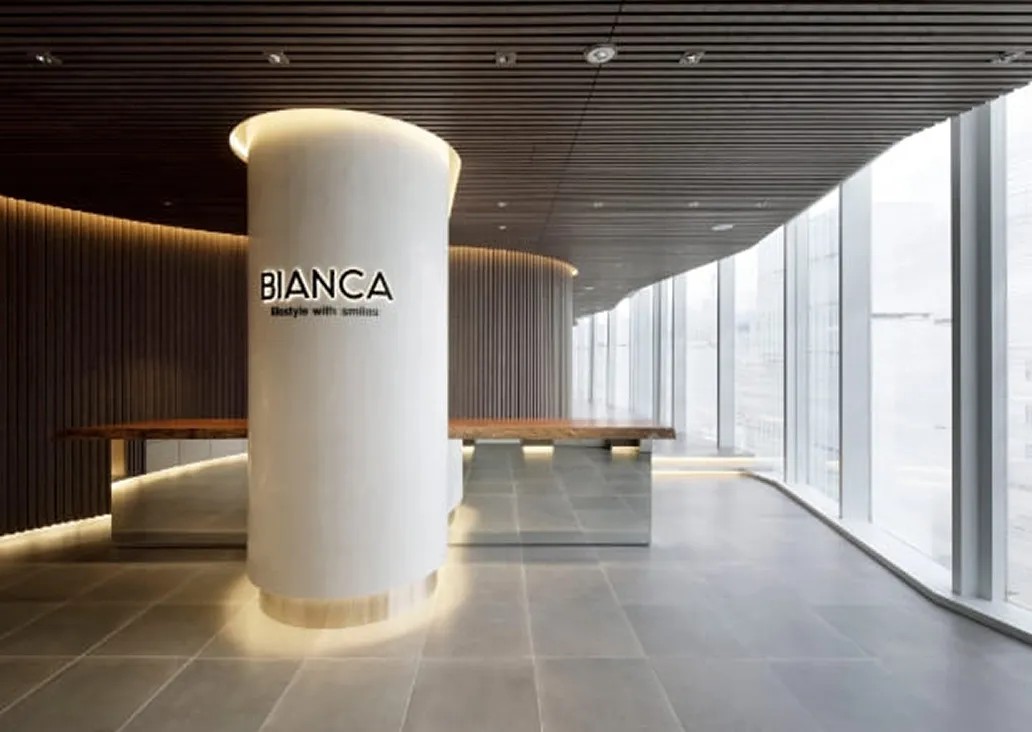
BIANCA CLINIC
source:BIANCA CLINIC
Advanced Preservation Rhinoplasty for Diverse Ethnicities
BIANCA CLINIC is renowned for its expertise in “Preservation Rhinoplasty,” a highly advanced technique that restructures the nose while maintaining its natural framework.
This approach is particularly beneficial for ethnic rhinoplasty, as it allows surgeons to refine the nasal shape—whether it involves augmenting a low nasal bridge common in Asian patients or performing reduction rhinoplasty—without compromising the structural integrity.
The clinic’s lead surgeons have extensive experience operating on patients from various backgrounds, including Asian, American, African, and Indian descents, ensuring a customized approach that respects each patient’s unique ethnic features.
Multilingual Support
The clinic provides a comprehensive English website, allowing international patients to easily understand its services, treatment details, and doctors’ backgrounds in advance.
In addition, websites are also available in Spanish, Chinese, and English.
Interpretation Services
To ensure a smooth experience, the clinic offers support from staff who can communicate in English and Chinese.
They assist with consultation and reception, helping international patients navigate treatment options and reducing language barriers when undergoing aesthetic procedures in Japan.
Reservations
Reservations can be conveniently made through their official website using the online booking system.
They also offer online consultations, which is highly advantageous for inbound patients planning their medical trip to Japan.
Access Information
BIANCA CLINIC operates two conveniently located branches in Tokyo’s premier districts.
The Ginza clinic is just a short walk from Ginza Station, and the Omotesando clinic is easily accessible from Omotesando Station, providing a luxurious and comfortable environment for international visitors.
Surgical procedures are performed at the Ginza clinic.
Key Points
- Specializes in Preservation Rhinoplasty to minimize downtime and preserve natural nasal structures.
- Extensive experience in performing ethnic rhinoplasty for patients from diverse global backgrounds.
- Utilizes 3D CT imaging to create highly customized and precise surgical plans.
| Address | 【BIANCA CLINIC GINZA】 12F ONE GINZA, 1-8-19 Ginza, Chuo-ku,Tokyo 104-0061, Japan 【BIANCA CLINIC OMOTESANDO】 Minami-Aoyama 511 Building, 5-11-10 Minami-Aoyama, Minato-ku, Tokyo 104-0061, Japan |
| Phone Number | 050-3196-4834 |
| Business Hours | 10:00–19:00 |
| Closed | irregular holidays |
| Access | 【BIANCA CLINIC GINZA】 A 4-minute walk from Ginza Station on the Tokyo Metro Ginza Line. A 1-minute walk from Exit 7 of Ginza-itchome Station on the Tokyo Metro Yurakucho Line. A 3-minute walk from Exit 3 of Kyobashi Station on the Tokyo Metro Ginza Line. A 8-minute walk from the Kyobashi Exit of JR Yurakucho Station. 【BIANCA CLINIC OMOTESANDO】 A 5-minutes walk from Omotesando Station B1 exit The Tokyo Metro Ginza Line. The Tokyo Metro Hanzomon Line. The Tokyo Metro Chiyoda Line. |
PLAZA Clinic
source:PLAZA Clinic
US Board-Certified Expertise in Tokyo
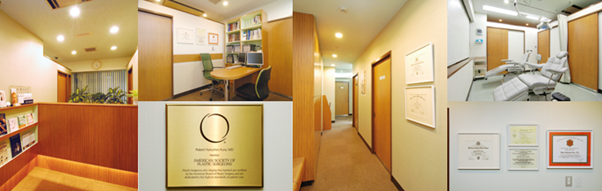
PLAZA Clinic is a highly reliable choice for international patients, founded and led by a US Board-Certified Plastic Surgeon.
This ensures that the clinic operates under international standards of medical care and safety.
For ethnic rhinoplasty, the clinic focuses on achieving natural, balanced results that complement the patient’s overall facial proportions.
Their deep understanding of Western and international aesthetic standards makes them highly capable of addressing the specific requests and concerns of inbound patients seeking rhinoplasty in Japan.
Multilingual Support
The clinic is fully equipped to support English-speaking patients.
From the reception staff to the medical professionals, communication is seamlessly conducted in English, eliminating any language barriers.
Interpretation Services
Because the primary language of communication at the clinic is English, international patients from English-speaking countries do not need to arrange for external interpretation services, ensuring a stress-free and direct consultation with the surgeon.
Reservations
Consultations and procedures are available by appointment only.
International patients can easily schedule their visits by calling the clinic directly or reaching out through their official contact channels.
Access Information
Located in Hiroo, a well-known international and expatriate-friendly neighborhood in Tokyo, the clinic is highly accessible.
It is situated just a one-minute walk from Hiroo Station, making it incredibly convenient for visitors navigating the city.
Key Points
- Led by a US Board-Certified Plastic Surgeon, guaranteeing international standards of care.
- Fully English-speaking environment, ideal for inbound patients without Japanese language skills.
- Focuses on achieving natural aesthetic harmony tailored to individual facial structures.
| Address | 4F Hiroo 5-Chome Building, 5-5-1 Hiroo, Shibuya-ku, Tokyo |
| Phone Number | 03-5475-2345 |
| Business Hours | 9:30 – 18:00 |
| Closed | Weekdays and Saturdays |
| Access | 1-minute walk from Hiroo Station (Exit 2, Hibiya Line) |
THE ROPPONGI CLINIC
source:THE ROPPONGI CLINIC
Comprehensive Autologous Tissue Rhinoplasty
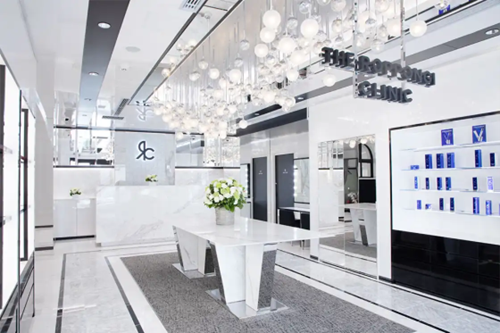
THE ROPPONGI CLINIC is highly regarded for its “Zaroku-style Total Rhinoplasty,” which emphasizes the use of autologous tissue (the patient’s own cartilage) rather than artificial implants.
This method is said to reduce the risk of complications and foreign body reactions.
The clinic focuses on creating a “forgotten nose”—a result so natural that it perfectly harmonizes with the patient’s face.
Furthermore, they prioritize not only aesthetic improvements but also functional aspects, ensuring that breathing issues are addressed alongside cosmetic enhancements.
Multilingual Support
Its official website is available in English and Chinese, and the staff are experienced in welcoming inbound patients seeking high-quality cosmetic care.
Interpretation Services
To ensure that the nuanced details of the “Total Rhinoplasty” procedure are fully understood, international patients are encouraged to arrange for a professional medical interpreter during their comprehensive pre-operative consultations.
Reservations
Appointments can be made via their web reservation system or by phone.
Due to their policy of performing only one major rhinoplasty surgery per day to ensure the highest quality of care, early booking is highly recommended for inbound travelers.
Access Information
The clinic has two luxurious locations in Tokyo.
The Roppongi branch is situated in the heart of Tokyo’s international district, and the Ebisu branch offers a private, sophisticated atmosphere, both easily accessible via major transit lines.
Key Points
- Specializes in safe, autologous tissue rhinoplasty to avoid the risks associated with artificial implants.
- Limits surgeries to one per day to provide uncompromising, dedicated care to each patient.
- Utilizes advanced 3D Vectra simulation to align the surgeon’s and patient’s aesthetic goals perfectly.
| Address | 【Roppongi】 5th Floor, Uni Roppongi Building, 7-15-17 Roppongi, Minato-ku, Tokyo 【Ebisu】 3-11-14 Ebisu Minami, Shibuya-ku, Tokyo |
| Phone Number | 【Roppongi】03-6438-9244 【Ebisu】03-5708-5413 |
| Business Hours | 10:00–19:00 |
| Holiday | Irregular holidays |
| Access | 【Roppongi】 1-minute walk from Exit 2 of Roppongi Station on the Tokyo Metro Hibiya Line. 3-minute walk from Exit 4B of Roppongi Station on the Toei Oedo Line. 【Ebisu】 3-minute walk from Ebisu Station on the Tokyo Metro Hibiya Line 5-minute walk from Ebisu Station on the JR Yamanote Line 5-minute walk from Ebisu Station on the JR SaikyoLine 5-minute walk from Ebisu Station on the JR Shonan-Shinjuku Line. |
Contour Clinic Tokyo
source:Contour Clinic Tokyo
Holistic Facial Harmony and Structural Rhinoplasty
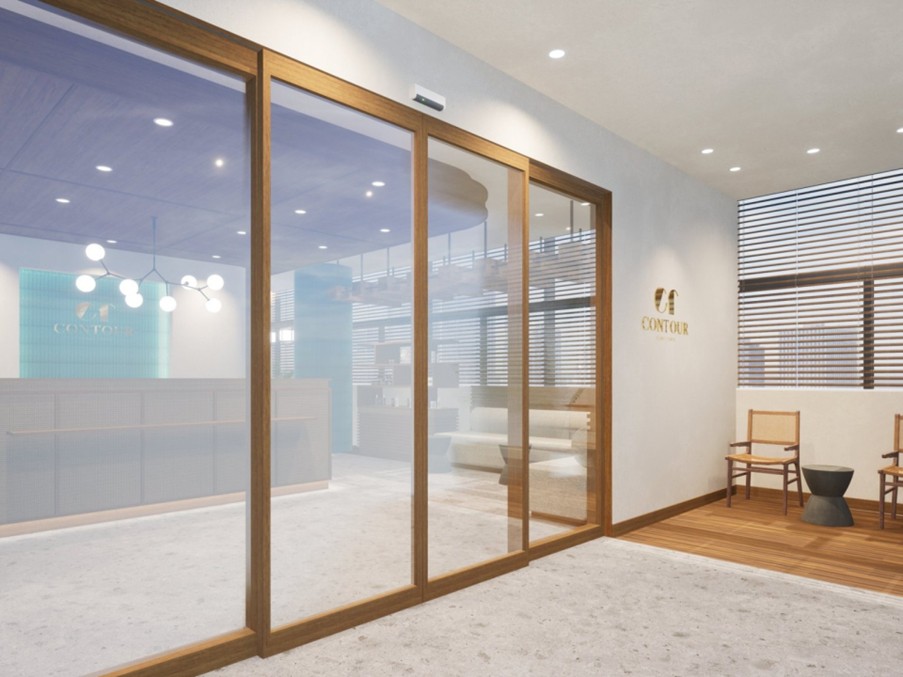
Contour Clinic Tokyo approaches rhinoplasty with a strong emphasis on overall facial balance.
Recognizing that ethnic rhinoplasty requires more than just altering the nose, the clinic evaluates the entire facial contour to ensure the new nasal shape complements the patient’s unique bone structure.
They offer a wide array of surgical options, including osteotomy (bone reshaping) and cartilage grafting, allowing them to address complex structural needs.
This holistic approach is highly beneficial for international patients seeking a refined, natural look that respects their ethnic heritage.
Multilingual Support
The clinic is well-prepared to welcome international patients, offering multilingual support options on their website, including English, Chinese, and Korean, making the initial research and contact process straightforward for inbound visitors.
Interpretation Services
The clinic provides a supportive environment for patients who are not confident in Japanese; however, for complex surgical discussions, it is recommended to confirm the availability of a medical interpreter at the time of booking.
Reservations
Patients can easily book consultations through the clinic’s website, via phone, or through their official LINE account, providing flexible options for international patients coordinating their travel schedules.
Access Information
Conveniently located in the prestigious Ginza district, the clinic is easily accessible from multiple train lines.
Its central location makes it an excellent choice for international visitors staying in Tokyo’s major hotel areas.
Key Points
- Focuses on total facial balance, ensuring the rhinoplasty results harmonize with the patient’s overall contours.
- Offers comprehensive surgical techniques, including advanced bone reshaping and cartilage grafting.
- Provides a welcoming environment with multilingual support for international clients.
| Address | 7F, Success Ginza 7 Building, 7-13-12 Ginza, Chuo-ku, Tokyo |
| Phone Number | 03-6228-4789 |
| Business Hours | 10:00–19:00 |
| Holiday | Irregular holidays |
| Access | 4-minute walk from Shiodome Station (Exits 3 and 5) on the Toei Oedo Line. 5-minute walk from Higashi-Ginza Station (Exit A1) on the Tokyo Metro Hibiya Line/Toei Asakusa Line. 5-minute walk from Tsukiji Shijo Station (Exit A3) on the Toei Oedo Line. 7-minute walk from Ginza Station (Exit A3) on the Tokyo Metro Hibiya Line, Marunouchi Line, and Ginza Line. 7-minute walk from Shimbashi Station (Exit A2) on the JR/Tokyo Metro Ginza Line/Toei Subway Asakusa Line/Yurikamome Line. |
NAKAO PLASTIC SURGERY
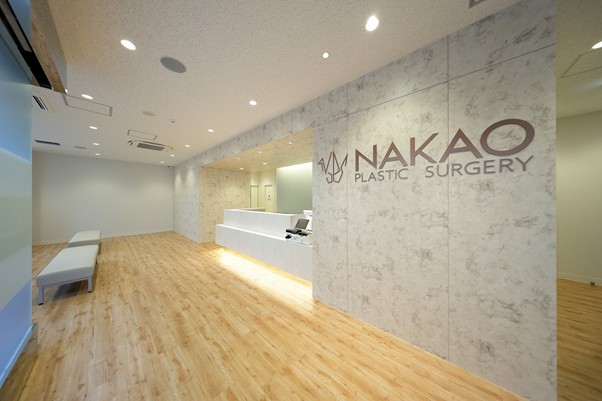
source:NAKAO PLASTIC SURGERY
Specialized Hybrid Rhinoplasty for Asian and International Patients
NAKAO PLASTIC SURGERY caters to both Asian and Caucasian patients, offering “Asian Rhinoplasty” and “Reduction Rhinoplasty.”
The clinic is a pioneer in “Hybrid Rhinoplasty,” which combines the tissue-sparing benefits of preservation rhinoplasty with the structural support of traditional methods.
This technique is suitable for both augmenting a low nasal bridge and reducing a prominent dorsal hump, making it an excellent option for ethnic rhinoplasty.
Additionally, their use of the anatomical “Polygon Concept” enables the creation of a natural and refined nasal tip.
Multilingual Support
The clinic features a dedicated, highly detailed English website that thoroughly explains their surgical philosophies, techniques, and procedures, demonstrating a strong commitment to educating and supporting international patients.
Interpretation Services
The clinic is led by an English-speaking doctor, which greatly facilitates direct and accurate communication regarding surgical goals and medical histories, reducing the reliance on third-party interpreters for English-speaking inbound patients.
Reservations
International patients can conveniently schedule their consultations through the clinic’s online booking system, allowing for seamless planning prior to arriving in Japan.
Access Information
Located in the stylish Minami-Aoyama area, the clinic offers a private and sophisticated setting.
It is easily accessible from major transit hubs, providing a stress-free commute for international visitors.
Key Points
- Pioneers in “Hybrid Rhinoplasty,” combining preservation and structural techniques for optimal results.
- Explicit expertise in both Asian augmentation rhinoplasty and Caucasian reduction rhinoplasty.
- Led by an English-speaking surgeon, ensuring clear and direct communication with international patients.
| Address | Toranomon Waiko Bldg.
1F 5-12-1 Toranomon Minato-ku, Tokyo |
| Phone Number | 03-6434-5151 |
| Business Hours | 9:00 – 18:00 |
| Closed | Tuesdays, third Saturdays of the month, Sundays and national holidays |
| Access | 30 seconds walk from Tokyo Metro Hibiya Line Kamiyacho Station Exit #1 |
Conclusion
Finding the right clinic for ethnic rhinoplasty in Japan comes down to surgeon experience with your specific anatomy, a genuine commitment to natural and harmonious results, and clear communication throughout the process.
Prioritize clinics that can demonstrate relevant Before & After results, offer a full range of techniques, and provide transparent information on fees, aftercare, and revision policies.
Whether you are visiting Japan specifically for surgery or exploring options as a resident, taking the time to compare at least two or three consultations will give you the confidence to choose a team that truly understands your goals.
| ・This website provides general knowledge about aesthetic medicine from a neutral perspective as much as possible. Please note that the information is not intended to encourage self-diagnosis. Be sure to check the official website of the clinic and consult each medical institution for details regarding treatment. ・This article is based on information available at the time of writing and publication. Please check the official website for the latest updates. ・If cosmetics or massage-related content is mentioned, it is not within the scope of medical supervision. |