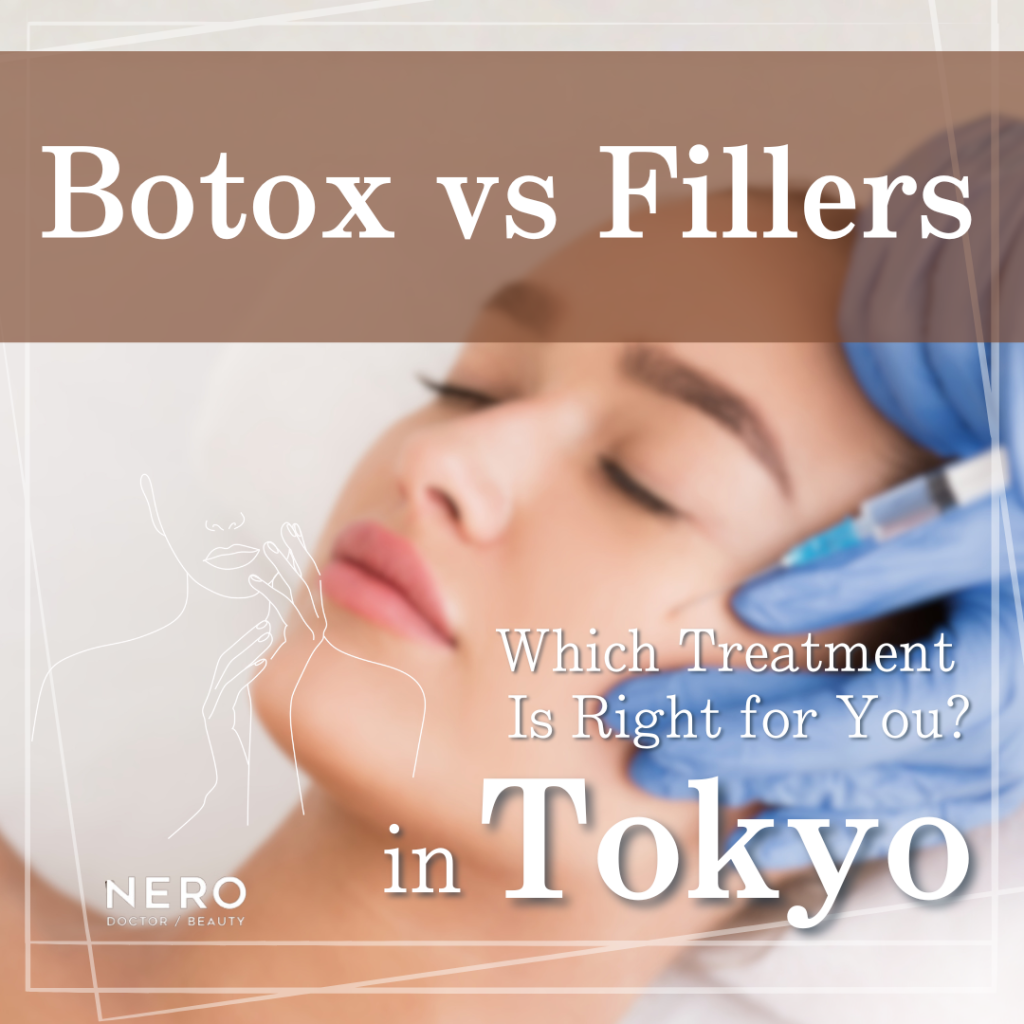
In Tokyo’s fast-moving aesthetic scene, two injectables dominate the conversation: Botox and dermal fillers.
Both are minimally invasive but serve different purposes.
Botox is typically used to soften expression-driven lines, while fillers are used to restore volume and enhance facial contours.
Understanding how each treatment works, along with differences in results, timing, and safety, can help you make an informed decision.


Botox vs fillers in Tokyo: how they work and what they treat

Botox at a glance
Botox (a neuromodulator) temporarily reduces overactive muscle movement.
It is commonly used to smooth forehead and frown lines, soften crow’s feet, refine a gummy smile, reduce chin dimpling, slim masseters, and relax vertical neck bands.
Results typically begin to appear within 3–7 days, with full effect visible around two weeks, and generally last about 3–4 months.
Downtime is minimal.
Temporary effects may include a feeling of heaviness in the brow or eyelid area or mild headaches.
Many clinics in Tokyo carefully assess facial muscle patterns and potential risks, such as eyelid ptosis, before treatment.
Some practitioners also consider formulation types, including options designed to reduce the risk of neutralizing antibodies over time.
Fillers at a glance
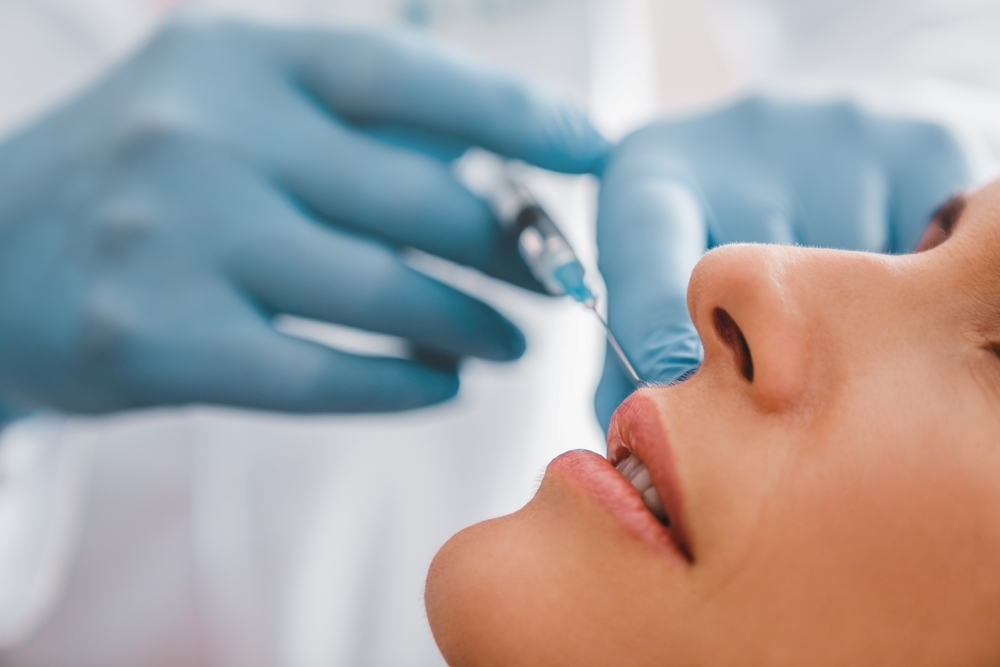
Most dermal fillers used in Tokyo are hyaluronic acid-based gels that add volume and hydration.
They are commonly used to restore volume loss in areas such as the cheeks, temples, and under-eyes, smooth deeper lines like nasolabial folds, and enhance features such as lips, chin, and jawline.
Results are visible immediately, settle over 1–2 weeks, and may last approximately 6–18 months depending on the product and treatment area.
Swelling and bruising are common short-term effects.
Although serious complications are rare, they highlight the importance of choosing an experienced injector with strong anatomical knowledge.
How to choose the right treatment in Tokyo
Match goals to treatment
Expression-driven lines (smiling, frowning, squinting):
Botox is typically the first choice
Volume loss or contour enhancement:
Fillers tend to be more effective
Mixed concerns:
A combination approach is often used for balanced results
Pre-treatment consultation and clear goal-setting help align expectations and guide treatment planning.
Timeline, downtime, and longevity
Onset:
Botox typically shows results within 3–7 days, while fillers are visible immediately but settle over 1–2 weeks
Longevity:
Botox generally lasts around 3–4 months; fillers may last 6–18 months depending on area and product
Downtime:
Both treatments are minimally invasive, though mild swelling or bruising may occur
Safety and personalization matter
Facial anatomy varies significantly between individuals, making personalized planning essential.
In Tokyo, many clinics emphasize conservative dosing, detailed consultation, and gradual adjustments over time.
Rather than following a fixed template, treatments are often tailored to individual facial structure, muscle activity, and aesthetic goals.
Continuity of care and clear aftercare guidance are also commonly prioritized.
Why Botox is widely chosen in Tokyo
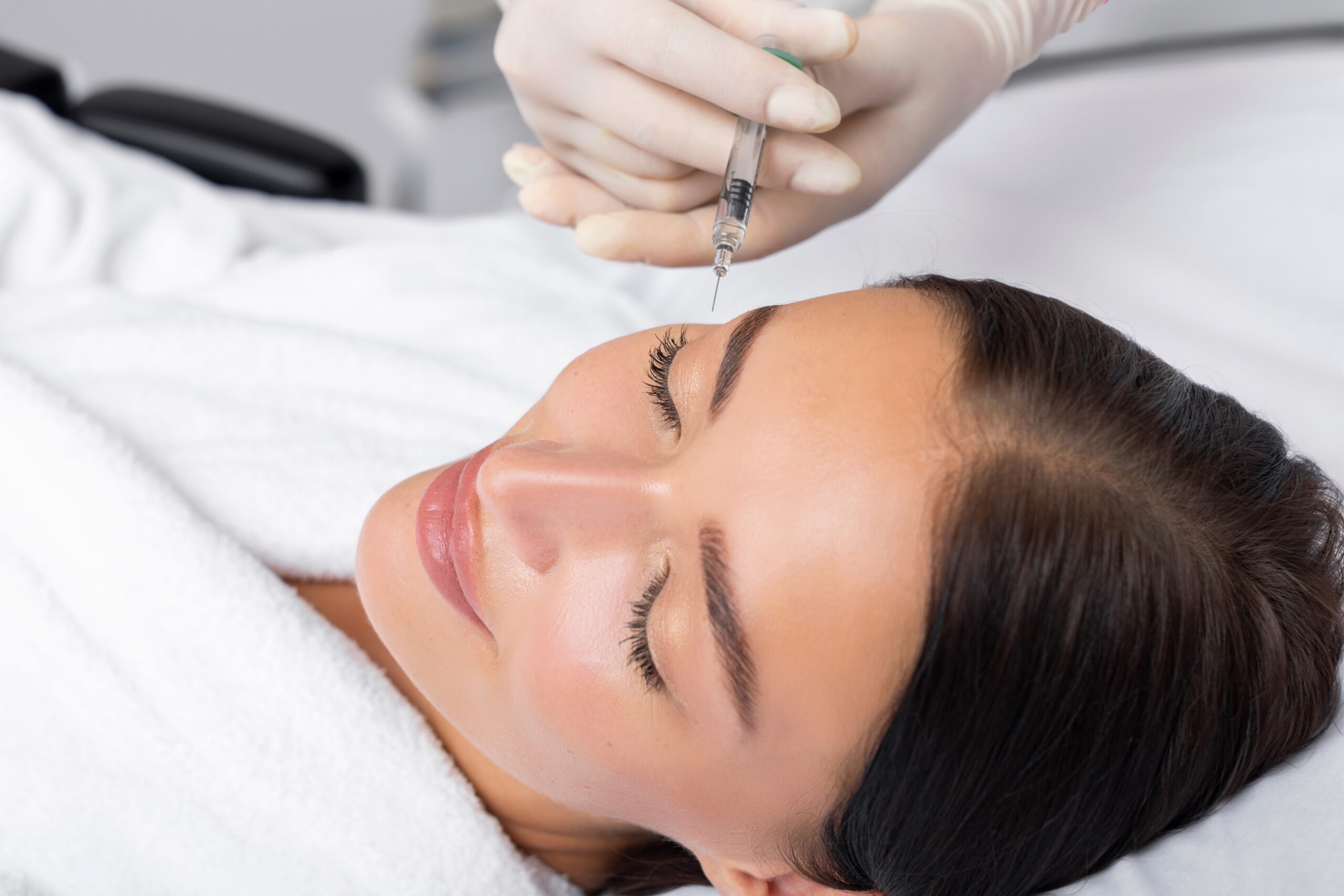
- Predictable results for expression lines
- Minimal downtime
- Suitable for preventive use as well as correction
- Adjustable dosing for natural-looking outcomes
Costs, booking, and realistic expectations in Tokyo
Costs in Tokyo vary depending on the treatment area, product type, and amount required.
When choosing a clinic, expertise and safety should be prioritized over price alone.
During consultation, it is helpful to discuss your goals, timeline, and any previous treatments to ensure a realistic and well-planned approach.
Conclusion
When comparing Botox vs fillers in Tokyo, the right choice depends on whether your main concern is muscle movement or volume loss.
In many cases, a combination of both treatments can provide the most balanced and natural-looking results.
Selecting a clinic that prioritizes clear communication, personalized planning, and safety can help ensure a smooth experience and satisfying outcome.
| ・This website provides general knowledge about aesthetic medicine from a neutral perspective as much as possible. Please note that the information is not intended to encourage self-diagnosis. Be sure to check the official website of the clinic and consult each medical institution for details regarding treatment. ・This article is based on information available at the time of writing and publication. Please check the official website for the latest updates. ・If cosmetics or massage-related content is mentioned, it is not within the scope of medical supervision. |