In Tokyo’s aesthetics scene, demand for non-surgical facial lifting is rapidly increasing.
Two widely discussed options—HIFU and thread lifts—offer contour improvement without surgical incisions.
This guide explains HIFU vs thread lift in Tokyo to help you make an informed decision.
Many clinics in Tokyo provide detailed consultations and, in some cases, simulation tools to help patients visualize potential outcomes before treatment.


HIFU vs. Thread Lift: Key Differences in Lifting and Tightening
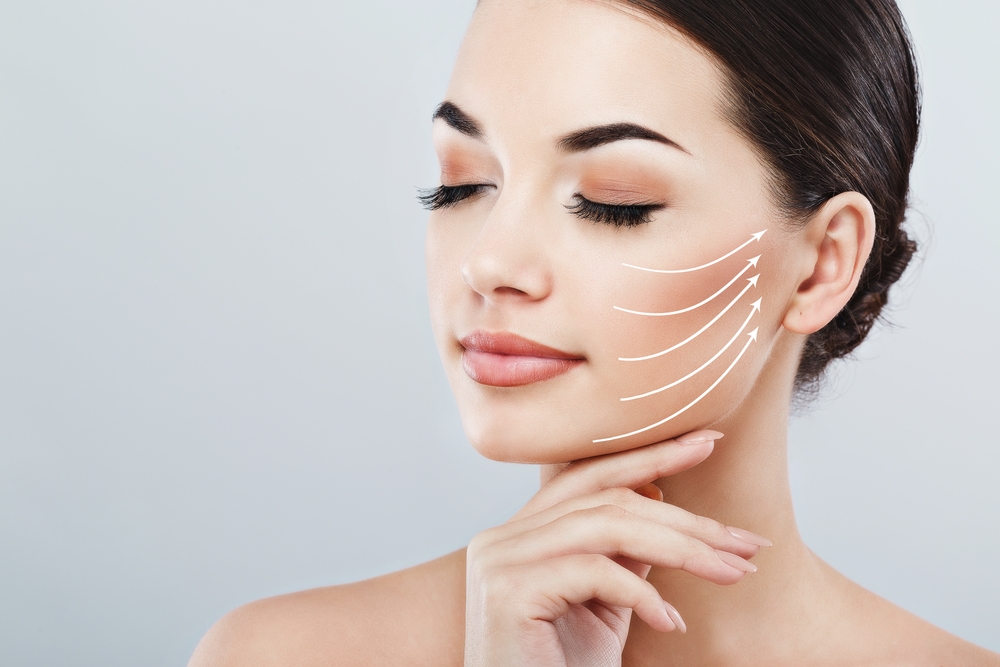
HIFU: focused ultrasound tightening
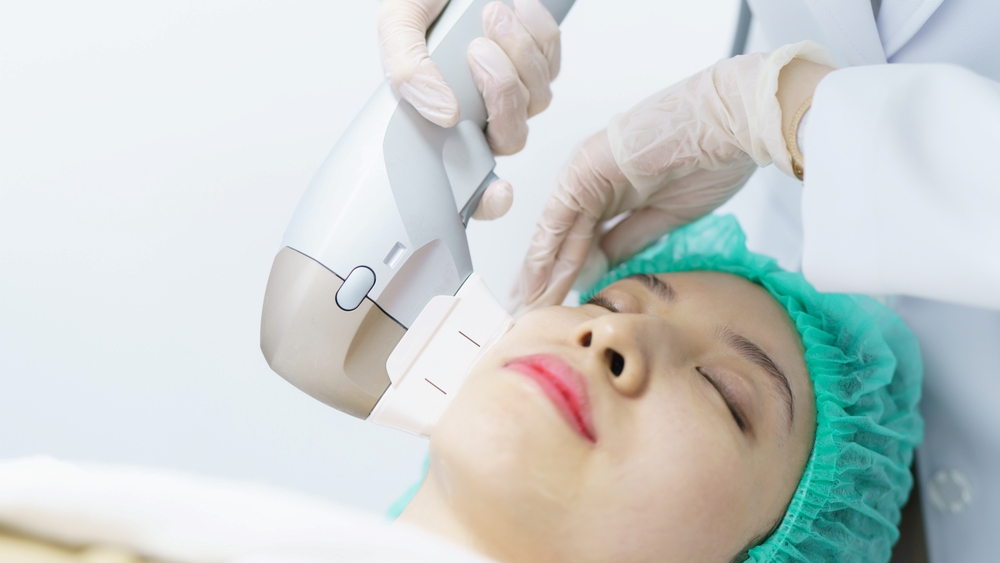
High-Intensity Focused Ultrasound delivers thermal energy to the SMAS layer and dermis, promoting collagen contraction and remodeling.
Key points:
- Non-invasive with minimal to no downtime
- Gradual tightening over approximately 8–12 weeks
- Mild fat reduction along the jawline or under the chin
Thread lift: instant mechanical elevation
Thread lifts use dissolvable barbed sutures (PDO, PLLA, or PLGA) to reposition sagging tissue under local anesthesia.
Highlights:
- Visible lifting effect immediately after treatment
- Short recovery time, though temporary tenderness or bruising is common
- Collagen stimulation along the thread pathways
Thread lifts do not reduce fat, so concerns related to volume may require additional contouring treatments.
HIFU vs thread lift in Tokyo at a glance
〈Goal〉
Instant elevation favors thread lifts; gradual tightening and skin quality improvement favor HIFU
〈Tissue profile〉
Heavier sagging may respond better to threads; mild laxity or crepey skin may be better suited to HIFU
〈Timing〉
Thread lifts are often chosen before events; HIFU is suited for gradual improvement
〈Fat concerns〉
HIFU may help with slight fat reduction; thread lifts do not address fat
Results, longevity, and upkeep
HIFU results develop gradually and typically last around 6–12 months.
Thread lift effects are immediate and may last approximately 9–18 months as collagen remodeling progresses.
To maintain results, some clinics recommend combining treatments—for example, periodic HIFU sessions alongside thread lifts and radiofrequency (RF) treatments.
Treatment intervals are usually adjusted based on individual anatomy and lifestyle.
Comfort, downtime, and safety
HIFU
Temporary redness or swelling may occur, with minimal downtime.
Rare cases of temporary numbness have been reported
Thread lift
Mild to moderate swelling, tenderness, or dimpling may occur for several days.
Asymmetry or thread visibility is uncommon and typically resolves over time.
Treatment planning and aftercare
In Tokyo, many clinics emphasize detailed consultation, personalized treatment mapping, and structured aftercare.
Some clinics also provide visual simulations, before-and-after galleries, and clear explanations of expected results to help patients make informed decisions.
Beyond HIFU and threads: comprehensive lifting
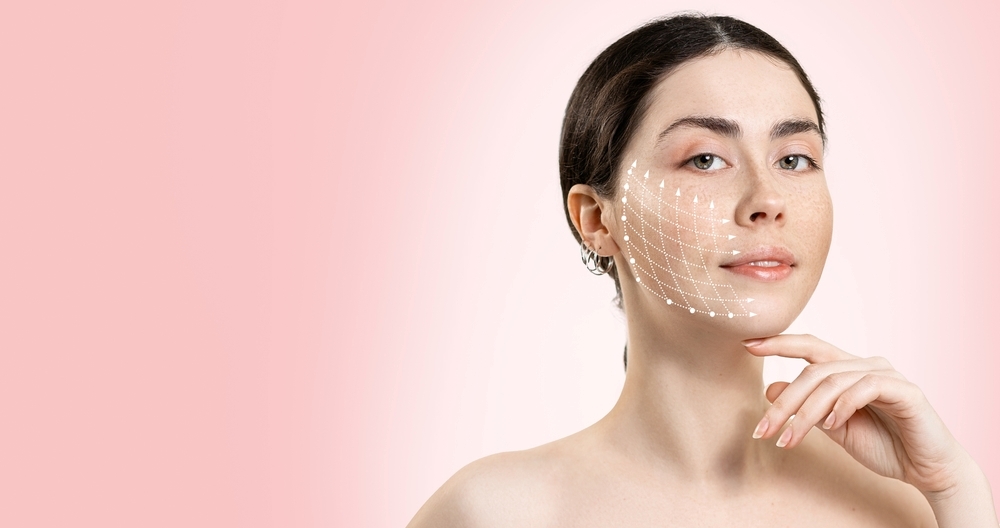
In some cases, combining modalities may produce more balanced results.
Thread lifts can reposition tissue, while HIFU or RF treatments improve skin tightening.
When excess fat contributes to sagging, additional treatments—ranging from non-surgical fat reduction to minimally invasive procedures—may be considered depending on the individual case.
Conclusion
HIFU offers gradual tightening with minimal downtime and may provide mild fat reduction, while thread lifts deliver immediate lifting effects but do not address fat.
In Tokyo, treatment plans are often tailored to the individual, and a combination approach may provide the most balanced outcome.
Choosing a clinic that prioritizes clear communication, personalized planning, and safety can help ensure a smooth experience and satisfying results.
| ・This website provides general knowledge about aesthetic medicine from a neutral perspective as much as possible. Please note that the information is not intended to encourage self-diagnosis. Be sure to check the official website of the clinic and consult each medical institution for details regarding treatment. ・This article is based on information available at the time of writing and publication. Please check the official website for the latest updates. ・If cosmetics or massage-related content is mentioned, it is not within the scope of medical supervision. |