One of the biggest misunderstandings about aesthetic treatment in Japan is that a single concern points to a single answer. It rarely does.
A little uneven skin texture might lead toward skincare, toward an injectable, toward an energy-based device, or — depending on what a clinician actually finds during an in-person assessment — toward something more involved.
That’s not a flaw in your research. It’s simply what happens when one field covers everything from a lunchtime facial to a multi-stage surgical plan, and when the same treatment class gets marketed under a different device name at almost every clinic you look at.
We built this guide to sit between those extremes — a place to compare pathways, gather the right planning questions, and get a clearer sense of your options before you commit to a clinic, a procedure, or a plane ticket.
[Explore by concern] · [Compare treatment pathways] · [Plan your visit]
| NERO is an editorial guide. We don’t diagnose, prescribe treatment, or tell you there’s one “best” procedure or clinic for your situation — that’s a conversation for you and a qualified clinician to have directly. |


INDEX
- Explore by Concern
- Choose How You Want to Compare
- Non-Surgical and Minimally Invasive Options: What You May Hear About at a Consultation
- Surgical Options: What Changes in the Planning Process?
- Compare Options by Goal
- Plan Your Treatment Journey: Recovery and Follow-Up Matter
- Choose a Clinic That Is Ready for International Patients
- Clinic-Card Fields That Make Comparison Easy
- Build Your Consultation Shortlist
- A Few Quick Questions, Answered
- How NERO Evaluates Treatment Information
Explore by Concern
You don’t need to walk in already knowing a treatment name — start with whatever’s actually bothering you.
Each card below opens into the matching row of the comparison matrix further down the page, so you can move freely between “here’s my concern” and “here’s what might address it” without locking yourself into a device or a clinic too early.
Skin quality, texture, and visible marks
Compare skin preparation, laser/light, and RF-based treatment categories.
Pathways: Skin care · Laser/light · RF microneedling
Facial laxity and jawline definition
Explore tightening, injectables, contouring, and surgical pathways.
Pathways: Energy-based · Injectables · Minimally invasive · Surgery
Under-eye concerns and eyelid appearance
Understand the questions that separate injectable, skin-focused, and surgical approaches.
Pathways: Injectables · Skin quality · Eyelid surgery
Nose shape and profile balance
Compare temporary volume adjustment with structural surgical planning.
Pathways: Injectables · Rhinoplasty
Lip volume and shape
Compare injectable pathways and plan for aftercare.
Pathways: Injectables · Aftercare planning
Body contour and localized fullness
Compare non-surgical approaches with surgical contouring considerations.
Pathways: Devices · Injectables · Liposuction
Choose How You Want to Compare
From here, read in whatever order suits you — jump straight to non-surgical options, go to surgical options, or use the matrix further down to look at both side by side. There’s no “correct” starting point.
The goal isn’t to arrive at a predetermined answer; it’s to leave with sharper questions than you came in with.
Non-Surgical and Minimally Invasive Options: What You May Hear About at a Consultation
“Non-surgical” is a convenient shorthand, but it’s really an umbrella over several quite different kinds of care. Some options work on the surface of the skin.

Some add — or soften — volume. Some use energy to reach a specific layer of tissue. And some involve needles, threads, or small access points that put them in a different category entirely, even if nobody’s picking up a scalpel.
This is why the device name on the brochure isn’t actually a useful comparison point. What matters more is the goal behind the treatment, the recovery you should realistically expect, how many sessions it might take, and whether the follow-up plan fits your schedule.
That distinction is easy to skip past in a short consultation, so it’s worth raising yourself.
We keep minimally invasive as its own category in this section for that reason.
A treatment involving needles or a subdermal device doesn’t belong in the same “no downtime” bucket as a facial, even when a clinic markets it that way.
Technology Names You May Encounter in Japan — Grouped by Treatment Class
Here’s something worth knowing before you read any further: Japanese clinics tend to market the exact same treatment class under a different device name, product name, or in-house menu name depending on where you walk in.
Two clinics offering essentially the same RF tightening treatment might call it two completely different things.
That’s not deception, exactly — it’s just how a competitive, device-heavy market ends up looking from the outside.
So rather than trying to memorize brand names, you’re better off learning the treatment class first, then treating the specific device name as one example within it.
A technology name is not a treatment recommendation. Japanese clinics often market the same treatment class under different device, product, or in-house menu names.
NERO lists representative names currently found on Japanese clinic websites so readers can recognize terminology — it isn’t ranking brands, endorsing a specific treatment, or implying every clinic offers every name on this list.
Availability, regulatory status, the treating clinician, and the actual treatment plan all need to be confirmed directly with the clinic.
1. Laser, Light, and Resurfacing Treatments
What you might be trying to solve: tone, texture, pores, visible marks, pigment-related concerns, acne-related marks, or that “glow” / “glass skin” look people ask about.
| Comparison field | Editorial content |
| What this pathway may include | Skin preparation, chemical peels, picosecond lasers, fractional resurfacing, and light-based treatments. |
| Representative terminology you may come across in Japan | PicoWay; PicoSure; PicoSure Pro; Discovery Pico / Discovery PICO PLUS; Enlighten; PQX; Pico Spot; Pico Toning; Pico Fractional; Fractional CO2 Laser; CO2 Laser. Japanese clinic sites tend to mix treatment-mode terms and device brand names pretty freely, so don’t assume two different-sounding names mean two different treatments. |
| Worth comparing before you commit | Start with the goal, not the device — ask whether the plan is actually addressing pigment, texture, visible marks, or something else. Then compare treatment mode, visible recovery, sun-exposure precautions, whether a series is being proposed, and how the plan accounts for your specific skin characteristics. |
| Soft CTA | Compare laser and resurfacing questions |
| Internal links | HydraFacial guide; acne-treatment guide; future pigmentation guide; future sensitive-skin guide. |
2. IPL and Other Light-Based Treatments
What you might be trying to solve: broad skin-tone concerns, surface color, redness, or texture — though a proper clinical assessment matters here more than in most categories, especially if what you’re actually dealing with is pigment-related.
| Comparison field | Editorial content |
| Technology class | IPL / intense pulsed light and related light-based platforms. Worth knowing: this is a different technology from a laser, even when a clinic files both under one general “skin treatment” menu. |
| Representative terminology you may come across in Japan | Stellar M22; Nordlys; Lumecca; BBL (BroadBand Light); Photosilk Plus; Cellec V; Limelight; Icon; Solari; Photo RF; Photo Double; Photo Triple. |
| Worth comparing before you commit | Ask which technology class and treatment mode are actually being proposed, which visible concern the clinician is targeting, whether there’s any reason to hold off on treatment, what recovery and sun-care instructions apply, and whether the quoted price already covers the number of sessions being planned. |
| Soft CTA | Understand IPL and light-treatment terminology |
| Internal links | Future pigmentation guide; future redness guide; sensitive-skin guide. |
3. Non-Invasive RF Tightening — No Needles
What you might be trying to solve: facial or body skin laxity, contour, or general skin-quality goals, where a clinic proposes heat-based tightening without inserting anything under the skin.
| Comparison field | Editorial content |
| Technology class | Non-invasive radiofrequency (RF) tightening. It’s a technology class, not one single named treatment, and it’s worth keeping distinct from both HIFU and RF microneedling, which get lumped in with it more often than they should. |
| Representative terminology you may come across in Japan | Volnewmer; Oligio X; XERF; DENSITY; Thermage FLX; 10THERMA; CELLINEW; ATTIVA; general “RF tightening” menu labels. |
| A naming mix-up worth knowing about | For the RF device, the correct name is CELLINEW (セリニュー). Cellnew+ (セルニュープラス) is a skincare brand, not the RF device, and the two get confused easily because the names look almost identical in both English and Japanese. Worth double-checking which one is actually being discussed. |
| Worth comparing before you commit | Confirm it’s actually RF, how the clinic describes your target area and treatment plan, how discomfort is managed, what recovery effects might be visible, whether the device is approved in Japan (and, if it isn’t, whether the clinic says so), and who’s actually performing the treatment. Be skeptical of “best RF,” “pain-free,” or “zero downtime” claims — none of those hold up as blanket statements. |
| Soft CTA | Compare non-invasive RF questions |
| Internal links | Skin Tightening Treatments in Tokyo: Non-Surgical Options Compared; future jowls guide. |
4. HIFU and Microfocused Ultrasound
What you might be trying to solve: selected lifting or contouring goals using ultrasound energy — and it’s worth saying upfront that this isn’t interchangeable with RF just because both get marketed under a general “tightening” umbrella.
| Comparison field | Editorial content |
| Technology class | HIFU / high-intensity focused ultrasound, and related microfocused ultrasound terminology. |
| Representative terminology you may come across in Japan | Ulthera; Ulthera Prime; Ultraformer MPT; Ultraformer III; ULTRAcel Zi; ULTRAcel Q+; Doublo Gold; Linear HIFU; LinearFirm; HIFU Shower; SonoQueen; UTIMS A3. |
| Worth comparing before you commit | Ask what specific ultrasound technique is being proposed, which area and planning goal it’s meant to address, whether you’ll actually be assessed in person by the treating clinician, how discomfort is managed, whether a series is being proposed, and how the clinic is distinguishing it from RF or from surgery in your particular plan. |
| Soft CTA | Compare HIFU planning questions |
| Internal links | Existing skin-tightening guide; future jowls guide. |
5. RF Microneedling — Needles Plus RF
What you might be trying to solve: texture, pores, acne-related marks, skin laxity, or other goals depending on assessment. Worth flagging: this isn’t a “no-downtime” version of surface RF — it uses needles, and that changes the comparison.
| Comparison field | Editorial content |
| Technology class | RF microneedling / microneedle RF. Treat it as its own category — separate from both non-invasive RF and non-energy microneedling, even though the names sound related. |
| Representative terminology you may come across in Japan | Morpheus8 (also written Morpheus 8 or モフィウス8); POTENZA; Sylfirm X; Secret RF; Virtue RF (also ヴァーチューRF / バーチュRF); Vivace; Elysis Sense; INTRAcel |
| Worth comparing before you commit | Ask about needle use specifically, the proposed treatment area, whether topical anesthesia or other pain support is used, expected redness or texture changes, any medication or skincare restrictions beforehand, infection and pigment-related risks, how many sessions are being proposed, and who actually carries out the procedure. |
| Soft CTA | Compare RF microneedling questions |
| Internal links | Acne-treatment guide; future scar guide; future pores-and-texture guide. |
6. Injectables and Skin Boosters
What you might be trying to solve: volume, contour, dynamic lines, lip shape, under-eye hollows — or, depending on the product and the clinician’s read of your skin, a general skin-quality goal.
| Comparison field | Editorial content |
| What this pathway may include | Hyaluronic-acid filler, botulinum toxin, and a broad group of products marketed in Japan as “skin boosters” or hadaiku (肌育, skin-quality injectables). |
| Representative terminology you may come across in Japan | HA filler; Botulinum toxin; Botox; REJURAN; Profhilo; Juvelook; SUNEKOS; JALUPRO; Pluryal; SKINVIVE; Volite XC; Lenisna; Belotero Revive; Rejuran i; JALUPRO Super Hydro; Pluryal Densify; SUNEKOS Performa. |
| Worth comparing before you commit | Confirm the exact product, what it’s proposed to do, the injector’s credentials, the amount and total pricing, expected swelling or bruising, exactly what’s included in the treatment, and the aftercare route if something feels off once you’ve left Japan. Steer clear of any “best skin booster” ranking — that’s not a claim any credible source can back up. |
| Soft CTA | Compare injectable planning questions |
| Internal links | Lip-filler aftercare guide; future tear-trough guide; future facial-balance guide. |
7. Minimally Invasive Contouring and Body Options
What you might be trying to solve: facial contour, localized fullness, lifting goals, or body-contour questions — the kind of thing where a clinic might propose something more involved than a surface treatment, but well short of open surgery.
| Comparison field | Editorial content |
| What this pathway may include | Thread lifts, fat-dissolving injections, select RF-assisted procedures, fat cooling, muscle-stimulation devices, body RF, and, where appropriate, a surgical route. |
| Representative terminology you may come across in Japan | Thread lift; FaceTite / EmbraceRF; fat-dissolving injection; BNLS Ultimate; FatX Core; Kabelline; CoolSculpting / CoolSculpting Elite; CoolTech Define; Emsculpt / Emsculpt Neo; truSculpt flex / iD; TeslaFormer; Onda; VASER liposuction; liposuction injection; 360 liposuction. |
| Worth comparing before you commit | Clarify exactly what tissue the proposed option is meant to address, whether it involves needles or incisions, what compression or activity restrictions apply, expected swelling and how visible the recovery will be, the follow-up timeline, and whether a surgical consultation might actually be the more appropriate next step. |
| Soft CTA | Compare contouring pathways |
| Internal links | Existing fat-dissolving-injections guide; future jowls / jawline guide; future body-contouring guide. |
A technology name is not a treatment recommendation. The same technology class can be used very differently from one clinic to the next. Your goals, medical history, skin, tolerance for recovery, travel schedule, and ability to attend follow-up are all things to talk through with a qualified clinician — not something a device name settles on its own.
| A note on how we maintain this list: we call this “representative technology names currently listed by Japanese clinics” rather than “all devices in Japan” on purpose. New devices arrive, products get renamed, and clinic availability shifts — sometimes within a single quarter. NERO maintains a dedicated, dated glossary page for this reason and reviews it at least quarterly; this article links out to that glossary rather than claiming to be a permanently exhaustive list itself. |
Surgical Options: What Changes in the Planning Process?
Surgery isn’t simply a “stronger” version of a non-surgical treatment, even though it’s often read that way. It’s a different kind of planning altogether.
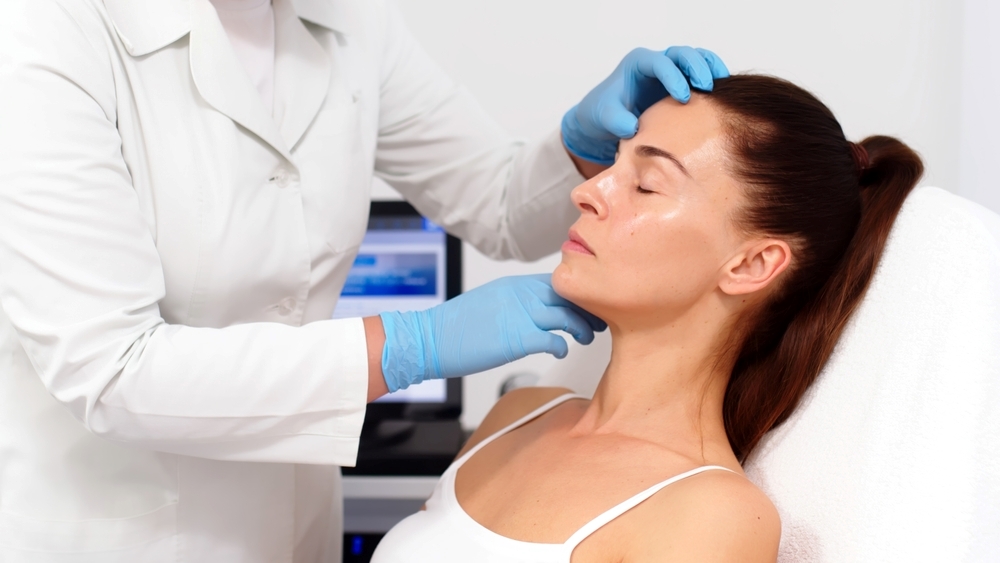
Choosing it usually means a more thorough in-person assessment, decisions around anesthesia, a recovery that’s actually visible for a while, follow-up appointments, and some very specific advice about travel timing. If surgery is somewhere in your research, look at the whole care journey rather than just the before-and-after photo.
1. Eyelid and Under-Eye Procedures
| What you might be trying to solve | Eye-area shadows, hollows, puffiness, skin laxity, or the overall appearance of the eyelid |
| Non-surgical / less invasive comparison | Skin-quality approaches and injectables get discussed for some of these goals. |
| Surgical terms you might encounter | Double-eyelid procedures, upper blepharoplasty, lower-eyelid surgery, fat removal or repositioning, the Hamra technique. |
| Worth asking before you book anything | Is an in-person assessment essential here? What recovery should I actually plan around, visibly? How many follow-ups might I need before I fly out? Are there any symptoms — vision-related, function-related — that need a separate medical assessment before we even talk about cosmetics? |
2. Rhinoplasty and Structural Nose Procedures
| What you might be trying to solve | Height, bridge, tip definition, a hump, nostril shape, or overall profile balance |
| Non-surgical / less invasive comparison | HA filler can be discussed for certain volume-adjustment goals, but it’s not a substitute for structural surgery. |
| Surgical terms you might encounter | Rhinoplasty, augmentation/implant, septal extension, tip refinement, alar reduction, hump reduction, osteotomy, cartilage grafting. A single “nose concern” can hide several distinct techniques, sometimes stacked together. |
| Worth asking before you book anything | Which parts of my goal are actually structural? What splinting, swelling, follow-up, and travel-clearance advice applies to me specifically? What happens if I’m back home before the result has fully settled? |
3. Face, Jawline, and Contour Procedures
| What you might be trying to solve | Jowls, submental fullness, cheek volume, general facial laxity, or lower-face contour |
| Non-surgical / less invasive comparison | HIFU, RF, RF microneedling, injectables, threads, and fat-dissolving injections come up depending on the goal. |
| Surgical terms you might encounter | Submental/facial liposuction, buccal-fat removal, fat grafting, face lift, deep-plane face lift, temporal lift. |
| Worth asking before you book anything | What’s the specific goal of each piece being proposed? Which step is actually driving the recovery timeline? Will I need compression, activity restrictions, or several rounds of review? |
4. Body Contouring and Breast Procedures
| What you might be trying to solve | Localized fullness, abdominal contour, arms, thighs, or breast shape/volume |
| Non-surgical / less invasive comparison | Device-based or injectable options get raised for some of these goals. |
| Surgical terms you might encounter | Liposuction, abdominal etching, fat grafting, breast augmentation, breast lift, breast reduction. |
| Worth asking before you book anything | What mobility, compression, medication, accommodation, and flight-readiness advice applies here? Roughly how long should I stay available for review before heading home? |
[Explore surgical treatment planning in Japan]
Until NERO’s dedicated Surgical Treatment Planning for International Patients guide is live, this CTA leads to a neutral [Save the surgical consultation checklist] — not to any particular clinic.
Compare Options by Goal
This table is really the heart of the page. It lines up, concern by concern, how the non-surgical, minimally invasive, and surgical pathways tend to differ — plus the planning question that matters most if you’re arranging travel around treatment.
| Concern / goal | Non-surgical pathway | Minimally invasive pathway | Surgical pathway | International-planning priority |
| Skin texture, pores, acne-related marks, pigmentation | Skin preparation, peels, laser/light, RF microneedling, depending on assessment. | Not usually the main comparison here — worth checking whether any proposed procedure actually addresses the original skin-quality goal. | Usually not the direct pathway for a skin-quality concern. | Ask about the treatment series, visible redness/peeling, sun avoidance, and skin-specific follow-up. |
| Jowls, loose skin, jawline definition | HIFU, RF, RF microneedling, injectables, where clinically relevant. | Threads, fat-dissolving injections, RF-assisted/subdermal options where appropriate. | Liposuction, face-lift procedures, or other surgical contouring, depending on assessment. | Compare how visible the recovery is, compression, activity restrictions, and how long you’ll be in Japan. |
| Under-eye hollows or puffiness | Injectables or skin-quality approaches for selected goals. | Limited — worth clarifying exactly what’s being proposed and why. | Lower-eyelid procedures, fat removal/repositioning, or other surgery. | Prioritize in-person assessment, visible recovery, and a post-treatment contact plan. |
| Nose shape or profil | Injectable volume adjustment for selected goals. | Not really a generic middle path here — don’t assume every nose goal has one. | Rhinoplasty, tip refinement, septal extension, or related structural techniques. | Prioritize surgical follow-up, splinting, travel timing, and realistic expectations for the long-term result. |
| Lip volume or shape | Filler, depending on goal and suitability. | Generally not the lead comparison for this hub — better handled by specialist content. | Some surgical lip procedures exist, but they need separate specialist planning. | Prioritize swelling, aftercare, and timing around events or travel. |
| Body contour / localized fullness | Device-based or injectable approaches for some goals. | Some clinics discuss minimally invasive contouring options. | Liposuction, fat transfer, or other body surgery. | Prioritize compression, mobility, accommodation, medication, and travel clearance. |
Plan Your Treatment Journey: Recovery and Follow-Up Matter
A clinic’s own website is naturally going to nudge you toward booking. This section is here to do the opposite — help you work out what to settle before you make that call.
I’m only in Japan for a few days.
Start with recovery and follow-up, honestly, before anything else. “Non-surgical” doesn’t automatically mean invisible recovery, and a treatment series might just not fit a short itinerary.
[Compare short-stay considerations]
I can stay longer, or come back for review.
Weigh how much this depends on in-person assessment, scheduled review, aftercare, activity changes, and whatever your clinician says about travel afterward.
[Plan a longer treatment stay]
I’m researching now and traveling later.
Build your shortlist around the treatment category, how the clinic communicates, pricing transparency, credentials, and the aftercare plan — not around a device name you saw once on Instagram.
[Build your clinic-comparison shortlist]
Choose a Clinic That Is Ready for International Patients
An English booking page is a good start, but it isn’t the same thing as an international-patient pathway.
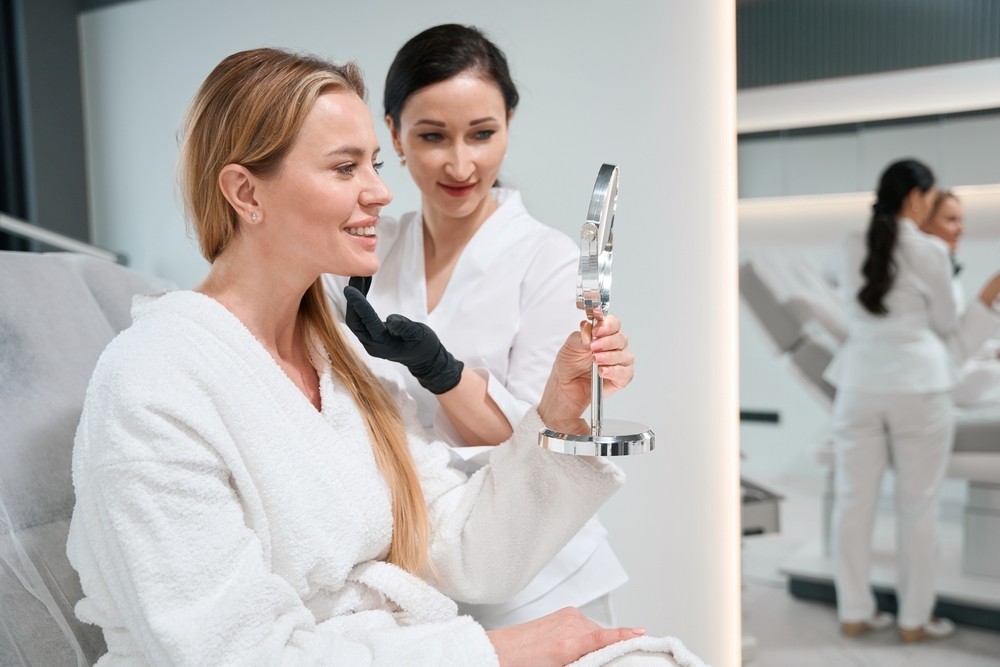
Before you get into prices or machines, it’s worth confirming who’s actually going to support you — from the first consultation and informed consent, through treatment, follow-up, and the communication that happens after you’ve left Japan.
We don’t treat price, a generic English contact form, or a line that says a clinic “accepts foreigners” as proof of anything. And we don’t assume a smaller or independently run clinic is automatically the wrong choice just because it’s not one of the bigger names.
The actual test is more specific: can this clinic show — not just say — that it has an international-patient workflow built around clear communication, transparent consent, real expertise, and continuity of care?
International readers often arrive at this research assuming that Japan’s general reputation for sincerity and precision tells them something about a specific clinic. It doesn’t, not on its own.
That reputation is real. It’s also a perception, not a verification.
A country-level impression can’t tell you whether one particular clinic will hand you an itemized quote you can actually read, or whether a language gap might quietly affect how well you understand a procedure, a risk, or an aftercare instruction.
National goodwill and one clinic’s documented transparency are two different things. We treat them that way here.
The five checks below exist to confirm the second — not to assume it from the first.
The Five Checks Before NERO Features a Clinic
| NERO check | What you should be able to confirm | Reader-facing label |
| 1. Dedicated international-patient desk | A named global-patient coordinator, international desk, or specific contact channel that owns your case before, during, and after the visit — not a shared inbox that happens to reply in English. | Dedicated international-patient support |
| 2. Clinical language support, not booking-only English | How language support actually works at consultation, informed consent, treatment, discharge, and follow-up — a trained medical interpreter, bilingual clinical staff, or scheduled remote interpreting. In Japan, medical interpreting is treated as its own clinical function, not something folded into reception. | Language support throughout your care journey |
| 3. Transparent consent and total-cost estimate | An explanation of the procedure, the alternatives, the risks, and a line-item estimate — in a language you actually understand — before you agree to anything. | Clear consent and transparent pricing |
| 4. Named clinician with relevant, verifiable expertise | Who’s actually expected to perform the procedure, their role, and a credential or specialist listing you can check. For surgery-led decisions, that can mean board or specialist certification. | Know who will treat you |
| 5. Aftercare and continuity plan | What follow-up looks like before you leave, how you reach someone if something comes up, how urgent concerns get escalated, and, honestly, where remote support stops once you’re back home. | Aftercare that does not end at checkout |
Institutional readiness for international patients is a bigger picture than a treatment menu.
Foreign-patient services in Japan sometimes come with multilingual materials or third-party evaluation.
We treat that as a useful context, not a shortcut — a badge on a website or an English homepage never replaces actually checking the five things above yourself.
What NERO Will and Will Not Recommend
| NERO classification | Publication standard | What NERO may say |
| International-Patient-Ready — NERO criteria met | All five checks are confirmed with current, documented evidence, plus at least two supporting factors — multilingual pre/post-care materials, a verifiable international-patient pathway, relevant third-party recognition, or a defined referral/escalation process. | “This clinic has met NERO’s editorial criteria for documented international-patient readiness. This isn’t a clinical audit or a guarantee of outcome.” |
| Information available; verification incomplete | Some support is claimed, but we can’t verify one or more required checks yet. | The clinic doesn’t appear in NERO’s recommendation, ranking, or “best” short-list modules. |
| Not featured for international patients | The clinic can’t demonstrate the required pathway, or the evidence is outdated or contradictory. | We don’t publish a negative label — we simply don’t feature the clinic in international-patient content. |
Clinic-Card Fields That Make Comparison Easy
Every eligible clinic card shows the same fields, in the same order:
international desk (confirmed / not confirmed, plus contact channel);
clinical language support (language, support model, care stages covered, whether interpreting at consent is confirmed);
named treating clinician (full name, specialty role, source link);
verified credentials (exact credential, issuing organization, source URL, verified date);
international-patient pathway (pre-visit, visit-day, discharge, and post-departure process — documented / not documented);
aftercare and escalation (described / not described);
and commercial relationship (editorial selection, or sponsored placement with the methodology unchanged either way).
[Compare clinics using NERO’s international-patient criteria] · [Save the international clinic checklist]
Build Your Consultation Shortlist
Eight questions worth bringing to any consultation.
The downloadable version expands this to twelve to fifteen — this is meant to be a small, low-pressure step, not a disguised booking form.
| Question | What it helps you sort out |
| What are the non-surgical, minimally invasive, and surgical pathways for my specific goal? | The real range of options, without anyone presuming a winner ahead of time. |
| What does each option actually change — and what does it leave alone? | Keeps expectations honest and surfaces any mismatch between your goal and the treatment on offer. |
| What recovery effects might show, and how long should I stay reachable for follow-up? | Helps with both travel and event planning. |
| Would this take more than one session, or a combination of procedures? | Opens up the real conversation about the total journey and total cost. |
| What’s included in the total price? | Consultation, anesthesia, medication, devices, aftercare, taxes, follow-up — all of it, not just the headline number. |
| Who supports communication through consultation, consent, treatment, discharge, and follow-up? | Tells you whether you’re getting real clinical language support or just a booking form in English. |
| Which clinician is actually treating me, and how do I check their credentials? | Gives you clear accountability and something you can verify yourself. |
| What happens if something concerns me after I’m back home? | Covers post-treatment communication and safety planning before you need it. |
[Save the international consultation checklist]
A Few Quick Questions, Answered
Q: Is “non-surgical” always lower-risk than surgery?
A: Not necessarily. Some non-surgical and minimally invasive options still carry real risks and a real recovery — the label describes the category, not the risk level. Ask about the specific procedure, not just which bucket it falls into.
Q: Why does this page list so many device and product names?
A: Because Japanese clinics rarely use one standard name for a treatment class, and you’re likely to see several different terms for what’s essentially the same category of treatment.
Knowing the class first makes the individual names easier to place, rather than the other way around.
Q: Can I compare treatment options before I’ve even chosen a clinic?
A: Yes — that’s the point of this page.
The concern navigator and comparison matrix are designed to work independently of any single clinic’s menu, so you can walk into a consultation already knowing what to ask.
Q: If a clinic’s English website looks professional, does that mean it’s ready for international patients?
A: Not on its own. A polished English site tells you about marketing, not necessarily about clinical language support, transparent consent, or aftercare continuity.
Those are worth confirming separately — see the five checks above.
Q: Does NERO recommend specific clinics on this page?
A: No. This page compares pathways and planning questions.
Clinic-specific comparisons, when NERO publishes them, follow the international-patient-readiness criteria described above and are labeled accordingly.
How NERO Evaluates Treatment Information
NERO exists to help international readers compare aesthetic treatment information in Japan on an equal footing.
We lay out treatment categories, the questions worth asking, when something was last updated, and how our commercial relationships work.
What we don’t do is treat a clinic’s marketing claim, a case photo, or a device name as a stand-in for real information about a clinician’s credentials, the risks involved, aftercare, pricing, or informed consent.
Permanent links: Editorial Policy · Clinic Listing Methodology · Advertising & Affiliate Disclosure · Corrections Policy.
Last reviewed:August 3, 2026.
Technology and product names mentioned above are examples of what you might come across during your own research, not NERO recommendations — always confirm current availability before publication. See NERO’s technology glossary for the full, dated list.
| ・This website provides general knowledge about aesthetic medicine from a neutral perspective as much as possible. Please note that the information is not intended to encourage self-diagnosis. Be sure to check the official website of the clinic and consult each medical institution for details regarding treatment. ・This article is based on information available at the time of writing and publication. Please check the official website for the latest updates. ・If cosmetics or massage-related content is mentioned, it is not within the scope of medical supervision. |