Masseter botox asian is a common search term for people looking into jaw slimming treatments in East Asian facial anatomy.
Jaw slimming botox is one of the most requested cosmetic treatments in Tokyo — and the city is, arguably, the best place in the world to get it done if you have an Asian facial structure.
That is not a marketing claim.
It reflects something straightforward: Japanese practitioners perform this procedure on Asian faces every day, at high volume, with a native understanding of the aesthetic outcomes East and Southeast Asian patients are seeking.
The keyword “masseter botox Asian” leads people here because the general information they find elsewhere often misses something important.
Western clinic guides describe the procedure in general terms.
But the anatomy of an Asian face — the wider, shorter cranial structure, the tendency toward greater masseteric hypertrophy, the V-line ideal that sits at the center of contemporary East Asian beauty culture — creates a different clinical picture.
The dosing logic is different.
The technique considerations are different.
The risks to watch for are different.
And the aesthetic goal — a softer, oval, 小顔 (kogao, “small face”) — is something Tokyo practitioners understand without needing it explained.
This guide covers all of it: why Asian faces develop prominent jaws, what jaw slimming botox actually does over time, how dosing differs for hypertrophied Asian masseters, what risks are specific to Asian facial anatomy, and how to communicate your goal clearly at a Tokyo clinic.


INDEX
- Why Masseteric Hypertrophy Is More Common in Asian Faces
- The Asian Aesthetic: V-Line, Kogao, and Facial Proportion
- How Jaw Slimming Botox Works: Mechanism and Timeline
- Dosing for Asian Patients: Why Units Are Higher
- Risks Specific to Asian Facial Anatomy
- Bruxism and TMJ: The Functional Benefit
- Combination Approaches: What Tokyo Clinics Pair with Jaw Botox
- How to Communicate Your Goal at a Tokyo Clinic
- Cost of Jaw Slimming Botox in Tokyo
- Frequently Asked Questions
- Clinics in Tokyo for Jaw Slimming Botox (English Support)
- Conclusion
Why Masseteric Hypertrophy Is More Common in Asian Faces
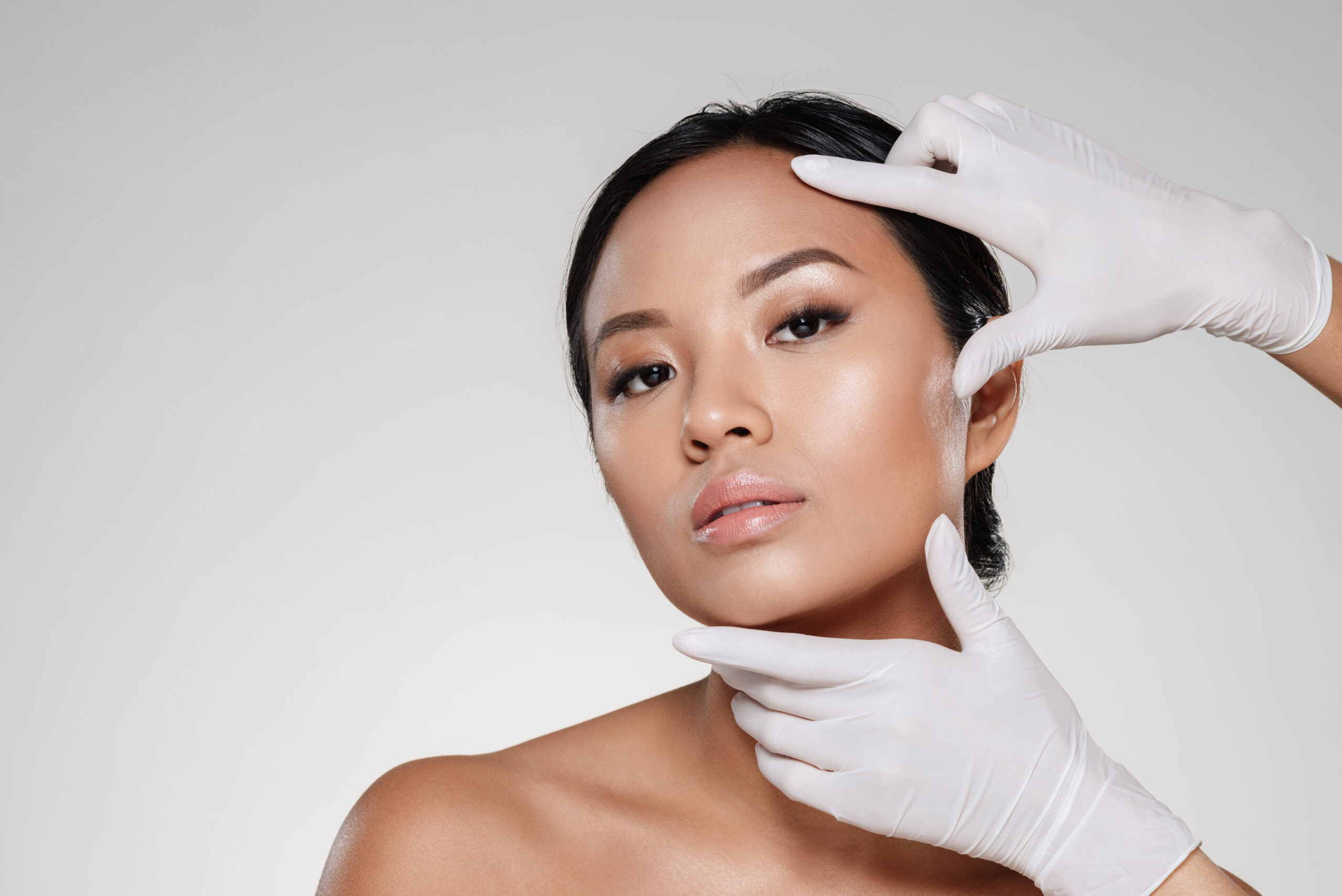
The masseter is the primary chewing muscle, running from the cheekbone down to the rear of the lower jaw.
When it is well-developed — through genetics, habitual chewing of hard foods, teeth clenching, or bruxism — it creates visible bulk at the lower cheek and jawline, producing a square or rectangular lower face profile.
Masseteric hypertrophy is not exclusive to any ethnicity, but it is significantly more prevalent in East and Southeast Asian populations for several interrelated reasons:
Skeletal structure.
The typical East Asian facial skeleton is relatively wider and shorter — a broader zygomatic arch, shorter lower facial third — compared to Northern European averages.
The masseter muscle spans a wider attachment footprint.
A larger muscle operating across a wider base creates a more visible lower face width.
Diet and chewing habits.
Traditional East and Southeast Asian diets historically included more fibrous, chewy textures — dried seafood, tough meat, sticky rice preparations — that developed the masseter with sustained use over decades.
Bruxism prevalence.
Nocturnal teeth grinding (bruxism) further enlarges the masseter through repeated isometric contraction during sleep.
Research suggests higher rates of bruxism among certain East Asian populations, though the evidence is mixed.
Aesthetic visibility.
Because the East Asian aesthetic ideal strongly favors a narrow lower face, the same degree of masseter development that might go unremarked on a longer, narrower Western face becomes conspicuous against an aesthetic standard that prizes the Vライン (V-line).
The Asian Aesthetic: V-Line, Kogao, and Facial Proportion
The V-line — a jawline that tapers to a defined, narrow point at the chin when viewed from the front — is one of the most consistently referenced beauty ideals in contemporary East and Southeast Asian aesthetics.
It is aspirational across South Korea, Japan, China, and much of Southeast Asia, and it has driven a significant share of the demand for facial contouring procedures in the region.
Related to this is the Japanese concept of 小顔 (kogao, literally “small face”) — a face that reads as petite, delicate, and harmoniously proportioned relative to body size.
While V-line refers specifically to jawline shape, kogao is a broader quality: the overall impression of facial compactness, which jaw width directly affects.
The masseter’s role is central to both ideals.
A prominent masseter widens the lower third of the face, disrupts the V-line taper, and counteracts the kogao impression.
Reducing masseter volume narrows the lower face from the front, softens the jaw angle from the side, and allows the natural bone structure beneath — which may already have a reasonably narrow base — to read more clearly.
This is why jaw slimming botox is categorically not a niche procedure in Japan.
It is one of the most commonly performed aesthetic injections in the country, performed by practitioners who have treated thousands of patients seeking exactly this outcome and who understand the result from the inside of the cultural aesthetic — not as an outside observer.
How Jaw Slimming Botox Works: Mechanism and Timeline
This is where jaw slimming botox differs fundamentally from facial wrinkle botox — and where many patients are surprised.
When botulinum toxin is injected into the masseter, it does not produce an immediate cosmetic change.
The muscle is relaxed — its contraction force reduced — but on day one, the face looks essentially the same.
What happens over the following weeks is a gradual disuse atrophy: with reduced use, the muscle tissue itself shrinks in volume.
This is the same principle by which any muscle reduces in size when no longer exercised.
| Timeline | What Is Happening |
| Days 1–7 | Toxin takes effect; muscle contraction reduced; no visible change |
| Weeks 2–4 | Muscle begins to atrophy from reduced use; subtle softening begins |
| Weeks 4–8 | Most significant visible contouring changes; lower face appears narrower |
| Months 3–6 | Peak result; maximum volume reduction achieved |
| Months 6–12+ | Effect gradually diminishes as toxin metabolises and muscle reactivates |
The patience required is the most common source of patient frustration.
Patients who photograph themselves at two weeks and see no dramatic change sometimes assume the treatment failed.
It has not — the result is still building.
A photograph at six weeks will look considerably different from the day-one baseline.
With repeated sessions, cumulative muscle atrophy can produce increasingly durable results.
Many patients find that after two or three sessions, each six to nine months apart, the masseter remains reduced even during the gaps between treatments — because the muscle has undergone sustained atrophy.
Dosing for Asian Patients: Why Units Are Higher
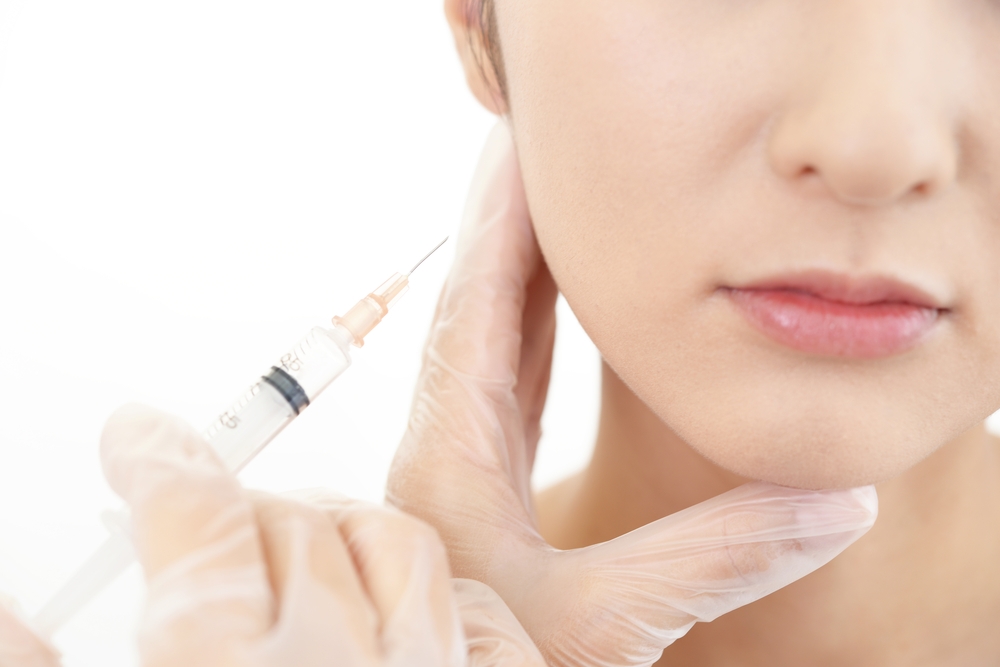
One of the most practically important differences in treating Asian patients with masseteric hypertrophy is dosage.
General guides for jaw slimming botox often cite 15–25 units per side as typical.
For many Asian patients with significant hypertrophy, this is insufficient.
The masseter is one of the most powerful muscles in the human body relative to its size.
An enlarged masseter in an Asian patient may require 25–45 units per side — 50–90 units total — to achieve meaningful atrophy.
Under-dosing produces a result that disappoints: the muscle contracts enough to maintain its bulk, and the expected contouring change doesn’t materialise.
| Masseter Size | Approximate Units Per Side |
Total (Both Sides) |
| Mild hypertrophy | 15–25 units | 30–50 units |
| Moderate hypertrophy (common in Asian patients) |
25–35 units | 50–70 units |
| Significant hypertrophy | 35–45 units | 70–90 units |
Tokyo practitioners calibrate dose to muscle size rather than applying a fixed protocol.
At a first consultation, the physician should physically palpate your masseter while you clench your teeth — assessing the muscle’s size, depth, and density before recommending a dose.
An injector who quotes a fixed amount before examining you is not calibrating to your anatomy.
Product choice matters here too.
Allergan Botox Vista (MHLW-approved) and Dysport (Galderma) are the most common products used for masseter treatment at reputable Tokyo clinics.
Dysport, which diffuses slightly more widely per unit than Botox, is sometimes preferred for larger muscles because its spread can improve coverage — though unit conversion (approximately 2.5 Dysport units per Botox unit) must be factored into the comparison.
Risks Specific to Asian Facial Anatomy
Two risk factors are particularly relevant for Asian patients undergoing masseter botox, and both are worth understanding before your consultation.
Sunken cheek appearance
When the masseter is reduced in volume, the lower cheek loses some of its structural support.
In patients with limited mid-face fat padding — which is common in leaner Asian faces — this can result in a slightly hollowed or “sunken” appearance in the cheek area below the zygoma.
The jaw narrows, but the cheek above it can appear deflated.
This is not a complication in the sense of something going wrong — it is a predictable anatomical consequence of volume reduction in a specific zone.
Experienced Tokyo practitioners are acutely aware of this, and several injection technique modifications have been developed specifically to minimise it: distributing the dose more evenly across the muscle’s depth, treating only the lower portion of the masseter to preserve upper volume, or complementing jaw reduction with subtle cheek filler to maintain mid-face fullness.
When discussing your treatment goal with your injector, ask specifically whether they address cheek hollowing in their masseter protocol.
Compensatory masseteric bulging
When botulinum toxin is placed in only part of the masseter, the untreated portion of the muscle can bulge outward as a compensatory response — the functional load shifts to the untreated fibres.
A 2025 PubMed study specifically identified this as a risk when injection points are concentrated in the posterior masseter rather than distributed across the full muscle depth.
Well-trained injectors use multi-point injection grids and sometimes treat both the superficial and deep heads of the masseter to prevent this.
If you see an unusual bulge or asymmetry several weeks after treatment, raise it at your review appointment — a targeted supplemental dose to the compensating area typically resolves it.
Bruxism and TMJ: The Functional Benefit
Many patients presenting for jaw slimming also have functional concerns: teeth grinding at night (bruxism), jaw clenching under stress, or temporomandibular joint (TMJ) pain and tension headaches.
Masseter botox addresses all of these through the same mechanism — reduced muscle contraction force translates directly to reduced grinding pressure and TMJ loading.
If this applies to you, mention it at your consultation.
The injection strategy for combined aesthetic and functional goals is slightly different from a purely cosmetic approach: the dose may be calibrated to preserve enough chewing function while reducing the destructive force of nighttime clenching.
Some patients pursuing jaw slimming for aesthetic reasons are pleasantly surprised to find that jaw tension, morning headaches, and tooth sensitivity improve as a secondary result.
Combination Approaches: What Tokyo Clinics Pair with Jaw Botox

Jaw slimming botox is frequently combined with other treatments to create a more harmonious overall result, particularly in Tokyo where multi-treatment protocols are standard practice:
Chin filler is the most common pairing.
Reducing jaw width without addressing chin projection can make a face look shorter and less defined rather than more refined.
A small amount of hyaluronic acid filler to extend chin projection forward and slightly downward reinforces the V-line effect that jaw reduction begins.
Cheek filler is used, as noted above, to maintain mid-face volume and prevent the sunken cheek appearance that can follow significant masseter reduction in lean Asian faces.
Brow lift botox — a few units placed at the lateral brow — can reinforce the upper face structure and create a more balanced proportion between upper and lower face as the jaw softens.
Skin tightening (HIFU or RF) is sometimes recommended for patients whose skin has some laxity, so that as the underlying muscle reduces, the skin conforms tightly to the new contour rather than appearing loose.
None of these additions are mandatory — many patients achieve excellent results with jaw botox alone.
But they are worth discussing at consultation if you want to understand your full option set.
How to Communicate Your Goal at a Tokyo Clinic
Even at English-speaking clinics, being specific about your aesthetic goal produces better outcomes than general requests.
Phrases that communicate clearly:
- “I want a softer, more oval jawline” — establishes the shape goal without implying you want dramatic change
- “I am aiming for a V-line effect” — directly names the aesthetic goal that Tokyo practitioners understand intuitively
- “My masseter feels very tight / I grind my teeth” — adds the functional dimension and helps calibrate dose
- “I don’t want my cheeks to look sunken” — a specific risk-mitigation request your practitioner should acknowledge and address in their technique
- “This is my first session — I’d rather start conservatively” — a reasonable position for any first-time patient, and well-received at experienced clinics
Bring reference photos of the result you want, if possible.
“Oval face” and “V-line” are understood concepts, but a photo removes ambiguity about exactly how narrow, how soft, or how contoured you are envisioning.
Cost of Jaw Slimming Botox in Tokyo
| Clinic Tier | Product | All-In Cost (Both Sides) |
| Budget chains (TCB, SBC) | Variable (may be non-Allergan) | ¥15,000–¥30,000 |
| Mid-range clinics | Approved product | ¥25,000–¥60,000 |
| Premium English-speaking clinics | Allergan Botox Vista / Dysport | ¥40,000–¥90,000 |
Because masseter botox requires significantly more units than facial wrinkle treatment, per-unit pricing is the most transparent format.
At premium English clinics:
- Allergan Botox Vista: ¥726–¥1,000 per unit
- 50 units total: ¥36,300–¥50,000 material cost + treatment fee ¥10,000–¥22,000
- Realistic all-in for a well-dosed session: ¥50,000–¥80,000
International comparison: Equivalent jaw slimming botox (Allergan product, experienced practitioner) costs $600–$1,200 in the US and £400–£800 in the UK.
Tokyo remains meaningfully competitive, particularly given the significantly higher volume of Asian facial anatomy experience at comparable clinics.
Frequently Asked Questions
How is jaw slimming botox for Asian faces different from the general procedure?
The core mechanism is the same — botulinum toxin reduces masseter muscle contraction, leading to gradual muscle atrophy and a narrower lower face.
What differs for Asian patients is dosing (typically higher, because masseteric hypertrophy tends to be more pronounced), technique emphasis (attention to sunken cheek prevention, full-depth muscle coverage), and the aesthetic goal (V-line and kogao ideals rather than general softening).
Tokyo practitioners are experienced with all of these considerations because the majority of their patients share this anatomy and these goals.
When will I see results?
The first subtle changes in jaw contour typically appear at four to six weeks — significantly later than facial wrinkle botox.
Maximum reduction is usually visible at six to eight weeks.
A photo taken at two weeks will show little change; do not judge the treatment at that point.
How many sessions will I need?
Most patients see meaningful improvement after a single session, with the full result visible at six to eight weeks.
Repeated sessions (typically every six to nine months) produce cumulative atrophy and progressively more durable results.
Many patients find that after two to three sessions, results last longer between treatments as the muscle remains in a partially reduced state.
Is there any impact on chewing after jaw slimming botox?
Most patients notice no functional impact on everyday chewing.
The masseter is reduced in force and size, but it retains enough function for normal meals.
Very hard or tough foods — biting into hard raw carrots, for example — may feel slightly different for a few weeks after treatment.
This resolves as the body adapts and is not a clinical concern for the vast majority of patients.
Can I combine jaw slimming with chin filler in the same session?
Yes, and this combination is commonly recommended at Tokyo clinics specifically because it reinforces the V-line effect.
Chin filler provides forward and downward projection at the lower face while jaw botox reduces width — the two approaches address different dimensions of the same aesthetic goal.
Most clinics perform both in a single visit.
Clinics in Tokyo for Jaw Slimming Botox (English Support)
Several clinics in Tokyo offer Jaw Slimming Botox and English-language support for international patients. Below are three clinics in Tokyo that offer Jaw Slimming Botox and provide English-language support for international patients.
Yoshiki Ginza Clinic
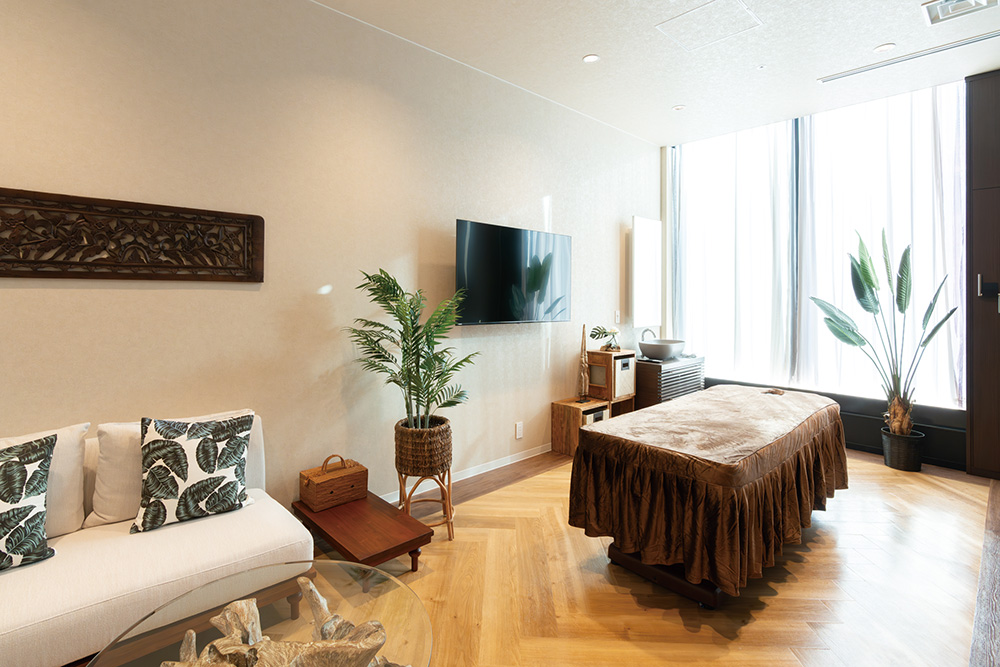
source:Yoshiki Ginza Clinic
Facial Balance-Oriented Jaw Botox Treatments
Yoshiki Ginza Clinic offers Botox treatments for the jaw area with an emphasis on achieving harmony across the lower face. During consultations, physicians assess facial proportions and muscle activity to determine the appropriate treatment approach.
In addition to jawline contouring, Botox is available for multiple facial areas, allowing treatment plans to be tailored to individual aesthetic concerns. Several botulinum toxin products are available depending on the patient’s needs and preferences.
Multilingual Support and Central Ginza Location
Located in Tokyo’s Ginza district, Yoshiki Ginza Clinic provides aesthetic treatments for both domestic and international patients. Dr. Nobuko Yoshiki is particularly experienced in communicating with English-speaking patients.
In addition, the clinic offers support in Chinese, Korean, and French, creating an environment that may feel more accessible for visitors from overseas. The clinic also provides a variety of dermatology and anti-aging treatments in addition to Botox procedures.
How to Make a Reservation
Appointments and inquiries can be made through the clinic’s English website. Patients traveling from abroad are encouraged to contact the clinic in advance regarding consultation schedules and treatment options.
Yoshiki Ginza Clinic Official Website
| Address | Ginza Chuo-dori MM Building 4th–8th floors (Reception: 6th floor), 8-9-1 Ginza, Chuo-ku, Tokyo |
| Phone Number | 03-6280-6880 |
| Business Hours | 10:00 – 12:30, 14:00 – 19:00 |
| Holiday | irregular holidays |
| Access | Tokyo Metro Ginza Line, Hibiya Line, Marunouchi Line – Ginza Station, Exit A3: 5-minute walk JR Yamanote Line – Shimbashi Station, Ginza Exit: 5-minute walk |
BIANCA Cosmetic Surgery & Medical Spa (Omotesando)
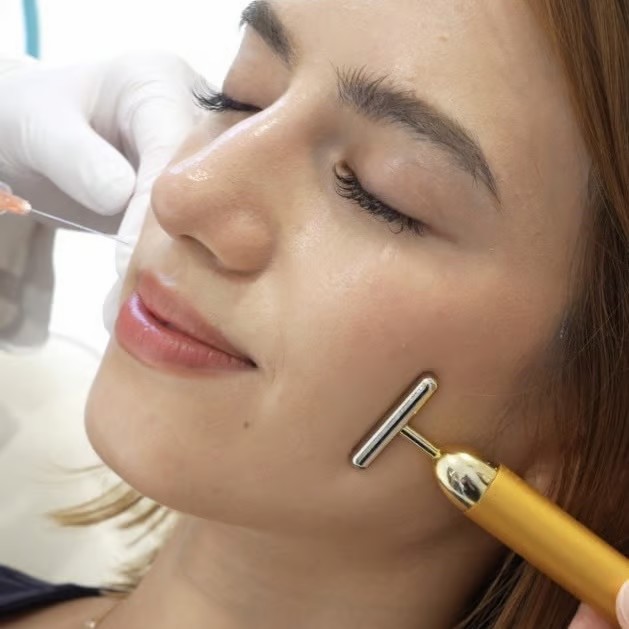
source: BIANCA CLINIC
Customized Jawline Contouring with Botox
BIANCA CLINIC offers Jaw Slimming Botox treatments designed to create a more balanced facial contour by relaxing the masseter muscles. The amount used and injection sites are adjusted according to the patient’s facial characteristics and treatment goals. In addition to jaw Botox, the clinic also provides chin Botox, allowing physicians to combine treatments when appropriate.
English Support and Access
BIANCA CLINIC welcomes international patients and provides information through its English-language website. The clinic operates two locations in central Tokyo, Omotesando and Ginza, each offering different services. English support is available at both locations, while Chinese-language support is also offered at the Ginza clinic.
How to Make a Reservation
Appointments can be arranged through the English website and online inquiry form. International patients are encouraged to contact the clinic in advance regarding consultation availability and treatment plans.
BIANCA CLINIC Official Website
| Address | 【BIANCA Cosmetic Surgery & Medical Spa (Omotesando)】 Minami-Aoyama 511 Building, 5-11-10 Minami-Aoyama, Minato-ku, Tokyo 【BIANCA CLINIC GINZA】 12F ONE GINZA, 1-8-19 Ginza, Chuo-ku,Tokyo 104-0061, Japan |
| Phone Number | 050-1807-1593 |
| Business Hours | 10:00–19:00 |
| Holiday | irregular holidays |
| Access | 【BIANCA Cosmetic Surgery & Medical Spa (Omotesando)】 The Tokyo Metro Ginza Line. The Tokyo Metro Hanzomon Line. The Tokyo Metro Chiyoda Line. A 5-minutes walk from Omotesando Station B1 exit 【BIANCA CLINIC GINZA】 A 4-minute walk from Ginza Station on the Tokyo Metro Ginza Line. A 1-minute walk from Exit 7 of Ginza-itchome Station on the Tokyo Metro Yurakucho Line. A 3-minute walk from Exit 3 of Kyobashi Station on the Tokyo Metro Ginza Line. A 8-minute walk from the Kyobashi Exit of JR Yurakucho Station. |
BIOTOPE CLINIC(Kojimachi Dermatology & Plastic Surgery Clinic)
source:BIOTOPE CLINIC
Natural-Looking Jawline Enhancement
BIOTOPE CLINIC (Kojimachi Dermatology & Plastic Surgery Clinic) offers Botox treatments aimed at refining the jawline while maintaining a natural facial appearance. During consultation, physicians explain the expected effects and discuss treatment options based on the patient’s facial characteristics and preferences. The clinic focuses on creating gradual changes and works with patients to determine an appropriate treatment approach.
English Consultations and Central Tokyo Access
Located in central Tokyo, BIOTOPE CLINIC welcomes international patients. Dr. Karube provides consultations in English, allowing patients to comfortably discuss their concerns and treatment goals. In addition to Botox procedures, the clinic offers a variety of dermatology and plastic surgery treatments, providing options for patients interested in broader aesthetic care.
How to Make a Reservation
International patients can use the clinic’s English website to learn more about available treatments and submit an appointment request. Patients who wish to discuss their concerns in English are encouraged to contact the clinic in advance to confirm consultation schedules and treatment availability.
BIOTOPE CLINIC
Botox Treatments
| Address | 【BIOTOPE CLINIC】 Green Leaves 2F, 4-9-10 Shirokanedai, Minato-ku, Tokyo 【Kojimachi Dermatology & Plastic Surgery Clinic】 Hirakawacho Building B1F, 1-4-5 Hirakawacho, Chiyoda-ku, Tokyo |
| Phone Number | 【BIOTOPE CLINIC】 03-5422-9901 【Kojimachi Dermatology & Plastic Surgery Clinic】 03-6261-2458 |
| Business Hours | 【BIOTOPE CLINIC】 10:00 – 13:00 14:00 – 19:00 【Kojimachi Dermatology & Plastic Surgery Clinic】 10:00 – 13:00 14:00 – 19:00 Saturday afternoons are by appointment only. |
| Holiday | irregular holidays |
| Access | 【BIOTOPE CLINIC】 1 minute on foot from Exit 1 of Shirokanedai Station 【Kojimachi Dermatology & Plastic Surgery Clinic】 1 minute walk from Exit 1 of Kojimachi Station on the Yurakucho Line |
Conclusion
For foreigners — particularly those of East or Southeast Asian heritage — seeking jaw slimming botox, Tokyo occupies a genuinely distinctive position.
The combination of high procedural volume, a practitioner culture natively oriented toward the V-line and kogao aesthetic ideals, significant experience with masseteric hypertrophy specific to Asian skeletal structures, and competitive pricing relative to Western markets makes the city one of the strongest destinations in the world for this treatment.
The key clinical points to carry into your consultation: dose must be calibrated to your actual muscle size (not a fixed amount), results build over six to eight weeks rather than days, sunken cheek prevention requires technique attention that experienced Tokyo injectors build into their protocol, and combining jaw reduction with chin filler significantly enhances the V-line outcome.
| ・This website provides general knowledge about aesthetic medicine from a neutral perspective as much as possible. Please note that the information is not intended to encourage self-diagnosis. Be sure to check the official website of the clinic and consult each medical institution for details regarding treatment. ・This article is based on information available at the time of writing and publication. Please check the official website for the latest updates. ・If cosmetics or massage-related content is mentioned, it is not within the scope of medical supervision. |