Hyperhidrosis — excessive sweating beyond what the body needs for temperature regulation — is not a cosmetic preference.
For the people it affects significantly, it dictates clothing choices, limits physical contact, creates social anxiety, and intrudes on professional settings.
Sweat-soaked shirts, unshakeable damp handshakes, visible perspiration on the face at rest: the condition is chronic, often embarrassing, and not adequately addressed by standard antiperspirants.
Botox for hyperhidrosis is one of the most effective medical interventions available for this condition.
By blocking the nerve signals that trigger sweat glands, botulinum toxin injections can dramatically reduce sweating in targeted areas — armpits, hands, feet, scalp — for months at a time.
In Japan, the treatment has been in clinical use for decades and carries a meaningful additional distinction for foreign residents: axillary (underarm) hyperhidrosis botox has been covered by Japanese national health insurance since 2012 for patients who meet specific diagnostic criteria.
This article is for foreigners in Japan — both residents and visitors — who are searching for hyperhidrosis treatment rather than a cosmetic sweat-reduction procedure.
The distinction matters: the motivation, the clinical pathway, the insurance options, and in some cases the appropriate type of clinic all differ from someone seeking underarm botox for aesthetic reasons.


INDEX
- What Is Hyperhidrosis?
- How Botox Treats Hyperhidrosis
- Treatment Areas: What Tokyo Clinics Can Address
- The Japanese Insurance Pathway for Hyperhidrosis Botox
- Self-Pay Treatment: For Tourists and Non-Axillary Areas
- What to Expect at a Tokyo Clinic
- Tips for Foreign Patients
- Frequently Asked Questions
- Clinics in Tokyo for Hyperhidrosis Botox (English Support)
- Conclusion
What Is Hyperhidrosis?
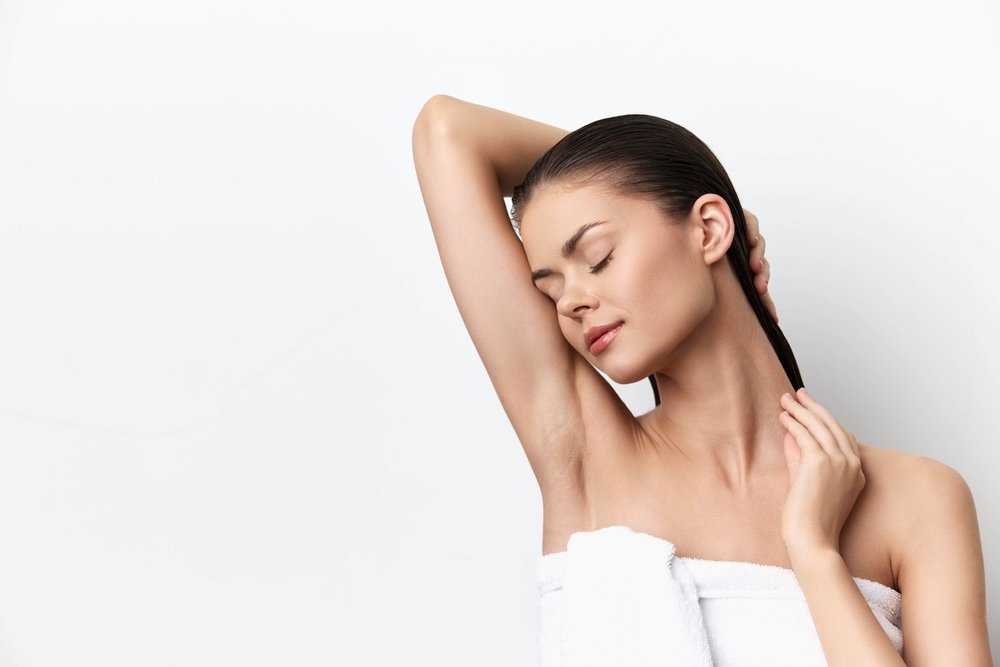
Hyperhidrosis is clinically defined as sweating that exceeds the body’s thermoregulatory needs.
It divides into two categories:
Primary hyperhidrosis is focal, bilateral (affecting both sides), and has no identifiable underlying medical cause.
It is the most common form and is what most patients presenting for botox treatment have.
It typically begins in childhood or adolescence and affects specific zones: the axillae (armpits), palms, soles, face, or scalp — either individually or in combination.
Secondary hyperhidrosis is caused by an underlying condition — hyperthyroidism, menopause, certain medications, neurological conditions.
It tends to be more generalised (affecting the whole body rather than specific zones) and typically requires treating the underlying cause.
Botox is less appropriate here without first addressing what is driving the sweating.
For botox purposes, the relevant form is primary hyperhidrosis.
If you are unsure which type you have, a dermatology consultation will establish this.
The HDSS scale: how severity is measured
The Hyperhidrosis Disease Severity Scale (HDSS) is the standard clinical tool for assessing how much the condition affects daily life:
| HDSS Score |
Description |
| 1 | Sweating is never noticeable and never interferes with daily activities |
| 2 | Sweating is tolerable but sometimes interferes with daily activities |
| 3 | Sweating is barely tolerable and frequently interferes with daily activities |
| 4 | Sweating is intolerable and always interferes with daily activities |
This scale is not just a clinical formality — it directly determines whether you qualify for insurance coverage in Japan, and it is the language dermatologists use to assess treatment appropriateness.
Know where you sit on this scale before your consultation.
How Botox Treats Hyperhidrosis
Sweat glands are activated by acetylcholine — a neurotransmitter released at the nerve endings that supply them.
Botulinum toxin works by blocking the release of acetylcholine at those nerve-muscle (or nerve-gland) junctions.
When injected into the skin over an area with dense sweat glands, the toxin prevents the nerve signals from reaching the glands, dramatically reducing or eliminating sweating in the treated zone.
This is the same mechanism by which botox relaxes facial muscles — but applied to sweat glands rather than muscle tissue.
The injections are placed intradermally (into the skin layer, not deep into muscle), which is why the technique for hyperhidrosis differs from cosmetic facial botox.
The spacing and depth of injections are calibrated for gland coverage rather than muscle relaxation.
Results typically onset within 5–10 days, reach full effect at 2 weeks, and last 4–9 months for axillary hyperhidrosis — meaningfully longer than facial botox in most patients, because sweat glands do not regenerate as quickly as facial muscles.
Treatment Areas: What Tokyo Clinics Can Address
Botox for hyperhidrosis can be applied to multiple body areas, each with different clinical considerations, unit requirements, and cost implications:
| Area | Japanese Term | Typical Units (Both Sides) | Self-Pay Cost Range | Insurance Coverage |
| Armpits (axillae) | 腋窩多汗症 (ekkamukansho) | 40–100 units | ¥30,000–¥80,000 | Yes (conditions apply) |
| Palms (hands) | 手掌多汗症 (shusho mukansho) | 80–150 units | ¥50,000–¥100,000 | No |
| Soles (feet) | 足底多汗症 (sokutei mukansho) | 80–150 units | ¥50,000–¥100,000 | No |
| Scalp / face | 頭部顔面多汗症 | 30–80 units | ¥25,000–¥70,000 | No |
Armpits are by far the most commonly treated area and the only one with Japanese insurance coverage.
The axillary region has a high concentration of eccrine sweat glands, responds reliably to botox, and requires relatively modest unit counts compared to the hands and feet.
Palms and soles are more challenging: they have even denser gland populations, require more units, and the injections are significantly more painful due to the high nerve density in these areas.
Nerve block anaesthesia (wrist block for hands, ankle block for feet) is typically offered or required.
Results last 3–6 months — shorter than armpits for most patients.
Scalp and face treatment is offered at select clinics.
The scalp has a relatively low density of sweat glands per injection point, so fewer units are needed than for hands or feet, but the total treatment area can still require meaningful volume.
Results typically last 3–6 months.
The Japanese Insurance Pathway for Hyperhidrosis Botox
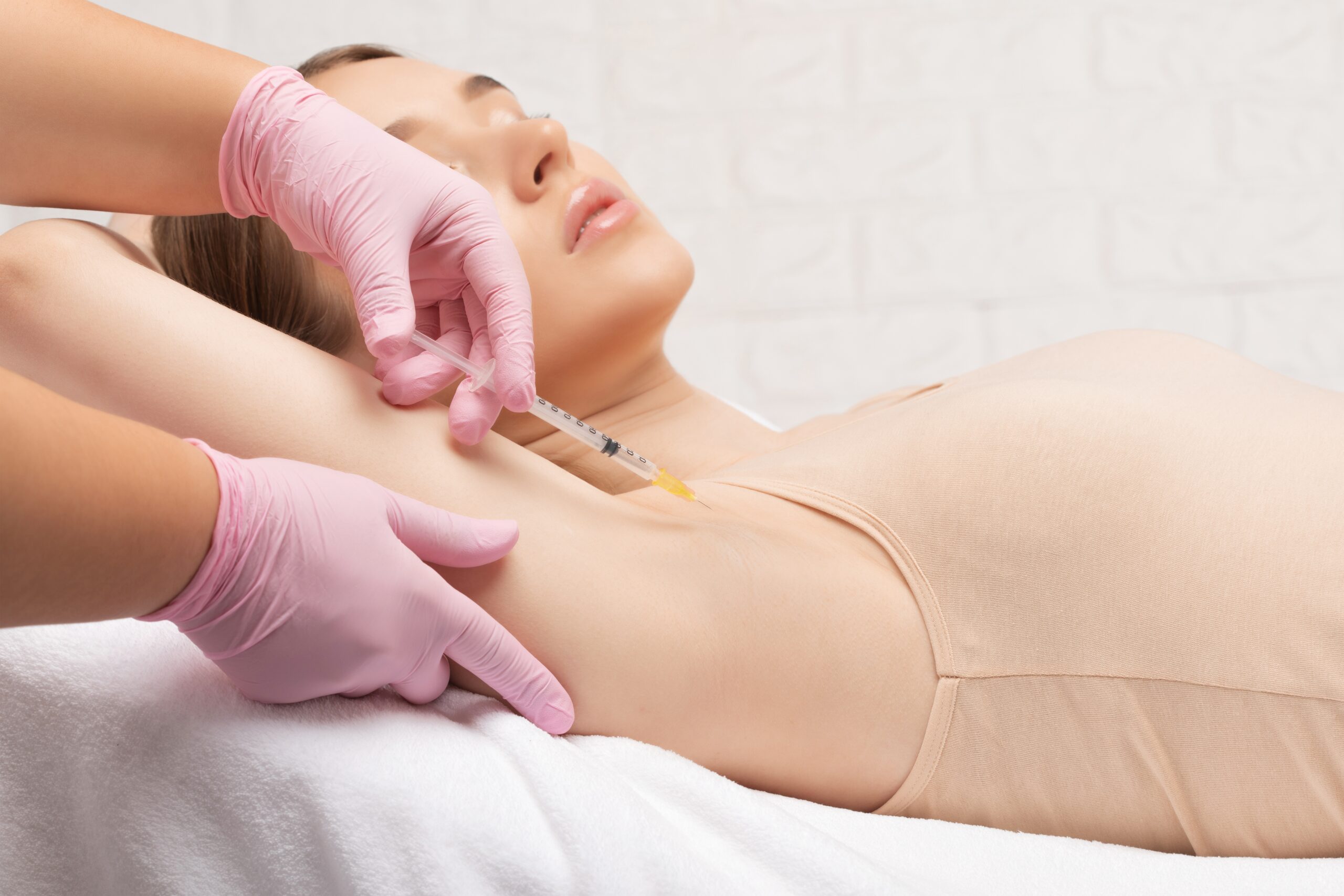
This section is the most important differentiator between this article and standard cosmetic botox content.
Foreign residents in Japan who hold Japanese national health insurance (kokumin kenko hoken) or employment-based insurance (shakai hoken) may be eligible for covered treatment.
What qualifies for coverage
Japanese health insurance covers botox for primary axillary hyperhidrosis only, under the following conditions:
- HDSS score of 3 or 4 — the condition frequently or always interferes with daily activities
- Prior treatment attempt with topical therapy — specifically aluminum chloride-based antiperspirant (塩化アルミニウム液), which must have been tried and found insufficient or intolerable
- Diagnosed by a licensed physician as primary axillary hyperhidrosis (bilateral, focal)
- Use of an MHLW-approved botulinum toxin product — the covered product is Allergan’s Botox Vista (and as of recent approvals, the GSK-licensed product)
Coverage was approved in Japan in 2012, and it applies at dermatology clinics (hifuka) operating under the national insurance system.
Cosmetic clinics (biyō geka, biyō hifuka) generally operate outside the insurance system and treat hyperhidrosis as a self-pay cosmetic procedure.
What covered treatment costs
The list price for an insured axillary hyperhidrosis botox session is approximately ¥220,000 in medical billing points.
Under Japanese national insurance with the standard 30% copay:
- Patient pays approximately ¥66,000 per session
- Insurance covers the remaining ¥154,000
- High-cost medical expense (kōgaku ryōyō-hi) provisions may reduce this further for patients with lower incomes
This compares favorably to the self-pay cosmetic rate of ¥30,000–¥80,000 per session — but note that the insured pathway requires a formal diagnosis, documented treatment history, and use of an approved product at a dermatology clinic.
The pathway is more involved than booking a cosmetic appointment.
Who cannot use the insurance pathway
- Tourists and short-term visitors on a tourist visa do not have Japanese health insurance and are ineligible
- Residents treating areas other than armpits (hands, feet, scalp) — these are always self-pay regardless of insurance status
- Patients with HDSS 1 or 2 do not meet the severity threshold
- Patients who have not tried topical aluminum chloride first — this is a documented prerequisite
For foreign residents: how to pursue the insured pathway
- Visit a dermatology clinic (hifuka) — not a cosmetic clinic — that accepts health insurance
- Bring your insurance card (hoken-sho) and residence card
- Request evaluation for primary axillary hyperhidrosis
- Confirm they can conduct the consultation in English, or prepare a written symptom summary in Japanese
- The physician will administer the HDSS questionnaire and review your treatment history
- If approved, the botox session can be performed under insurance billing
Self-Pay Treatment: For Tourists and Non-Axillary Areas
For visitors who cannot use Japanese insurance — or residents seeking treatment in areas not covered — the self-pay cosmetic pathway at English-supported clinics is the practical route.
Self-pay hyperhidrosis botox in Tokyo is widely available and less expensive per unit than equivalent treatment in the US or UK:
| Tokyo (Self-Pay) | USA | UK | |
| Botox per unit | ¥600–¥2,000 | $15–$25 | £10–£18 |
| Axillary treatment (all-in) | ¥30,000–¥80,000 | $1,000–$1,500 | £500–£900 |
| Palmar treatment (all-in) | ¥50,000–¥100,000 | $1,200–$2,000 | £700–£1,200 |
All-in includes material cost, treatment fee, and consultation where applicable.
The unit count for hyperhidrosis is substantially higher than for facial botox: axillary treatment typically requires 40–100 units total (both sides), and palmar treatment 80–150 units — making per-unit pricing the most cost-transparent format to use when comparing clinics.
What to Expect at a Tokyo Clinic
At a dermatology clinic (insured pathway)
The process is more clinical in character.
The physician conducts a formal assessment — likely using the iodine-starch test (Minor’s test), in which iodine solution is applied to the armpit, followed by starch powder; sweat causes a distinctive color change that maps the affected area visually.
This test establishes both diagnosis and the injection distribution needed.
After documenting your HDSS score and treatment history, the physician administers the injections under insurance billing.
Post-treatment documentation for insurance reimbursement is handled by the clinic.
You will receive a standard out-of-pocket receipt (ryōshūsho).
At a cosmetic clinic (self-pay)
More streamlined.
The physician reviews your concern and recommends a treatment zone and unit estimate.
Topical anaesthetic cream may be applied before injection for comfort, though many patients tolerate axillary injections without it (the area is less sensitive than the face).
The session typically takes 20–30 minutes per area.
No downtime is required.
For palmar and plantar (hand and foot) treatment, nerve block anaesthesia is highly recommended — the density of nerve endings in these areas makes unaesthetised injection genuinely painful.
Ask specifically whether the clinic offers wrist blocks or ankle blocks, and confirm this at booking.
Onset and duration
- Results begin: 5–10 days post-injection
- Full effect: 2 weeks
- Duration: 4–9 months (axillary); 3–6 months (palmar/plantar)
- Review: No formal review appointment is typically needed for hyperhidrosis unless results are asymmetrical
Tips for Foreign Patients
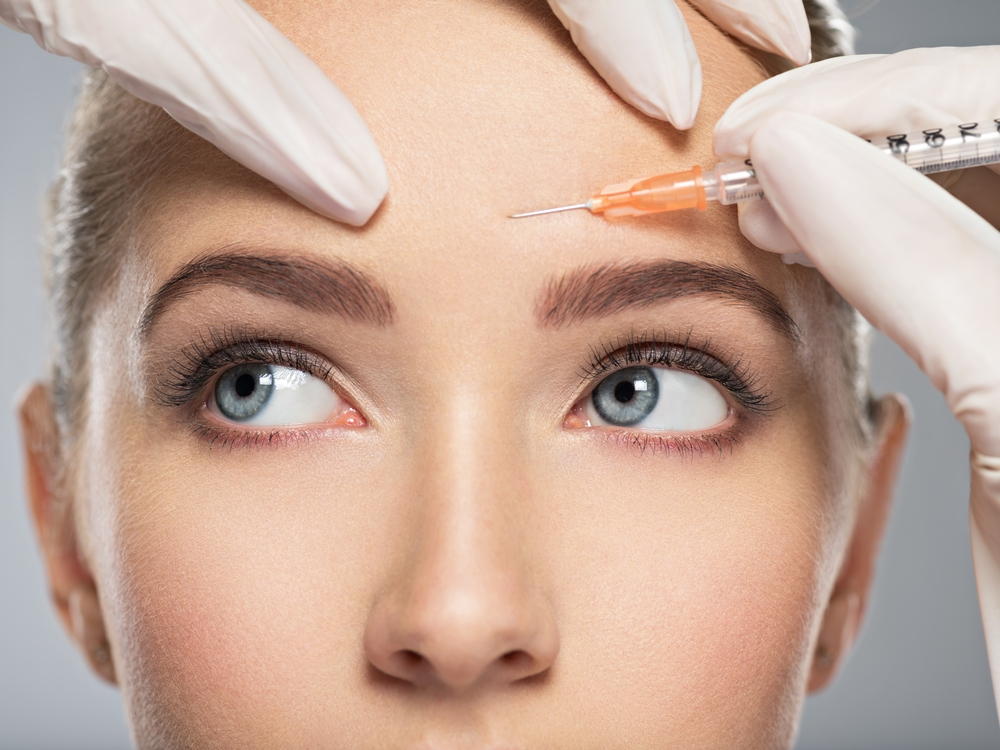
Clarify the clinic type before booking.
For the insured pathway, you need a standard dermatology clinic (hifuka), not a cosmetic one.
For self-pay or non-axillary areas, a cosmetic clinic is more appropriate.
Many clinics will not accept insurance billing for this treatment even if they treat hyperhidrosis — confirm in advance.
Bring documentation of prior treatment.
The insurance pathway requires evidence that aluminum chloride topical therapy was attempted.
If you have medical records, prescriptions, or any documentation of prior hyperhidrosis treatment — from your home country or in Japan — bring it.
A written description of your treatment history (in English; ask the clinic to translate or bring a translation) is the next best option.
For hand and foot treatment, ask specifically about anaesthesia.
Unanaesthetised injection into the palm is very uncomfortable.
A wrist block administered before injection makes the procedure much more tolerable.
Not all clinics offer this; it is worth asking explicitly when booking.
Quantify your concern for the consultation.
Tell the physician which areas are affected, how long you have had the condition, and what your HDSS score is.
The more specific you are, the more efficiently the consultation proceeds — particularly important when communicating across a language gap.
Plan for the timing of results.
If you are visiting Tokyo for this treatment, arrive early enough for the 5–10 day onset.
You will not see the full result before you leave if you schedule the injection on your last day.
Aim to have the injection at the start of your stay.
For residents: compare the insured and self-pay pathways before committing.
The insured pathway costs ¥66,000 per session with standard copay; many cosmetic clinics charge ¥30,000–¥50,000 on a self-pay basis.
If you do not meet the HDSS 3+ threshold or have not tried aluminum chloride first, self-pay at a cosmetic clinic may be the simpler and potentially cheaper route, without the diagnostic process.
Frequently Asked Questions
Can I get Japanese insurance coverage for hyperhidrosis botox as a foreigner?
Yes — if you are a foreign resident enrolled in Japanese national health insurance (kokumin kenko hoken) or employment-based insurance (shakai hoken).
Eligibility for the covered treatment depends on your HDSS score (3 or 4 required), documented prior use of topical aluminum chloride therapy, and diagnosis at a dermatology clinic operating under the insurance system.
Tourists and short-term visitors without Japanese insurance pay full self-pay rates.
Does botox for hyperhidrosis hurt more than facial botox?
For axillary (armpit) treatment, the discomfort is comparable to or slightly more than facial injections — many patients find it very tolerable, with or without numbing cream.
For palmar (hand) and plantar (foot) treatment, the density of nerve endings in these areas makes unaesthetised injection significantly more uncomfortable.
Nerve block anaesthesia (wrist or ankle block) is strongly recommended and offered at most clinics that treat these areas.
How long do results last for hyperhidrosis compared to facial botox?
Longer.
Sweat glands recover function more slowly than facial muscles.
Axillary hyperhidrosis patients typically find results last 4–9 months per session, versus 3–4 months for most facial botox.
Palmar and plantar results tend to be shorter — 3–6 months — because the hands and feet are high-use areas with high metabolic activity.
What is the cost of botox in the armpits in Tokyo?
For self-pay cosmetic treatment at English-supporting clinics, expect ¥30,000–¥80,000 all-in per session for both armpits.
For insured treatment (foreign residents with Japanese health insurance, meeting diagnostic criteria), the patient’s out-of-pocket cost is approximately ¥66,000 with standard 30% copay — from a total procedure cost of around ¥220,000 in billing value.
Is there any risk that botox for hyperhidrosis will cause compensatory sweating elsewhere?
Compensatory sweating — increased sweating in untreated areas when one area is treated — is occasionally reported after surgical hyperhidrosis treatments (such as ETS, endoscopic thoracic sympathectomy).
With botox, which is localised and reversible, compensatory sweating is far less common and typically mild when it does occur.
It is not considered a significant risk for most patients receiving botox for axillary or palmar hyperhidrosis.
Clinics in Tokyo for Hyperhidrosis Botox (English Support)
Several clinics in Tokyo provide Botox for Hyperhidrosis and English-language support for international patients. Below are three clinics that offer different treatment approaches and may be suitable for overseas visitors seeking care in Tokyo.
BIANCA Cosmetic Surgery & Medical Spa (Omotesando)
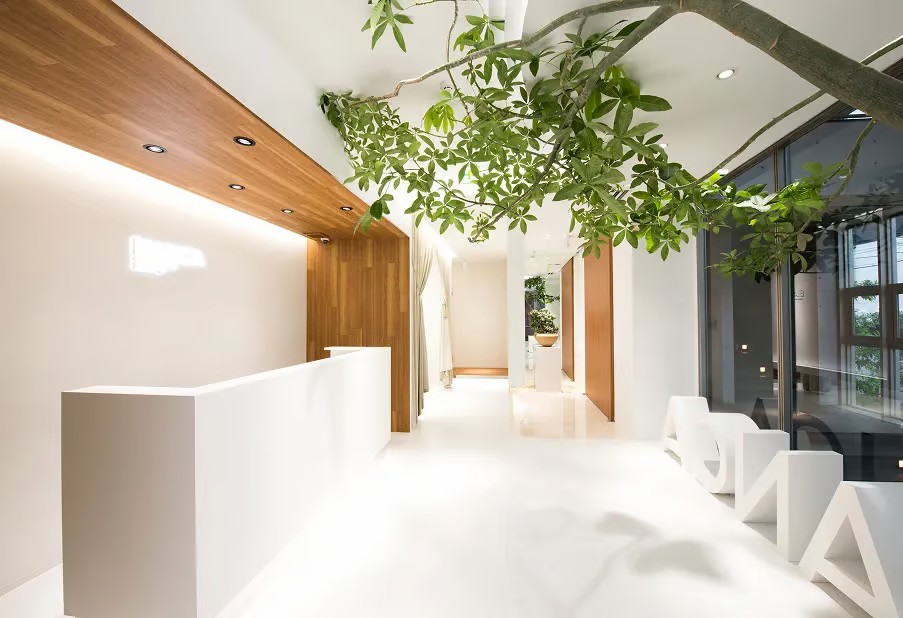
source:BIANCA CLINIC
Personalized Botox Treatments for Excessive Sweating
BIANCA CLINIC offers botulinum toxin treatments for excessive sweating in areas such as the underarms and groin. The dosage and injection sites are carefully tailored to match each patient’s specific symptoms and preferences.
Several botulinum toxin products, including Allergan’s BOTOX Vista®, are available, and physicians select the product based on the treatment area and patient preferences. Consultations are conducted by physicians who discuss concerns and expected outcomes before treatment.
English Support and Access
BIANCA CLINIC welcomes international patients and provides information through its English-language website. The clinic operates two locations in central Tokyo, Omotesando and Ginza, each offering different services.
The Omotesando clinic specializes in injection treatments, IV drips, and minor procedures, and accepts walk-in patients. English support is available.
The Ginza clinic offers a wider range of treatments, including surgery, dermatology, laser procedures, and regenerative medicine. Support is available in both English and Chinese, and advance contact is recommended for international patients.
How to Make a Reservation
Appointments can be arranged through the English website and online inquiry form. International patients are encouraged to contact the clinic in advance regarding consultation availability and treatment plans.
BIANCA CLINIC Official Website
| Address | 【BIANCA Cosmetic Surgery & Medical Spa (Omotesando)】 Minami-Aoyama 511 Building, 5-11-10 Minami-Aoyama, Minato-ku, Tokyo 【BIANCA CLINIC GINZA】 12F ONE GINZA, 1-8-19 Ginza, Chuo-ku,Tokyo 104-0061, Japan |
| Phone Number | 【BIANCA Cosmetic Surgery & Medical Spa (Omotesando)】050-1807-1593 【BIANCA CLINIC GINZA】050-3196-4834 |
| Business Hours | 10:00–19:00 |
| Holiday | irregular holidays |
| Access | 【BIANCA Cosmetic Surgery & Medical Spa (Omotesando)】 The Tokyo Metro Ginza Line. The Tokyo Metro Hanzomon Line. The Tokyo Metro Chiyoda Line. A 5-minutes walk from Omotesando Station B1 exit 【BIANCA CLINIC GINZA】 A 4-minute walk from Ginza Station on the Tokyo Metro Ginza Line. A 1-minute walk from Exit 7 of Ginza-itchome Station on the Tokyo Metro Yurakucho Line. A 3-minute walk from Exit 3 of Kyobashi Station on the Tokyo Metro Ginza Line. A 8-minute walk from the Kyobashi Exit of JR Yurakucho Station. |
ELM CLINIC
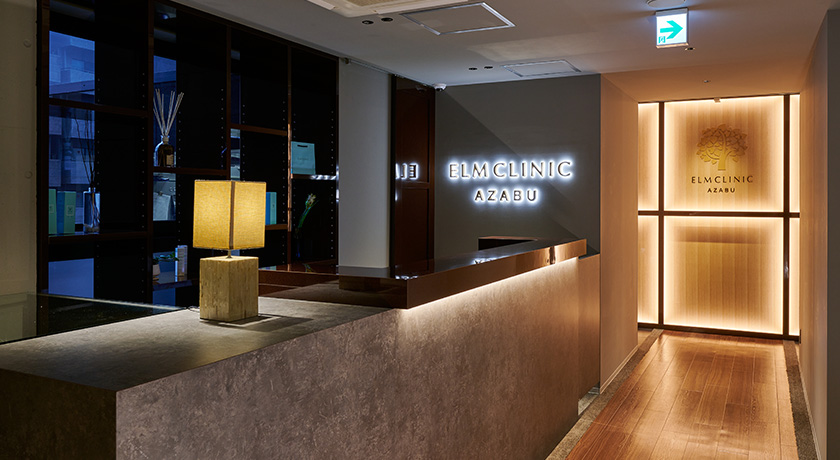
source:Elm Clinic
Minimally Invasive Treatment with Comfort-Focused Care
ELM CLINIC offers underarm Botox injections as a non-surgical option for managing excessive sweating and odor. The clinic customizes the treatment by adjusting the dosage and injection points based on the patient’s level of sweating. To improve patient comfort, the clinic cools the treatment area and may combine the injections with anesthetic, with topical anesthesia available for those concerned about discomfort. Treatment typically takes only 10 to 15 minutes and requires little downtime.
English Support and Access
ELM CLINIC provides English-language information through its official website, making it easier for international patients to explore treatment options. In Tokyo, the clinic operates two locations, Omotesando and Azabu, both conveniently located in central areas. In addition to hyperhidrosis Botox, the clinic offers fillers, thread lifts, laser procedures, and various skin rejuvenation treatments.
How to Make a Reservation
Appointments and inquiries can be made through the clinic’s English website. Patients are encouraged to review available treatment options and contact the clinic in advance for further information.
| Address | 【Omotesando-in Temple】 2F, 5-8-1 Minami-Aoyama, Minato-ku, Tokyo 【Azabuin】 Azabu Kf Building 4F, XNUMX-XNUMX-XNUMX Azabu-Juban, Minato-ku, Tokyo |
| Phone Number | 【Omotesando-in Temple】 03-5962-6095 【Azabuin】 03-6807-4171 |
| Business Hours | 【Omotesando-in Temple】 9:30-18:30 【Azabuin】 Weekdays 10:00-19:00 Saturdays, Sundays, and holidays 9:30-18:30 |
| Holiday | 【Omotesando-in Temple】 Sunday 【Azabuin】 Irregular holidays |
| Access | 【Omotesando-in Temple】 2 minutes walk from Omotesando Station on the Tokyo Metro. 【Azabuin】 1 minute walk from Azabu-Juban Station. |
Plaza Clinic
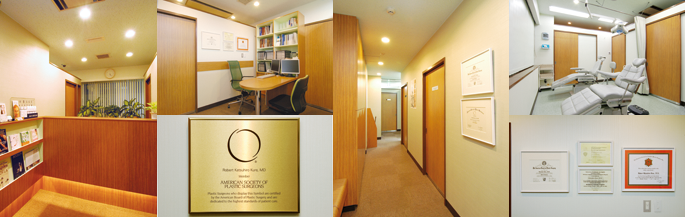
source: Plaza Clinic
U.S.-Trained Expertise in Hyperhidrosis Botox
Plaza Clinic provides Botox injections for excessive sweating as part of its non-surgical treatment options. The clinic is led by Dr. Robert Kure, a former Chief Resident at UCLA, who has more than 15 years of experience treating facial wrinkles with Botox in Los Angeles and Beverly Hills. During the initial consultation, Dr. Kure evaluates each patient’s symptoms to create a personalized treatment plan. Hyperhidrosis Botox is available for patients seeking a minimally invasive approach to managing excessive sweating.
English Support and Access
Located in Tokyo’s Hiroo area, Plaza Clinic has long served both Japanese and international patients. The clinic provides medical care in English and offers a range of aesthetic treatments, including Botox injections, fillers, laser procedures, and other non-surgical treatments. Because English medical care is available, the clinic may be a convenient option for expatriates and visitors staying in Tokyo.
How to Make a Reservation
Appointments can be requested through the clinic’s official website. Patients are encouraged to contact the clinic in advance regarding consultation schedules and treatment availability.
| Address | 4F Hiroo 5-Chome Building, 5-5-1 Hiroo, Shibuya-ku, Tokyo |
| Phone Number | 03-5475-2345 |
| Business Hours | 9:30 – 18:00 |
| Closed | Weekdays and Saturdays, and Japanese National Holiday |
| Access | 1-minute walk from Exit 1 or 2 of Hiro-o Station on the Tokyo Metro Hibiya Line. |
Conclusion
For foreigners in Japan dealing with hyperhidrosis, Tokyo offers a genuinely strong treatment environment: experienced practitioners, multiple treatment areas available, transparent per-unit pricing, and a meaningful cost advantage over equivalent treatment in the US or UK.
The most important decision point is the pathway: foreign residents enrolled in Japanese health insurance who meet the diagnostic criteria for severe primary axillary hyperhidrosis have access to a covered treatment route that reduces out-of-pocket cost substantially.
Tourists and those treating non-axillary areas will use the self-pay cosmetic route, which remains competitively priced.
In either case, clear communication about the medical nature of the concern — not just a cosmetic preference — helps the clinic direct you to the appropriate track and practitioner.
| ・This website provides general knowledge about aesthetic medicine from a neutral perspective as much as possible. Please note that the information is not intended to encourage self-diagnosis. Be sure to check the official website of the clinic and consult each medical institution for details regarding treatment. ・This article is based on information available at the time of writing and publication. Please check the official website for the latest updates. ・If cosmetics or massage-related content is mentioned, it is not within the scope of medical supervision. |