Enlarged pores and uneven skin texture are common concerns that often require more than topical skincare alone.
Because these issues are linked to collagen, sebum production, and overall skin structure, effective improvement typically involves professional treatments such as HydraFacial, RF microneedling, pico fractional laser, and chemical peels.
Tokyo is known for offering a wide range of advanced aesthetic treatments, often at more affordable prices than in many Western countries.
This guide explains the causes of enlarged pores and rough texture, popular treatment options in Tokyo, and what foreign patients should know before visiting a clinic.


INDEX
- What Causes Enlarged Pores and Poor Skin Texture?
- Why Choose Tokyo for Pore and Texture Treatment?
- Treatment Options for Pores and Skin Texture in Tokyo
- Choosing the Right Treatment
- What to Expect at Your First Visit and Tips for Foreign Patients
- Cost of Pore and Texture Treatments in Tokyo
- Frequently Asked Questions
- Pores Tokyo: Clinics Offering English-Speaking Skincare Consultations
- Conclusion
What Causes Enlarged Pores and Poor Skin Texture?
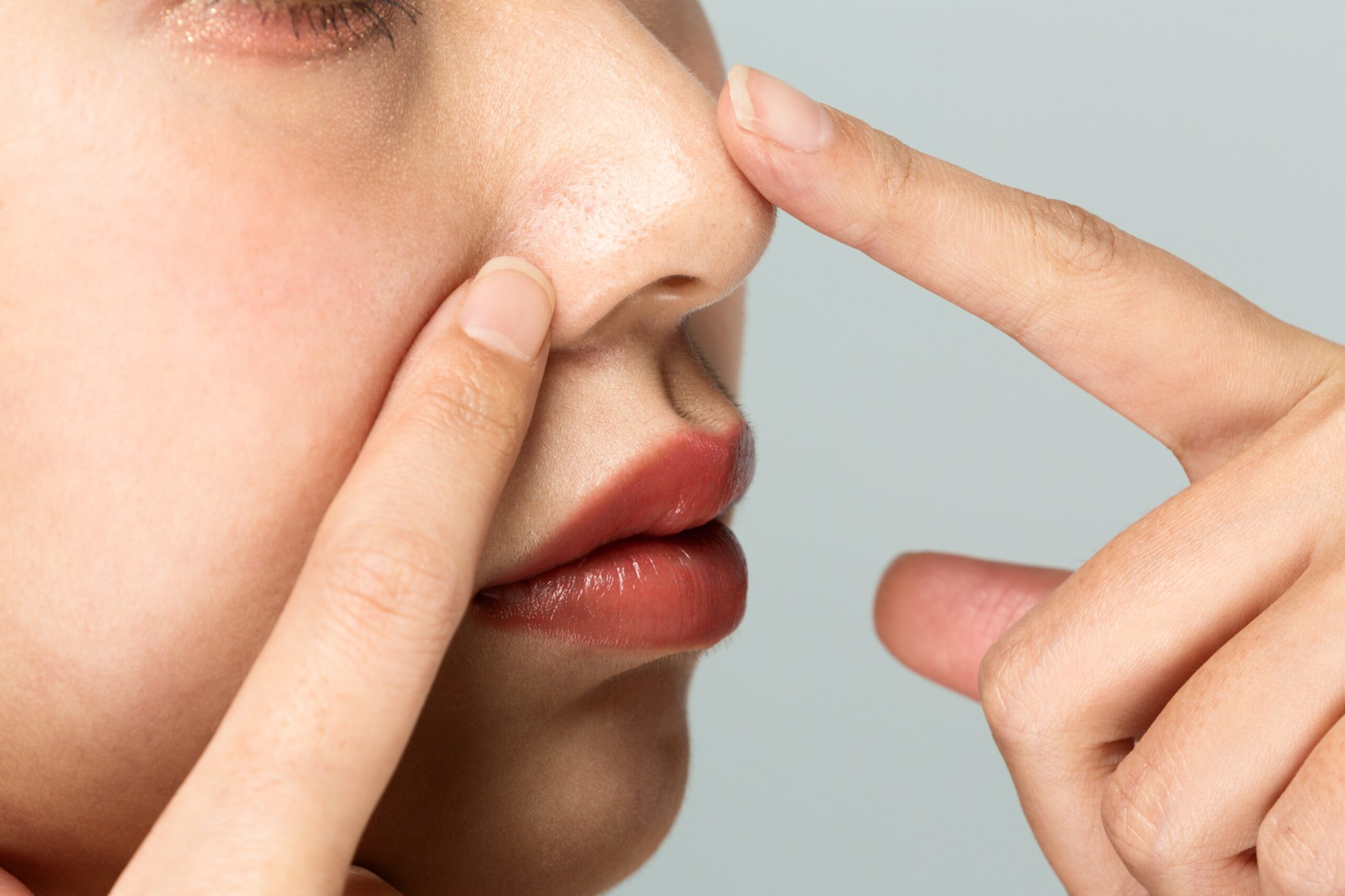
Pores don’t literally open and close — but they do appear larger under certain conditions. Understanding why is useful because it determines which treatment category will actually help you.
Enlarged pores are primarily caused by:
- Excess sebum production stretching the pore walls
- Loss of collagen and elasticity (pores become more visible with age as surrounding skin loses support)
- Post-acne damage and scarring widening individual follicles
- Chronic congestion from dead skin and sebum buildup
- Sun damage degrading the collagen framework that holds pore walls taut
Rough or uneven skin texture — the dimpled, bumpy, or dull surface quality distinct from individual pores — typically stems from:
- Irregular cell turnover leaving dead skin accumulated on the surface
- Post-inflammatory hyperpigmentation or scarring from past breakouts
- Dehydration and compromised skin barrier
- Superficial photoaging (sun damage)
The two concerns often coexist and respond well to many of the same treatments, which is why Tokyo clinics typically address them together in a single protocol rather than treating them as separate problems.
| Concern | Primary Cause | Treatment Category |
| Oily / congested pores | Excess sebum, buildup | Deep cleansing, chemical exfoliation |
| Age-related enlarged pores | Collagen loss, laxity | RF microneedling, laser resurfacing |
| Post-acne pores and texture | Scarring, follicle damage | Fractional laser, RF microneedling, TCA CROSS |
| Surface roughness, dullness | Cell turnover, photoaging | Chemical peels, HydraFacial, pico laser |
Why Choose Tokyo for Pore and Texture Treatment?
Device availability and clinical expertise
Tokyo clinics have among the highest concentrations of medical-grade aesthetic devices in Asia. Morpheus8, PicoSure, HydraFacial, HIFU, Potenza RF — these are not niche offerings in Tokyo; they are standard menu items at established cosmetic clinics.
More importantly, the clinicians using them have done so thousands of times, on the full range of skin types.
Protocols optimized for Asian skin
A disproportionate share of the global literature on pore minimization and texture treatment has been developed by Japanese and East Asian researchers working with Fitzpatrick types III–IV skin.
The aggressive resurfacing protocols used in some Western markets carry higher risk of post-inflammatory hyperpigmentation on darker skin tones.
Japanese clinics default to conservative, multi-session approaches that deliver results without triggering rebound pigmentation or prolonged downtime — an approach that works well across all skin types.
Combination protocols are standard
Rather than relying on a single device, Tokyo clinics routinely build layered protocols: a HydraFacial to clear congestion, pico fractional laser to stimulate collagen, and RF microneedling to tighten and remodel.
Getting all three from a single practice, coordinated by the same physician, produces better results than seeking each treatment in isolation.
Competitive pricing
A single session of Morpheus8 RF microneedling in Tokyo typically runs ¥40,000–¥80,000 (~$270–$540 USD). The same treatment in major US cities commonly costs $800–$1,500 per session.
Even accounting for travel, multi-session protocols in Tokyo offer meaningful savings for international patients.
Treatment Options for Pores and Skin Texture in Tokyo
HydraFacial
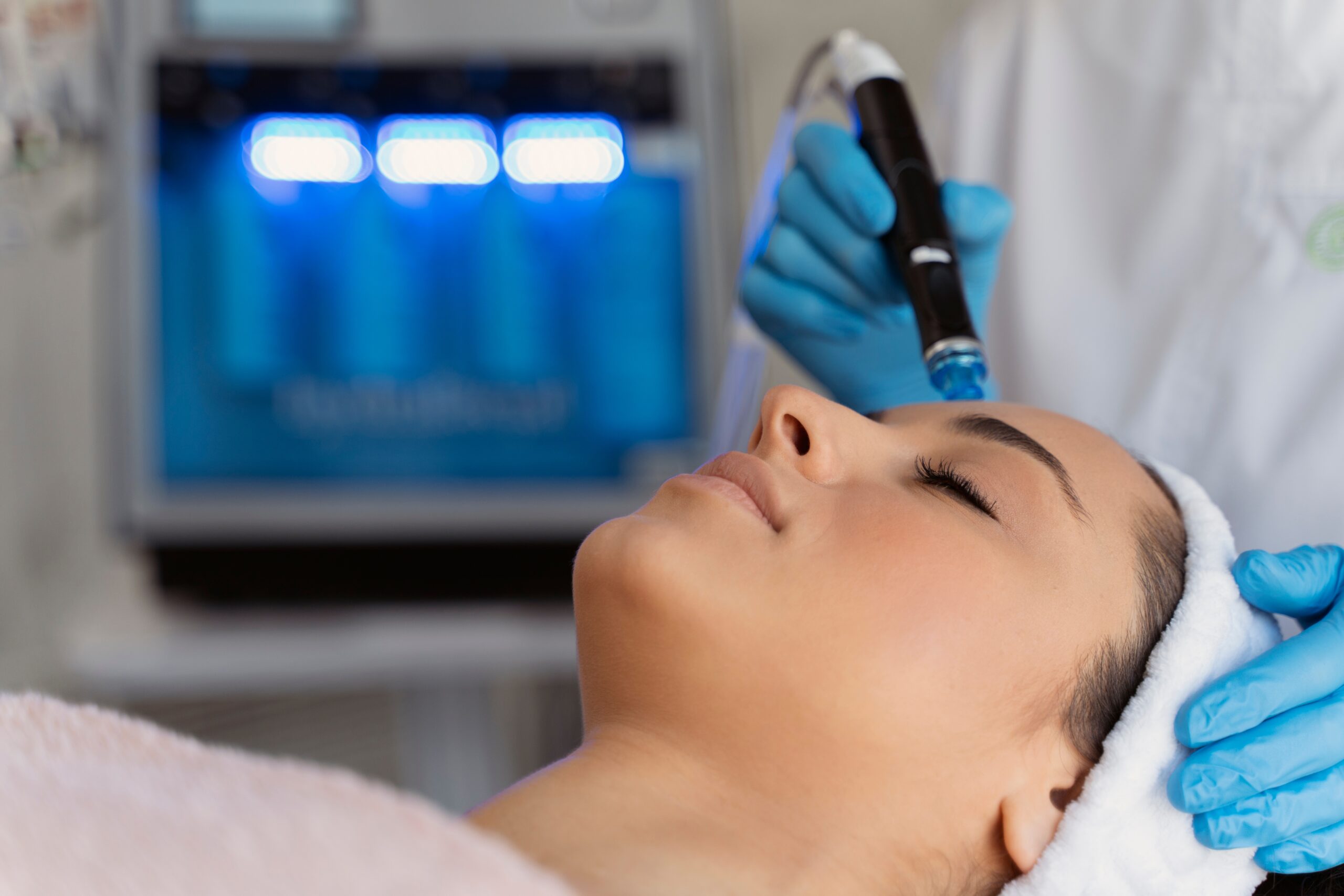
HydraFacial is a three-step mechanical treatment: it simultaneously exfoliates the surface, extracts debris from pores via a vacuum-suction tip, and infuses the skin with hydrating and antioxidant serums.
It is not a laser and involves no downtime — most patients return to normal activity immediately.
HydraFacial is particularly effective for congested, oily pores and for improving surface texture and radiance.
It is often recommended as the entry point for patients new to cosmetic clinic treatments, or as a maintenance treatment between more intensive laser or RF sessions.
Results from a single session are visible but temporary; a course of monthly sessions produces cumulative improvement.
Downtime: None. Mild redness possible for 1–2 hours.
Pico Laser Fractional (Pico Fractional)
Pico fractional laser uses ultra-short picosecond laser pulses delivered through a diffractive lens array to create microscopic treatment zones in the skin.
Unlike traditional ablative lasers, it does not remove the skin surface. Instead, it creates thousands of tiny pressure waves that trigger the skin’s collagen and elastin repair response without thermal damage to surrounding tissue.
For pores and texture, pico fractional is one of the most effective available options. It simultaneously addresses surface roughness, mild acne scarring, and pore size by stimulating dermal remodeling from below.
Tokyo clinics most commonly use PicoSure (Cynosure) or PicoWay (Syneron-Candela), both of which are MHLW-approved. Four to six sessions are typically recommended for significant texture improvement.
Downtime: 1–3 days of redness and mild swelling. Pinpoint scabbing resolves within a week.
RF Microneedling (Morpheus8 / Potenza)
Radiofrequency microneedling combines two mechanisms: the micro-injuries created by fine needles trigger collagen induction, while radiofrequency energy delivered through the needle tips heats the deeper dermis to cause tissue contraction and further collagen stimulation.
Morpheus8 (InMode) delivers RF energy to a depth of up to 8mm, making it one of the most powerful non-surgical skin remodeling devices available.
It is particularly effective for pores caused by laxity and collagen loss, as well as for acne scarring and overall skin tightening.
Potenza (Cynosure) is a comparable device widely used at Tokyo clinics and offers programmable depth settings for targeted treatment.
RF microneedling is often positioned as the treatment of choice when enlarged pores are accompanied by mild sagging, facial contouring concerns, or deeper acne scars — conditions that surface-only treatments cannot adequately address.
Downtime: 2–5 days of redness, swelling, and pinpoint bleeding. Social downtime approximately 3–5 days.
Chemical Peels
Chemical peels using glycolic acid, salicylic acid, lactic acid, or trichloroacetic acid (TCA) work by controlled exfoliation of the outer skin layers. For pores and texture:
- Salicylic acid peels (BHA, oil-soluble) penetrate pore walls and are particularly effective for sebum-related congestion
- Glycolic acid peels (AHA) improve overall surface texture, brightness, and cell turnover
- TCA peels at medium depth can address more significant scarring and uneven texture, with greater downtime
Chemical peels are typically used as adjunct treatments — valuable for maintaining results between laser sessions, or for patients whose skin is not ready for more intensive procedures.
Some Tokyo clinics offer proprietary peel combinations with branded protocols.
Downtime: 2–7 days depending on peel strength and type.
TCA CROSS (Chemical Reconstruction of Skin Scars)
TCA CROSS is a targeted technique specifically for ice-pick and boxcar acne scars — the depressed, sharply defined scars that sit at the pore level and contribute significantly to rough texture.
A concentrated TCA solution is applied to individual scar bases using a fine applicator, creating a focal injury that stimulates scar remodeling and collagen infill.
This is a specialist procedure, distinct from a standard peel, and is performed at select cosmetic dermatology clinics in Tokyo. It is worth asking specifically if your texture concern involves prominent individual scars rather than general roughness.
Downtime: 5–10 days of scabbing at treated sites.
Skin Boosters and Injectable Hydration
Skin boosters — injectable hyaluronic acid products like Rejuran (polynucleotide) and Profhilo — improve skin quality from below the surface by stimulating collagen, improving hydration, and restoring skin elasticity.
They do not address pores directly, but the improvement in overall skin quality — firmness, radiance, hydration — creates the visual effect of finer pores and smoother texture.
Rejuran, originally developed in South Korea and now widely available at Tokyo clinics, has a particularly strong reputation for skin texture refinement and is popular with foreigners visiting Tokyo specifically for this treatment.
Downtime: Minor needle marks and swelling for 24–48 hours.
Topical Prescription Protocols
Not all effective pore treatment requires a device. Tretinoin (topical vitamin A) prescribed at appropriate concentration has decades of clinical evidence for improving pore appearance, texture, and skin renewal.
In Japan, prescription-strength tretinoin is available through cosmetic dermatology clinics and is commonly used as a home maintenance protocol between clinic sessions.
For patients not ready for in-clinic procedures, or as a maintenance bridge between sessions, a dermatologist-supervised topical protocol can provide meaningful improvement over 3–6 months.
Choosing the Right Treatment
With this many options, the practical question is: where do you start?
If your primary concern is congested, oily pores with surface dullness: Begin with HydraFacial. It is the lowest-risk, no-downtime option that addresses the surface and produces immediate results. Layer in a chemical peel or pico toning as your skin adjusts.
If your concern is pore size driven by loss of firmness and age: RF microneedling (Morpheus8 or Potenza) is the most targeted option. Expect 2–3 sessions for meaningful results.
If your concern is texture irregularity from past acne, including scarring and uneven surface: Pico fractional laser or RF microneedling, depending on scar depth.
Shallow, textural scarring responds well to pico fractional; deeper or indented scarring benefits more from RF microneedling or TCA CROSS.
If you want comprehensive improvement across all concerns: The combination protocol of HydraFacial + pico fractional + RF microneedling — spaced appropriately and prescribed by a single physician — is what Tokyo’s top cosmetic clinics are genuinely built for.
At your first consultation, describe your concern specifically: “My pores look large especially on my nose and cheeks” versus “My skin surface feels rough and looks dull” versus “I have old acne scars that have a pitted texture” will lead to meaningfully different treatment recommendations.
What to Expect at Your First Visit and Tips for Foreign Patients
Booking Your Consultation
Most English-supported clinics in Tokyo accept online bookings, and many offer consultations either free of charge or at a reduced fee.
Before booking, confirm that English-language support is available if this is important to you. Bringing photos of your skin concerns, previous treatment records, or skincare products you currently use can help the doctor better understand your skin history.
Skin Analysis and Treatment Planning
A reputable clinic will typically begin with a consultation and detailed skin analysis. Many clinics use imaging systems such as Visia to evaluate pore density, skin texture, pigmentation, and oil balance under different lighting conditions.
Rather than recommending a single procedure, doctors in Tokyo often design a multi-session treatment protocol tailored to your skin type and concerns. For example, congested pores may be treated with HydraFacial or chemical peels, while collagen loss and acne scarring may require RF microneedling or pico fractional laser.
Your First Treatment Session
Many clinics begin conservatively, especially for first-time patients or those with sensitive skin.
Initial treatments may include HydraFacial, light chemical peels, or lower-fluence laser settings to assess how your skin responds before moving to more intensive procedures.
Downtime depends on the treatment selected. HydraFacial generally involves no downtime, while RF microneedling and fractional laser treatments may cause temporary redness, swelling, or pinpoint scabbing for several days.
Post-Treatment Care and Sun Protection
Proper aftercare is essential for achieving good results and minimizing complications. Most clinics recommend daily SPF 50+ sunscreen, gentle skincare, and temporary avoidance of retinoids, exfoliating acids, waxing, and excessive heat exposure after treatment.
UV exposure can worsen pore appearance, prolong redness, and interfere with collagen remodeling, making sun protection one of the most important parts of the treatment process.
Setting Realistic Expectations
Pore size and skin texture improve gradually rather than overnight.
While some patients notice smoother skin after a single HydraFacial or peel, meaningful collagen remodeling from RF microneedling or pico fractional laser usually requires multiple sessions over several months.
Most clinics recommend a treatment course of approximately 3–6 months, with maintenance sessions afterward to preserve results. Taking progress photos in consistent lighting can make subtle improvements easier to track over time.
Best Timing for Treatment in Japan
Autumn and winter — particularly from October through February — are often considered the best seasons for laser and resurfacing treatments in Japan.
Lower UV levels reduce the risk of post-treatment sun exposure and make recovery easier for many patients traveling specifically for cosmetic procedures.
Cost of Pore and Texture Treatments in Tokyo
| Treatment | Approximate Cost Per Session |
| HydraFacial | ¥15,000 – ¥25,000 |
| Chemical peel (light to medium) | ¥8,000 – ¥25,000 |
| Pico laser toning (full face) | ¥14,800 – ¥30,000 |
| Pico fractional laser (full face) | ¥35,000 – ¥60,000 |
| RF microneedling / Morpheus8 | ¥40,000 – ¥80,000 |
| Potenza RF microneedling | ¥40,000 – ¥75,000 |
| TCA CROSS (per session) | ¥20,000 – ¥50,000 |
| Skin booster / Rejuran injection | ¥30,000 – ¥60,000 |
| Prescription tretinoin (1 month) | ¥3,000 – ¥8,000 |
All cosmetic treatments in Japan are self-pay and not covered by Japanese health insurance.
Many clinics offer package pricing for multi-session courses — ask about course discounts at your consultation, as the per-session price is often meaningfully lower when booking 3–5 sessions upfront.
Frequently Asked Questions
Can pores actually be permanently reduced in size?
Pores cannot be permanently eliminated, but their visible size can be meaningfully and durably reduced.
Treatments that rebuild collagen and tighten the dermis — particularly RF microneedling — produce improvements that last for years with appropriate maintenance.
Surface-only treatments like HydraFacial produce shorter-lived results and require regular upkeep.
How many sessions will I need?
This depends on the severity of your concern and the treatment used. HydraFacial shows results after one session but requires monthly maintenance.
Pico fractional and RF microneedling typically require 3–5 sessions, spaced 4–6 weeks apart, for significant improvement.
Most clinics will give you a realistic session estimate at your consultation.
Is RF microneedling safe for all skin types?
Yes — RF microneedling is considered one of the safest energy-based treatments for darker skin tones (Fitzpatrick types III–VI) because the energy is delivered below the skin surface, bypassing the melanin-rich epidermis.
This makes it a preferred option for patients of East Asian, South Asian, Middle Eastern, or Latin American heritage.
I’ve heard HydraFacial and Morpheus8 described separately — can I combine them?
Yes, and many Tokyo clinics recommend exactly this. HydraFacial addresses surface congestion and hydration; Morpheus8 addresses structural collagen and depth.
They target different layers and complement each other well. A common sequencing is Morpheus8 for deep remodeling, HydraFacial for monthly maintenance in between.
Are these treatments covered by Japanese health insurance?
No. All cosmetic skin treatments — including laser, RF microneedling, and HydraFacial — are classified as aesthetic procedures in Japan and are entirely self-pay.
Japanese national health insurance only covers medical dermatology (conditions like eczema, psoriasis, infections). Factor full out-of-pocket costs into your budget.
Pores Tokyo: Clinics Offering English-Speaking Skincare Consultations
Enlarged pores, acne scars, and uneven skin texture are among the most common concerns for anyone seeking medical skincare in Tokyo.
Whether you’re visiting Japan or living here, finding a clinic where you can communicate comfortably in English makes a real difference. Below are three clinics in Tokyo that offer relevant treatments along with English-language support.
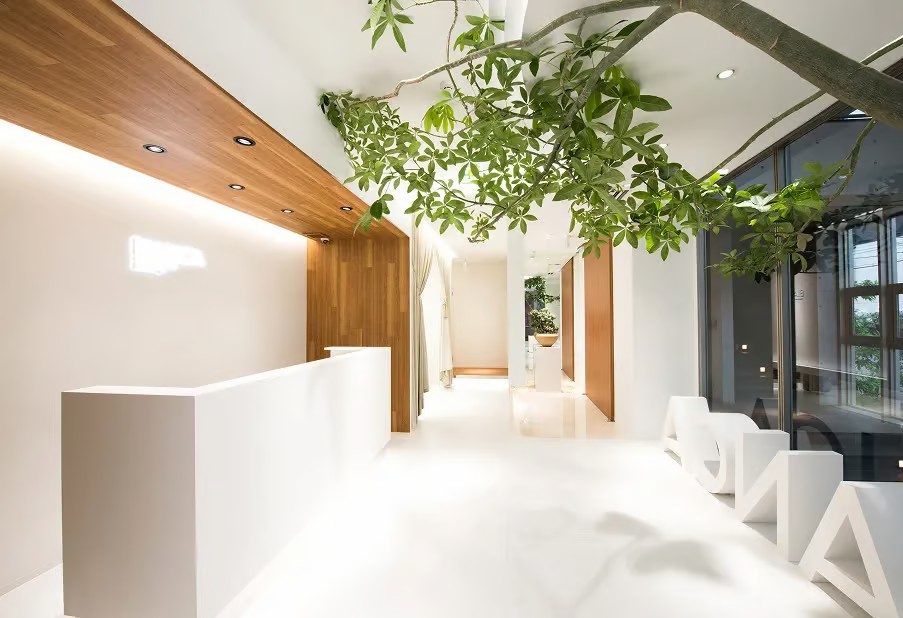
BIANCA CLINIC
source:BIANCA CLINIC
A Medical Spa Approach to Pore Refinement in the Heart of Tokyo
BIANCA CLINIC operates two locations — Omotesando and Ginza — and serves patients from over 95 countries with a track record of more than 150,000 patients.
The clinic offers a broad range of surgical and non-surgical treatments, and English-speaking staff are available to support international guests from their first inquiry through aftercare.
Enlarged Pores: A Structural Concern Addressed from Within
BIANCA’s approach to enlarged pores goes beyond surface-level skincare. The clinic treats enlarged pores as a structural concern caused by excess sebum, aging, and uneven skin texture, offering a combination of HydraFacial®, Pico Laser Toning (PicoSure®), Trifill PRO micro-subcision, and Morpheus8 RF microneedling.
These treatments aim to promote collagen production, tighten pores, and improve overall skin texture. Treatment plans are individually tailored by a physician following a consultation.
English Support
Interpretation and counseling services are available free of charge (some doctors may require an additional fee for selection). A 24-hour WhatsApp line is also available for inquiries.
How to Book
Online reservations are available at biancaclinic-tokyo.com. First visits online are accepted.
| Address | 【BIANCA Cosmetic Surgery & Medical Spa (Omotesando)】 Minami-Aoyama 511 Building, 5-11-10 Minami-Aoyama, Minato-ku, Tokyo 104-0061, Japan 【BIANCA CLINIC GINZA】 12F ONE GINZA, 1-8-19 Ginza, Chuo-ku,Tokyo 104-0061, Japan |
| Phone Number | 【BIANCA Cosmetic Surgery & Medical Spa (Omotesando)】050-1807-1593 【BIANCA CLINIC GINZA】050-3196-4834 |
| Business Hours | 10:00–19:00 |
| Holiday | irregular holidays |
| Access | 【BIANCA Cosmetic Surgery & Medical Spa (Omotesando)】 The Tokyo Metro Ginza Line. The Tokyo Metro Hanzomon Line. The Tokyo Metro Chiyoda Line. A 5-minutes walk from Omotesando Station B1 exit 【BIANCA CLINIC GINZA】 A 4-minute walk from Ginza Station on the Tokyo Metro Ginza Line. A 1-minute walk from Exit 7 of Ginza-itchome Station on the Tokyo Metro Yurakucho Line. A 3-minute walk from Exit 3 of Kyobashi Station on the Tokyo Metro Ginza Line. A 8-minute walk from the Kyobashi Exit of JR Yurakucho Station. |
Takadanobaba Dermatology & Plastic Surgery

Board-Certified Expertise at an Accessible Shinjuku Location
Located near Takadanobaba Station, this clinic is led by Dr. Shuji Suzuki, who is double-board certified in dermatology and plastic surgery and completed a dermatopathology fellowship at Boston University.
The clinic also has an English website and provides consultations in English.
Dermapen 4: Targeted Microneedling for Pore Care and Acne Scarring
Dermapen 4 is described by the clinic as a microneedling device with a dedicated scar setting and protocols for deep, atrophic scars.
Its AOVN technology automatically calibrates motor speed, pressure, and penetration depth for targeted precision, with needle penetration adjustable up to 3.0mm. Indicated conditions include acne scars, pore care, skin tone rejuvenation, and fine wrinkles.
English Support
The clinic’s website is provided entirely in English. Dr. Suzuki conducts consultations in English.
How to Book
Appointments for Dermapen 4 must be made by phone: 03-3232-1010. The initial consultation is first-come, first-served during office hours; the procedure can be scheduled on the first visit if an appointment is made in advance.
Takadanobaba Dermatology & Plastic Surgery
| Address | Building 108, 5th floor, 1-25-32, Takadanobaba, Shinjukuku, Tokyo |
| Phone Number | 03-3232-1010 |
| Business Hours | 9:00 – 13:00 15:00 – 18:00, Saturday: 9:00 – 13:00 |
| Closed | Thursdays, Saturday afternoon, Sundays and Holidays |
| Access | A 3-minute walk from Takadanobaba Station of JR and Seibu-Shinjuku Lines |
Meguro Dermatology Clinic
source:Meguro Dermatology Clinic
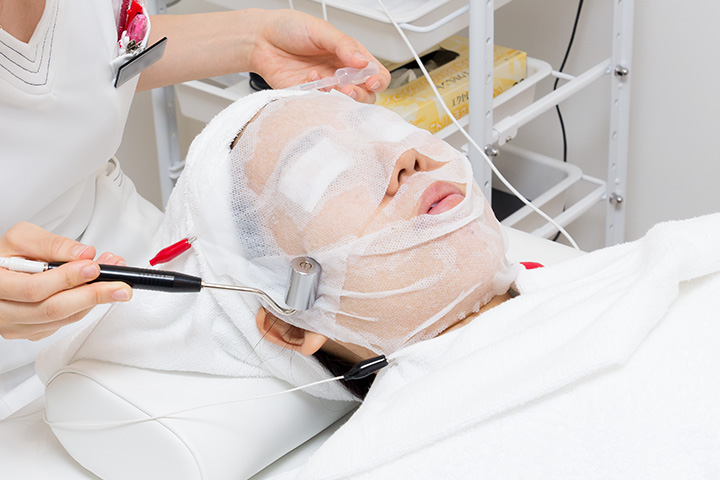
A Welcoming All-Round Dermatology Clinic, 3 Minutes from Meguro Station
Opened in 2014 by Dr. Yuko Fukano, Meguro Dermatology Clinic aims to serve as an “all-round dermatology clinic” covering both general and cosmetic dermatology regardless of gender or age.
Japanese Health Insurance is accepted for eligible treatments. Dr. Fukano is an English-speaking dermatologist, and the clinic maintains an English-language website.
Cosmetic Treatments for Pores and Skin Texture
The clinic offers a range of cosmetic dermatology options relevant to pore and skin texture concerns, including iontophoresis, chemical peeling, and medical-grade LED therapy (HEALITE II). The clinic emphasizes treatments with minimal downtime that allow makeup to be applied soon after.
English Support
Dr. Fukano is an English-speaking physician. The clinic has an English-language page at meguro-derm.jp/en.
How to Book
Online reservations are available at meguroderm.reserve.ne.jp. First-time cosmetic dermatology consultations are handled during Dr. Fukano’s hours only.
| Address | 7-18-8, Chapter 3 Daiei Building 6 Floor, Roppongi, Minato-ku, Tokyo |
| Phone Number | 03-6409-6079 |
| Business Hours | 19:30–13:00 & 15:00–17:30 (Mon/Thu until 19:00) Wed PM: Dr. Nakano |
| Holiday | Sat, Sun & Public Holidays |
| Access | A 3-minute walk fromMeguro Stn. (JR Yamanote / Tokyu Meguro / Tokyo Metro Namboku / Mita Lines) |
Conclusion
Tokyo offers one of the most complete and clinically sophisticated menus for pore and skin texture treatment available anywhere in the world.
Whether your concern is congested, oily pores, age-related laxity, post-acne scarring, or overall surface roughness, there is a well-established treatment protocol — and a clinic experienced with foreign patients — to address it.
The most effective approach is rarely a single treatment: the clinics in Tokyo that produce the best texture results typically combine a surface-clearing step (HydraFacial or chemical peel) with a deep-remodeling step (RF microneedling or pico fractional laser), maintained over several months.
Start with a consultation, be honest about your timeline and budget, and commit to the protocol your doctor recommends.
| ・This website provides general knowledge about aesthetic medicine from a neutral perspective as much as possible. Please note that the information is not intended to encourage self-diagnosis. Be sure to check the official website of the clinic and consult each medical institution for details regarding treatment. ・This article is based on information available at the time of writing and publication. Please check the official website for the latest updates. ・If cosmetics or massage-related content is mentioned, it is not within the scope of medical supervision. |