Seeing a dermatologist in Japan should be straightforward — the country has some of the world’s most skilled skin specialists, advanced equipment, and a reputation for meticulous care. But for foreigners, one barrier consistently gets in the way: language.
Searching for an English-speaking dermatologist in Tokyo is not just about convenience.
It’s about being able to accurately describe your symptoms, understand your diagnosis, give informed consent before a procedure, and follow post-treatment instructions correctly.
A missed detail in any of these steps can affect both your safety and your results.
This guide is for foreign residents, expats, and visitors who want to see a dermatologist in Tokyo and need to do it in English — whether for a medical concern like eczema or acne, or a cosmetic treatment like laser pigmentation removal.
We’ll cover where to look, what to look for, and how to book.


INDEX
- Understanding English Support and Dermatology Types in Tokyo
- How to Find an English-Speaking Dermatologist in Tokyo
- What to Look for When Choosing a Dermatologist
- How to Book an Appointment and Understand Costs
- Cost of Seeing a Dermatologist in Tokyo
- Tips for Foreign Patients
- Frequently Asked Questions
- English-Speaking Dermatologist in Tokyo: Exploring Dermatology Services
- Conclusion
Understanding English Support and Dermatology Types in Tokyo
What “English-Speaking” Actually Means at a Japanese Clinic
Before diving into clinic lists, it helps to understand what “English-speaking” means in the Japanese medical context — because it varies significantly.
Full English service means the doctor conducts the consultation in English, the staff can communicate in English for administrative tasks (booking, forms, billing), and written materials (consent forms, aftercare instructions) are available in English. A small number of clinics in Tokyo offer this.
Partial English means the doctor may have conversational or medical English but is not fully fluent, or the English support exists for consultation but not for front-desk communication. Many clinics fall here. With some preparation (written symptom descriptions, a translation app as backup), these can work well.
“Google Translate English” is unfortunately common in clinic descriptions. The website has an English page, but walk in and nobody speaks English. Always confirm language support by email or phone before booking.
When researching, look for signals of genuine English capability: a doctor who trained or interned abroad, board certification from an international body, explicit mention on official referral lists (U.S. Embassy, British Embassy, JMIP-accredited hospitals), or strong expat community reviews.
Medical vs. Cosmetic Dermatology: Know What You Need
Tokyo’s skin clinics broadly divide into two categories, and this matters for how you find and book:
| Type | What It Covers | Insurance | Booking |
| Medical dermatology (皮膚科, hifuka) |
Eczema, psoriasis, acne, rosacea, skin infections, moles, allergic reactions | Japanese health insurance accepted | Walk-in or standard appointment |
| Cosmetic dermatology (美容皮膚科, biyō hifuka) |
Laser treatments, pigmentation, anti-aging, hair removal, injectables | Not covered by insurance | Advance consultation required |
Some clinics combine both under one roof. Others specialize in one or the other. If your concern is medical (a rash, infection, or chronic condition), a standard hifuka clinic is appropriate and often cheaper with insurance.
If you’re seeking a cosmetic procedure, you’ll be looking at biyō hifuka clinics, which operate more like private aesthetic practices.
How to Find an English-Speaking Dermatologist in Tokyo
Official directories and referral lists
Tokyo Himawari Medical Information Service is the city government’s multilingual medical referral line. You can search by specialty, area, and language spoken. It covers both hospitals and private clinics and is free to use.
JMIP (Japan Medical Service Accreditation for International Patients) is a national certification given to hospitals that meet specific standards for international patient care, including interpreter services.
Not all JMIP-accredited facilities have dermatology departments, but it’s a reliable quality signal when they do.
Embassy medical referral lists — The U.S. Embassy Tokyo, British Embassy Tokyo, and several others maintain lists of English-speaking doctors recommended by their staff.
Takadanobaba Clinic appears on the U.S. Embassy Tokyo Medical Assistance list, for example. These lists are unofficial but practically useful.
AMDA International Medical Information Center provides telephone interpretation assistance and can help locate English-speaking specialists across Japan.
Expat communities and word of mouth
Tokyo has a large, well-connected expat community, and dermatologist recommendations circulate actively in forums like Reddit’s r/JapanExpats, Facebook groups for foreign residents, and platforms like Internations.
Real-world experience from fellow foreigners — including honest notes on the doctor’s actual English level — is often more reliable than clinic website claims.
Cosmetic clinic English pages
Many of Tokyo’s top cosmetic dermatology clinics have invested in English-language websites and international patient support specifically because cosmetic treatments (laser, pigmentation, anti-aging) are in high demand among foreign visitors.
For cosmetic concerns, searching directly for clinic English pages — especially in Ginza, Omotesando, Azabu, and Hiroo — will often surface better-matched options than general directories.
What to Look for When Choosing a Dermatologist
Language proficiency
As noted above, confirm before booking. A quick email in English to the clinic will tell you a great deal: how fast they respond, how well they write, and whether they seem comfortable with English-language communication.
Specialization
Dermatology covers an enormous range of conditions. A doctor who specializes in inflammatory skin diseases may not be your best choice for laser pigmentation removal, and vice versa.
Look for a clinic whose stated focus aligns with your concern.
For cosmetic treatments (laser, pigmentation, injectables): look for clinics that list specific devices (PicoSure, Thermage, etc.) and have case photos or treatment-specific pages in English.
For medical dermatology (chronic conditions, unusual presentations, second opinions): look for doctors with hospital affiliations, academic publications, or training at institutions with international recognition.
Board certification
In Japan, dermatologists are board-certified by the Japanese Dermatological Association (JDA). Some doctors hold additional certifications from international bodies or have completed fellowships abroad — often visible in their clinic biography.
For complex medical concerns, this background matters.
International patient experience
Ask directly: “Do you frequently treat foreign patients?” A clinic that sees a significant volume of international patients will have refined systems for it — translated forms, clear pricing for self-pay, experience with insurance documentation for reimbursement claims.
How to Book an Appointment and Understand Costs
How to Book an Appointment
Step 1: Confirm English availability before booking
Email the clinic: “I am a foreigner and do not speak Japanese. Does your clinic offer consultations in English?” A responsive, competent answer in English is itself a green flag.
Step 2: Gather your medical history
Prepare a brief written summary in English: current skin concern, duration, any prior diagnoses, medications you are taking (including topical products), known allergies, and relevant medical history.
Step 3: Book in advance
English-speaking time slots at bilingual clinics fill faster than standard slots, particularly at smaller practices where only one doctor speaks English. Book at least one to two weeks ahead for non-urgent concerns.
Step 4: Understand the payment process
For medical dermatology with Japanese health insurance: bring your health insurance card (hoken-sho).
Foreign residents with Japanese national insurance (kokumin kenko hoken) are eligible.
Tourists and short-term visitors generally pay out of pocket.
For cosmetic treatments: all treatments are self-pay regardless of insurance status.
Request a written price breakdown before the consultation if possible.
Step 5: At the clinic
Arrive 10–15 minutes early to complete registration forms. Bring your passport or residence card for ID.
Photograph your skin concern beforehand in good natural light — visual reference helps regardless of language.
Cost of Seeing a Dermatologist in Tokyo
| Visit Type | Approximate Cost |
| Medical dermatology consultation (with Japanese insurance) | ¥1,000–¥3,000 |
| Medical dermatology consultation (self-pay / tourist) | ¥5,000–¥10,000 |
| Cosmetic consultation (first visit) | ¥0–¥3,000 (often free or discounted) |
| Prescription topicals (hydroquinone, tretinoin, etc.) | ¥3,000–¥10,000 / month |
| Cosmetic laser treatment (single session) | ¥15,000–¥50,000+ |
| IV vitamin / tranexamic acid drip | ¥10,000–¥30,000 |
Visitors from countries with national health systems sometimes expect to recover costs through travel insurance or home country reimbursement.
Keep all receipts and request an itemized receipt (ryōshūsho).
Tips for Foreign Patients
Learn the Japanese term for your condition before your appointment. Even at an English-speaking clinic, knowing that eczema is atopī-sei hifuenkei or that melasma is kanpan can help reduce misunderstandings.
Bring photos of your symptoms, especially if they come and go or have already faded. Visual records are extremely helpful regardless of language.
Ask specifically whether the doctor speaks English, not just the clinic staff. English-speaking reception staff does not always mean the physician is fluent in English.
Keep a translation app handy as backup. Even bilingual clinics may provide consent forms or written materials only in Japanese.
Understand the referral system. If you need additional testing such as a biopsy or allergy test, the clinic may refer you to a larger hospital. It can help to ask whether they work with international patient services.
Choose your appointment time carefully. Monday mornings and lunchtime are often the busiest. Midweek afternoons usually have shorter wait times and a calmer atmosphere.
Frequently Asked Questions
Can I see a dermatologist in Tokyo as a tourist?
Yes. Foreign tourists can visit private dermatology clinics on a self-pay basis without Japanese health insurance. Bring your passport for ID.
Costs are higher without insurance (¥5,000–¥10,000 for a consultation), but many clinics in tourist-dense areas like Ginza and Shinjuku are experienced with short-stay foreign patients.
Will the doctor be able to understand my skin type?
Japanese dermatologists treat an extremely diverse range of skin types, particularly at clinics in internationally oriented neighborhoods (Hiroo, Azabu, Omotesando). Many cosmetic clinics specifically highlight their experience with diverse skin tones.
If you have a skin type that responds differently to laser or certain topicals (Fitzpatrick types IV–VI, for example), mention this explicitly at the consultation.
Do I need a referral to see a dermatologist?
No. Japan’s medical system allows direct booking with specialist clinics, including dermatologists, without a referral from a general practitioner.
A referral (shōkaijō) is helpful if transferring from a hospital setting but is not required to make a private clinic appointment.
What’s the difference between a hifuka and a biyō hifuka clinic?
Hifuka (皮膚科) is medical dermatology — treating conditions covered by health insurance. Biyō hifuka (美容皮膚科) is cosmetic dermatology — all procedures are self-pay and aimed at aesthetic improvement.
Some clinics offer both. If you’re unsure which you need, book at a combined clinic and let the doctor guide you.
How do I get my prescription filled after the appointment?
The doctor will write a prescription (shohōsen) which you take to a nearby pharmacy (yakkyoku). Major pharmacy chains like Matsumoto Kiyoshi and Welcia are common; some cosmopolitan areas have English-speaking pharmacists.
Show the prescription and they’ll fill it. Payment is straightforward and receipts are provided.
English-Speaking Dermatologist in Tokyo: Exploring Dermatology Services
For individuals seeking dermatological care in Tokyo with English-language support, access to an English-speaking dermatologist is essential for ensuring clear communication and informed treatment decisions.
Whether visiting Japan as an inbound traveler or residing in the country as a foreign national, the following three Tokyo clinics offer comprehensive dermatology services provided by English-speaking physicians, tailored to meet the needs of international patients.
Director Dr.Akiko Imaizumi / Imaizumi Skin Clinic
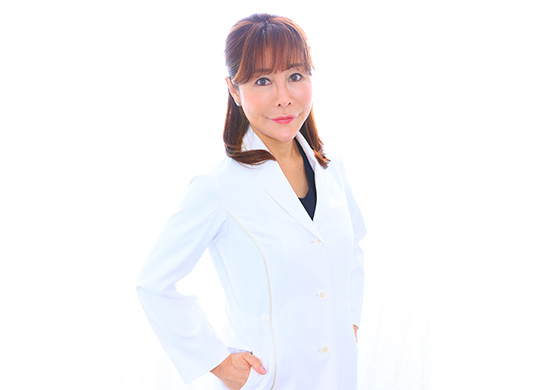
source:Imaizumi Skin Clinic
Dedicated Dermatologist with English Consultation Services
Dr. Akiko Imaizumi is a board-certified dermatologist of the Japanese Dermatological Association and the director of Imaizumi Skin Clinic.
She pursued further training in the United States at Weill Cornell Medical College in New York, where she conducted research on skin repair and regeneration and has previously served as a board member of the International Society of Aesthetic Plastic Surgery (ISAPS).
The clinic maintains an English-language website and provides English consultation services for international patients.
Customized Dermatology Care for Various Skin Concerns
The clinic offers dermatology services addressing a range of skin concerns including pigmentation, acne, and general skin health. Treatment approaches are individualized based on each patient’s consultation and skin type.
Dr. Imaizumi has particular expertise in injection treatments, including hyaluronic acid filler and botulinum toxin injections.
How to Book
Contact the clinic via the web form at imaizumisc.or.jp/en/doctor/ or by phone.
| Address | 7-18-8, Chapter 3 Daiei Building 6 Floor, Roppongi, Minato-ku, Tokyo |
| Phone Number | 0120-006-762 / 03-3401-6762 |
| Business Hours | 10:00-13:00,14:30-19:00 Sat., Holiday 10:00-13:00,14:30-18:00 |
| Holiday | Sunday |
| Access | Hibiya Line “Roppongi Station” 1 minute on foot Tokyo metro Hibiya line ‘Roppongi’ station Exit 2 one minute on foot from the exit Along Roppongi Avenue.It is a glass-enclosed building with Lawson on 1F. Toei Oedo Line “Roppongi Station” Exit 4b 4 minutes on foot from the exit. |
Director Dr. Yuko Fukano / Meguro Dermatology Clinic
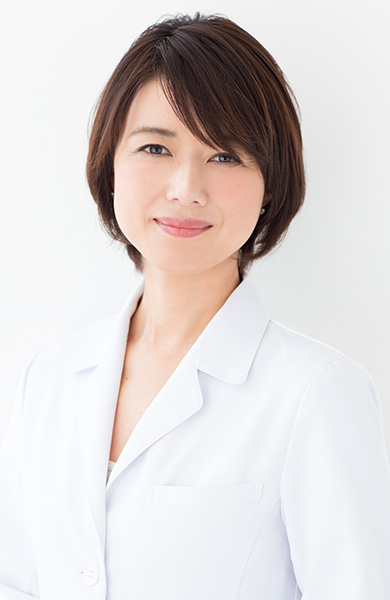
source:Meguro Dermatology Clinic
All-Round Dermatology Clinic 3 Minutes from Meguro Station
Dr. Yuko Fukano opened Meguro Dermatology Clinic in 2014. Dr. Fukano, who also studied at the University of Washington, is an English-speaking Board-Certified Dermatologist by the Japanese Dermatological Association. The clinic serves as an “all-round dermatology clinic” covering both general and cosmetic dermatology regardless of gender or age.
Cosmetic Treatments for Pores and Skin Texture
The clinic offers cosmetic dermatology options including iontophoresis, chemical peeling, and medical-grade LED therapy (HEALITE II). Treatments emphasize minimal downtime that allow makeup to be applied soon after.
How to Book
Online reservations are available at meguroderm.reserve.ne.jp. First-time cosmetic dermatology consultations are handled during Dr. Fukano’s hours only.
| Address | 7-18-8, Chapter 3 Daiei Building 6 Floor, Roppongi, Minato-ku, Tokyo |
| Phone Number | 03-6409-6079 |
| Business Hours | 19:30–13:00 & 15:00–17:30 (Mon/Thu until 19:00) Wed PM: Dr. Nakano |
| Holiday | Sat, Sun & Public Holidays |
| Access | A 3-minute walk fromMeguro Stn. (JR Yamanote / Tokyu Meguro / Tokyo Metro Namboku / Mita Lines) |
Dr.Miyuki Iwama / BIANCA CLINIC
source:BIANCA CLINIC
Expert in Cosmetic Dermatology with International Patient Support
Dr. Miyuki Iwama is a Board-Certified Dermatologist (Japanese Dermatological Association) and Cosmetic Dermatology Instructor at BIANCA CLINIC. The clinic operates two locations in Omotesando and Ginza. The clinic has treated patients from over 95 countries and offers English-speaking staff support for international guests from inquiry through aftercare.
Note: Laser and device-based skin treatments are available at the Ginza location only. Injection therapies and IV infusions are available at both Omotesando and Ginza.
Comprehensive Care for Skin Concerns and Pigmentation
The clinic provides a range of dermatology services, including treatment for hyperpigmentation, melasma, acne scars, and skin texture concerns.
Dr. Iwama’s treatments may include laser therapy, oral medications, topical medications, and medical-grade skincare products. Treatment plans are individually proposed by Dr. Iwama for each patient following consultation.
How to Book
Online reservations are available at biancaclinic-tokyo.com. First-visit online bookings are accepted.
| Address | 【BIANCA Cosmetic Surgery & Medical Spa (Omotesando)】 Minami-Aoyama 511 Building, 5-11-10 Minami-Aoyama, Minato-ku, Tokyo 104-0061, Japan 【BIANCA CLINIC GINZA】 12F ONE GINZA, 1-8-19 Ginza, Chuo-ku,Tokyo 104-0061, Japan |
| Phone Number | 【BIANCA Cosmetic Surgery & Medical Spa (Omotesando)】050-1807-1593 【BIANCA CLINIC GINZA】050-3196-4834 |
| Business Hours | 10:00–19:00 |
| Holiday | irregular holidays |
| Access | 【BIANCA Cosmetic Surgery & Medical Spa (Omotesando)】 The Tokyo Metro Ginza Line. The Tokyo Metro Hanzomon Line. The Tokyo Metro Chiyoda Line. A 5-minutes walk from Omotesando Station B1 exit 【BIANCA CLINIC GINZA】 A 4-minute walk from Ginza Station on the Tokyo Metro Ginza Line. A 1-minute walk from Exit 7 of Ginza-itchome Station on the Tokyo Metro Yurakucho Line. A 3-minute walk from Exit 3 of Kyobashi Station on the Tokyo Metro Ginza Line. A 8-minute walk from the Kyobashi Exit of JR Yurakucho Station. |
Conclusion
Finding a genuinely English-capable dermatologist in Tokyo takes a little more research than simply Googling the nearest clinic — but it’s entirely achievable, and the quality of care available in this city is exceptional.
The key is confirming language ability before you book, understanding whether you need medical or cosmetic dermatology, and choosing a clinic whose specialization matches your concern.
Tokyo’s internationally oriented neighborhoods offer the densest concentration of English-friendly options, with doctors who have substantive experience treating diverse skin types and a genuine infrastructure for international patients.
Once you’ve identified the right dermatologist and condition, see our guide to [specific skin treatments available in Tokyo] for a deeper look at procedures like laser pigmentation removal, melasma treatment, and dark spot therapy.
| ・This website provides general knowledge about aesthetic medicine from a neutral perspective as much as possible. Please note that the information is not intended to encourage self-diagnosis. Be sure to check the official website of the clinic and consult each medical institution for details regarding treatment. ・This article is based on information available at the time of writing and publication. Please check the official website for the latest updates. ・If cosmetics or massage-related content is mentioned, it is not within the scope of medical supervision. |