Rosacea is one of the most common skin concerns among Western and Middle Eastern patients — yet it remains widely misunderstood and frequently undertreated in Japan. For international visitors and residents dealing with persistent facial redness, visible blood vessels, or rosacea flares, navigating the Japanese dermatology and aesthetic clinic landscape can feel daunting.
This guide covers what rosacea treatment looks like in Japan, which options are available, and what foreigners specifically need to know before booking an appointment.


Understanding Rosacea: A Brief Overview
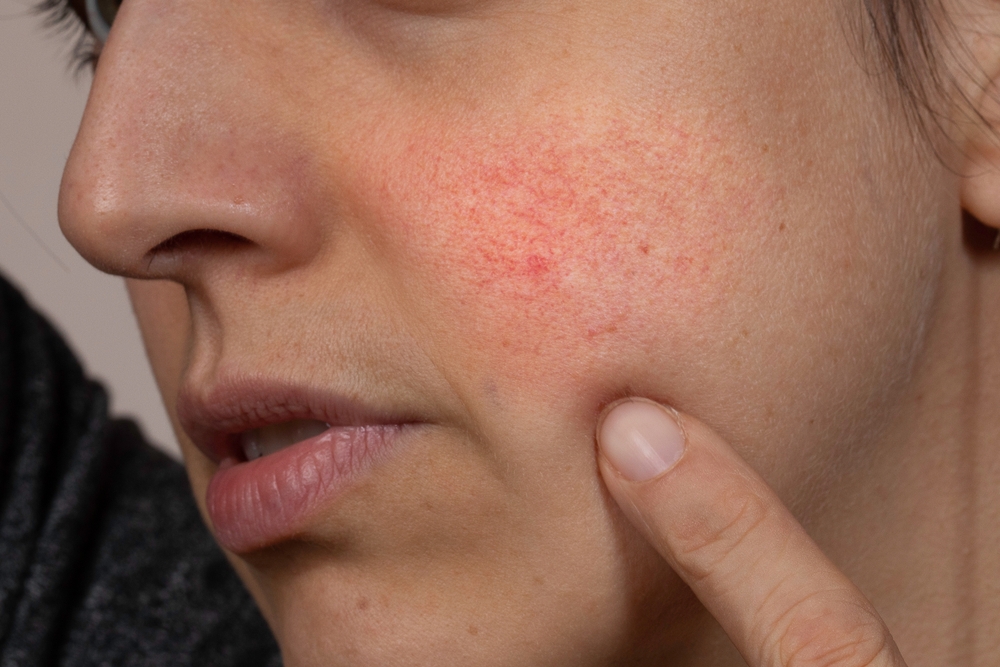
Rosacea is a chronic inflammatory skin condition that primarily affects the central face — the cheeks, nose, chin, and forehead. It is characterised by episodes of flushing, persistent redness, visible capillaries (telangiectasia), and in some cases papules and pustules that can be mistaken for acne.
The Four Subtypes
Rosacea presents differently across patients and is broadly classified into four subtypes:
- Subtype 1 (Erythematotelangiectatic): Persistent redness, flushing, and visible blood vessels
- Subtype 2 (Papulopustular): Redness with acne-like breakouts
- Subtype 3 (Phymatous): Skin thickening, most commonly affecting the nose (rhinophyma)
- Subtype 4 (Ocular): Affects the eyes, causing irritation, dryness, and sensitivity
Many patients present with a combination of subtypes. Accurate diagnosis is essential before beginning any treatment programme, as different subtypes respond to different interventions.
Common Triggers
Rosacea is a chronic condition with no permanent cure, but symptoms can be effectively managed by identifying and avoiding individual triggers. Common triggers include:
- Sun exposure
- Heat and hot beverages
- Alcohol, particularly red wine
- Spicy foods
- Stress and emotional fluctuation
- Certain skincare ingredients, particularly alcohol-based or heavily fragranced products
Rosacea in Japan: What Foreigners Should Know
Rosacea Awareness Among Japanese Practitioners
Rosacea is significantly less prevalent among East Asian populations than among those of European or Middle Eastern descent, which means Japanese dermatologists and aesthetic practitioners may have less routine exposure to managing it — particularly in its more complex presentations.
This does not mean quality care is unavailable, but it does mean that selecting a clinic with demonstrable experience in treating international patients and skin concerns common among non-Japanese skin types is important.
Language Barriers
Describing a nuanced, chronic skin condition accurately in a second language is challenging. Clinics that offer English-language consultations are strongly preferable for rosacea patients, where the accuracy of your medical history, trigger history, and previous treatment responses directly influences the treatment plan your practitioner recommends.
Skin Type Considerations
Rosacea is most common in Fitzpatrick skin types I–III — fair to medium skin tones that are prevalent among Western European, Northern European, and some Middle Eastern patient groups. Many treatment devices and protocols in Japan are optimised for East Asian skin types, so confirming that your clinic has specific experience with your skin tone and rosacea presentation is a worthwhile step.
Treatment Options for Rosacea in Japan
Topical and Prescription Treatments
For mild to moderate rosacea, prescription topical treatments remain a cornerstone of management. In Japan, dermatology clinics can prescribe:
- Metronidazole gel or cream — an anti-inflammatory topical widely used for papulopustular rosacea
- Azelaic acid — effective for reducing redness and papules, available in prescription concentrations
- Ivermectin cream — targets Demodex mites, which are associated with certain rosacea presentations
- Brimonidine gel — a topical vasoconstrictor that reduces redness for several hours after application
Availability of specific formulations may vary between clinics and pharmacies. It is worth confirming which prescription options the clinic can access before booking.
Oral Medications
For moderate to severe rosacea, particularly subtype 2 with inflammatory papules and pustules, oral treatments may be recommended:
- Low-dose doxycycline — used for its anti-inflammatory rather than antibiotic effect
- Oral antibiotics — used in short courses for acute flares
These are available through dermatology clinics in Japan and are a standard part of rosacea management internationally.
Laser and Light-Based Treatments
For subtype 1 rosacea with persistent redness and visible capillaries, laser and light-based treatments offer the most targeted and lasting improvement.
Vascular lasers and IPL (Intense Pulsed Light) These target oxyhaemoglobin in the blood vessels, selectively heating and collapsing visible capillaries while leaving surrounding tissue intact. Multiple sessions are typically required, and results can significantly reduce baseline redness and telangiectasia.
In Japan, IPL devices are widely available at aesthetic clinics, and vascular lasers — including Nd:YAG and pulsed dye lasers — are offered at specialist dermatology and aesthetic clinics.
Key considerations for laser treatment:
- Rosacea patients must avoid sun exposure before and after sessions
- Treatment should not be performed during active flares
- Practitioner experience with vascular treatments on sensitive, rosacea-prone skin is essential
LED Light Therapy
Low-level LED therapy — particularly red and near-infrared wavelengths — can support rosacea management by reducing inflammation and promoting skin barrier repair. It is frequently used as an adjunct to other treatments rather than as a standalone intervention.
Skincare and Barrier Support
For all rosacea subtypes, a simplified, barrier-focused skincare routine is foundational. Patients should prioritise:
- Gentle, fragrance-free cleansers
- Barrier-repair moisturisers containing ceramides, niacinamide, or centella asiatica
- Broad-spectrum SPF 50 daily — ideally a mineral (zinc oxide or titanium dioxide) formulation, which is less likely to trigger sensitivity than chemical filters
Many Japanese skincare brands have developed formulations well-suited to sensitive and rosacea-prone skin, which can be an unexpected benefit of seeking treatment in Japan.
What to Look for in a Rosacea Clinic in Japan
Dermatology vs Aesthetic Clinic
For rosacea with significant inflammatory or papulopustular presentations, a board-certified dermatologist is typically the most appropriate first point of contact. They can diagnose the subtype accurately and prescribe appropriate topical or oral medications.
Aesthetic clinics are more appropriate once the condition is stabilised and the patient is seeking laser or light-based treatments to address residual redness and visible vessels.
Some clinics in Japan offer both dermatology and aesthetic services under the same roof, which can be a practical option for international patients who want a comprehensive approach.
Experience with Non-Japanese Skin Types
As noted above, rosacea is significantly more prevalent among Western and Middle Eastern skin types. Ask directly whether the clinic has experience treating rosacea in non-Japanese patients, and whether their treatment protocols and devices are appropriate for your specific skin tone and presentation.
English Language Support
Given the complexity of rosacea as a condition — with its subtypes, triggers, and treatment history — English-language support is particularly important. Look for clinics that offer English consultations or have dedicated staff who can facilitate accurate communication.
Holistic Approach
Rosacea management is rarely a single-treatment solution. The most effective clinics will take a comprehensive approach — addressing both immediate symptom control and longer-term management through lifestyle guidance, skincare recommendations, and a staged treatment plan.
Selected Clinics for Rosacea Treatment in Japan
Several clinics in and around Tokyo offer rosacea-focused care with English-language support, ranging from prescription-based dermatology to laser and injection treatments.
Here are three clinics where international visitors and English-speaking residents can look into rosacea treatment in Japan.
BIANCA CLINIC
Source:BIANCA CLINIC
A Medical Beauty Clinic Built Around Whole-Person Care
BIANCA CLINIC operates two locations in central Tokyo — Omotesando and Ginza — bringing together dermatology, cosmetic surgery, and regenerative medicine under one roof.
The clinic regularly receives guests from overseas, and consultations can begin online before you even arrive in Japan.
A Layered Approach to Redness and Sensitive Skin
For rosacea, BIANCA CLINIC’s doctors may combine laser treatments such as Pico laser and CO₂ laser with REJURAN® skin-booster injections intended to improve overall skin condition, along with needle-free mesotherapy for sensitive skin.
Treatment plans are determined based on individual assessment of each patient’s skin condition.
English Support
English-language consultations, bookings, and aftercare communication are available, and the clinic also runs a WhatsApp contact channel for international patients.
How to Book
Appointments can be requested through the clinic’s website or via WhatsApp ahead of your trip.
| Address | Ginza:12F ONE GINZA, 1-8-19 Ginza, Chuo-ku,Tokyo
BIANCA Cosmetic Surgery & Medical Spa(Omotesando): Minami-Aoyama 511 Building, 5-11-10 Minami-Aoyama, Minato-ku, Tokyo |
| Phone Number | Ginza: 050-3196-4834(+81-50-3196-4834)
BIANCA Cosmetic Surgery & Medical Spa(Omotesando): 050-1807-1593)+81-50-1807-1593 |
| Business Hours | 10:00 AM –7:00 PM |
| Holiday | Irregular |
| Access | Ginza:A 4-minute walk from Ginza Station on the Tokyo Metro Ginza Line. A 1-minute walk from Exit 7 of Ginza-itchome Station on the Tokyo Metro Yurakucho Line. A 3-minute walk from Exit 3 of Kyobashi Station on the Tokyo Metro Ginza Line. An 8-minute walk from the Kyobashi Exit of JR Yurakucho Station. BIANCA Cosmetic Surgery & Medical Spa(Omotesando):A 5-minute walk from Omotesando Station(Tokyo Metro Ginza, Hanzomon, and Chiyoda Lines), Exit B1 |
Meguro Chen Dermatology Clinic
Specialist Dermatology Care Near Meguro Station
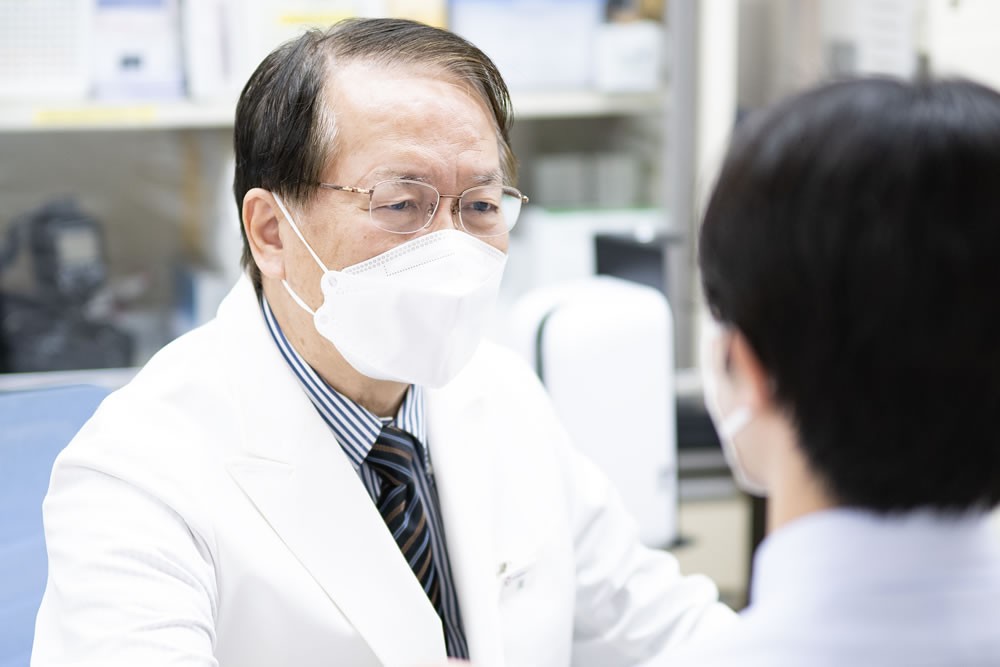
This clinic is led by Dr. Chen Ko-Ron, a dermatologist who trained at Keio University School of Medicine and later completed a research fellowship in dermatology at the Mayo Clinic in the United States. The clinic treats general skin conditions as well as more complex cases, including rosacea, atopic dermatitis, and cutaneous vasculitis.
A Step-by-Step, Lifestyle-Aware Approach to Rosacea
The clinic describes rosacea as progressing through identifiable stages, and care may include oral tetracycline, topical metronidazole or ivermectin, and a microscopic skin check for Demodex mite involvement, paired with guidance on sun exposure, alcohol, and diet.
English Support
Among the clinic’s physicians, Dr. Chen can see patients in English. Phone inquiries, however, may not always be answered in English.
How to Book
First-time visitors should reserve by phone and bring a Japanese health insurance card if they have one. Online booking becomes available after your first visit.
Meguro Chen Dermatology Clinic
| Address | Shinyo-CK Building 6F, 3-3-5 Kami-Ohsaki, Shinagawa-ku, Tokyo |
| Phone Number | 03-5421-2651 |
| Business Hours | Mon/Tue/Thu/Fri 9:30–13:00 & 15:00–17:30; Wed 9:30–13:00 only |
| Holiday | Wed afternoon, Sat, Sun, national holidays |
| Access | 4-min walk from Meguro Station |
Kamakura Kamarin Skin Clinic
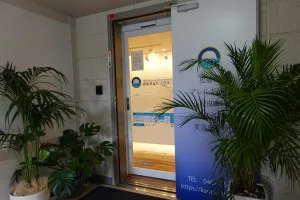
Source:Kamakura Kamarin Skin Clinic
Dermatology Care Steps from Kamakura Station
Located a short walk from Kamakura Station’s East Exit, near the Ni-no-Torii gate, this clinic covers dermatology, allergy care, pediatric dermatology, plastic surgery, and aesthetic dermatology, and the clinic’s website also has an English-language version.
Steady, Lifestyle-Based Rosacea Management
The clinic describes rosacea as a long-term condition causing redness mainly on the nose, cheeks, and forehead. Treatment centers on anti-inflammatory topical medication, supported by lifestyle advice. Laser treatment and other options not covered by insurance are also available for those who want them.
English Support
An English-language information page is available.
How to Book
Appointments can be made through the online booking system, or patients may visit without a reservation, though some waiting time should be expected.
| Address | 2-15-11 Komachi, Kamakura-city, Kanagawa |
| Phone Number | 0467-25-1255 |
| Business Hours | Mon/Tue/Thu 9:15–12:15 & 14:15–17:15; Wed 13:00–19:00; Sat 8:30–11:30 |
| Holiday | Friday, Sunday, national holidays |
| Access | 3-min walk from Kamakura Station East Exit |
Frequently Asked Questions
Can rosacea be cured?
Rosacea is a chronic condition with no permanent cure, but it can be effectively managed. With the right combination of prescription treatments, laser or light therapy, and lifestyle adjustments, most patients achieve significant and sustained improvement in their symptoms.
Is rosacea common in Japan?
Rosacea is significantly less common among East Asian populations than among those of European or Middle Eastern descent. As a result, Japanese practitioners may have less routine experience managing it, making clinic selection particularly important for international patients.
How many laser sessions will I need for rosacea?
The number of sessions depends on the severity of redness and the number of visible capillaries. Most patients with subtype 1 rosacea require three to five IPL or vascular laser sessions, spaced four to six weeks apart, for meaningful improvement. Maintenance sessions every six to twelve months are often recommended.
Can I get rosacea treatment in Japan as a tourist?
Yes. Many aesthetic and dermatology clinics in Tokyo and other major cities accept international patients for single or multiple sessions. If you are visiting for a limited time, it is advisable to book a consultation in advance and discuss what can realistically be achieved within your available timeframe.
Will Japanese skincare products help with rosacea?
Many Japanese skincare brands produce gentle, minimalist formulations that are well-suited to sensitive and rosacea-prone skin. However, skincare alone cannot manage rosacea — it supports treatment outcomes but should be used alongside appropriate medical intervention rather than as a substitute for it.
Final Thoughts
Rosacea is a manageable condition, but it requires an informed, multi-faceted approach — and finding the right clinic in Japan as a foreign patient takes a little more research than for more common aesthetic concerns.
The good news is that effective options exist: from prescription topicals and oral treatments to IPL and vascular laser therapy.
The key is finding a clinic with experience treating non-Japanese skin types, strong English-language support, and a practitioner who understands the chronic, nuanced nature of rosacea rather than treating it as a straightforward cosmetic concern.
With the right care in place, significant and lasting improvement is achievable — wherever you are in Japan.
| ・This website provides general knowledge about aesthetic medicine from a neutral perspective as much as possible. Please note that the information is not intended to encourage self-diagnosis. Be sure to check the official website of the clinic and consult each medical institution for details regarding treatment. ・This article is based on information available at the time of writing and publication. Please check the official website for the latest updates. ・If cosmetics or massage-related content is mentioned, it is not within the scope of medical supervision. |