If you’ve been struggling with stubborn brown patches on your cheeks, forehead, or upper lip, you’re not alone. Melasma — one of the most common and frustrating forms of hyperpigmentation — affects millions of people worldwide, and it can be notoriously difficult to treat.
For many international visitors and residents, melasma treatment in Japan has become a compelling option, and for good reason.
Japan has long been at the forefront of aesthetic medicine. Its dermatology clinics combine cutting-edge laser technology with a culture that places enormous value on clear, even-toned skin. The result is a treatment ecosystem that is both sophisticated and deeply experienced in managing conditions like melasma, dark spots, and pigmentation disorders.
This guide walks you through everything a foreign patient needs to know: what melasma actually is, which treatments are available in Tokyo, what to realistically expect from a clinic visit, and how much you should budget.


INDEX
- What Is Melasma — and Why Is It So Difficult to Treat?
- Why Choose Japan for Melasma Treatment?
- Melasma Treatments Available in Japan
- How Japanese Clinics Diagnose Melasma and What to Expect During Your Visit
- Cost of Melasma Treatment in Japan and Tips for Foreign Patients
- Frequently Asked Questions About Melasma Treatment in Japan
- Conclusion
What Is Melasma — and Why Is It So Difficult to Treat?
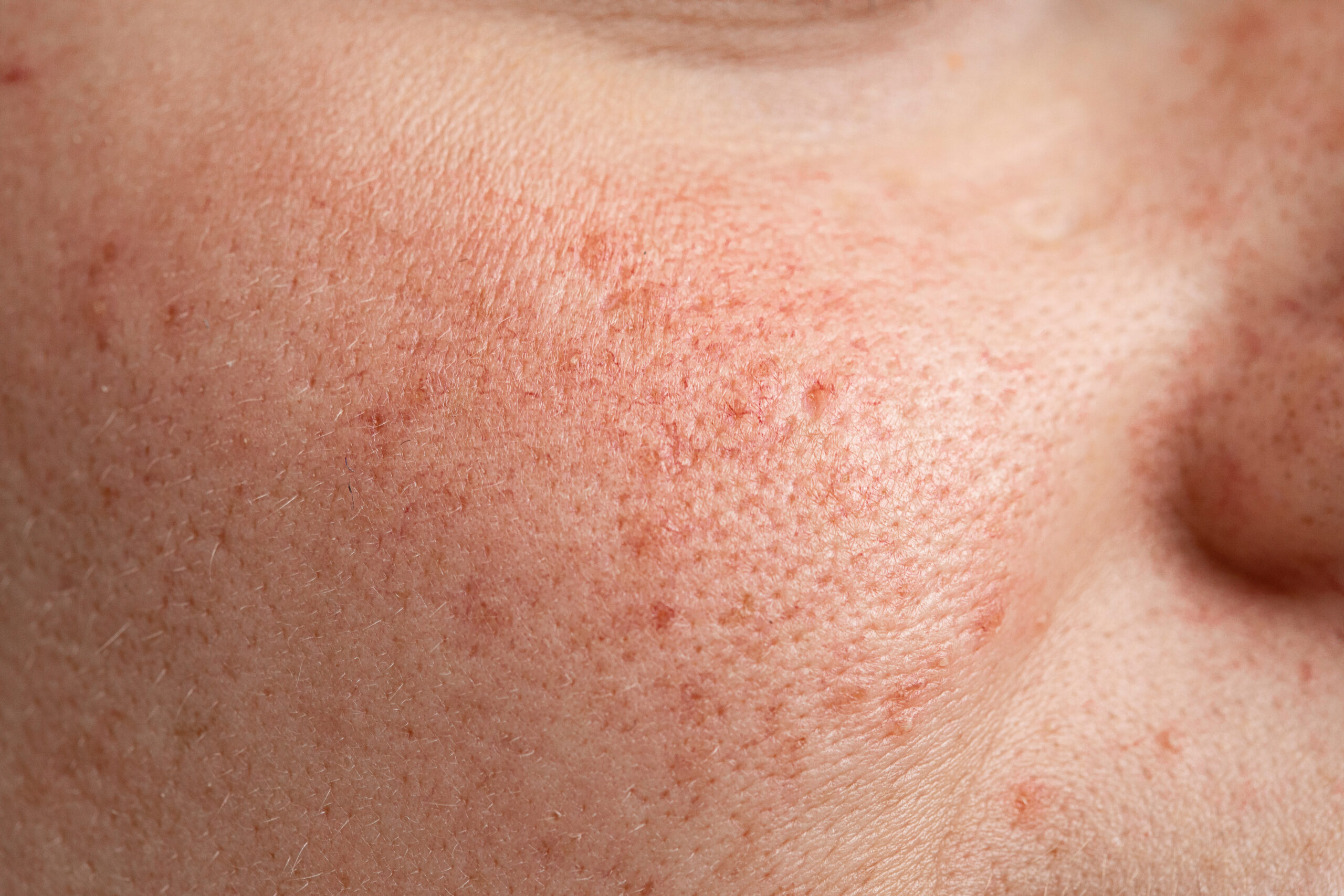
Melasma (also called chloasma) is a chronic skin condition characterized by symmetrical patches of brown or gray-brown pigmentation, most often appearing on the cheeks, nose bridge, forehead, chin, and upper lip.
It is far more common in women, particularly those with medium to dark skin tones, and is strongly linked to hormonal fluctuations.
Common Triggers
- Sun exposure (UV radiation)
- Hormonal changes (pregnancy, birth control pills, hormone therapy)
- Genetic predisposition
- Heat and inflammation
- Certain skincare products or medications
Types of Melasma
Understanding which type of melasma you have is critical, because it determines which treatments will work:
| Type | Location | Appearance | Treatment Response |
| Epidermal | Superficial skin layers | Brown, well-defined | Responds well to laser and topicals |
| Dermal | Deeper dermis | Gray-brown, less defined | More challenging; needs combination therapy |
| Mixed | Both layers | Variable | Most common; requires multi-modal approach |
What makes melasma particularly tricky is that it sits at the intersection of hormonal, UV, and inflammatory triggers. Treat aggressively and you can cause post-inflammatory hyperpigmentation (PIH), making the skin appear darker than before.
This is why experienced dermatologists and the gentle, methodical approach of Japanese clinics are so valuable.
Why Choose Japan for Melasma Treatment?

Advanced Laser Technology — Used Conservatively
Japan’s aesthetic clinics were early adopters of pico laser technology, and they have refined their protocols specifically for Asian skin types, which are more prone to PIH.
Japanese dermatologists tend to use lower fluence (energy) settings across multiple sessions rather than aggressive single treatments — an approach that minimizes rebound pigmentation.
Deep Experience With Asian Skin Tones
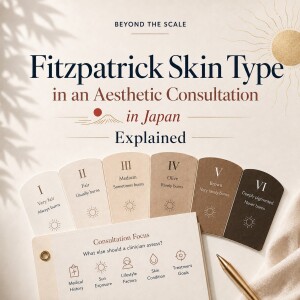
Melasma disproportionately affects people with Fitzpatrick skin types III–V (medium to darker tones).
Japanese clinics treat this demographic daily, giving their physicians unmatched clinical experience with the exact skin types most vulnerable to melasma complications.
Combination Protocols Are Standard
Rather than relying on a single treatment, Japanese clinics routinely combine laser toning, oral tranexamic acid, topical hydroquinone, and chemical peels into a holistic protocol.
This multi-modal approach consistently produces better results for melasma than any single modality alone.
High Standards of Care
Japan’s medical and cosmetic industry is tightly regulated. Devices and ingredients must be approved by the Ministry of Health, Labour and Welfare (MHLW), and clinics operate under strict hygiene and safety standards.
Melasma Treatments Available in Japan
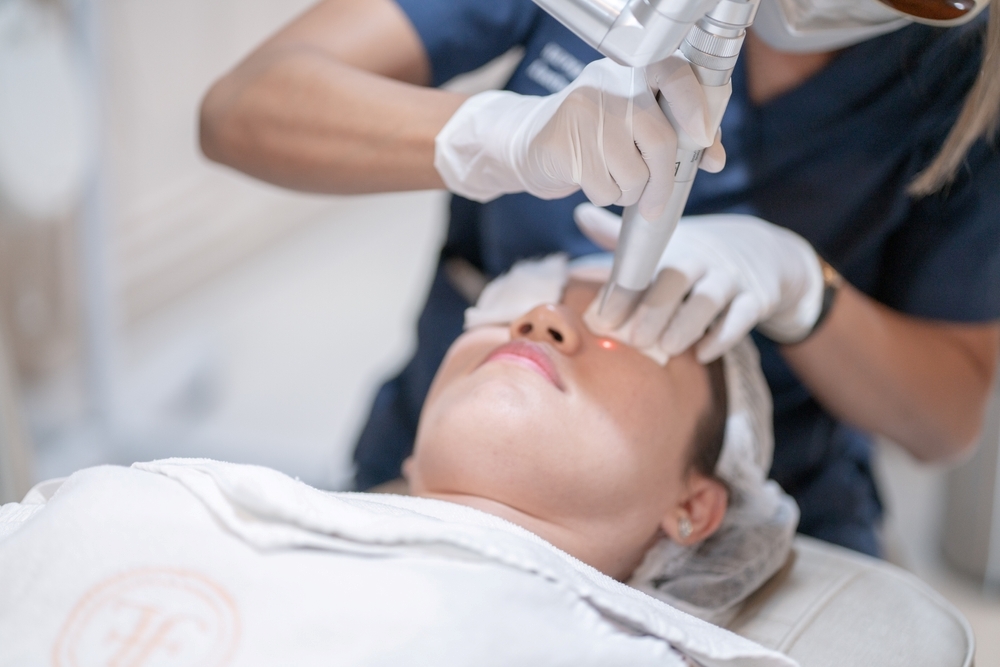
Pico Laser (Pico Toning / Pico Spot)
Pico laser is the current gold standard for melasma treatment in Tokyo.
Unlike older Q-switched nanosecond lasers, pico lasers deliver energy in picoseconds (one trillionth of a second), shattering melanin particles with minimal thermal damage to surrounding tissue.
Two modes are commonly used:
- Pico toning: Low-fluence, full-face irradiation to gradually brighten overall pigmentation. Recommended for diffuse melasma.
- Pico spot: Targeted, higher-energy pulses for individual dark spots and freckles.
Popular devices in Tokyo clinics include PicoSure (FDA and MHLW approved), PicoWay, and domestically developed systems.
Most patients require 4–6 sessions spaced 3–4 weeks apart for optimal melasma improvement.
Downtime: Minimal. Mild redness for 24–48 hours.
Laser Toning (Low-Fluence Q-Switch Nd:YAG)
Before pico lasers became widespread, laser toning using low-fluence Q-switched Nd:YAG lasers was (and remains) one of the most popular melasma treatments in Japan.
The low energy setting prevents triggering additional melanocyte activity, making it safer for melasma than standard-fluence laser.
Many clinics still use laser toning as part of a combination approach, particularly when a more gradual brightening effect is desired.
Downtime: None to minimal.
Oral and IV Tranexamic Acid
Tranexamic acid is one of Japan’s most significant contributions to melasma management. Originally developed as a clotting agent, doctors discovered it inhibits the interaction between keratinocytes and melanocytes, effectively reducing melanin production at its source.
In Japan, it is prescribed in three forms:
- Oral tablets (standard dosage: 500–750 mg/day) — the most widely used form for melasma maintenance
- IV drip infusions — available at many cosmetic clinics, offering faster systemic delivery
- Topical serums — applied directly to pigmented areas
Tranexamic acid is particularly effective for hormonal melasma and is commonly combined with laser sessions for sustained results.
Hydroquinone and Tretinoin (Topical Therapy)
Hydroquinone (2–4%) remains the benchmark topical for melasma.
It works by inhibiting tyrosinase, the enzyme responsible for melanin synthesis. In Japan, prescription-strength hydroquinone must be obtained through a dermatologist or cosmetic clinic.
Often combined with tretinoin (a vitamin A derivative that accelerates cell turnover) and a topical steroid, this trio — sometimes called the Kligman formula — has decades of clinical evidence behind it.
Note: Hydroquinone requires careful supervision, as overuse can paradoxically cause darkening (ochronosis) in rare cases.
Chemical Peels
Chemical peels using glycolic acid, lactic acid, salicylic acid, or Jessner’s solution are used to exfoliate the outermost skin layers and interrupt the melanin pathway.
In Japan, a proprietary treatment called the Reverse Peel (offered at Elm Clinic and others) combines multiple peeling agents with brightening ingredients for targeted pigmentation improvement.
Peels are typically used as adjunct therapy alongside laser treatments rather than as a standalone melasma solution.
Downtime: 2–7 days depending on peel depth.
Thermoneedle RF (Radiofrequency Microneedling)
A newer approach available at select Tokyo clinics, Thermoneedle delivers radiofrequency energy via ultra-fine microneedles directly into the dermis.
This restructures the skin’s basement membrane and calms overactive melanocytes without surface laser exposure — making it an option for patients with very reactive skin who cannot tolerate laser.
Iontophoresis and Vitamin C Infusion
Many clinics offer vitamin C iontophoresis — using a gentle electrical current to push vitamin C (a natural melanin inhibitor) deeper into the skin.
While not a primary treatment for significant melasma, it complements other therapies and is popular for skin brightening maintenance.
How Japanese Clinics Diagnose Melasma and What to Expect During Your Visit

A reputable Tokyo clinic will not simply look at your skin and begin laser treatment. Expect:
Consultation and Medical History
Clinics typically ask about medications, hormonal status, and prior treatments before recommending a melasma protocol.
Wood’s Lamp Examination
A Wood’s lamp uses ultraviolet light to help distinguish epidermal pigmentation from deeper dermal melasma.
Skin Analysis Device Imaging
Many clinics use Visia or similar systems to map pigmentation depth.
Patch testing may also be performed if prescription topicals are recommended.
Treatment Plan and First Session
Step 1: Booking
Most clinics allow online booking in English. Bring any medical records or documentation of prior treatments, including topical products you are currently using.
Step 2: Consultation
A doctor will examine your skin, discuss your medical history, and may photograph your face under a skin analysis device. This typically takes 20–30 minutes.
Step 3: Treatment Plan
The doctor will recommend a protocol — often starting conservatively with laser toning or low-fluence pico toning plus oral tranexamic acid, scaling up based on your skin’s response over several sessions.
Step 4: First Session
Laser sessions for melasma are generally quick (15–30 minutes including prep). A numbing cream may be applied for comfort. You will notice mild warmth or tingling during the procedure. Redness typically fades within hours to a day.
Post-Care Instructions and Follow-Up Sessions
Rigorous sun protection is non-negotiable. Clinics will prescribe or recommend SPF 50+ sunscreen and, in many cases, dispense prescription topicals to use between sessions.
Melasma is a chronic condition. Most protocols run for 3–6 months, with maintenance sessions thereafter. Your doctor will reassess pigmentation at each visit and adjust accordingly.
Cost of Melasma Treatment in Japan and Tips for Foreign Patients

Approximate Treatment Costs
Pricing varies significantly by clinic, treatment type, and number of sessions. Broad estimates:
| Treatment | Approximate Cost Per Session |
| Pico laser toning (full face) | ¥15,000 – ¥40,000 |
| Laser toning (Q-switch Nd:YAG) | ¥8,000 – ¥20,000 |
| Chemical peel | ¥10,000 – ¥25,000 |
| Oral tranexamic acid (1 month) | ¥2,000 – ¥5,000 |
| IV tranexamic acid drip | ¥10,000 – ¥30,000 |
| Thermoneedle RF | ¥30,000 – ¥80,000 |
Insurance Coverage in Japan
Important note: Melasma treatment in Japan is generally not covered by national health insurance (kokumin kenko hoken), as it falls under cosmetic dermatology.
Some clinics offer package deals for multiple sessions, which can reduce the per-session cost significantly.
Book a Consultation First
Book a consultation first, not a treatment. A single consultation session lets you assess the clinic, confirm English support, and get a tailored plan before committing to a full protocol.
Be Realistic About Timelines
Be realistic about timelines. Melasma responds slowly. Visible improvement typically takes 8–12 weeks with consistent treatment. Anyone promising dramatic results in one session is a red flag.
Disclose All Medications
Oral contraceptives, hormone therapy, and certain antibiotics may affect both melasma severity and laser safety.
Start Sun Protection Immediately
Regardless of when your first appointment is, begin using broad-spectrum SPF 50+ sunscreen daily. UV exposure can undermine any melasma treatment.
Avoid Heat and UV Exposure
Avoid heat. Hot yoga, saunas, and intense exercise can trigger melanocyte activity. Minimize heat exposure between sessions.
Consider treatment timing. The autumn and winter months (October–February) are ideal for laser treatment in Japan, as lower UV index reduces the risk of post-treatment sun exposure.
Frequently Asked Questions About Melasma Treatment in Japan

Can I get melasma treatment in Japan as a tourist?
Yes. Most private cosmetic clinics welcome foreign patients and do not require Japanese residency or a local health insurance card, since these are out-of-pocket cosmetic treatments.
How many sessions will I need?
Most patients see meaningful improvement after 4–6 sessions. Melasma is a chronic condition, and maintenance sessions every 2–3 months are often recommended long-term.
Is pico laser safe for dark skin tones?
When used at appropriate settings by an experienced clinician, pico laser is generally safe for Fitzpatrick types III–V. Japanese clinics are particularly experienced with these skin tones. Always discuss your skin type explicitly at consultation.
Is melasma treatment in Japan covered by insurance?
No. Cosmetic dermatology treatments are self-pay in Japan. Some clinics offer installment payment options or seasonal package discounts.
What is the difference between melasma and age spots?
Melasma typically appears in symmetric patterns triggered by hormones and UV, often on both cheeks simultaneously.
Age spots (solar lentigines) tend to be more isolated, appear in sun-exposed areas, and are not hormonally driven.
Treatment approaches differ — which is why professional diagnosis matters.
BIANCA Cosmetic Surgery & Medical Spa (Omotesando)
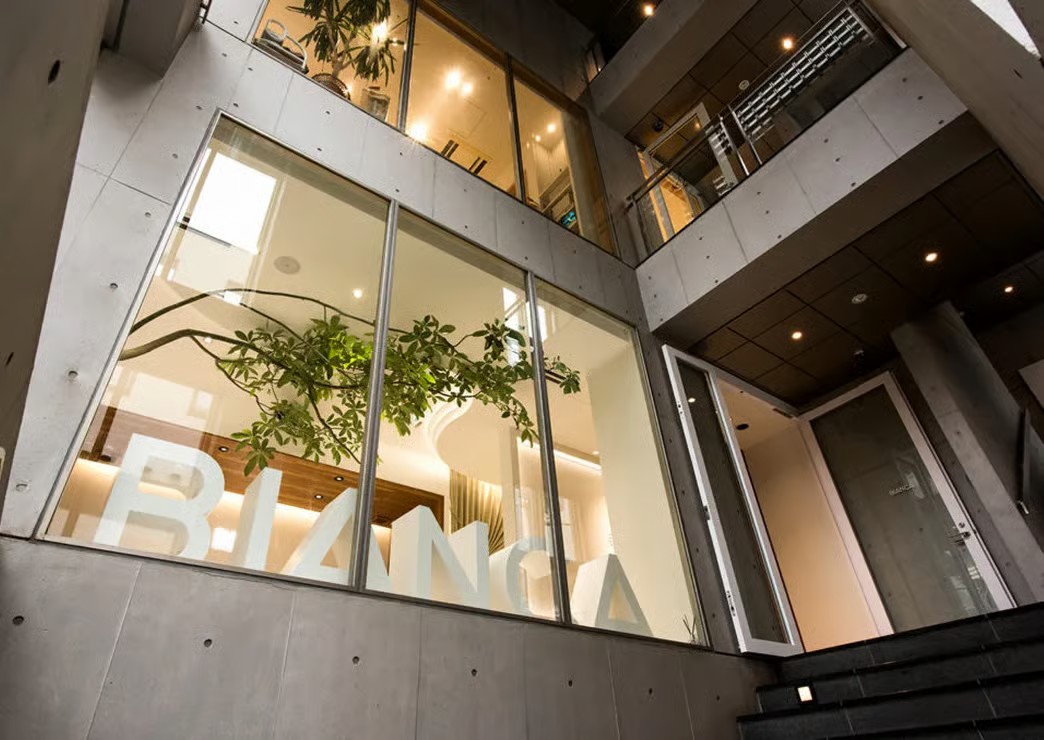
source:BIANCA CLINIC
Evidence-Based Melasma Care at Two Convenient Tokyo Locations
BIANCA CLINIC operates two locations in Omotesando and Ginza, and has treated patients from over 95 countries. The clinic takes a comprehensive approach to skin concerns, with dedicated physician consultations for each patient.
English-speaking staff are available to support international guests from inquiry through aftercare.
Melasma & Hyperpigmentation: A Multi-Treatment Approach
BIANCA’s melasma treatment program addresses all types of pigmentation — including hormonal melasma, sun-induced dark patches, and uneven skin tone — through an evidence-based combination of treatments.
Key options include Pico Laser Toning (PicoSure®), which uses low-output laser energy to reduce melanin without the worsening risk associated with conventional lasers; Pico Laser Spot Removal for discrete pigmented lesions; and Mesotherapy (MESONA-J), which delivers active brightening ingredients such as tranexamic acid and vitamin C into the dermal layer without needles.
Post-treatment aftercare may include topical brightening skincare, oral medication, and tailored skincare consultations.
English Support
English-speaking staff are available free of charge. A 24-hour WhatsApp line is available for inquiries.
How to Book
Online reservations are available at biancaclinic-tokyo.com. First-visit online bookings are accepted.
| Address | 【BIANCA Cosmetic Surgery & Medical Spa (Omotesando)】 Minami-Aoyama 511 Building, 5-11-10 Minami-Aoyama, Minato-ku, Tokyo 104-0061, Japan |
| Phone Number | 050-1807-1593 |
| Business Hours | 10:00–19:00 |
| Holiday | irregular holidays |
| Access | The Tokyo Metro Ginza Line. The Tokyo Metro Hanzomon Line. The Tokyo Metro Chiyoda Line. A 5-minutes walk from Omotesando Station B1 exit |
AZABU SKIN CLINIC
source:AZABU SKIN CLINIC
A Dermatologist with Decades of Experience Treating International Patients
AZABU SKIN CLINIC is led by Dr. Chiaki Kawashima, a board-eligible dermatologist who is a Fellow Member of the American Society for Laser Medicine and Surgery (ASLMS) and a certified Dr. Obagi and ThermaCool physician. The clinic maintains an English-language website and has a long track record of treating foreign patients across a wide range of skin types and concerns.
Melasma Treatment: Photofacial, Peeling, and Holistic Skin Management
AZABU SKIN CLINIC’s approach to melasma emphasizes that, while complete cure may be difficult, meaningful improvement is achievable through the right combination of treatments.
The clinic’s melasma menu includes I2PL Photofacial (phototherapy from Ellipse, offering wide-wavelength light therapy for overall skin quality alongside pigmentation improvement), Doctor’s Chemical Peeling (AHA/BHA/TCA), CET Thermotherapy, and oral medication such as vitamin C and tranexamic acid, as well as topical hydroquinone.
The clinic also notes that high-energy spot lasers are not suitable for melasma and may worsen pigmentation — and treats accordingly. Home care products including medical-grade whitening lotions and vitamin C serums are also available.
English Support
The clinic operates a full English-language website. Inquiries can be made via LINE or the web contact form.
How to Book
Book via the consultation form at azabu-skinclinic.com/english/contactus/ or call during business hours.
| Address | 6-F Precious#18 Building 4-14-6 Minami-Azabu,minato-ku, Tokyo |
| Phone Number | 03-5420-1884 |
| Business Hours | 10:00 – 19:00 Wednesday: 11:00 – 20:00 |
| Closed | Monday/Tuesday |
| Access | 6minute from Hiro-o st (Tokyo Metro HIBIYA Line 1 gate) |
REJUVA MEDICAL CLINIC
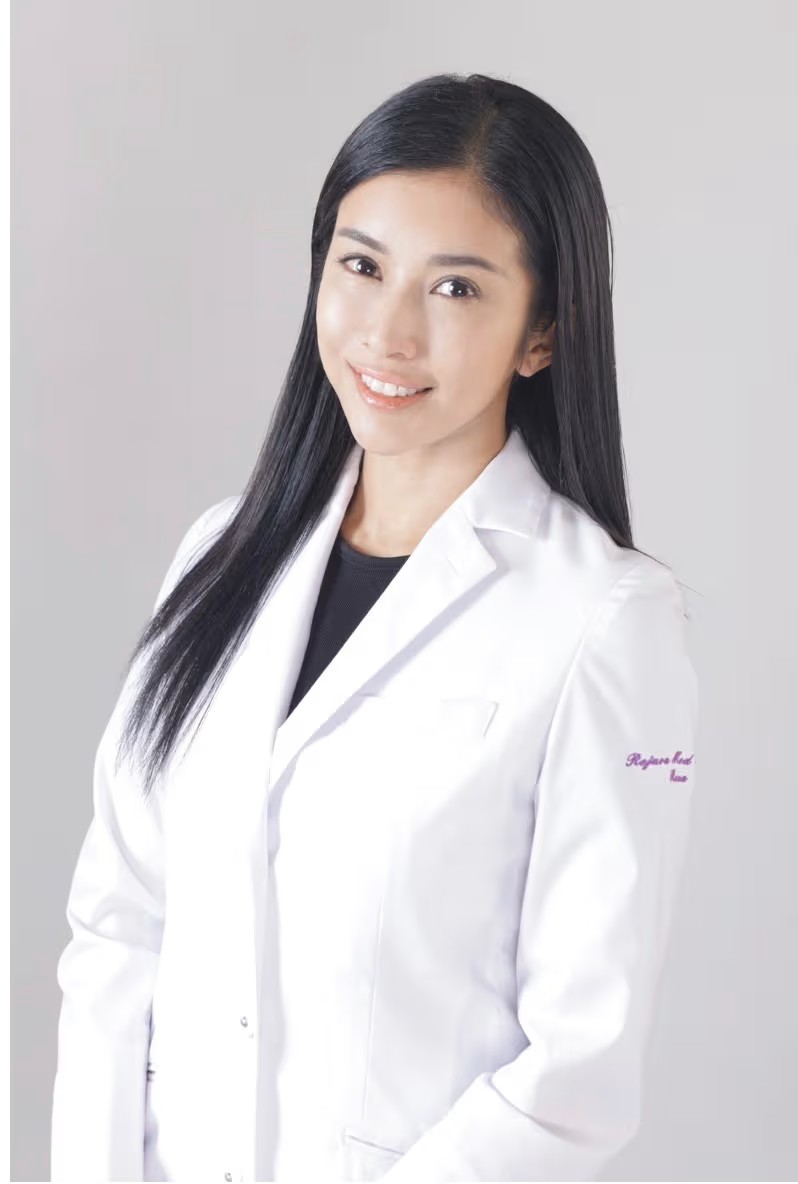
source:REJUVA MEDICAL CLINIC
A Fully Private, Appointment-Only Clinic with a Fluent English-Speaking Director
REJUVA MEDICAL CLINIC is located 3 minutes on foot from Omotesando Station (Exit B2) and operates as a fully private, single-patient appointment-only clinic. The clinic director, Dr. Hirata, conducts all consultations directly in native-level English with no interpreter required.
Melasma & Pigmentation: Pico Laser, IPL, and Sylfirm X
REJUVA’s melasma and pigmentation treatments include Pico Toning using the Discovery Pico Laser, designed to address melasma, spots, and dullness with ultra-short pulse picosecond energy; Lumecca IPL, a high-power IPL device noted for covering a wide range of concerns including spots, freckles, and redness; and Sylfirm X, an advanced microneedle RF treatment described as safe for diverse skin types with minimal downtime and specifically indicated for melasma, pores, acne scars, and redness. A combined Milano RePeel + Lumecca IPL option is also available.
English Support
Dr. Hirata, clinic director, speaks fluent native-level English. Consultations are conducted directly in English. English replies to LINE and web inquiries are guaranteed.
How to Book
Book via LINE (ID: @rejuva), the web form at rejuva.jp/en/contact, or call. Same-day consultations may be available depending on availability.
| Address | 3-7-19 Minamiaoyama, Minato-ku, Tokyo 107-0062 |
| Phone Number | 03-6434-7323 |
| Business Hours | 9:00–18:00 |
| Closed | MSundays & Public Holidays |
| Access | A 3-min walk from Omotesando Station. Exit B2 (Tokyo Metro Ginza / Chiyoda / Hanzomon Lines) |
Conclusion
For foreigners seeking effective, safe, and sophisticated melasma treatment, Tokyo clinics offer a compelling combination: advanced pico laser technology, proven pharmaceutical protocols like tranexamic acid, experienced dermatologists deeply familiar with Asian skin types, and an increasing number of English-friendly services.
The key to success is choosing the right clinic, committing to a multi-session protocol, and maintaining strict sun protection throughout. Japan’s methodical, evidence-based approach to cosmetic dermatology — less aggressive, more consistent — is precisely what melasma responds to best.
If you are also dealing with isolated dark spots or post-acne marks alongside melasma, see our guide to [dark spot removal in Tokyo] for treatments targeting PIH, freckles, and age spots specifically.
| ・This website provides general knowledge about aesthetic medicine from a neutral perspective as much as possible. Please note that the information is not intended to encourage self-diagnosis. Be sure to check the official website of the clinic and consult each medical institution for details regarding treatment. ・This article is based on information available at the time of writing and publication. Please check the official website for the latest updates. ・If cosmetics or massage-related content is mentioned, it is not within the scope of medical supervision. |