Not everyone who searches for botox wants the fully frozen look.
A growing proportion of people seeking treatment — particularly those in their mid-20s to late 30s — want something more precise: the muscle activity softened, not switched off.
The lines smoothed, not erased.
Expressions still readable.
That is what baby botox delivers.
The term “baby botox” has spread rapidly as a search query because it names something patients have wanted for years but struggled to articulate at a clinic consultation.
It is not a separate product or a proprietary brand — it is an approach: smaller doses of the same botulinum toxin, placed more strategically, with the explicit goal of preserving natural movement while reducing the appearance of lines.
In Tokyo, this approach is not just available — it is arguably the default.
Japan’s aesthetic philosophy has always favored subtlety and what practitioners here call 自然に (shizen ni, “naturally”).
The injectors who thrive in Tokyo’s cosmetic market have developed their technique around conservative dosing and expression preservation.
For foreigners seeking baby botox specifically, that cultural alignment is a genuine practical advantage.
This guide covers what baby botox is, who it works for, how it is administered, what it costs at English-speaking Tokyo clinics, and how to identify top providers.


INDEX
- What Baby Botox Actually Is
- Who Baby Botox Is Designed For
- Treatment Areas for Baby Botox in Tokyo
- Baby Botox vs Regular Botox: The Practical Differences
- How Baby Botox Is Administered at Tokyo Clinics
- How to Identify Top Providers for Baby Botox in Tokyo
- Cost of Baby Botox in Tokyo
- Tips for Foreigners Getting Baby Botox in Tokyo
- Frequently Asked Questions
- Clinics in Tokyo for Baby Botox (English Support)
- Conclusion
What Baby Botox Actually Is
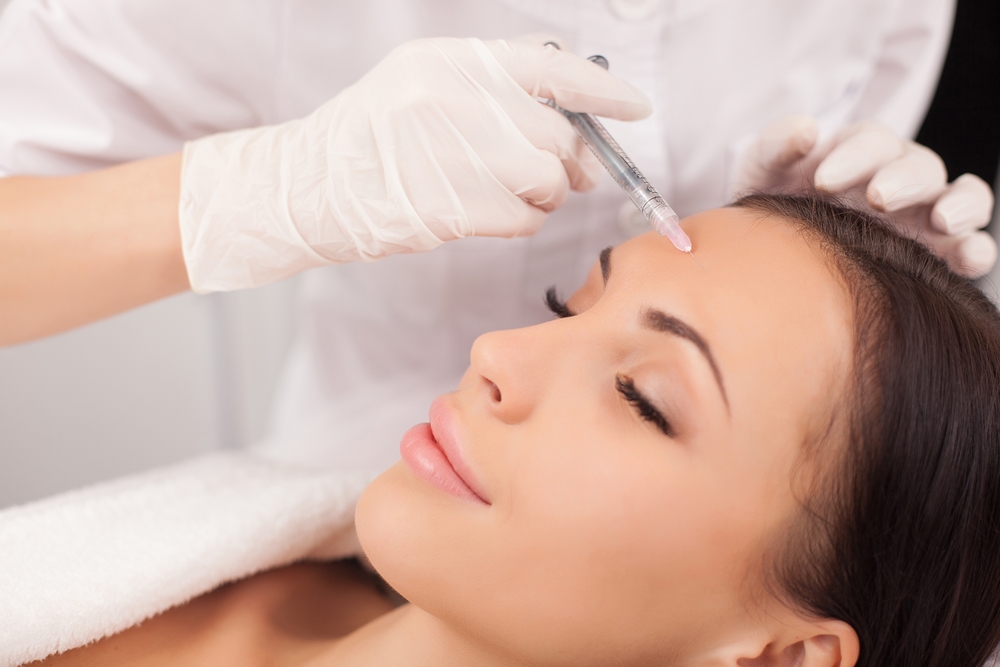
Baby botox uses the same active ingredient as standard botox — botulinum toxin type A, sold under brand names including Botox Vista (Allergan), Dysport (Galderma), and Xeomin (Merz) — but at a reduced dose per treatment area.
Standard botox protocols were originally developed for therapeutic use (treating muscle spasms, hyperhidrosis) and adapted for cosmetic application.
The doses that reliably eliminate wrinkles also tend to significantly restrict muscle movement.
Baby botox is a deliberate departure from that paradigm: by using fewer units, delivered with higher precision, the practitioner relaxes the treated muscle partially rather than completely.
The result is a face that moves, reacts, and reads as emotionally expressive — but where the skin above the muscle shows less bunching, creasing, and line formation during that movement.
The forehead can still rise when you raise your eyebrows.
The frown lines soften rather than disappear.
Crow’s feet diminish without the eye area becoming stationary.
Baby botox is not:
- A diluted or inferior product — the toxin itself is identical
- A single standardised protocol — “baby botox” describes a philosophy of dosing, not a fixed number of units
- Suitable as a solution for deep, static lines (wrinkles visible at rest, not only during movement)
It is worth being explicit about the last point.
Baby botox addresses dynamic wrinkles — those caused by repeated muscle movement.
Wrinkles that are visible even when your face is completely relaxed require either higher-dose botox, filler, or resurfacing treatments to improve significantly.
A honest consultation at a Tokyo clinic should identify which category your concerns fall into.
Who Baby Botox Is Designed For
Preventive patients in their 20s and 30s
Baby botox has a strong following among patients who are not yet significantly wrinkled but want to slow the formation of lines before they become established.
The logic is clinical: wrinkles form through repeated muscle contraction creasing the skin.
Reducing that contraction early reduces the cumulative crease that eventually becomes a permanent line.
Conservative dosing is appropriate here because the goal is prevention, not correction.
First-time botox patients
For anyone approaching botox for the first time, starting conservatively is simply smart.
Baby botox allows a patient to assess how their face responds to treatment, how they feel about the changes, and whether they want more or less at subsequent sessions — without committing to a fully treated result from session one.
The touch-up model (a lower initial dose followed by a small addition two weeks later if needed) is common at reputable Tokyo clinics and aligns naturally with the baby botox approach.
Patients prioritising expression and authenticity
Some patients have tried full-dose botox and found the result too static.
Others are in professions — performance, teaching, public-facing roles — where expressive faces are professionally important.
Baby botox allows the treatment to co-exist with an active face rather than replacing it.
Asian beauty aesthetic preferences
There is a well-documented cultural preference in Japan and much of East Asia for cosmetic results that are undetectable — enhancement that colleagues, friends, and family cannot identify as having happened.
Baby botox’s subtlety aligns precisely with this aesthetic.
Tokyo injectors are experienced with patients who frame their goal as “I don’t want anyone to notice I’ve had anything done.”
Treatment Areas for Baby Botox in Tokyo
Baby botox can be applied wherever standard botox is used — but with reduced units per site, the clinical decision of where to treat and in what sequence is more important.
| Area | What It Addresses | Typical Units (Standard) |
Typical Units (Baby Botox) |
| Forehead | Horizontal lines when raising eyebrows | 10–20 units | 4–10 units |
| Glabella (frown / “11 lines”) | Vertical lines between brows | 15–25 units | 8–15 units |
| Crow’s feet | Lines at outer eye corners | 8–15 units per side | 4–8 units per side |
| Lip flip | Upper lip eversion; subtle definition | 2–6 units | 2–4 units |
| Bunny lines | Diagonal lines on nose bridge | 4–8 units | 2–4 units |
| Brow lift | Subtle elevation of the outer brow tail | 2–4 units | 1–3 units |
| Chin dimpling | Cobblestone texture on chin | 4–8 units | 2–4 units |
| Platysma / neck bands | Vertical neck bands, jawline | 15–30 units | 8–15 units |
Unit counts are approximate and vary by patient anatomy, product brand, and practitioner technique.
The most common baby botox combination in Tokyo is forehead + glabella + crow’s feet — the upper face “trio” — at reduced doses across all three areas.
Total unit count for this combination in a baby botox approach typically runs 20–40 units versus 40–70 units for standard dosing of the same areas.
Baby Botox vs Regular Botox: The Practical Differences
| Baby Botox | Regular Botox | |
| Units per area | Reduced (50–70% of standard dose) | Standard clinical dose |
| Movement preserved | Yes — partial muscle relaxation | Limited — significant restriction |
| Expression readability | Full | Reduced in treated areas |
| Suitable for deep static lines | No | Better suited, though still limited |
| Duration of results | 2–3 months | 3–4 months |
| Touch-up frequency per year | 4–6 sessions | 3–4 sessions |
| All-in cost per session (Tokyo) | Lower | Higher |
| Annual maintenance cost (Tokyo) | Comparable to regular (more sessions, lower dose) | Comparable (fewer sessions, higher dose) |
| Who it suits | First-timers, preventive, expression-preservers | Established lines, patients preferring full correction |
The duration difference is the main practical tradeoff.
Baby botox wears off faster — the lower dose is metabolised sooner, and movement returns before full-dose treatment would.
Patients who value the natural-looking result typically find the more frequent maintenance acceptable.
On an annualized basis, the cost difference is modest: more sessions at lower per-session cost tends to balance against fewer sessions at higher cost.
How Baby Botox Is Administered at Tokyo Clinics
Consultation
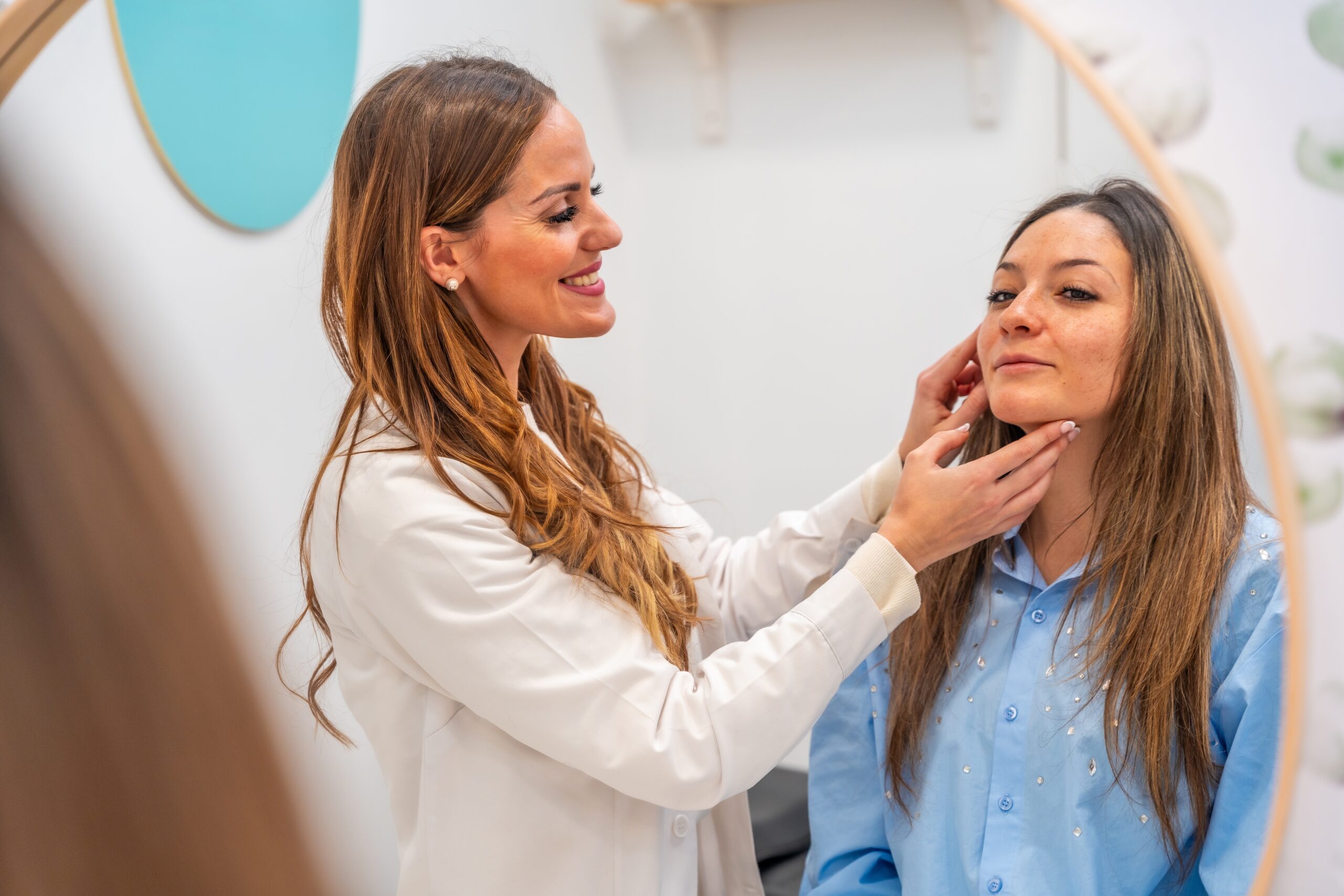
The physician assesses your facial anatomy at rest and in motion — asking you to raise your eyebrows, frown, squint, and smile.
This dynamic assessment is more important for baby botox than for standard treatment because the target is partial relaxation: the practitioner needs to understand exactly how your muscles move before deciding where and how much to reduce.
At this stage, be explicit about your goal.
Phrases that communicate the baby botox intent clearly: “I want to reduce lines without stopping movement,”
“I still want to be able to raise my eyebrows,” or “I want results that no one will notice I’ve had done.”
An experienced practitioner will calibrate accordingly.
Marking and photography
Pre-treatment photographs are taken.
The practitioner may mark injection points on the skin with a pen.
For baby botox, the injection grid is often more dispersed — smaller amounts across more points — to achieve even, subtle relaxation without creating patchy areas of over- or under-treatment.
Injection
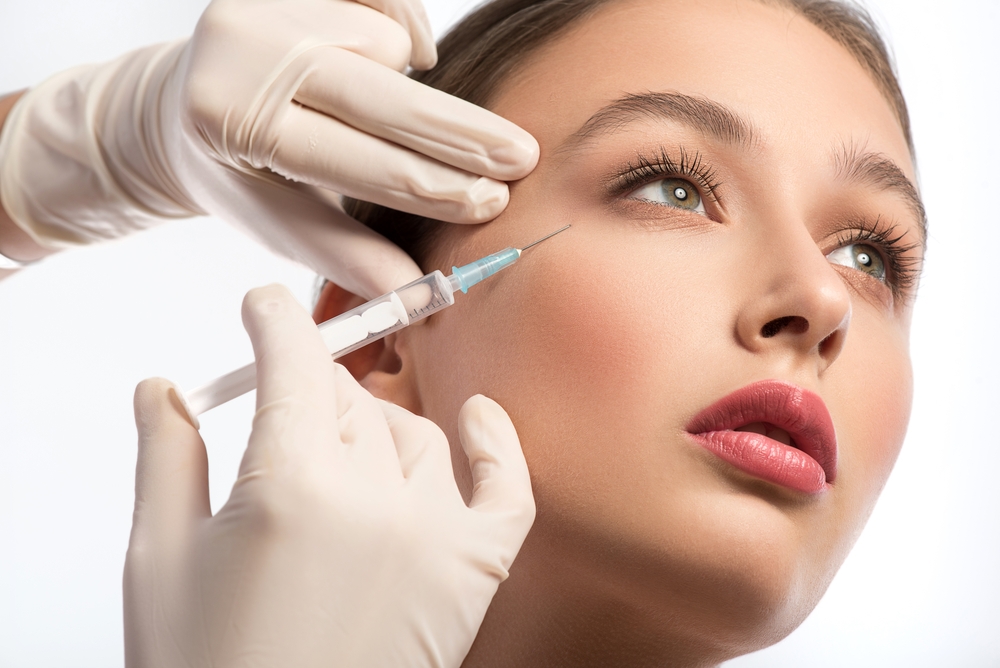
The actual injection takes 10–20 minutes.
Topical numbing cream is available on request, though many patients find the discomfort of botox injections minimal without it — the needles used are very fine.
You will feel a brief pinch at each injection point.
Post-treatment
No downtime is required.
Avoid rubbing or massaging the treated area for four hours.
Avoid strenuous exercise, saunas, and excessive heat for 24 hours (increased circulation can diffuse the toxin beyond the target site).
Do not lie face-down for four hours.
Onset and review
Baby botox results become visible over 5–7 days as the toxin takes effect.
Full results are accessible in two weeks.
Many Tokyo clinics offer a two-week review appointment — at which a small top-up can be added if the initial dose produced less effect than intended.
For first-time patients, this review visit is worth scheduling.
How to Identify Top Providers for Baby Botox in Tokyo
The “baby botox near me” and “top providers for baby botox” search queries share a specific concern: finding a practitioner experienced with conservative dosing, not just experienced with botox generally.
The distinction matters.
Signals of a practitioner experienced with conservative dosing:
- Per-unit pricing transparency.
Clinics that publish per-unit pricing are structurally more aligned with the baby botox approach — you can see exactly what reduced dosing costs.
Clinics that price only by area may default to their standard per-area dose.
- Willingness to start low and review.
Ask explicitly: “Can we start conservatively and assess at two weeks?”
A practitioner who defaults to “we’ll do the standard amount and see” is not the right fit for this goal.
- Experience with natural-results requests.
Ask whether they frequently treat patients requesting subtle, expression-preserving outcomes.
Clinics that primarily serve Japanese patients often have more experience with exactly this preference.
- Allergan or Galderma certification.
Brand certification programs include training on precision injection technique, which is relevant to the targeted dosing baby botox requires.
Red flags:
- Per-area pricing with no unit breakdown, and resistance to explaining the unit count
- Pressure to add more areas or units at the consultation
- No two-week review appointment offered for first-time patients
Cost of Baby Botox in Tokyo
Baby botox costs less per session than standard botox because fewer units are used.
In Tokyo, where many clinics price by the unit, the savings are directly calculable.
| Pricing Model | Baby Botox (per session) |
Regular Botox (per session) |
| Per-unit clinic (¥600–¥1,000/unit) | ¥12,000–¥40,000 | ¥24,000–¥70,000 |
| Per-unit clinic (¥1,500–¥2,000/unit) | ¥20,000–¥60,000 | ¥40,000–¥100,000 |
| Per-area clinic (fixed price) | Same as standard (dose not reflected in price) | ¥15,000–¥30,000/area |
| Treatment fee (added separately) | ¥2,000–¥24,000 | ¥2,000–¥24,000 |
Example: Baby botox to forehead + glabella + crow’s feet in Tokyo
- 30 units at ¥1,000/unit = ¥30,000 material
- Treatment fee: ¥10,000
- Total: ¥40,000
The same three areas at standard dosing (55 units) with the same per-unit rate would cost approximately ¥65,000.
The baby botox saving is meaningful per session, though partially offset by higher session frequency over the year.
How Tokyo compares internationally:
Baby botox using Allergan Botox Vista in Tokyo costs approximately 40–60% less per unit than equivalent treatments in major US or UK cities.
For patients combining a Tokyo trip with treatment, the savings can be significant over a year of maintenance.
Tips for Foreigners Getting Baby Botox in Tokyo
Ask for unit-based pricing before your session.
Per-unit pricing is the format most transparent for baby botox — it lets you see exactly how conservative the dose is and calculate the real cost.
If a clinic quotes only per-area pricing, ask how many units are included in that price and whether a reduced-unit option is available.
Book a two-week follow-up before you leave Japan.
If your trip allows, schedule the review appointment when you book the initial session.
First-time baby botox patients especially benefit from having a small top-up available at two weeks if needed.
Communicate your goal precisely.
“Natural,” “subtle,” and “nobody should notice” are understandable goals, but tell the practitioner specifically: “I want to still be able to raise my eyebrows fully” or “I don’t want my forehead to feel frozen.”
Concrete movement goals help the injector calibrate better than aesthetic adjectives alone.
Choose a clinic with per-unit pricing visibility.
Transparency about units is the structural indicator that a clinic treats dosing as a variable — not a fixed quantity per area — which is foundational to the baby botox approach.
Plan for more frequent visits than standard botox.
If you are visiting Tokyo specifically for baby botox, build the shorter duration into your planning.
Results last 2–3 months; for sustained maintenance, you will need to either return to Tokyo or find a comparable clinic at home between visits.
Time your appointment early in your stay.
Results onset over 5–7 days.
If you want to see the settled result before leaving, schedule the injection in the first day or two of a week-long trip — not the day before departure.
Frequently Asked Questions
Is baby botox the same product as regular botox?
Yes.
Baby botox uses the same botulinum toxin — Botox Vista, Dysport, or Xeomin depending on the clinic — as standard botox.
The difference is entirely in the dose and placement strategy, not the product itself.
“Baby botox” describes a clinical approach, not a separate injectable.
How long does baby botox last in Tokyo?
The reduced dose of baby botox is metabolised slightly faster than a standard dose.
Most patients find results last 2–3 months before muscle movement fully returns.
This is shorter than regular botox’s typical 3–4 months.
Some practitioners counter this by spacing injection points more precisely to maximise the effect of each unit, which can extend results toward the upper end of this range.
Can I get baby botox if I’ve never had botox before?
Yes — baby botox is particularly well-suited to first-time patients.
Starting conservatively lets you assess your response to treatment and the results you want without committing to a fully treated outcome.
The two-week review appointment is especially valuable for first-timers.
Will baby botox prevent wrinkles from forming?
This is the premise of “preventive botox” — and the evidence supports it directionally.
Dynamic wrinkles (caused by repeated movement) develop over years of the same muscular creasing.
Reducing that movement with regular low-dose treatment should slow the rate at which those creases become permanent, static lines.
However, preventive effects are difficult to measure precisely, and other factors (sun exposure, skin quality, genetics) also significantly determine how skin ages.
How much cheaper is baby botox in Tokyo than in the US?
Botulinum toxin in Tokyo costs roughly 40–60% less per unit than at equivalent-quality clinics in major US cities.
A baby botox session covering forehead, glabella, and crow’s feet at approximately 30 units might cost ¥35,000–¥55,000 all-in (~$235–$370 USD) at a reputable English-speaking Tokyo clinic.
The same session at a quality US clinic might run $400–$700.
The savings are meaningful, particularly for patients who maintain treatment several times a year.
Clinics in Tokyo for Baby Botox (English Support)
Several clinics in Tokyo provide English-language support and offer customized botulinum toxin treatments that may appeal to patients seeking the subtle, natural-looking results often associated with Baby Botox.
Below are three clinics that provide individualized treatment approaches and are accessible to international patients.
BIANCA Cosmetic Surgery & Medical Spa (Omotesando)
source:BIANCA CLINIC
Customized Botox Approach for Natural-Looking Results
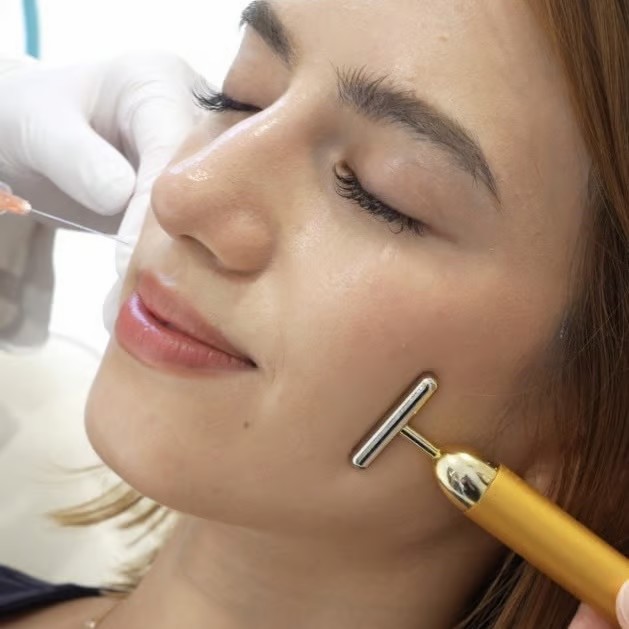
BIANCA CLINIC offers personalized botulinum toxin treatments based on each patient’s facial anatomy and aesthetic goals. The amount used and the injection sites are adjusted according to the patient’s facial muscle activity and treatment goals. Several botulinum toxin products, including Allergan’s BOTOX Vista®, are available.
Although “Baby Botox” is not listed as a separate menu, the clinic offers individualized treatments that may be suitable for patients who prefer more subtle changes.
English Support and Access
BIANCA CLINIC welcomes international patients and provides information through its English website. The clinic has two locations in central Tokyo, Ginza and Omotesando, and offers a wide range of aesthetic procedures, including hyaluronic acid fillers, thread lifts, and skin treatments.
How to Make a Reservation
Appointments can be arranged through the English website and online inquiry form. International patients are encouraged to contact the clinic in advance regarding consultation availability and treatment plans.
| Address | 【BIANCA Cosmetic Surgery & Medical Spa (Omotesando)】 Minami-Aoyama 511 Building, 5-11-10 Minami-Aoyama, Minato-ku, Tokyo 104-0061, Japan |
| Phone Number | 050-1807-1593 |
| Business Hours | 10:00–19:00 |
| Holiday | irregular holidays |
| Access | The Tokyo Metro Ginza Line. The Tokyo Metro Hanzomon Line. The Tokyo Metro Chiyoda Line. A 5-minutes walk from Omotesando Station B1 exit |
ELM CLINIC
source: Elm Clinic
Anatomy-Based Customized Botox Design
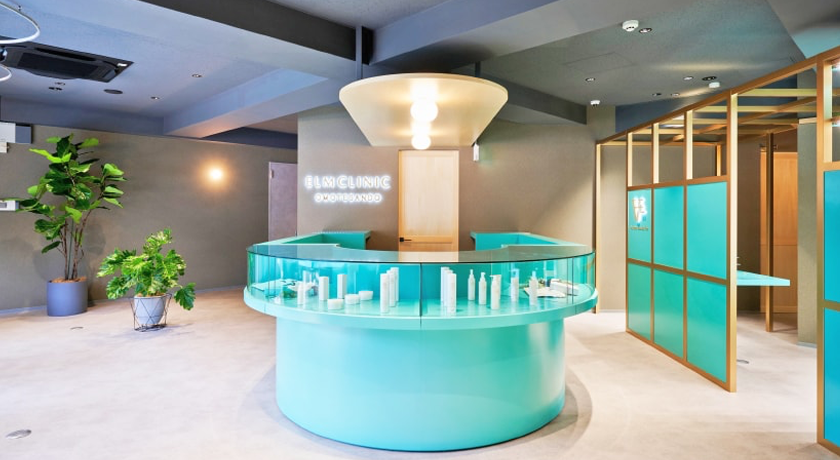
ELM CLINIC provides botulinum toxin treatments designed according to each patient’s facial anatomy and muscle movement patterns. The amount used and injection sites are determined according to the patient’s facial muscle movement and treatment goals.
The clinic also offers Botox treatments for various areas, including the forehead, crow’s feet, jawline, and specialized areas such as the nose and philtrum.
While “Baby Botox” is not offered as a separate category, the clinic’s custom treatment style may appeal to patients interested in a more conservative approach.
English Support and Access
ELM CLINIC provides English-language information through its official website, making it easier for international patients to explore treatment options. In Tokyo, the clinic operates two locations: Omotesando and Azabu, both situated in convenient central areas with easy access by public transportation.
In addition to Botox injections, ELM CLINIC offers a broad range of aesthetic treatments, including hyaluronic acid fillers, thread lifts, laser procedures, and skin rejuvenation therapies.
How to Make a Reservation
Appointments and inquiries can be made through the clinic’s English website. International patients are encouraged to contact the clinic in advance to discuss consultation availability and suitable treatment options.
| Address | 【Omotesando-in Temple】 2F, 5-8-1 Minami-Aoyama, Minato-ku, Tokyo 【Azabuin】 Azabu Kf Building 4F, XNUMX-XNUMX-XNUMX Azabu-Juban, Minato-ku, Tokyo |
| Phone Number | 【Omotesando-in Temple】 03-5962-6095 【Azabuin】 03-6807-4171 |
| Business Hours | 【Omotesando-in Temple】 9:30-18:30 【Azabuin】 Weekdays 10:00-19:00 Saturdays, Sundays, and holidays 9:30-18:30 |
| Holiday | 【Omotesando-in Temple】 Sunday 【Azabuin】 Irregular holidays |
| Access | 【Omotesando-in Temple】 2 minutes walk from Omotesando Station on the Tokyo Metro. 【Azabuin】 1 minute walk from Azabu-Juban Station. |
Azabu Beauty Clinic
source: Azabu Beauty Clinic
Experienced Physicians and Follow-Up Care
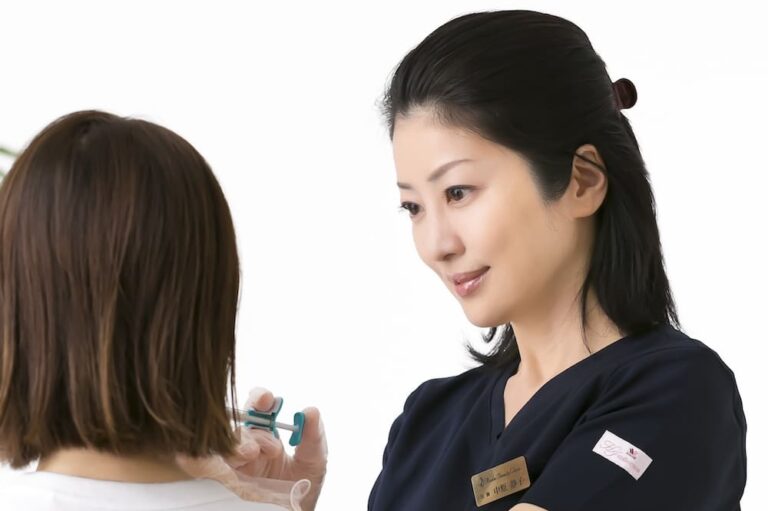
Azabu Beauty Clinic provides botulinum toxin treatments performed by physicians with more than 10 years of clinical experience.
Treatment plans are individualized, with the dosage and injection sites determined according to each patient’s facial anatomy and aesthetic concerns. The clinic also offers complimentary follow-up visits to evaluate the results and make adjustments when necessary.
For patients interested in subtle changes, the clinic’s individualized treatment plans and follow-up system may be among the factors to consider.
English Support and Access
Located in Tokyo’s Azabu area, Azabu Beauty Clinic offers a range of aesthetic procedures, including Botox injections, hyaluronic acid fillers, thread lifts, and skin treatments. Treatment information is available through the clinic’s website, allowing international patients to explore available options before their visit.
How to Make a Reservation
Appointments can be requested through the clinic’s official website. Patients visiting from overseas or considering specific treatments are encouraged to submit an inquiry in advance to discuss scheduling and treatment details.
| Address | AXALL ROPPONGI 6F, 7-8-6 Roppongi, Minato-ku, Tokyo |
| Phone Number | 03-6400-5511 |
| Business Hours | 10:00-18:00 (Last reception time: 17:30) |
| Holiday | Sundays and public holidays |
| Access | 2-minute walk from Exit 8 of Roppongi Station on the Toei Oedo Line and Tokyo Metro Hibiya Line. |
Conclusion
Baby botox in Tokyo offers a specific combination that is genuinely hard to find in many markets: practitioners culturally oriented toward subtle, natural results; transparent per-unit pricing that makes conservative dosing directly visible in the cost; and botulinum toxin prices 40–60% below US and UK equivalents.
For foreigners seeking treatment, the practical requirements are clear — verify per-unit pricing transparency, confirm English-language consultation with the physician (not just front-desk staff), and schedule a two-week review if your trip allows.
The clinics listed above serve international patients regularly and are a sound starting point.
| ・This website provides general knowledge about aesthetic medicine from a neutral perspective as much as possible. Please note that the information is not intended to encourage self-diagnosis. Be sure to check the official website of the clinic and consult each medical institution for details regarding treatment. ・This article is based on information available at the time of writing and publication. Please check the official website for the latest updates. ・If cosmetics or massage-related content is mentioned, it is not within the scope of medical supervision. |